Author: Last Best Hope of Earth

  • Patronage and Prosperity

    amos_kendall_by_mathew_brady
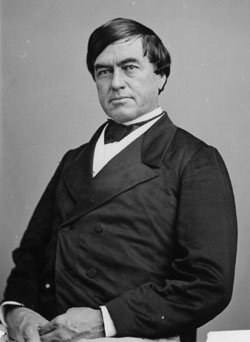
    Photograph of Amos Kendall.

    Amos Kendall was a journalist and a staunch supporter of President Andrew Jackson. In return for his support, he was one of President Jackson’s closest advisors, save Martin Van Buren. Kendall even “formulated the rationale for the spoils system as ‘rotation in office’ and ghostwrote the Bank Veto Message as well as several of Jackson’s other major state papers.” Daniel Walker Howe, What Hath God Wrought: Transformation of America, 1815-1848, 495.
    (more…)

  • Voting in the Early 1800s

    passion194
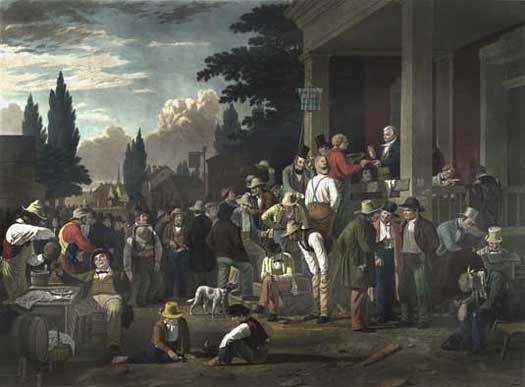
    Depiction of Voting in the Early 1800s.

    In the early 1800s, an American polling place “displayed many of the worst features of all-male society: rowdy behavior, heavy drinking, coarse language, and occasional violence.” Daniel Walker Howe, What Hath God Wrought: Transformation of America, 1815-1848, 491.

    (more…)

  • The Spread of Enfranchisement

    politics-in-an-oyster-house
    Politics in an Oyster House. By: Richard Caton Woodville.

    Following the War of 1812, enfranchisement broadened in American society considerably.

    (more…)

  • The Decline of the Militia

    1828_militiamuster_watercolor_bydcjohnston_aas
    Depiction of a Militia in 1828.

    From the War of 1812 on, for the next few decades, the use of militias would become less and less prominent in America.

    (more…)

  • The Early Federal Government Surplus

    henry-clay-orator
    Henry Clay Addressing the Senate.

    Toward the end of President Andrew Jackson’s second term, the federal government had come to enjoy a substantial surplus, primarily coming as a result of land sales and “proceeds from the Tariff 0f 1833.” Daniel Walker Howe, What Hath God Wrought: Transformation of America, 1815-1848, 499.

    (more…)

  • Constitution Sunday: “Publius,” The Federalist I [Alexander Hamilton]

    “Publius,” The Federalist I [Alexander Hamilton]

    Independent Journal (New York), October 27, 1787

    Following are excerpts from the Federalist I, written by Alexander Hamilton:

    “The subject speaks its own importance; comprehending in its consequences, nothing less than the existence of the union, (more…)

  • The “Positive Good” of Slavery

    36
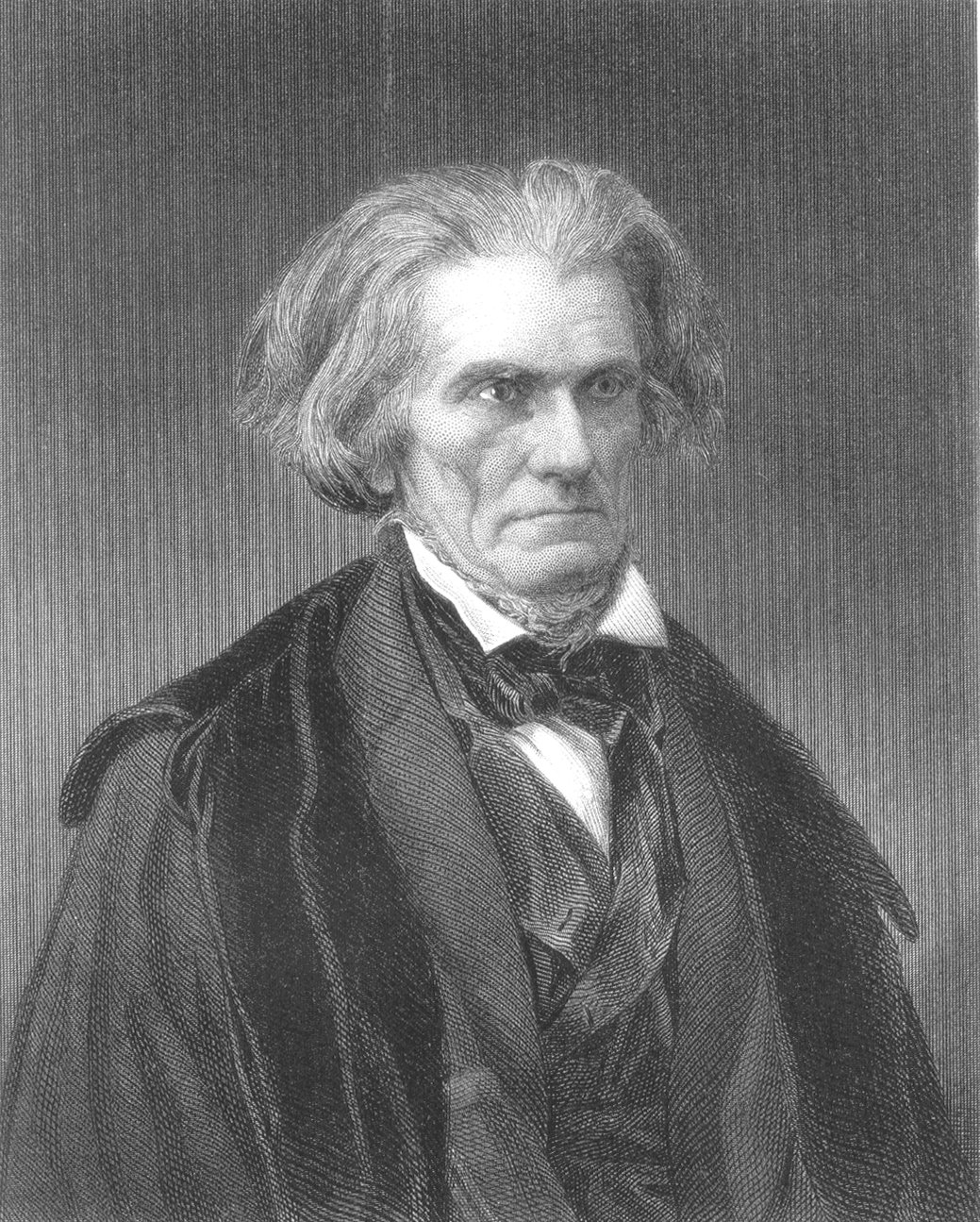
    Engraving of John C. Calhoun.

    John Calhoun, one of the staunchest supporters of states’ rights, was widely known for his view that slavery as a “positive good” in American society.

    (more…)

  • A First Test for Separation of Church and State

    cholera-1832
    A Depiction of the Cholera Outbreak in New York City in 1832.

    With the communications and transportation revolution came new, unforeseeable consequences. One such consequence was the spread of cholera and other contagious diseases, which would test the mettle of Americans.

    (more…)

  • Seeds of Division

    cassius_marcellus_clay
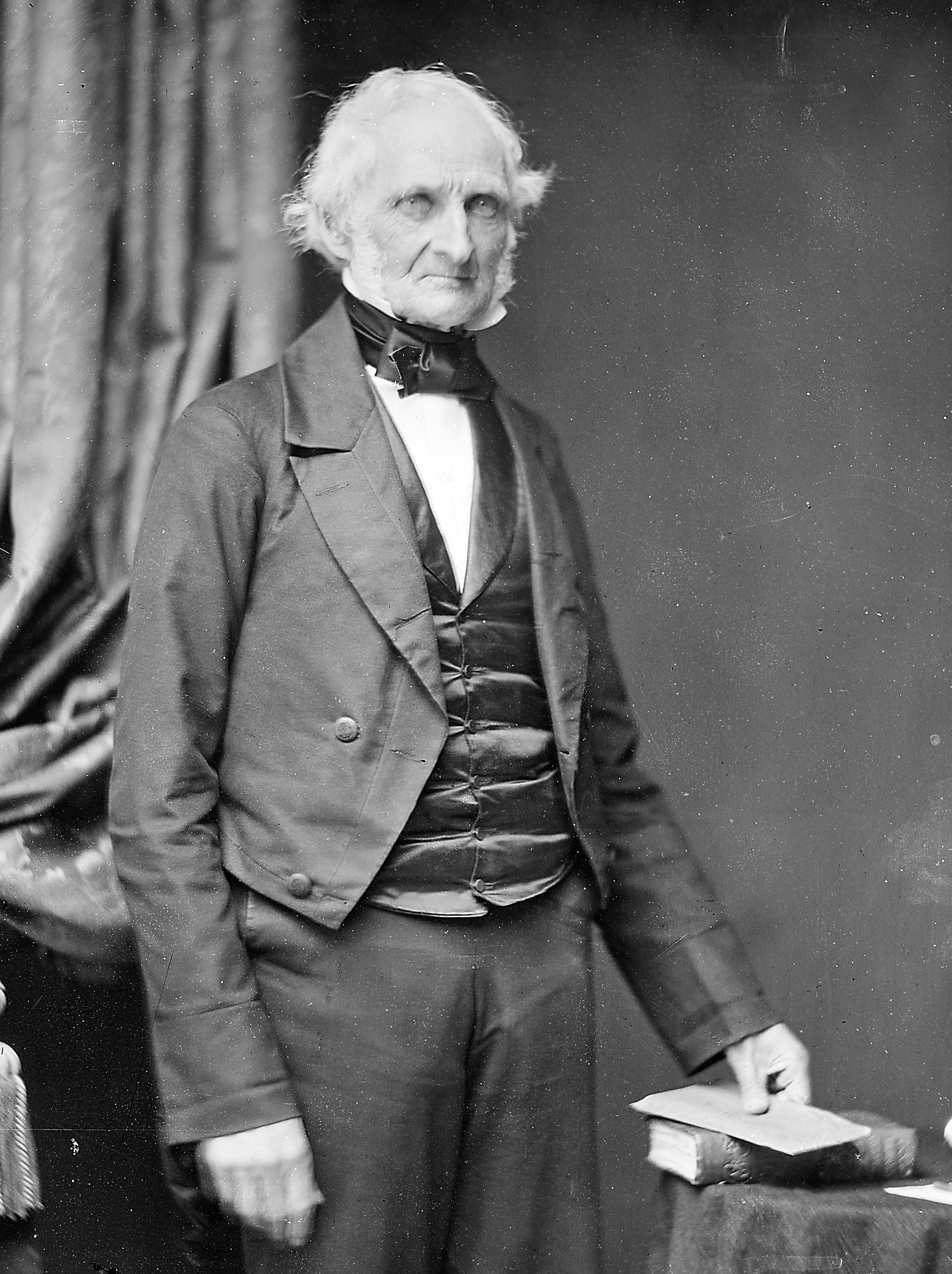
    Cassius Marcellus Clay.

    In America, slavery was not always an issue that could be separated by the North and the South.

    (more…)

  • An Increase and Diffusion of Knowledge

    portrait
    James Smithson.

    In the early 1800s, America was expanding in many ways. Part of that expansion was the education of Americans both in the classroom and otherwise.

    (more…)