Author: Last Best Hope of Earth

  • The Heir to the Founders

    john-quincy-adams-picture
    John Quincy Adams.

    On July 4, 1826, during America’s Golden Jubilee, celebrating the 50th anniversary of the Declaration of Independence, Thomas Jefferson and John Adams died. Daniel Walker Howe, What Hath God Wrought: Transformation of America, 1815-1848, 243. The two political rivals were two of the last three surviving signers of the Declaration of Independence, leaving only Charles Carroll of Maryland alive. Id. President John Quincy Adams, learning of his father’s death and Jefferson’s death, remarked that it was a “‘visible and palpable mark of Divine favor,’ to the nation, and most of his countrymen agreed.” Id. quoting James Morton Smith, The Republic of Letters (New York, 1995), II, 1973-74.
    (more…)

  • Infrastructure’s Fostering of Democracy

    michel-chevalier-xx-leon-cogniet
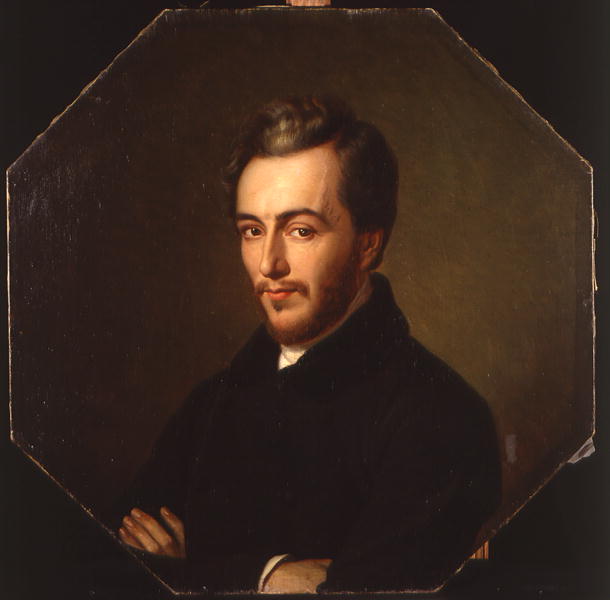
    Michel Chevalier. By: Leon Cogniet.

    In 1833, a French engineer, Michel Chevalier, arrived in America and was fascinated by the infrastructure that surrounded him. Daniel Walker Howe, What Hath God Wrought: Transformation of America, 1815-1848, 241.

    (more…)

  • The Early Political Microcosm

    clinton-dewitt
    DeWitt Clinton.

    New York politics after the War of 1812 had ended “became a microcosm of the future of national politics.” Daniel Walker Howe, What Hath God Wrought: Transformation of America, 1815-1848, 237.

    (more…)

  • The Communications Revolution

    catherine_sedgwick_28crop29
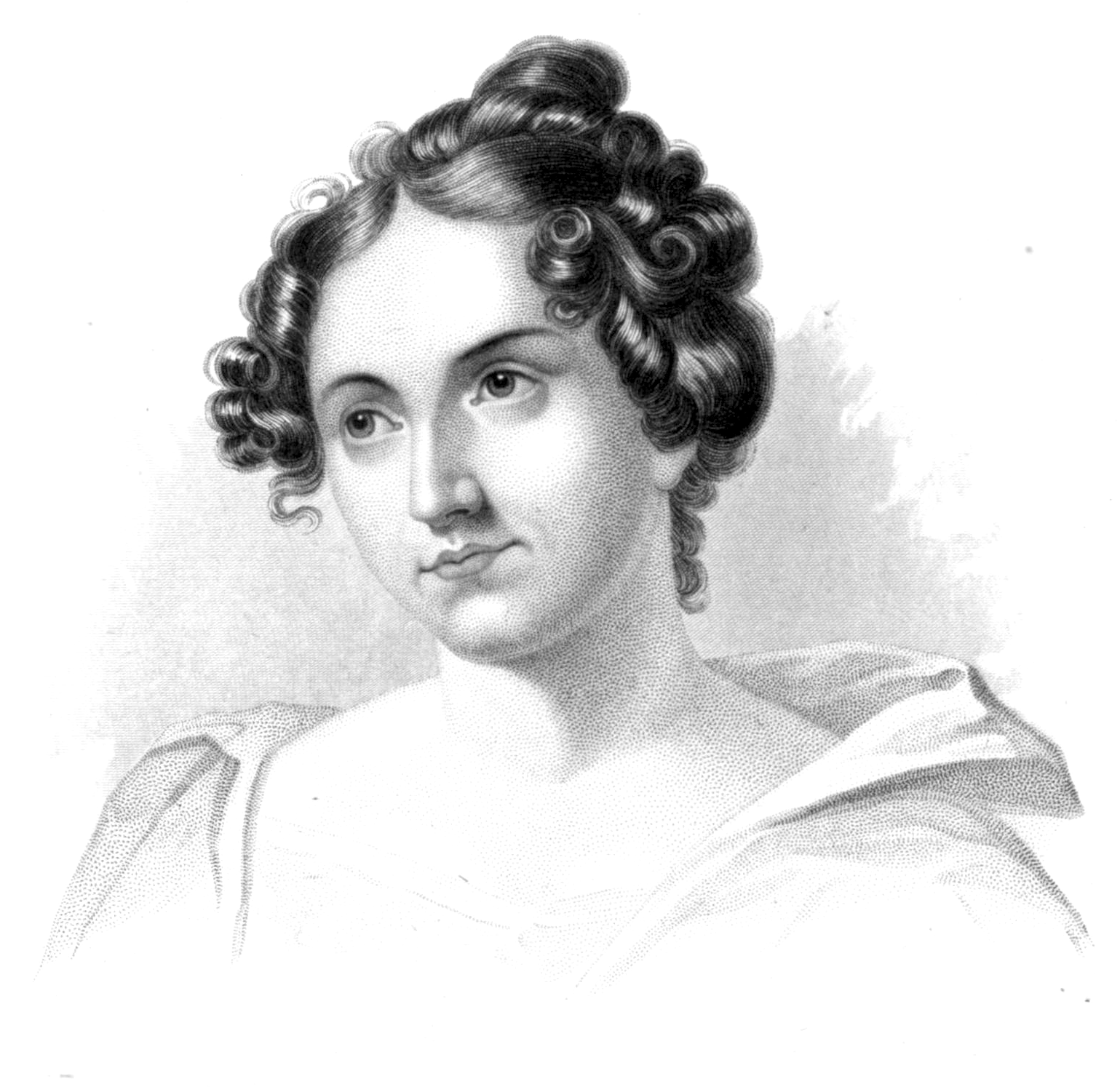
    Engraving of Catharine Sedgwick. By: W. .

    Not long after the end of the War of 1812, America was undergoing a communications revolution.

    (more…)

  • Constitution Sunday: “An Old Whig” [George Bryan et al.] I

    “An Old Whig” [George Bryan et al.] I

    Independent Gazetteer (Philadelphia), October 12, 1787

    Following is a series of excerpts from George Bryan’s article in the Independent Gazetteer:

    “And after the constitution is once ratified, it must remain fixed until two thirds of both the houses of Congress shall deem it necessary to propose amendments; (more…)

  • The Transportation Revolution

    BF9078F5-155D-451F-6702CDB371CB71CD
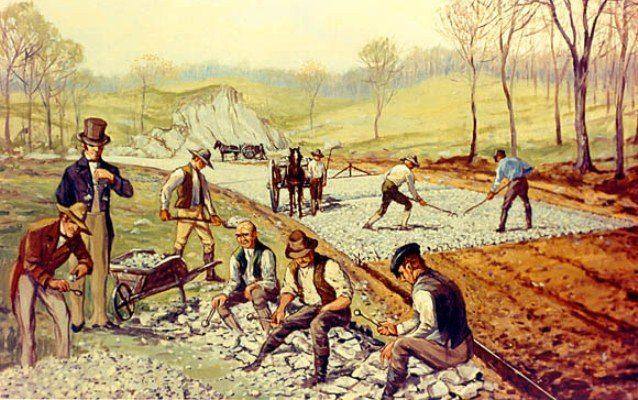
    Depiction of the Building of the National Road.

    Following the end of the War of 1812, the United States underwent a transportation revolution. This transportation revolution came about as a result of Americans moving westward but also as more Americans moved into cities to engage in industrial work. Daniel Walker Howe, What Hath God Wrought: Transformation of America, 1815-1848, 212. (more…)

  • The Election of 1824

    m-9636
    William Harris Crawford.

    Not long after the election of 1820, an essentially uncontested election seeing the re-election of President James Monroe, the campaigning for the election of 1824 began. President Monroe had indicated that he would not seek an unprecedented third term as president, but that did not stop others from posturing for the election. As a journalist observed in the spring of 1822, “electioneering begins to wax hot.” Daniel Walker Howe, What Hath God Wrought: Transformation of America, 1815-1848, 203 quoting James F. Hopkins, “Election of 1824,” in History of American Presidential Elections, ed. Arthur M. Schlesinger Jr. (New York, 1985), 363.

    (more…)

  • The Second Great Awakening

    1839-meth
    A Methodist Gathering. By: J. Maze Burbank.

    In the 1810s and 1820s, Americans were drinking as much as seven gallons of alcohol per year per person, drinking at every meal. Daniel Walker Howe, What Hath God Wrought: Transformation of America, 1815-1848, 167. Even students at school could see their teacher inebriated while teaching, with drunkenness being commonplace throughout society. Id. This came, however, during the Second Great Awakening, a profound increase in religiosity in American society.

    (more…)

  • Injury to the Cause of Christ

    lyman_beecher_-_brady-handy
    Lyman Beecher. By: Mathew Brady.

    The role of religion in Americans’ lives began to change not long after the War of 1812. In fact, the state of Connecticut “disestablished religion in 1818.” Daniel Walker Howe, What Hath God Wrought: Transformation of America, 1815-1848, 165. It should be noted that the First Amendment to the Constitution reads: “Congress shall make no law respecting an establishment of religion or prohibiting the free exercise thereof.” In other words, the First Amendment “restricted the federal government only, not the states.” Id. This would change in the 20th Century when the Supreme Court “incorporated” the freedoms of the Bill of Rights, through the Fourteenth Amendment (not passed until 1868), to the states. Id.

    (more…)

  • Vesey’s Almost Rebellion

    denmark_vesey
    Denmark Vesey.

    During the controversy surrounding the Missouri Compromise, those who advocated for restricting slavery had been interpreted by southerners as encouraging insurrection. See Daniel Walker Howe, What Hath God Wrought: Transformation of America, 1815-1848, 161.

    (more…)