Category: Early Republic

  • The Last Founding Father

    james_monroe_02
    James Monroe.

    James Monroe was the last president who was truly part of the American Revolution generation. Daniel Walker Howe, What Hath God Wrought: Transformation of America, 1815-1848, 91. He crossed the Delaware River with George Washington. Id. Obvious to his contemporaries, he dressed the part of the Revolutionary gentleman, wearing knee breeches and buckled shoes, with a powdered wig and three-cornered hat. Id.

    (more…)

  • The Defeat of the Bonus Bill

    james_madison_by_chester_harding_1829_img_4295
    James Madison. By: Chester Harding.

    Following the War of 1812, President James Madison was proudly touting the status of America. It had mobilized its navy to protect trade in the Mediterranean Sea, it had reestablished commercial relations with Britain, and it had pacified the Native Americans. See Daniel Walker Howe, What Hath God Wrought: Transformation of America, 1815-1848, 80.

    (more…)

  • The Beginning of Oppression

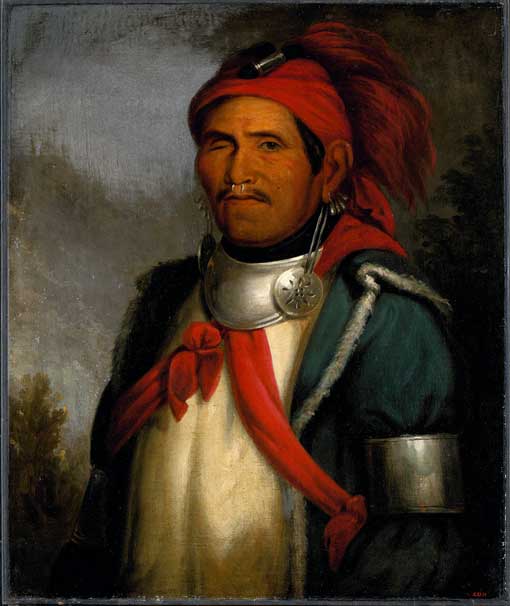
    shawnee_prophet_tenskwatawa
    Tenskwatawa. By: Charles Bird King.

    For centuries prior to the War of 1812, the Native Americans were able to manipulate the British, French, Spanish, and Americans to sustain themselves. After the War of 1812, the entirety of the land east of the Mississippi River was owned by America, effectively ended the Native Americans’ strategy. Daniel Walker Howe, What Hath God Wrought: Transformation of America, 1815-1848, 74.

    (more…)

  • America in 1815: Slavery

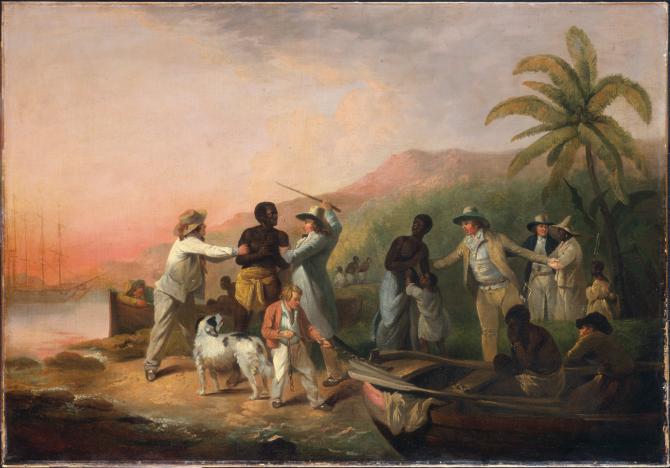
    morland-execrable20slave20trade-1789-1-3mb-crop-rtstoryvar-large-execrable20slave20trade-1789-1-3mb
    Execrable Slave Trade. By: George Morland.

    By 1815, America was already split between those states that were taking steps to eliminate slavery and those states who were fortifying their support of slavery. As the Founding Fathers had predicted, a chasm was beginning to open in the United States.

    (more…)

  • America in 1815: The Economy

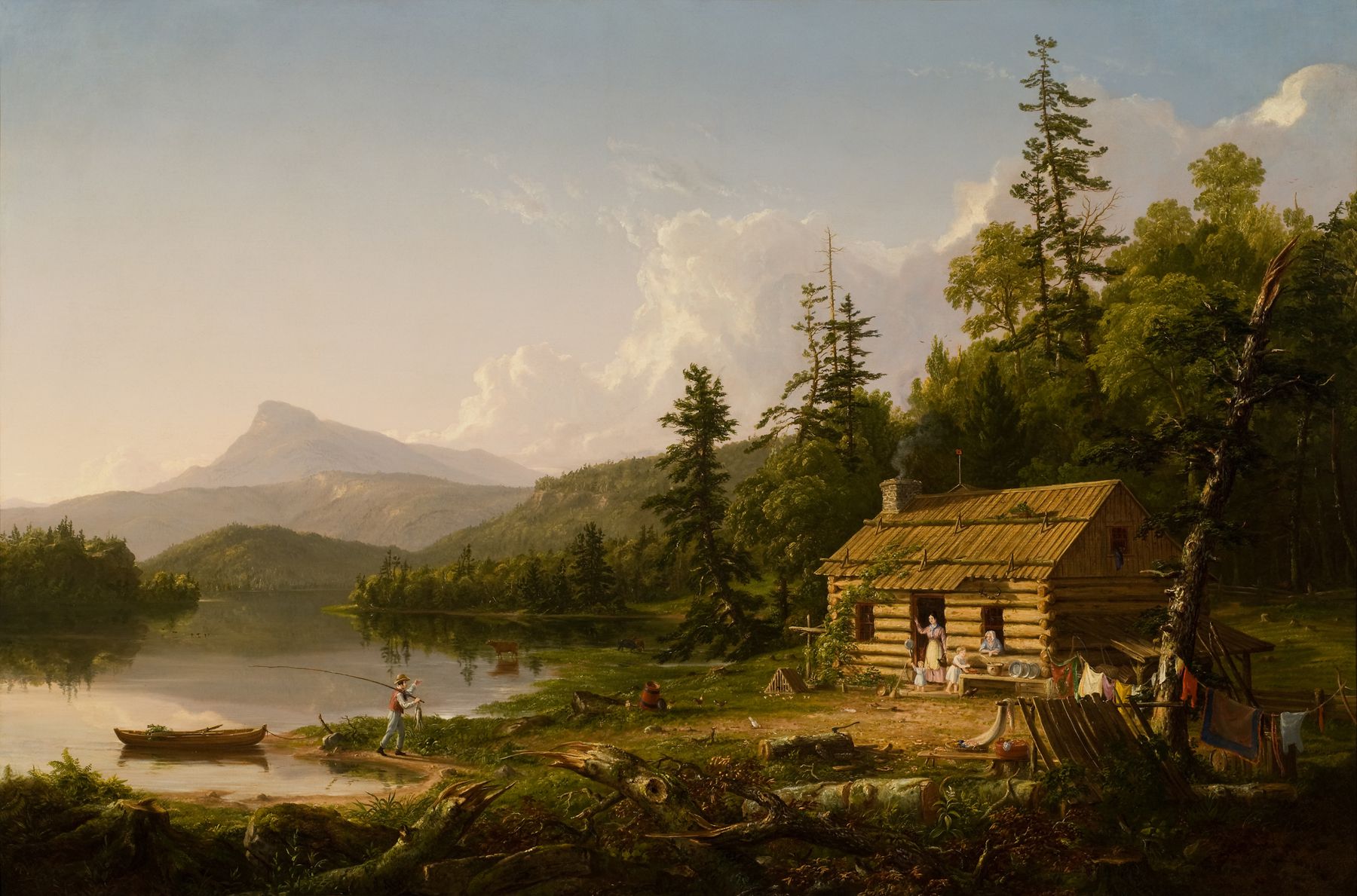
    home_in_the_woods_1847_thomas_cole
    Home in the Woods. By: Thomas Cole.

    The economy of the early United States would be familiar to modern Americans in some respects but also hard to recognize, given the development of the American economy in the past two centuries.

    (more…)

  • America in 1815: The Jeffersonian Republicans

    portrait
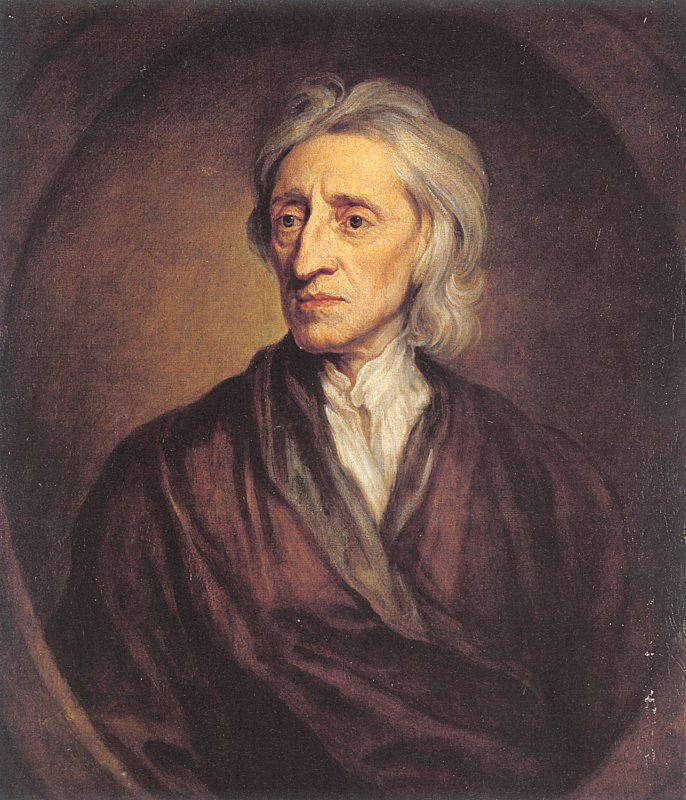
    John Locke. By: Godfrey Kneller.

    The Republican ideology, created and led by Jefferson, manifested itself in the generation after the Founding Fathers.

    (more…)

  • America in 1815: The Native Americans

    scene-from-the-last-of-the-mohicans-cora-kneeling-at-the-feet-of-tanemund-1827
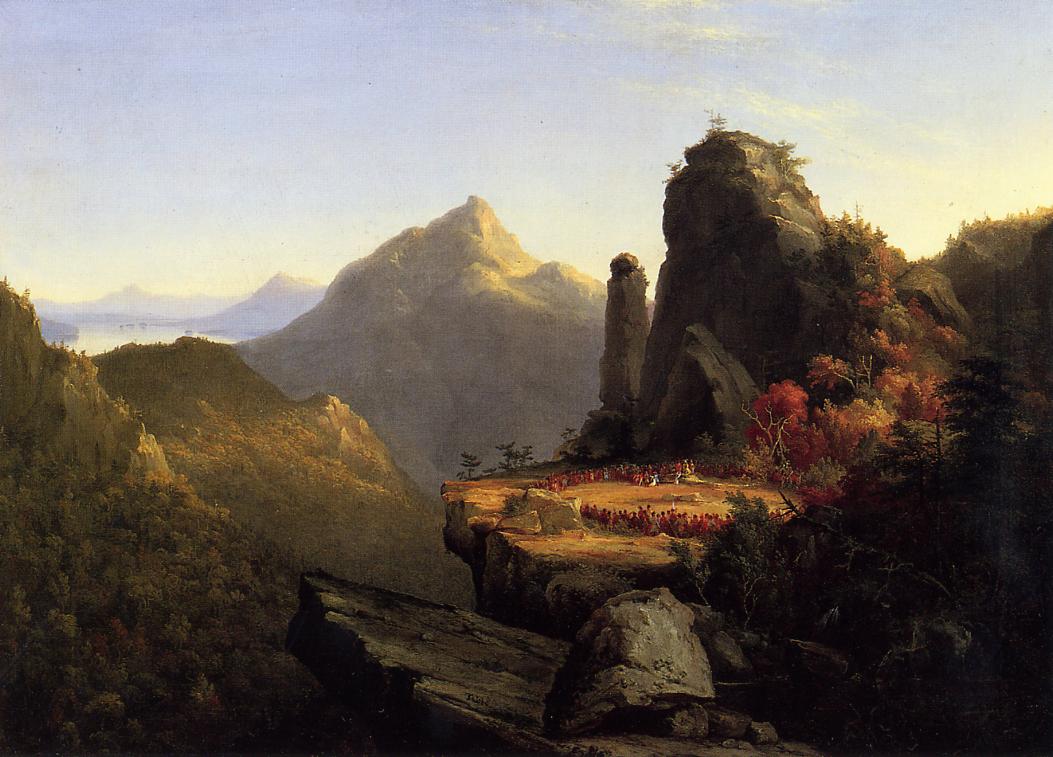
    The Last of the Mohicans. By: Thomas Cole.

    By 1815, the Native Americans had been pushed mostly out of the New England area and into territories just east of the Mississippi River and the entirety of the territory west of the Mississippi River. The Native Americans were a significant obstacle to expanding American territory.

    (more…)

  • The Pivot of American Government

    james_sullivan
    James Sullivan. By: Gilbert Stuart.

    In the earliest years of the American Republic, individuals like James Madison, Samuel Williams, Charles Pinckney, and Samuel Langdon concluded that no country had created a better model for representative government than America’s. See Gordon Wood, The Creation of the American Republic: 1776-1787, 596.

    (more…)

  • No Special Providence for Americans

    tom_22_adams_brown
    John Adams. By: Mather Brown.

    Despite the optimism surrounding the Revolution, John Adams had taken a different tact.

    (more…)

  • A Revolutionary and Unique System

    alexander_hamilton_utst_by_franklin_simmons_tilt
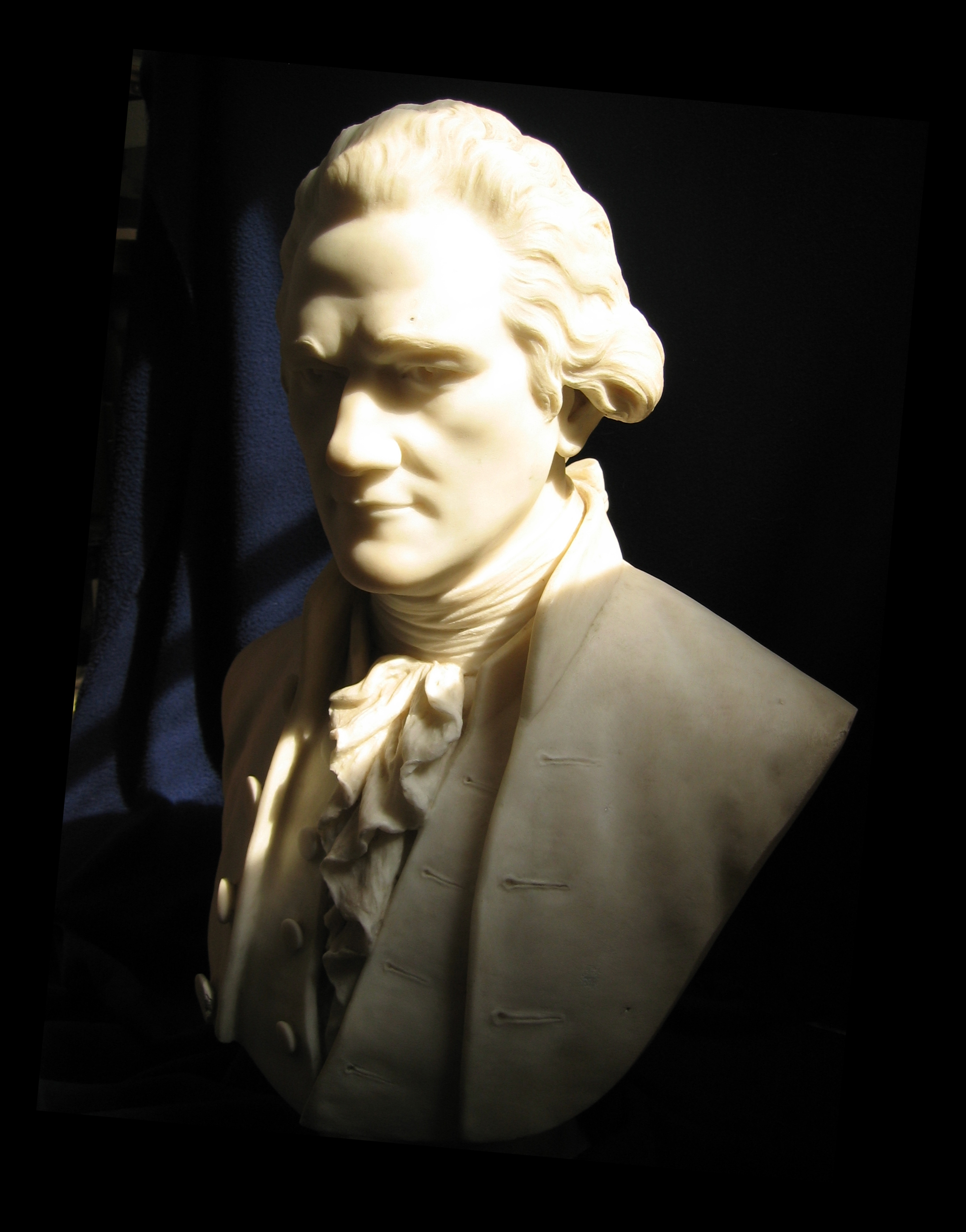
    Alexander Hamilton. By: Franklin Simmons.

    The Federalists, in overseeing the creation of the modern political system, culminating in the Constitution, had inadvertently changed not only the structure of government but also the trajectory of American politics.

    (more…)