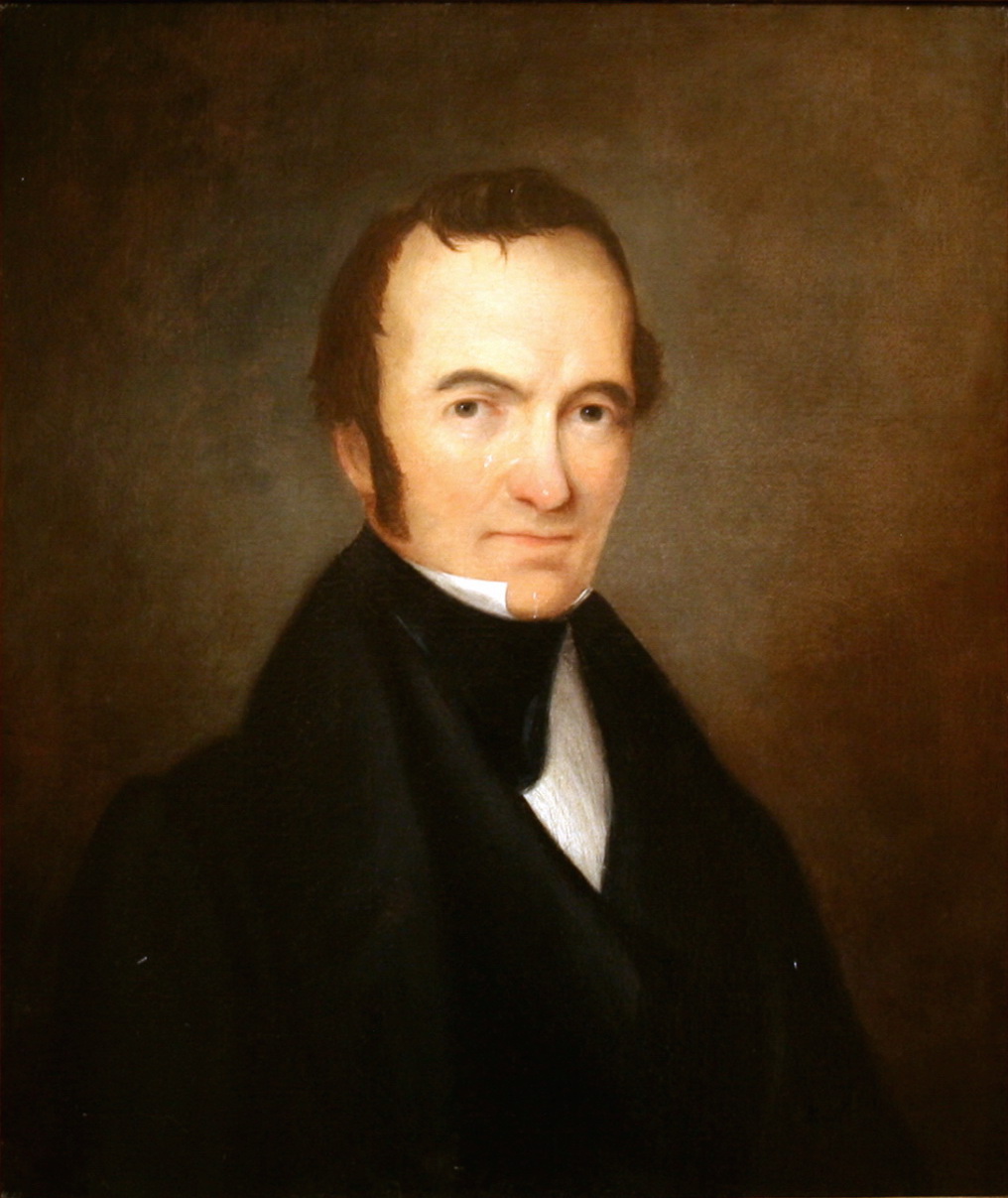
In 1821, Mexico achieved its independence from Spain, changing the nature of America-Mexico relations. See Daniel Walker Howe, What Hath God Wrought: Transformation of America, 1815-1848, 658-59.
In 1821, Mexico achieved its independence from Spain, changing the nature of America-Mexico relations. See Daniel Walker Howe, What Hath God Wrought: Transformation of America, 1815-1848, 658-59.

Justice Joseph Story wrote a decision in Prigg v. Pennsylvania that would put the United States Supreme Court in a possession of relieving northern state officials of responsibility “for returning fugitive slaves, and increasingly northern state legislatures instructed them to do so.” Daniel Walker Howe, What Hath God Wrought: Transformation of America, 1815-1848, 654.

While much of literature during the 1830s and 1840s was dedicated to religiosity and piety, a new type of literature was emerging during this time. George Lippard and other authors were achieving commercial success writing novels that have stood the test of time and have had appeal to ordinary Americans in generations since: novels about the Western United States. See Daniel Walker Howe, What Hath God Wrought: Transformation of America, 1815-1848, 631.

Following the Election of 1840, members of the Whig Party must have been optimistic about their future. They likely imagined that the dominance of the Jacksonian Democrats could be replicated within the ranks of the Whigs and supplant the Democrats. It was not to be, however.

In 1842, John Quincy Adams presented to the House of Representatives a petition from 42 residents of Haverhill, Massachusetts, requesting that the Union be dissolved. Daniel Walker Howe, What Hath God Wrought: Transformation of America, 1815-1848, 610. Henry Wise, Congressman from Virginia, “demanded the former president be censured.” Id.

Around the 1830s and 1840s, individuals who suffered from mental illness were treated as criminals, regardless of whether they had actually committed a crime. See Daniel Walker Howe, What Hath God Wrought: Transformation of America, 1815-1848, 604. Dorothea Dix sought to change that.
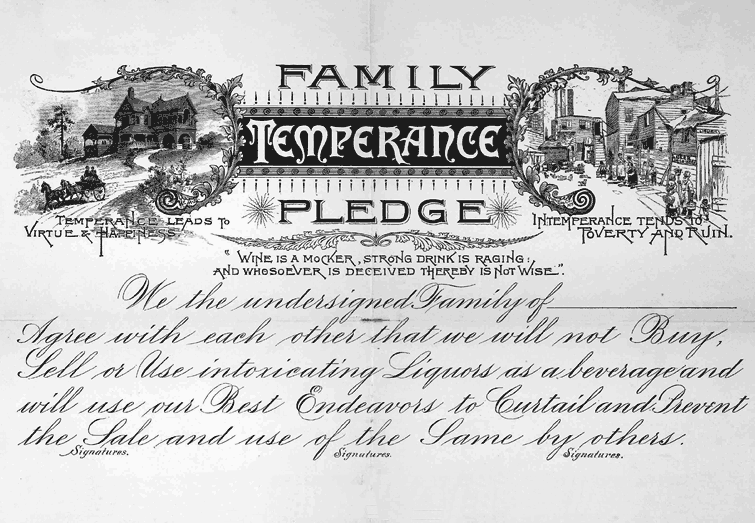
While the Democrats had held up Andrew Jackson as the ideal man, the Whigs began to view Abraham Lincoln in the 1840s as the ideal man, even though his personality was “artificial—that is, self-constructed.” Daniel Walker Howe, What Hath God Wrought: Transformation of America, 1815-1848, 598.

Abraham Lincoln, as a Congressman in the House of Representatives, would be “an ardent supporter of internal improvements.” Daniel Walker Howe, What Hath God Wrought: Transformation of America, 1815-1848, 596.

In the wake of the Panics of 1837 and 1839, Congress sent the White House a new bill to be signed into law: The Bankruptcy Act of 1841. See Daniel Walker Howe, What Hath God Wrought: Transformation of America, 1815-1848, 593. From then on, bankruptcy would be part of American life, providing an option for when debts become overwhelming.

Following William Henry Harrison’s death just a month into his presidency in 1841, John Tyler rose to the presidency, in the first instance of a president dying while holding the office. See Daniel Walker Howe, What Hath God Wrought: Transformation of America, 1815-1848, 589.
 Last Best Hope of Earth