Category: Early Republic

  • The Darkest Spot on the American Mantle

    clay
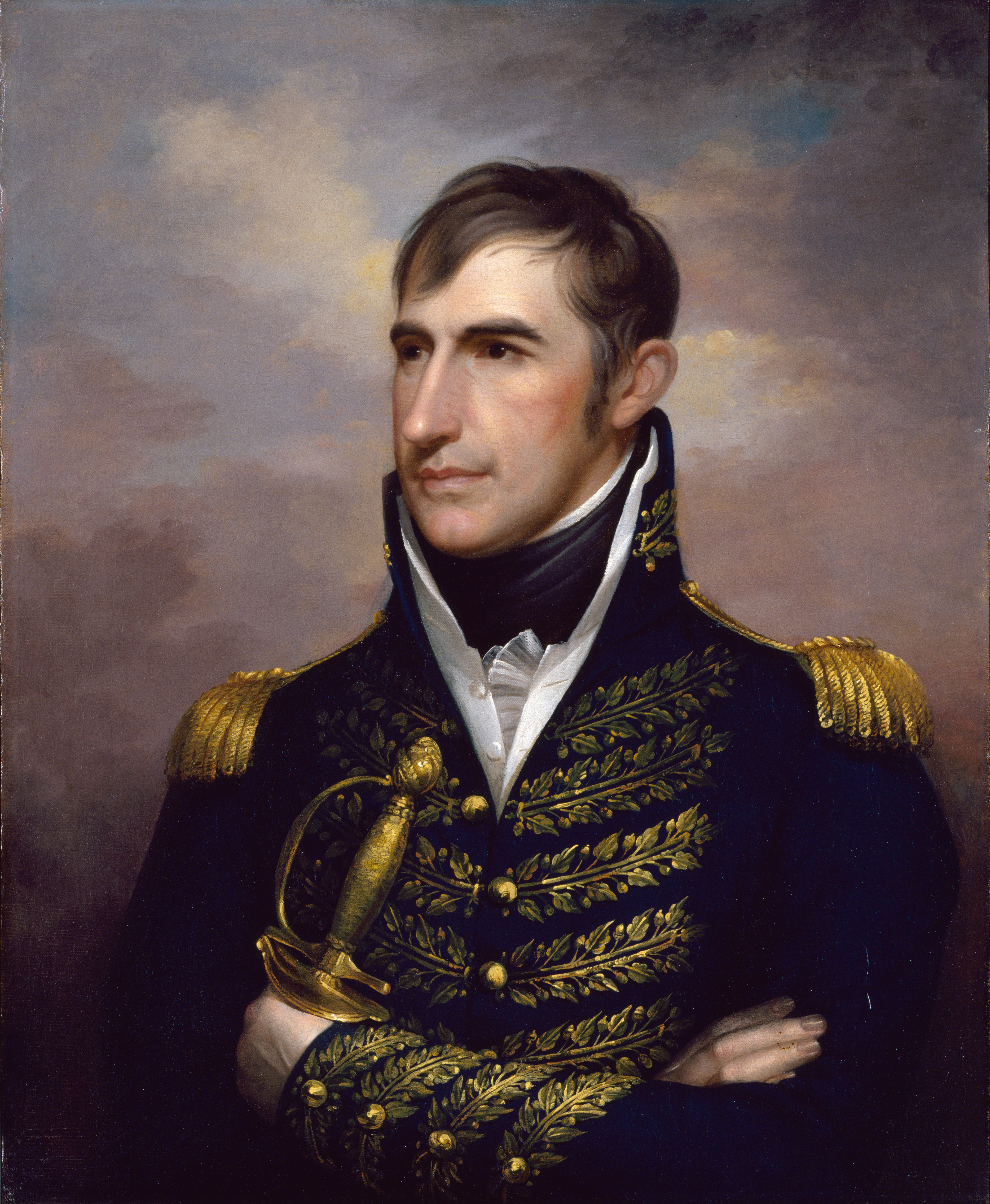
    Henry Clay. By: Henry F. Darby.

    In 1832, Henry Clay addressed the Senate, expressing his hope that “some day,” America “would be rid of this, the darkest spot on its mantle,” speaking of slavery. Daniel Walker Howe, What Hath God Wrought: Transformation of America, 1815-1848, 586 quoting Life, Correspondence, and Speeches of Henry Clay, ed. Calvin Colton (New York, 1857), I, 189, 191.
    (more…)

  • Election of 1840: The Rhetoric

    albert_gallatin_hoit_-_william_henry_harrison_-_google_art_project
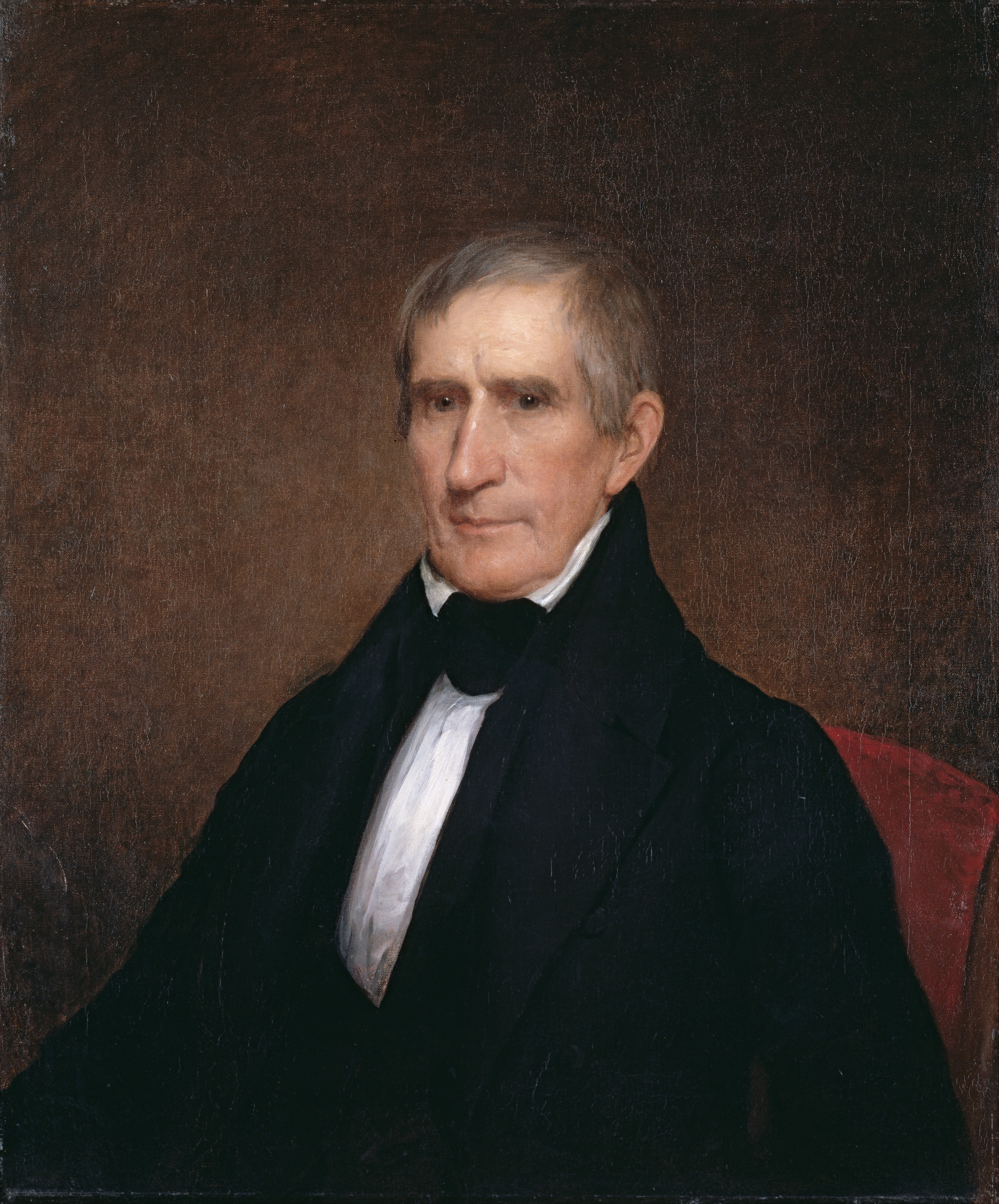
    William Henry Harrison. By: Albert Gallatin Hoit.

    The Election of 1840 juxtaposed the Whig Party’s policies against the Democratic Party’s more fluid policies. The Whigs “possessed a more coherent program: a national bank, a protective tariff, government subsidies to transportation projects, the public lands treated as a source of revenue, and tax-supported public schools.” Daniel Walker Howe, What Hath God Wrought: Transformation of America, 1815-1848, 583-84. The Democrats did not have such rigid policies, relying instead on the “emotional bond” they they had with their followers, rather than policy initiatives. Id. at 584 citing Matthew Crenson, The Federal Machine: Beginnings of Bureaucracy in Jacksonian America (Baltimore, 1975), 29.

    (more…)

  • Election of 1840: Voter Turnout

    franceswright
    Frances Wright. By: John Chester Buttre.

    The Election of 1840 is one that stands out in history. That is for principally one reason: voter turnout.

    (more…)

  • Election of 1840: The Campaign

    harrisonlogcabincampaign
    Depiction of William Henry Harrison with a Log Cabin and Hard Cider.

    As was customary until 1904, an incumbent president did not campaign openly for his re-election. This was true for President Martin Van Buren as well. See Daniel Walker Howe, What Hath God Wrought: Transformation of America, 1815-1848, 573.

    (more…)

  • The Inauguration of William Henry Harrison

    rembrandt_peale_-_william_henry_harrison_-_google_art_project
    William Henry Harrison. By: Rembrandt Peale.

    William Henry Harrison, a Whig, won the White House in the election of 1840. In March 1841, for his inauguration, he stood in the cold and wind and spoke for an hour and a half. See Daniel Walker Howe, What Hath God Wrought: Transformation of America, 1815-1848, 570.

    (more…)

  • The Railroad Revolution

    dewitt_clinton_28locomotive29
    A Depiction of the Replica of the Dewitt Clinton, an American-made Locomotive.

    Following the Panics of 1837 and 1839, America began rapidly expanding a new innovation: the railroad. While this would seem to have brought the country together, in fact, it increased sectionalism, creating more tension between the North and the South. Daniel Walker Howe, What Hath God Wrought: Transformation of America, 1815-1848, 569.

    (more…)

  • The Legalities of Slavery

    franklin_and_armfield_slave_prison_alexandria_virginia_1836
    A Depiction of Franklin & Armfield’s Slave Prison in Alexandria, Virginia in 1836.

    By the 1830s and 1840s, slavery had become engrained in the American legal system, enjoying protections and safeguards against its abolition and ultimately ensuring its continuation.

    (more…)

  • Corporations in the 1830s and 1840s

    founders_of_the_baltimore_and_ohio_railroad
    The Founders of the Baltimore and Ohio Railroad. By: Francis Blackwell Mayer.

    Following the Panics of 1837 and 1839, the American government and Americans generally had developed a skepticism about corporations. Some states even “rewrote their constitutions in the 1840s” to forbid their state government from stock ownership. See Daniel Walker Howe, What Hath God Wrought: Transformation of America, 1815-1848, 557.

    (more…)

  • The Legitimization of Unions

    lemuel_shaw_by_southworth_26_hawes
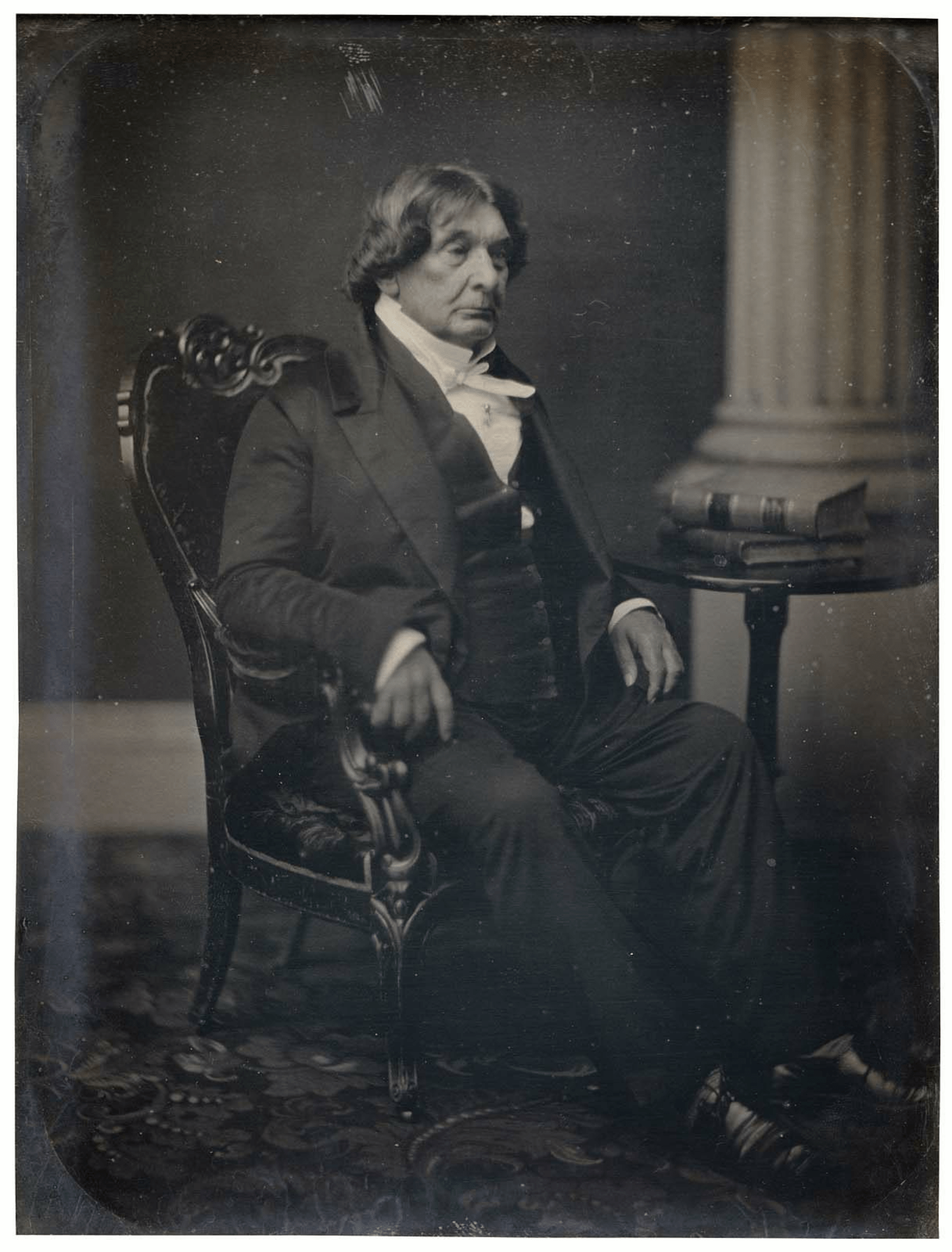
    Lemuel Shaw.

    The labor movement gained significant momentum during the 1830s and 1840s, paving the way for future generations of Americans to secure extensive workers’ rights.

    (more…)

  • The Classification of Americans

    850px-death_of_locofocoism_crop
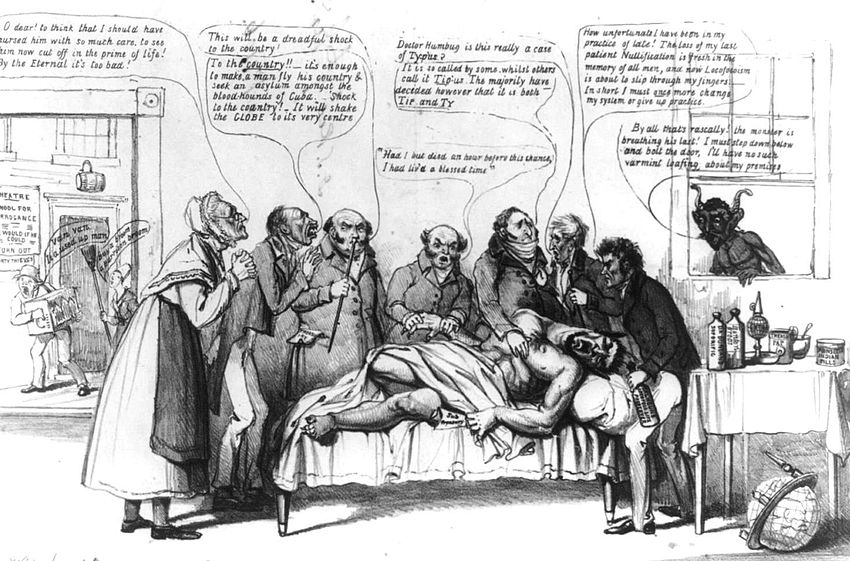
    Cartoon Celebrating the Death of the Locofoco Movement.

    America’s economic development resulted in American workers being classified, creating tension between the classes.

    (more…)