Category: Early Republic

  • The Political Parties of the 1820s and 1830s

    1-2-1ab7-25-explorepahistory-a0m3a2-a_349
    Posting in a Pennsylvania Newspaper from the Working Men’s Political Parties.

    In the 1820s and 1830s, Working Men’s political parties emerged, changing the discourse of the two major political parties, the Democrats and Whigs. From Philadelphia outward, “Working Men’s political parties sprang up in various places . . . , fed by the discontents of journeymen under the impact of industrialization.” Daniel Walker Howe, What Hath God Wrought: Transformation of America, 1815-1848, 539 citing Sean Wilentz, Chants Democratic: New York City and the Rise of the American Working Class (New York, 1984), 109.
    (more…)

  • American Cities in the Early 1800s

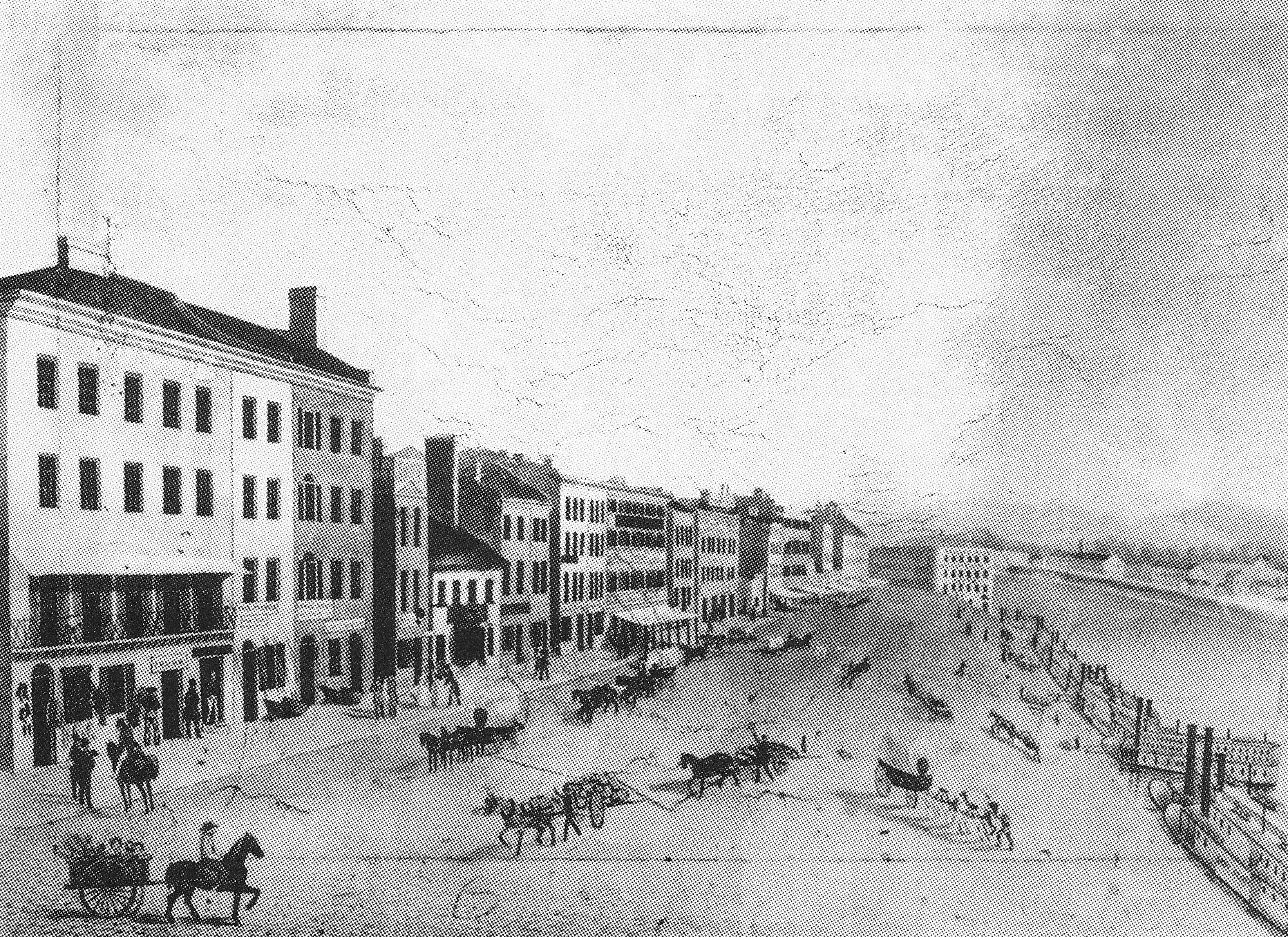
    cincinnati_harbour_1838
    Cincinnati Harbor in 1838. By: Josef Motschmann.

    From the 1820s through the 1840s, America’s cities were changing rapidly due to the transportation revolution, technological advances, and world events.

    (more…)

  • The Second Florida War

    seminole_war_in_everglades
    A Depiction of United States Marines Searching for Native Americans.

    With President Martin Van Buren in the White House came increasing extermination of the Native Americans. While many will recall the Trail of Tears leading to thousands of Native American deaths, the Second Florida War would be the “longest and most costly of all the army’s Indian Wars,” as it stretched from 1835 to 1842. Daniel Walker Howe, What Hath God Wrought: Transformation of America, 1815-1848, 516.

    (more…)

  • The Master of Parliamentary Procedure

    john_q-_adams
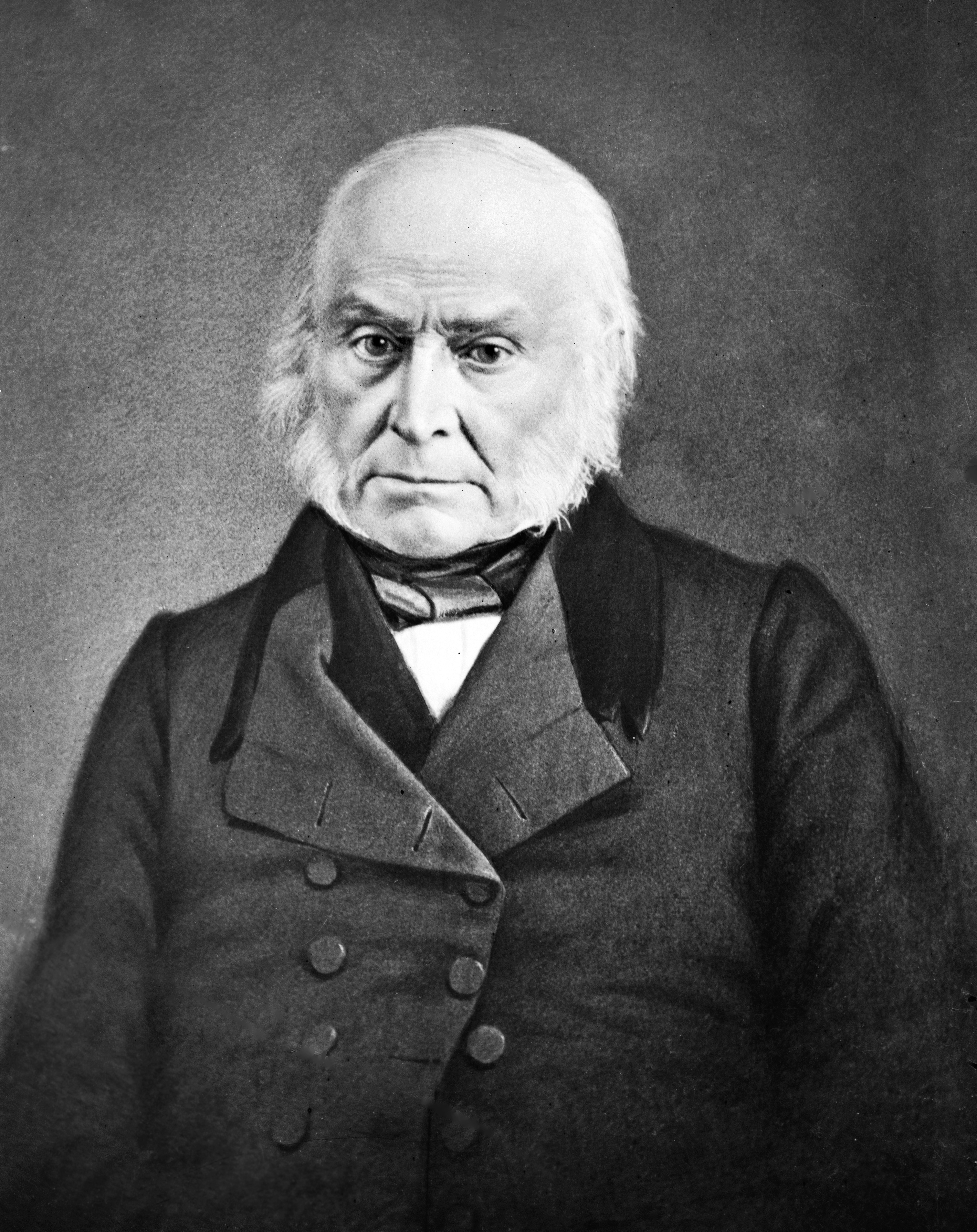
    John Quincy Adams.

    The United States Congress was not above adopting its own rules that would silence abolitionist views. While mass mailings to southerners became a regular occurrence for abolitionists, creating significant tension between proslavery and anti-slavery factions, those had occurred outside the purview of government. The House of Representatives, when it used a gag rule to prevent discussion of petitions relating to abolition, was striking a blow to abolitionists all over the country.

    (more…)

  • The Whigs and the Democrats Fight

    william_leggett
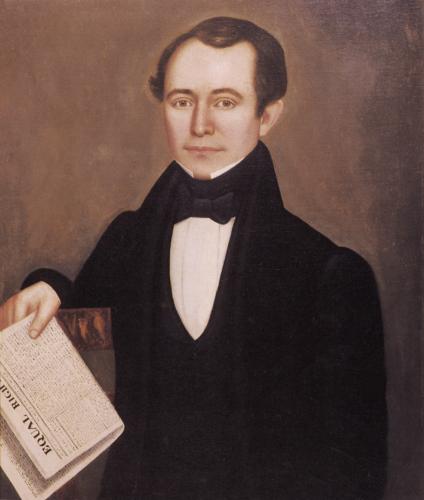
    William Leggett. By: Erastus Salisbury Field.

    With the emergence of the Democrats and the Whigs as the two main political parties in the late 1830s and early 1840s, this fostered significant tension on the issue of slavery.

    (more…)

  • The Aftermath of the Panics

    rmth-standingright
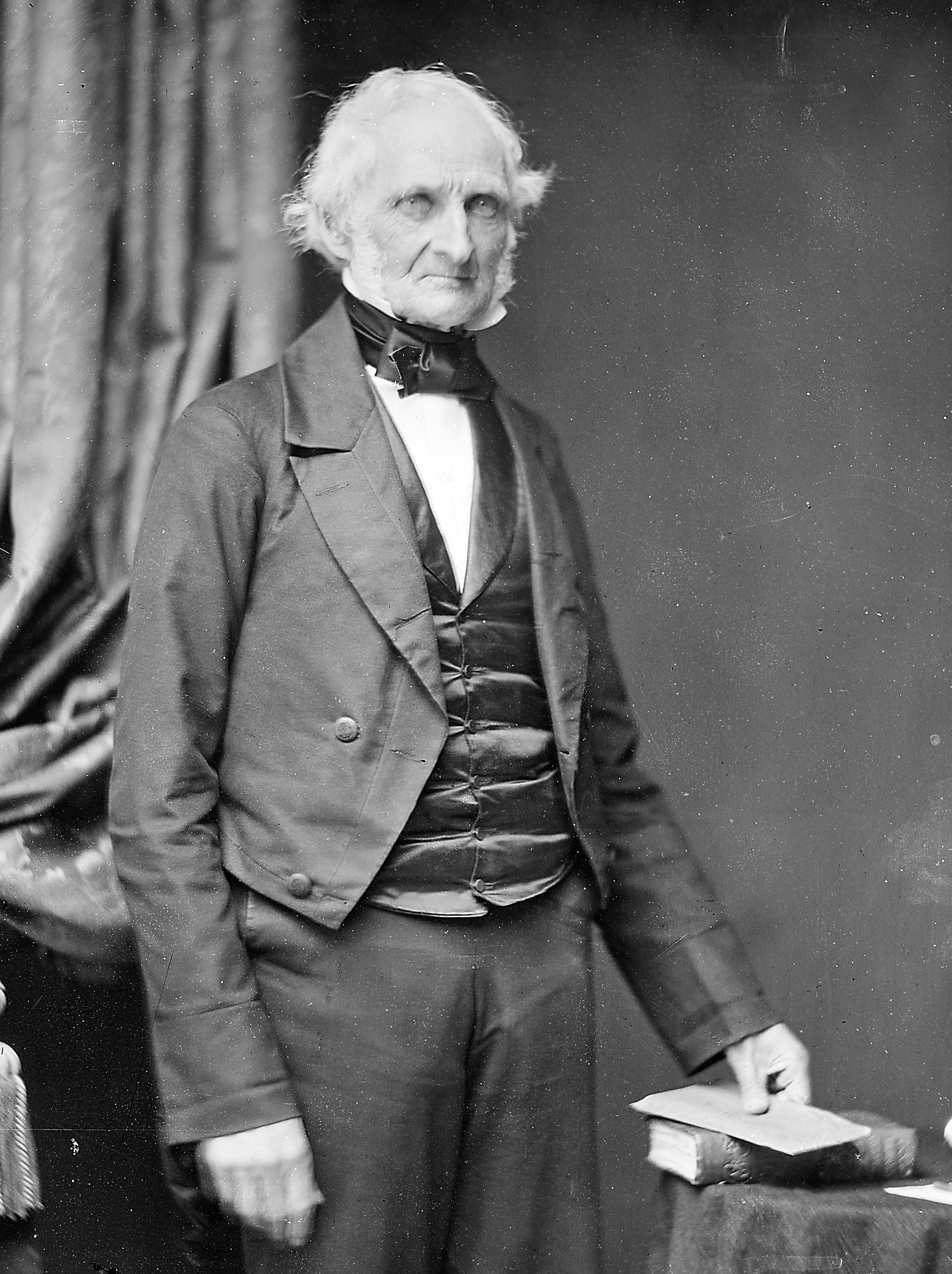
    Robert M.T. Hunter, Speaker of the House.

    Amidst the Panics of 1837 and 1839, the Whigs enjoyed significant gains in Congress, which led to Robert M.T. Hunter, a pro-states’ rights southerner, becoming Speaker of the House. Daniel Walker Howe, What Hath God Wrought: Transformation of America, 1815-1848, 506. Further, besides the changing composition of Congress, the federal government’s policies would change, as a result of the Panics.

    (more…)

  • The Panic of 1839

    martinvanburen
    Martin Van Buren.

    Not long after the Panic of 1837 had set in and gripped America’s economy, a second shock came: the Panic of 1839.

    (more…)

  • The Panic of 1837

    1724403_orig
    A Political Cartoon About the Panic of 1837.

    In Martin Van Buren’s inaugural address, in March of 1837, he boasted of the prosperity and expansion of commerce that had occurred under his predecessor, Andrew Jackson. Just months later, the Panic of 1837 would begin. Daniel Walker Howe, What Hath God Wrought: Transformation of America, 1815-1848, 502.

    (more…)

  • Patronage and Prosperity

    amos_kendall_by_mathew_brady
    Photograph of Amos Kendall.

    Amos Kendall was a journalist and a staunch supporter of President Andrew Jackson. In return for his support, he was one of President Jackson’s closest advisors, save Martin Van Buren. Kendall even “formulated the rationale for the spoils system as ‘rotation in office’ and ghostwrote the Bank Veto Message as well as several of Jackson’s other major state papers.” Daniel Walker Howe, What Hath God Wrought: Transformation of America, 1815-1848, 495.

    (more…)

  • Voting in the Early 1800s

    passion194
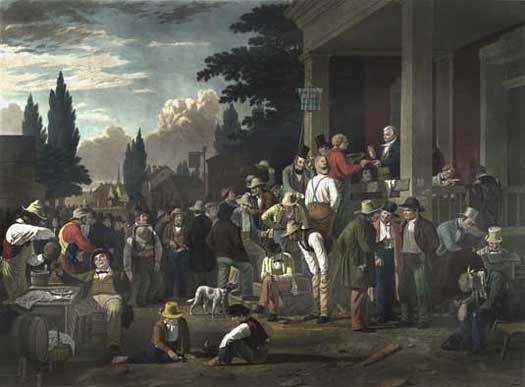
    Depiction of Voting in the Early 1800s.

    In the early 1800s, an American polling place “displayed many of the worst features of all-male society: rowdy behavior, heavy drinking, coarse language, and occasional violence.” Daniel Walker Howe, What Hath God Wrought: Transformation of America, 1815-1848, 491.

    (more…)