
Following the War of 1812, enfranchisement broadened in American society considerably.
Following the War of 1812, enfranchisement broadened in American society considerably.

From the War of 1812 on, for the next few decades, the use of militias would become less and less prominent in America.

Toward the end of President Andrew Jackson’s second term, the federal government had come to enjoy a substantial surplus, primarily coming as a result of land sales and “proceeds from the Tariff 0f 1833.” Daniel Walker Howe, What Hath God Wrought: Transformation of America, 1815-1848, 499.
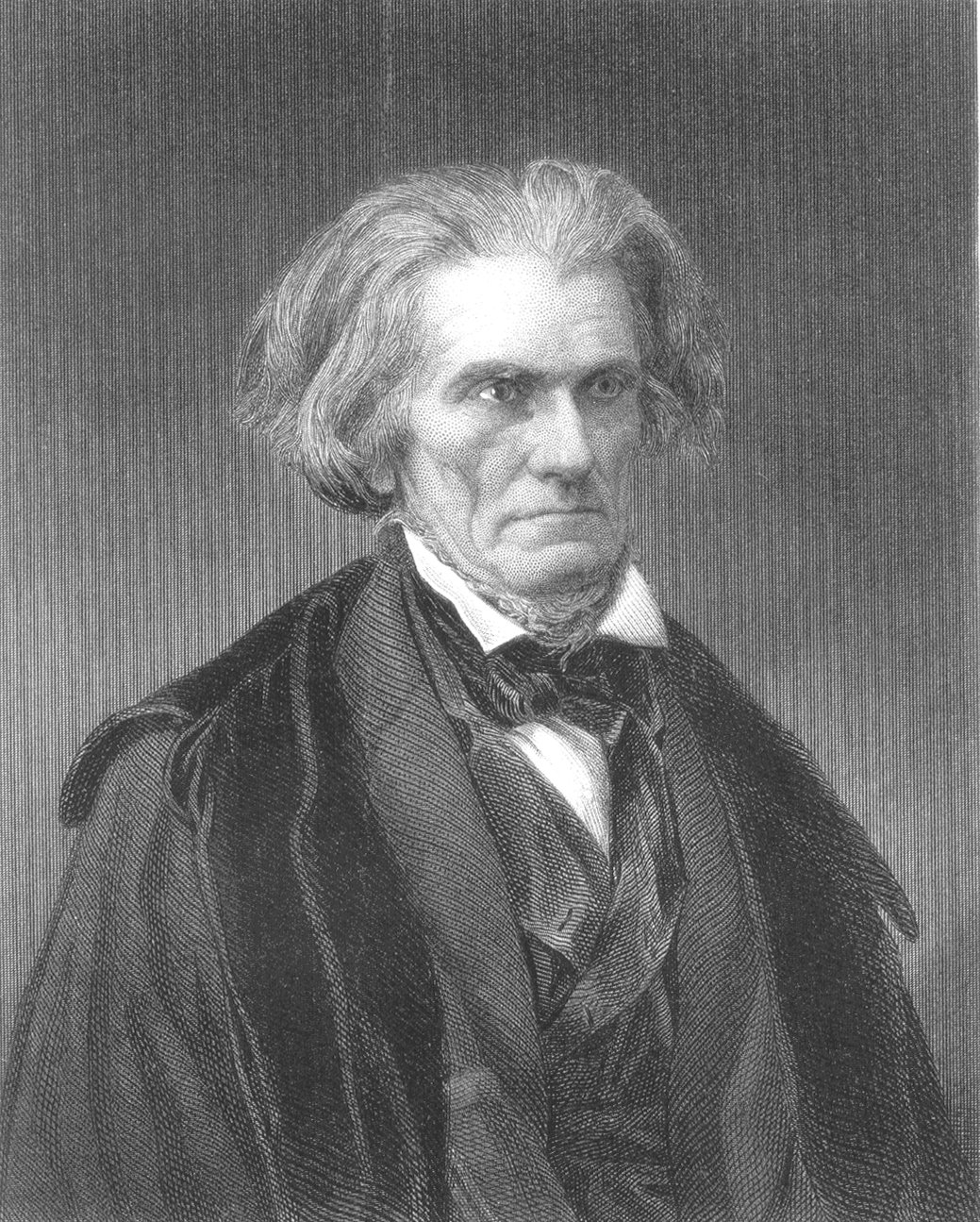
John Calhoun, one of the staunchest supporters of states’ rights, was widely known for his view that slavery as a “positive good” in American society.

With the communications and transportation revolution came new, unforeseeable consequences. One such consequence was the spread of cholera and other contagious diseases, which would test the mettle of Americans.
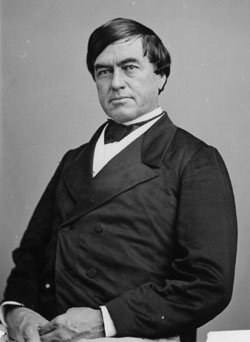
In America, slavery was not always an issue that could be separated by the North and the South.

In the early 1800s, America was expanding in many ways. Part of that expansion was the education of Americans both in the classroom and otherwise.
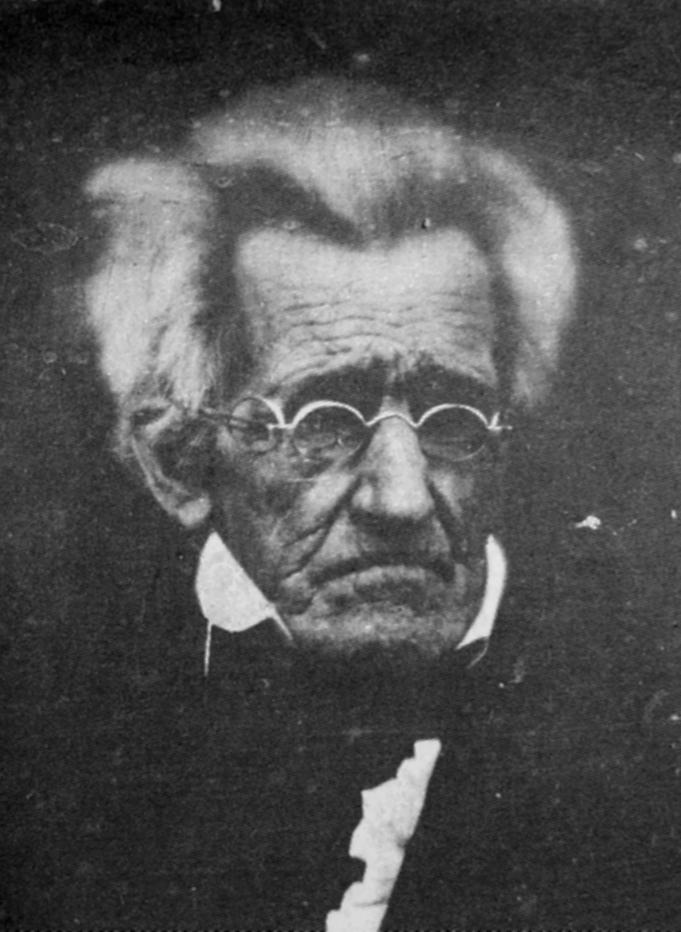
President Andrew Jackson, with his term coming to an end, commissioned the Chief Justice of the Supreme Court, Roger Taney, to write his farewell address. This was his imitation of George Washington, who had started the tradition of the farewell address. See Daniel Walker Howe, What Hath God Wrought: Transformation of America, 1815-1848, 500.

Martin Van Buren, President Andrew Jackson’s hand-picked heir, would carry out many of Jackson’s policies, such as the removal of the Native Americans westward, as he was elected in the election of 1836. President Jackson also fundamentally changed the nature of the presidency.

Education was not always such a prominent issue in every state and every American community in the way that modern Americans experience. Horace Mann, who was secretary of the Massachusetts State Board of Education in 1837, ensured that all schools would have in common: “tuition-free, tax-supported, meeting statewide standards of curriculum, textbooks, and facilities, staffed with teachers who had been trained in state normal schools, modeled on the French école normale.” Daniel Walker Howe, What Hath God Wrought: Transformation of America, 1815-1848, 453.
 Last Best Hope of Earth