
The social structure of America was being turned upside down during the Revolution. As James Otis warned in 1776: “When the pot boils, the scum will rise.” John Eliot to Jeremy Belknap, Jan. 12, 1777, Belknap Papers, 104.
The social structure of America was being turned upside down during the Revolution. As James Otis warned in 1776: “When the pot boils, the scum will rise.” John Eliot to Jeremy Belknap, Jan. 12, 1777, Belknap Papers, 104.

The culmination of beliefs and events that led to the drafting of the Constitution were varied but also generally in agreement about the necessity of having the Constitution.
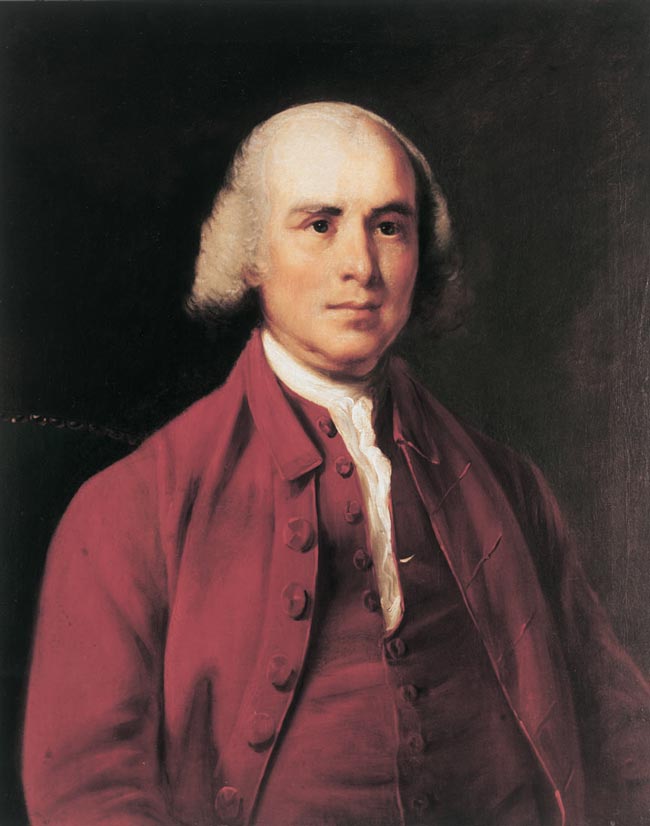
James Madison had extensive beliefs about the structure of American government and the sustainability of the system.

By 1787, the strength and stability of the states was under scrutiny. Shays’ Rebellion had erupted, citizens had become more licentious, and state legislatures appeared to be running rampant, doing significant damage to the health of the country as a whole. See Gordon Wood, The Creation of the American Republic: 1776-1787, 465.

While during the American Revolution, the judiciary was mostly forgotten, in the interest of controlling gubernatorial power by empower legislatures, that began to change during the 1780s.
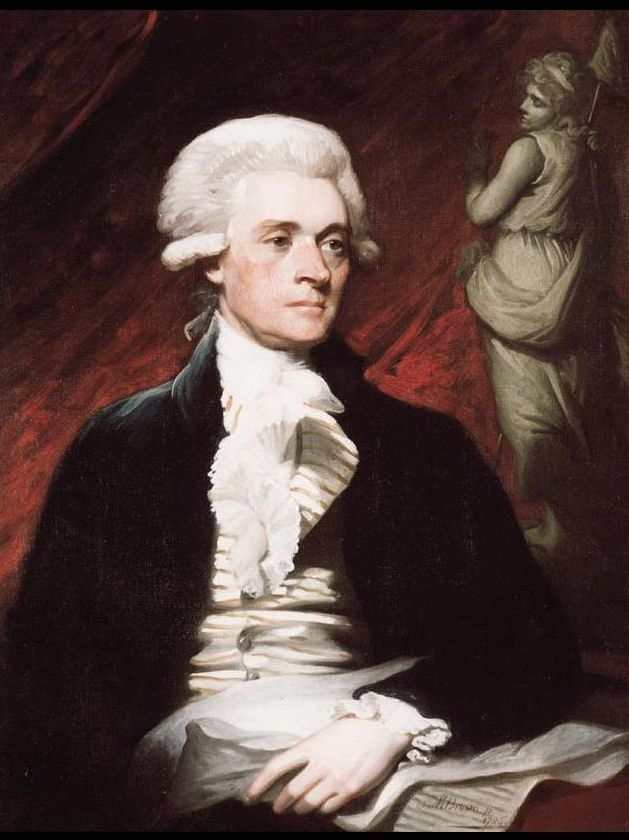
In the 1780s, there began to be a distinct erosion of the doctrine of separation of powers.
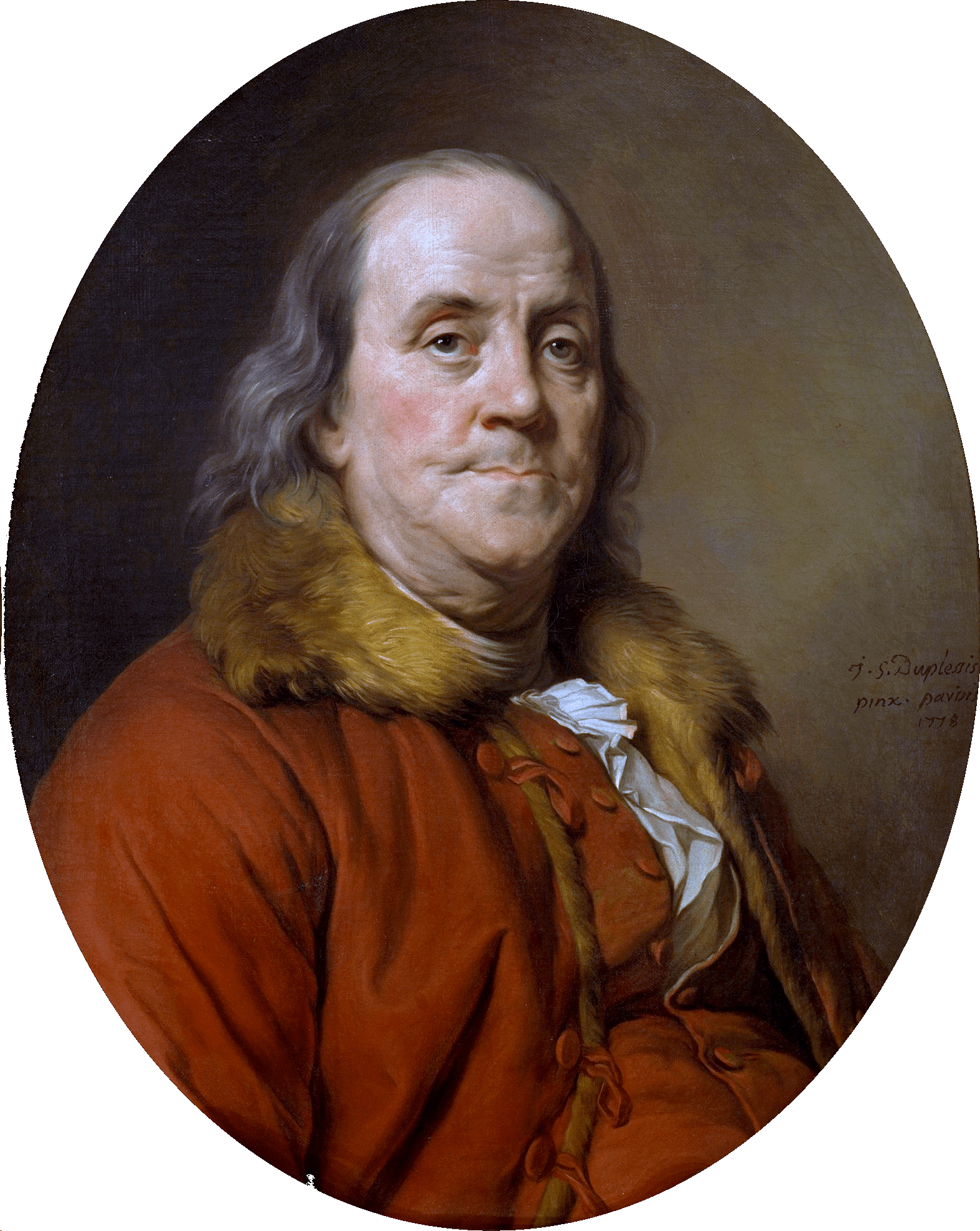
Americans’ political beliefs were rapidly changing as the American Revolution progressed into the early years of the Republic. In fact, those beliefs were “constantly in flux, continually adapting and adjusting to ever-shifting political and social circumstances.” Gordon Wood, The Creation of the American Republic: 1776-1787, 438.
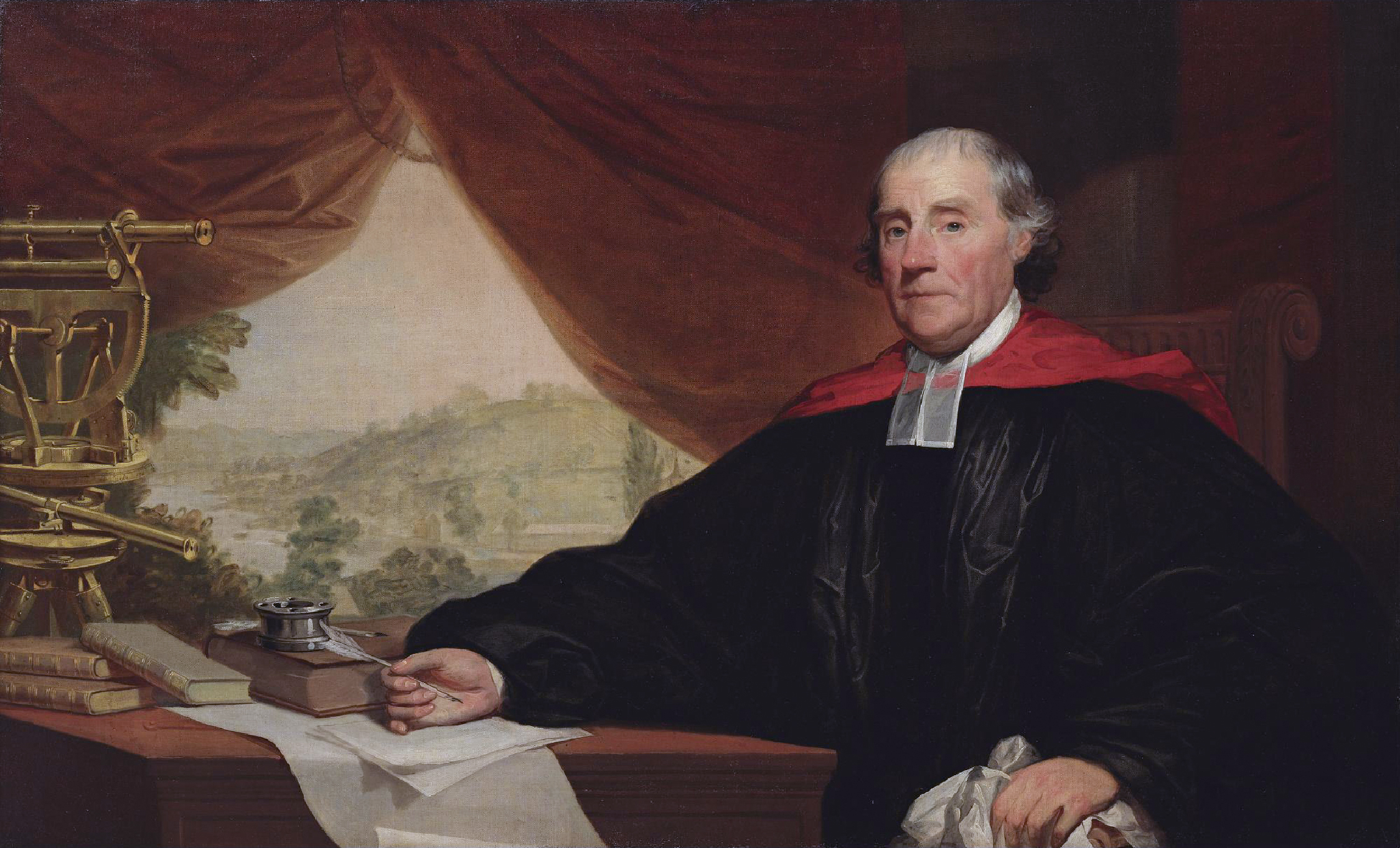
In Pennsylvania, extraordinary events were transpiring that would shape how people expressed their will. William Smith (“Cato”) and a group of individuals, led by James Cannon (“Cassandra”) in 1776, debated the issue of how institutions should reflect the people’s will, given the Radical Political Experiment unfolding in Pennsylvania.

Prior to the American Revolution, the colonists had become familiar with the concept of charters. Charters, whether royal, corporate, or proprietary, operated “as the evidence of a compact between an English King and the American subjects.” Gordon Wood, The Creation of the American Republic: 1776-1787, 268; see also Leonard Krieger, The Politics of Discretion: Pufendorf and the Acceptance of Natural Law (Chicago, 1965), 121.

While an upper house of state legislatures was desirable to some, as explained in The Birth of the Senate, it also had its detractors. Those detractors argued that it was a mere redundancy, wholly irrelevant to the founding of a stable government. In taking that position, the detractors ignored many of the benefits of having a second house in the legislature.
 Last Best Hope of Earth