Tag: Abolition

  • Bleeding Kansas

    6615782369_473115a671_o
    Tallgrass Prairie, Kansas.

    After the passage of the Kansas-Nebraska Act, William Seward proclaimed to the Senate that “[w]e will engage in competition for the virgin soil of Kansas, and God give the victory to the side which is stronger in numbers as it is in right.” Congressional Globe, 33 Cong., 1 sess., appendix, 769. Rather than settling the issue of slavery in Kansas, the Act made Kansas the figurative and literal battleground for the issue of slavery.
    (more…)

  • The Election of 1852

    george_p-a-_healy_-_franklin_pierce_-_google_art_project
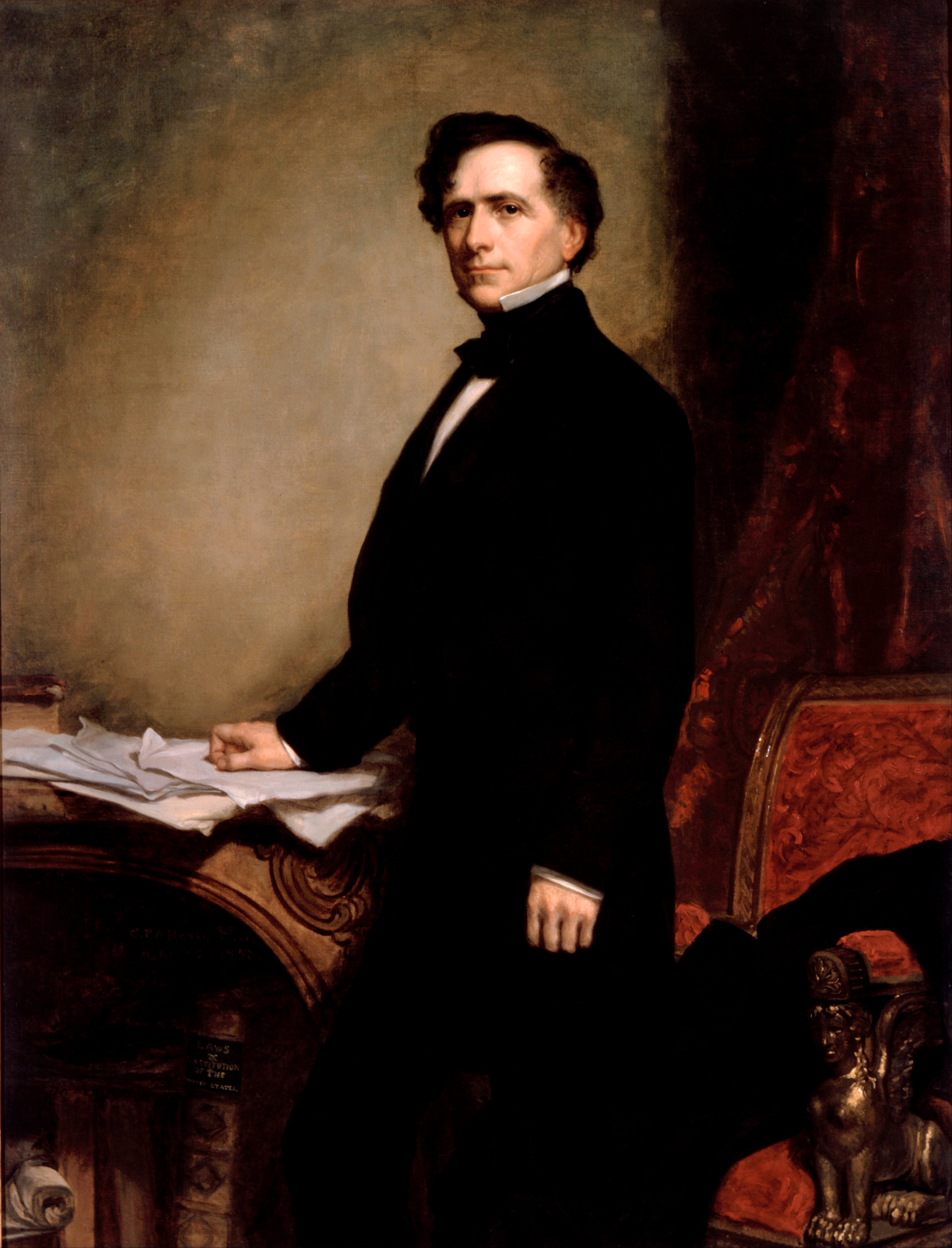
    President Franklin Pierce. By: George P.A. Healy.

    With the first term of Millard Fillmore’s presidency winding down in 1852, the Democrats felt a sense of momentum that they could reclaim the White House. In the midterm elections of 1850, the Democrats secured 140 of the 233 seats in the House of Representatives, eclipsing the Whig Party. See David Potter, The Impending Crisis: America Before the Civil War, 1848-1861, 141.

    (more…)

  • The Fugitive Slave

    john_houstin_hires
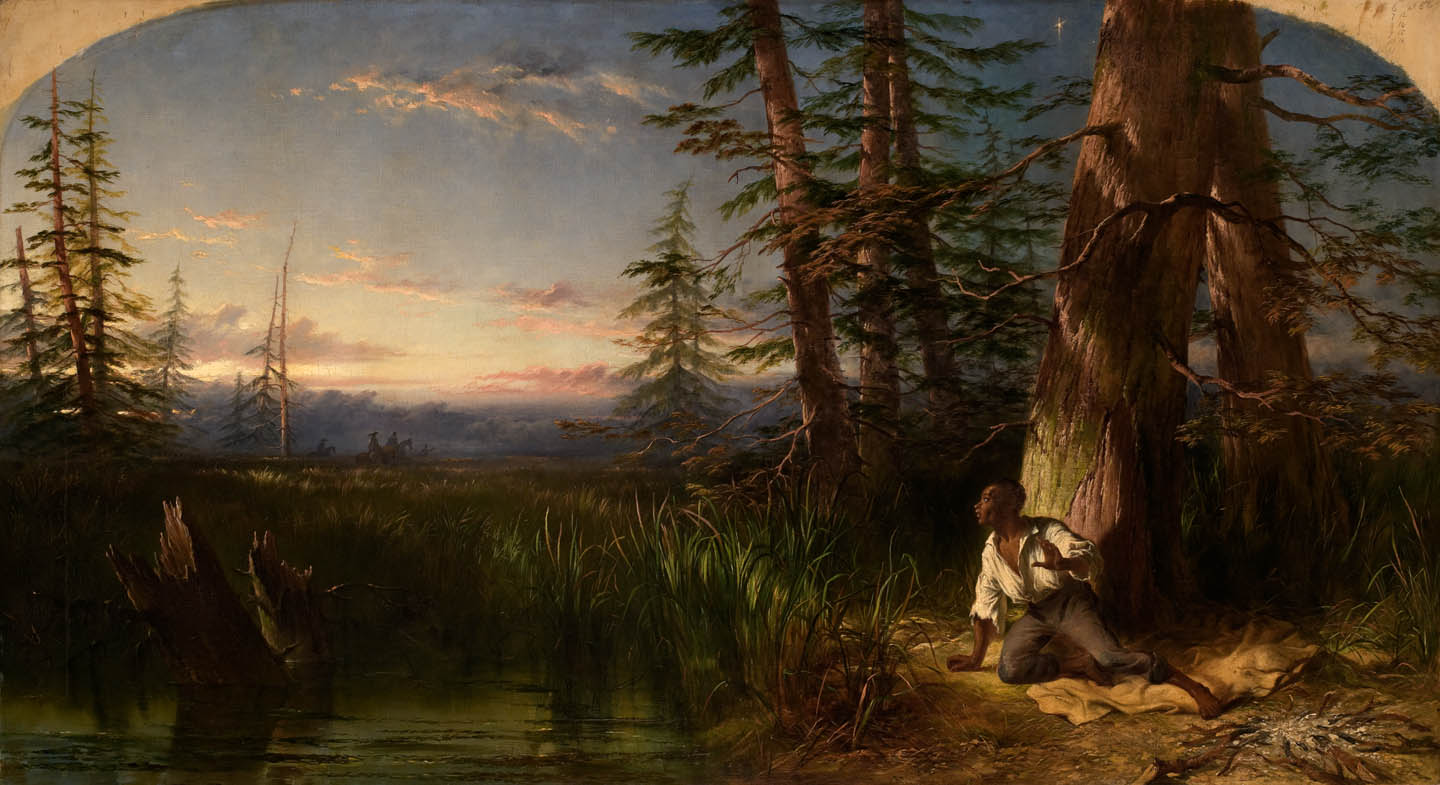
    The Fugitive Slave. By: John Houston. 1853.

    The Fugitive Slave Act, passed as part of the Compromise of 1850, was intended to resolve the tension surrounding the issue of slavery. Its provisions, however, ensured that it would not have such an alleviating effect.¹ The Act “denied the alleged fugitive any right to jury trial, not even guaranteeing it in the jurisdiction from which he had escaped.” David Potter, The Impending Crisis: America Before the Civil War, 1848-1861, 131. It also allowed a court to appoint a commissioner to decide a fugitive slave’s case. See id. That commissioner was entitled to a $10 fee where the “alleged fugitive was delivered to the claimant,” but if the slave was set free, the commissioner would receive only a $5 fee, creating an incentive for returning fugitives to slavery. Id. Finally, the Act gave federal marshals the power “to summon all citizens to aid in enforcement of the Act.” Id. citing Stanley W. Campbell, The Slave Catchers: Enforcement of the Fugitive Slave Law, 1850-1860 (Chapel Hill, 1968). (more…)

  • The Role of Slavery in Splitting America

    underground_railroad
    The Underground Railroad. By: Charles T. Webber.

    Since the outbreak of the Civil War and continuing to the present day, the role of slavery in splitting America has been hotly debated. One may wonder whether there was merely a correlation between slavery and the Civil War or whether slavery was the cause. Investigating the nuances of the issue of slavery reveals that the Civil War resulted from sectionalism and slavery, which were practically synonymous.

    (more…)

  • The Annexation of Texas

    john-tyler
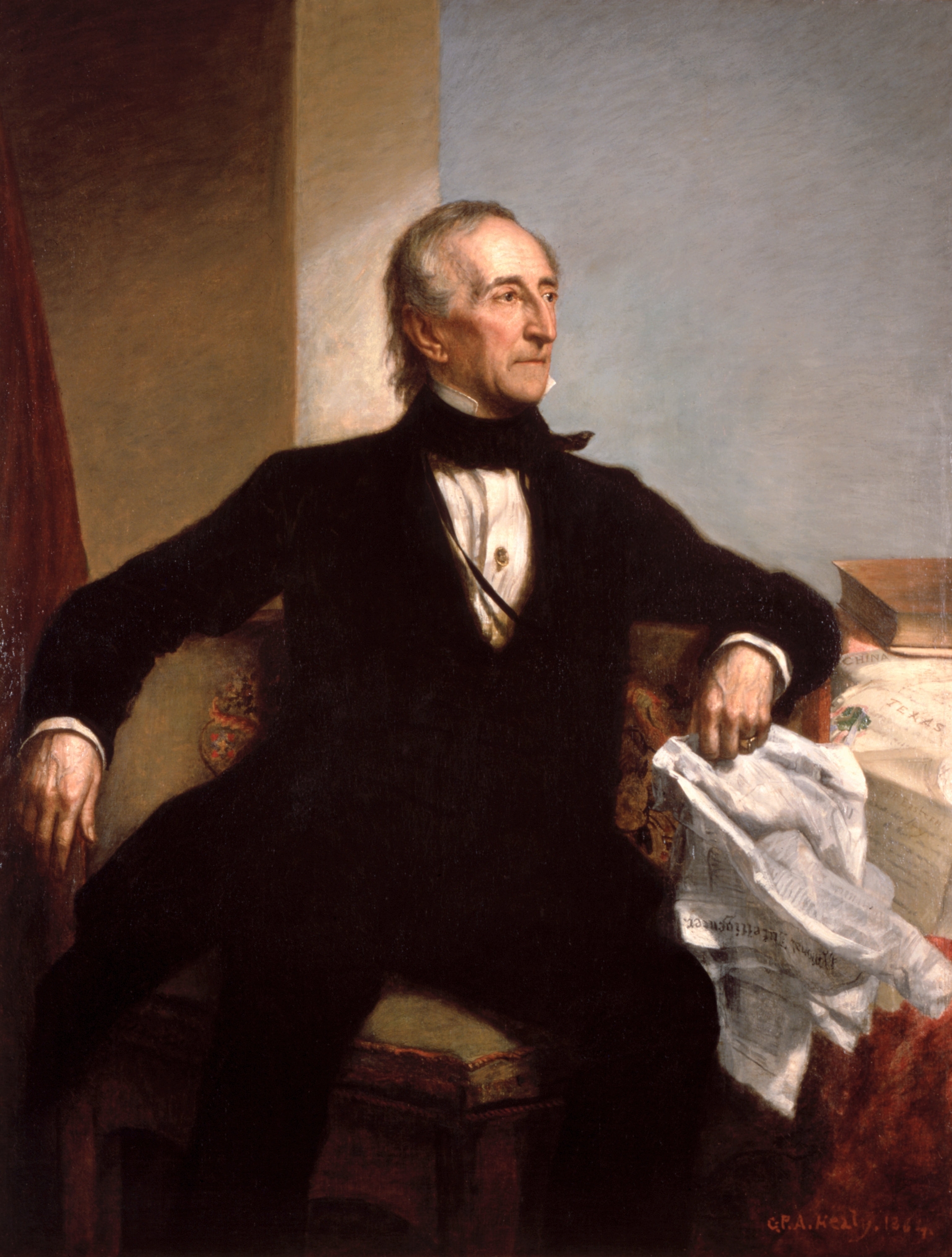
    President John Tyler.

    President John Tyler sought to achieve much success in foreign affairs during his presidency, and part of that success, he imagined, would be accomplished through expansion of the country. See Daniel Walker Howe, What Hath God Wrought: Transformation of America, 1815-1848, 677. The annexation of the Republic of Texas to be the 28th state in the Union was to be his goal.

    (more…)

  • The Genesis of the Underground Railroad

    daguerreotype_of_joseph_story_1844_edit
    Justice Joseph Story.

    Justice Joseph Story wrote a decision in Prigg v. Pennsylvania that would put the United States Supreme Court in a possession of relieving northern state officials of responsibility “for returning fugitive slaves, and increasingly northern state legislatures instructed them to do so.” Daniel Walker Howe, What Hath God Wrought: Transformation of America, 1815-1848, 654.

    (more…)

  • The Censure of John Quincy Adams

    220px-john_quincy_adams
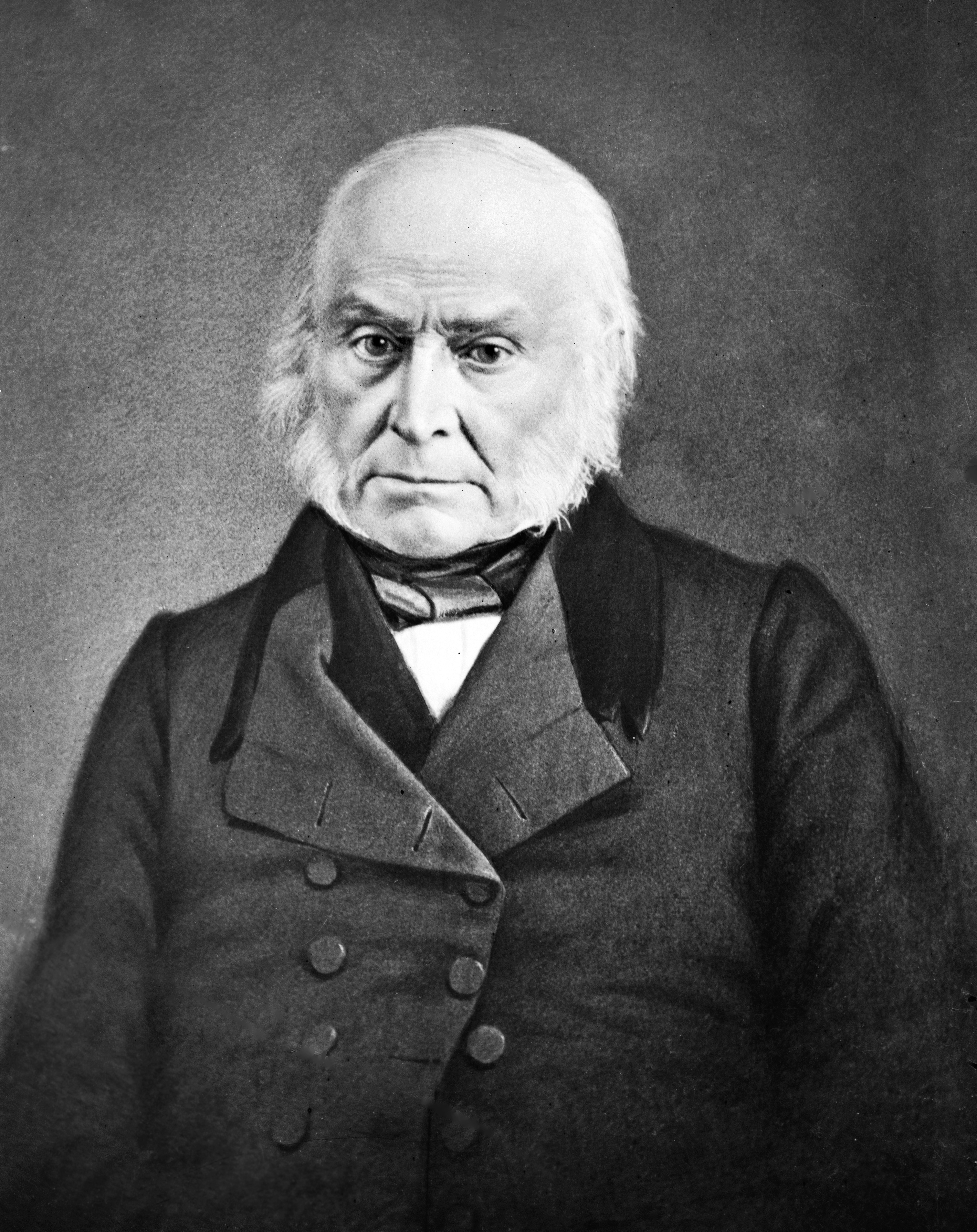
    John Quincy Adams.

    In 1842, John Quincy Adams presented to the House of Representatives a petition from 42 residents of Haverhill, Massachusetts, requesting that the Union be dissolved. Daniel Walker Howe, What Hath God Wrought: Transformation of America, 1815-1848, 610. Henry Wise, Congressman from Virginia, “demanded the former president be censured.” Id.

    (more…)

  • The Darkest Spot on the American Mantle

    clay
    Henry Clay. By: Henry F. Darby.

    In 1832, Henry Clay addressed the Senate, expressing his hope that “some day,” America “would be rid of this, the darkest spot on its mantle,” speaking of slavery. Daniel Walker Howe, What Hath God Wrought: Transformation of America, 1815-1848, 586 quoting Life, Correspondence, and Speeches of Henry Clay, ed. Calvin Colton (New York, 1857), I, 189, 191.

    (more…)

  • The Master of Parliamentary Procedure

    john_q-_adams
    John Quincy Adams.

    The United States Congress was not above adopting its own rules that would silence abolitionist views. While mass mailings to southerners became a regular occurrence for abolitionists, creating significant tension between proslavery and anti-slavery factions, those had occurred outside the purview of government. The House of Representatives, when it used a gag rule to prevent discussion of petitions relating to abolition, was striking a blow to abolitionists all over the country.

    (more…)

  • Jackson’s Farewell

    78yo_andrew_jackson
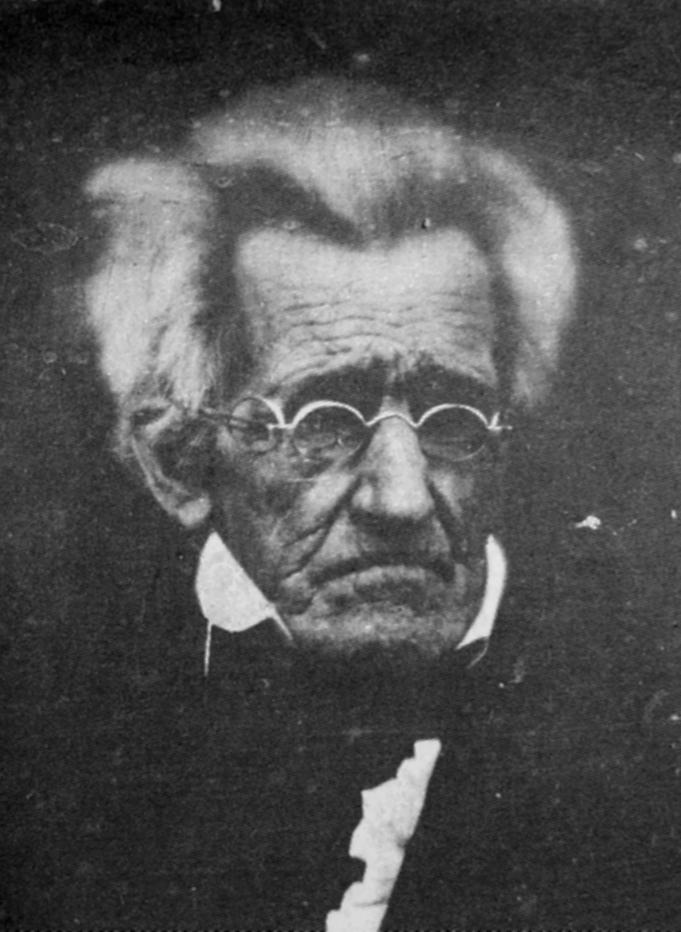
    Andrew Jackson.

    President Andrew Jackson, with his term coming to an end, commissioned the Chief Justice of the Supreme Court, Roger Taney, to write his farewell address. This was his imitation of George Washington, who had started the tradition of the farewell address. See Daniel Walker Howe, What Hath God Wrought: Transformation of America, 1815-1848, 500.

    (more…)