
Wars are waged by young men on battlefields. But, before that, they get trained up in camps; and before that, they were somewhere else, doing something else: perhaps working, helping their families, or being educated. It is one of the many cruelties of war that those men must pause their lives, and all their activities, to go fight and perhaps never resume them—for they may not return or, even if they do, they may return with no semblance of the youth and innocence they once had. And yet, despite this cruelty, there are seemingly countless instances of it.
(more…)Tag: Abraham Lincoln
-
The Civil War: Jefferson Davis: Message to the Confederate Congress
April 29, 1861
With only a few weeks at the helm of the Confederate government, president Jefferson Davis and the Confederate Congress had cause for concern—but also cause for inspiration. The whole of the South (and the whole of the North) was animated: men and women were mobilizing; making their preparations to contribute to the cause they dearly held. For his message to Congress, Davis—as ever—explained why the Confederate cause was just and good; why legally and historically it was correct and noble; and why it must continue its fight for independence.
(more…) -
The Civil War: Henry Adams to Charles Francis Adams Jr.
January 8, 1861
A few weeks after Henry Adams wrote to his brother Charles Francis Adams Jr. about the scenes playing out post-election in Washington, D.C., he wrote again—this time about the potential for warfare to soon begin.
(more…) -
The Civil War: Catherine Edmondston: Diary, December 27, 1860
December 27, 1860
Catherine Edmondston lived with her husband in North Carolina, and they operated a plantation there. During a visit to Aiken, South Carolina, to see her parents, she became a witness to the action surrounding South Carolina’s secession from the Union.
(more…) -
The Civil War: South Carolina Declaration of the Causes of Secession
December 24, 1860
On Christmas Eve, 1860, South Carolina announced that it would, indeed, be seceding from the Union and declared the many causes for taking this drastic step. On its face, this declaration would appear to articulate the reasons for secession and presumably would serve as part of the historical record—as an explanation of the secessionist’s cause. But, given the importance of the moment, perhaps this declaration would simply be a cloak—covering darker ambitions to continue to subjugate all other races to the white race with a veneer of nobly preserving states’ rights.
(more…) -
The Civil War: Memorandum Regarding Abraham Lincoln
December 22, 1860
Two days prior, South Carolina had decided to secede from the Union with a 169-0 vote. The day after that vote, the New York Times reported that President James Buchanan had ordered Major Robert Anderson to surrender Fort Moultrie in Charleston harbor, if attacked. The report was not entirely correct, however: Buchanan’s Secretary of War, John Floyd, had instructed Anderson to “exercise a sound military discretion” if attacked and to avoid “a vain and useless sacrifice” of life “upon a mere point of honor.”
(more…) -

The Civil War: Henry Adams to Charles Francis Adams Jr.
December 18, 1860
Washington, D.C., as ever, was the site of negotiations that would change the direction of the country. A month after Abraham Lincoln’s victory in the election of 1860, the national dialogue was rife with talk of secession. However, there had not yet been any state that had made good on its threats and seceded. There was even talk of ratifying an amendment to the Constitution that would protect the institution of slavery—but it would not amount to anything more than talk.
(more…) -
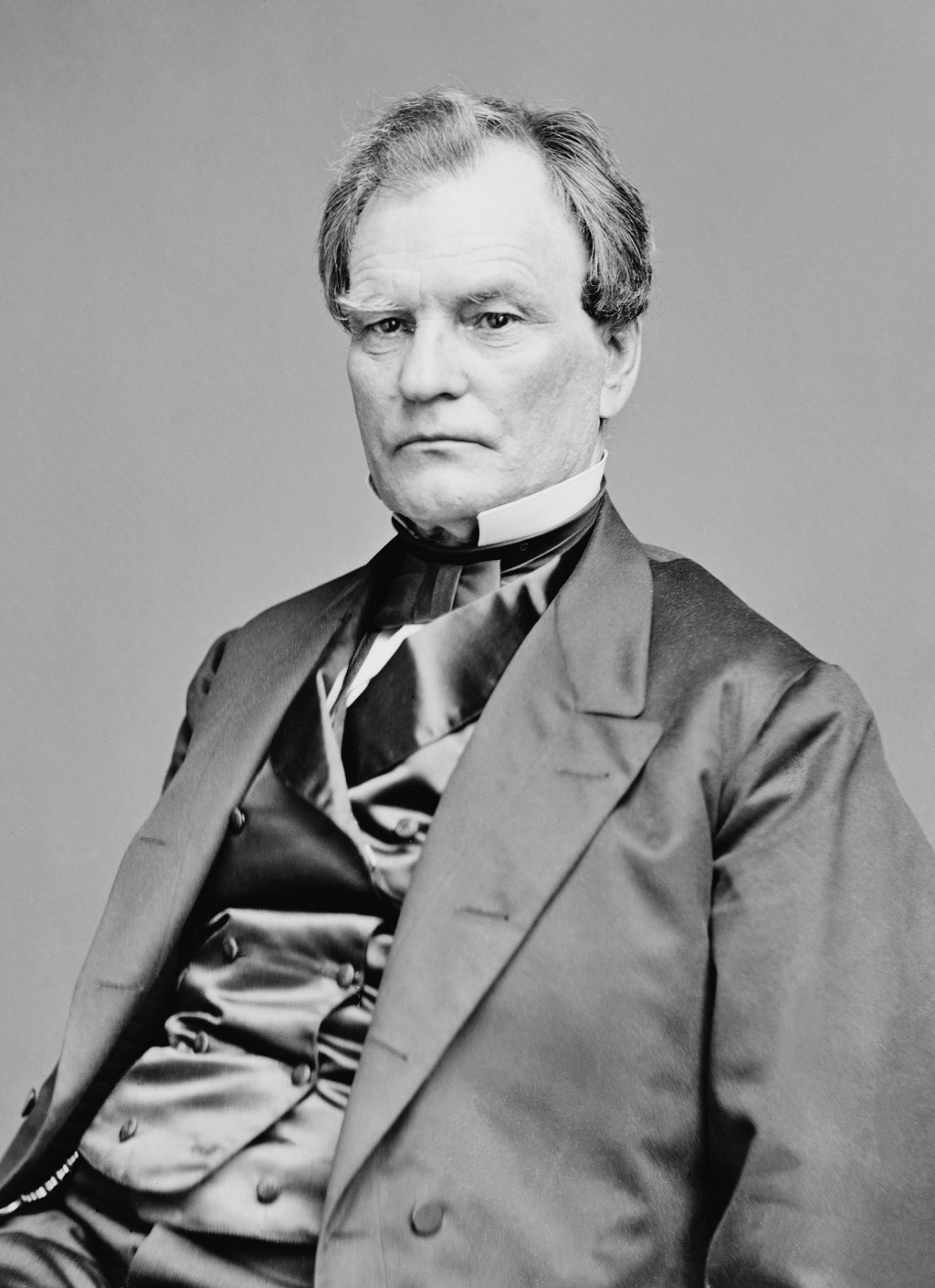
The Civil War: Benjamin F. Wade: Remarks in the U.S. Senate
December 17, 1860
Benjamin Wade, a Republican Senator from Ohio, rose to speak in the Senate. There were murmurs abound of averting the crisis—of stopping states from seceding from the Union. Some talked of forming a committee to explore the potential for a compromise between northern and southern states, even though no one knew what contours such a compromise could take. After all, for decades, Congress had been encapsulating compromises into bills, presidents had been signing those bills into law, and none of the laws resolved the tensions between the states.
(more…) -
The Civil War: Abraham Lincoln to John A. Gilmer
Springfield, Illinois
December 15, 1860
The outgoing president, James Buchanan, had delivered his lukewarm message of unity to the country. South Carolina wasn’t swayed; she continued her efforts to secede. The incoming president, Abraham Lincoln, had the opportunity to send to the country his own statement. Perhaps he still could save the Union without a war.
(more…) -

The Civil War: James Buchanan: From the Annual Message to Congress
December 3, 1860
Washington City
James Buchanan was never going to avert the Civil War. But in his annual message to Congress, after the election of 1860, he scarcely even tried. Whereas most outgoing presidents use their last days in power to begin shaping their legacy, reflect on their time at the helm, and share their unique perspective on the country—and on the world—Buchanan was not like most outgoing presidents.
(more…)
 Last Best Hope of Earth