The First Battle of Bull Run, which was fought near Manassas, Virginia, inaugurated the Eastern Theater of the Civil War. Weeks later, the first major battle of the Western Theater would occur on the banks of a creek in Missouri: Wilson’s Creek. The battle resulted in another Confederate victory and the first death of a Union general in the war. It also served as foreshadowing to the Confederacy; showing it that the Union was going to make a vigorous effort to prevent any other states from joining the Confederacy. (more…)
Tag: Abraham Lincoln
-

The Preparedness of the Union and Confederacy
At the outset of the Civil War, the discrepancies between the Union and Confederate armies were evident. Despite their differences in background and appearance, both sides were poised to not only revolutionize the American method of warfare but also to change life for civilians throughout the country. (more…)
-
The First Battle of Bull Run
Three months after the firing on Fort Sumter, the Confederacy and Union had produced armies capable of fighting and mobilized to northern Virginia; roughly halfway between Washington and Richmond. There, near a “sluggish, tree-choked river” known as Bull Run, the first major battle following the secession of the South would occur.[i] (more…)
-

On to Richmond
Although the Confederacy had awakened the North’s spirit by initiating hostilities at Fort Sumter, both sides could have still hoped for reconciliation. While some advocated for immediate peace, others wished for a full prosecution of war against the South, viewing its expanding secession as nothing short of treason. By the end of spring 1861, there was a decisive answer to the question of whether there would soon be peace. (more…)
-

The Awakened Giant
The news from Fort Sumter spread throughout the country, and its coming awakened a restless energy in the North. That energy ignited patriotism and a new sense of collectivism throughout northern cities and states that would lead to a then-unparalleled war effort directed against the Confederacy. (more…)
-

The Outbreak of the Civil War
Within a matter of weeks of Abraham Lincoln’s presidency beginning, the gravest crisis of perhaps any president confronted him and the nation: civil war. (more…)
-
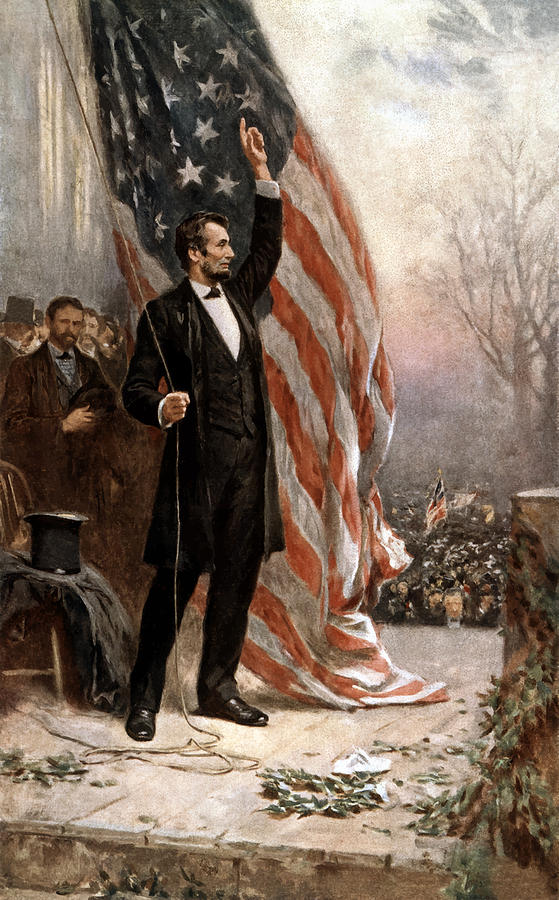
The Inauguration of Abraham Lincoln
From the time of the Election of 1860 to the beginning of Abraham Lincoln’s presidency, there was uncertainty as to how Lincoln and his administration would handle the growing Confederacy and existential crisis facing the country. (more…)
-
The Civil War: An Introduction
Few events in American history rival the magnitude and luridness of the Civil War, with its seemingly innumerable tales of sacrifice and Shakespearean drama. Each generation, from the War’s conclusion in 1865 to present, has taken up the task of dissecting and analyzing its causes and effects to discern its many lessons and to engage in a great deal of introspection as to the meaning of the War and being an American citizen. The War’s impact on American life continues to the present day. Its impact just after the midpoint of the 19th Century could hardly be overstated: if the Revolutionary War secured the existence of the states and if the War of 1812 created a sense of nationalism amongst the inhabitants of those states, the Civil War represented the fragility and value of the national union that the various states formed. (more…)
-
The North’s Attempt at Salvation
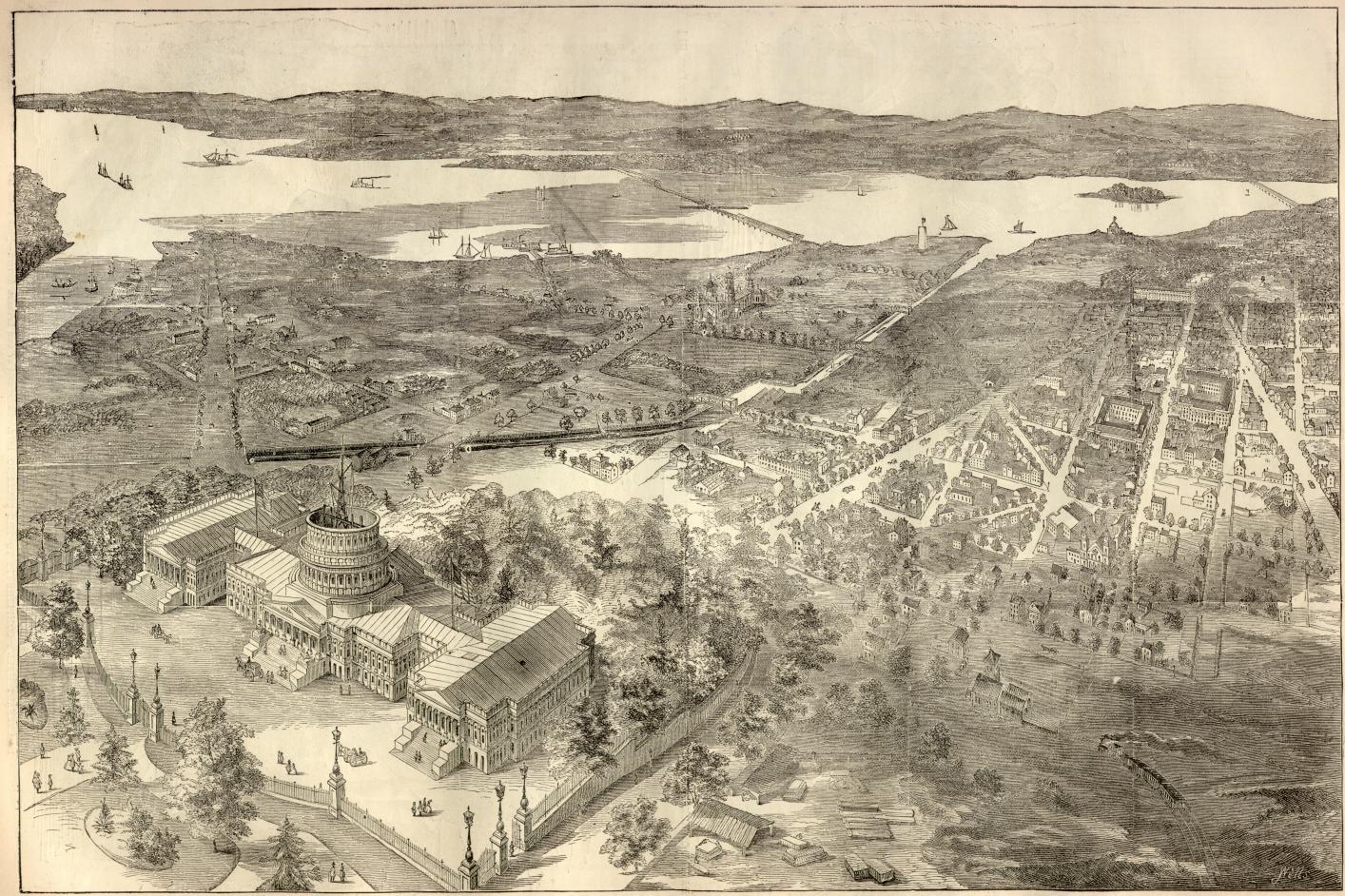
Aerial Perspective of Washington DC in 1861. The Deep South’s animating of a Second American Revolution, by seceding from the Union and laying the foundation for an operational Confederate government, forced the North to either suppress the South’s uprising or craft a resolution. The likelihood of war would deter any widespread northern suppression, leaving the question: What compromise could the North propose that appeased the South and put both sections of the country on a path of coexistence? While variations of this question had been posed in the years leading up to 1860, at no prior point were states seceding from the Union en masse to form a rival government. (more…)
-
The Secession of the Deep South
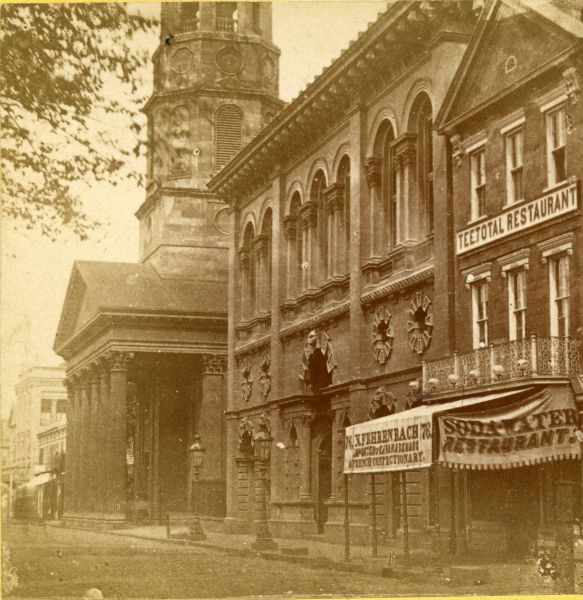
Secession Hall in Charleston, South Carolina. Credit: The Civil War Trust. In the wake of the disconcerting result of the Election of 1860, the nature of southern secessionism suggested the imminent secession of at least some southern states from the Union. The timing and execution of states actually seceding from the Union was unclear, but the Deep South was prepared to act first. (more…)
 Last Best Hope of Earth