Tag: American Revolution

  • A Compound of Aristocracy and Monarchy

    jonathan_jackson_delegate
    Etching of Jonathan Jackson. By: Max Rosenthal.

    In the 1780s, Americans, like John Dickinson, observed that “[p]eople once respected their governors, their senators, their judges and their clergy; they reposed confidence in them; their laws were obeyed, and the states were happy in tranquility.” Dickinson, Letters of Fabius, Ford, ed., Pamphlets, 188. The authority of the government was declining. Gordon Wood, The Creation of the American Republic: 1776-1787, 507. (more…)

  • The Social Debate

    melancton-smith-1744-1798-granger
    Melancton Smith. By: Granger.

    The debate surrounding the Constitution was as much a political and governmental debate as it was a social debate. The individuals who debated the Constitution, both for and against the Constitution, focused on the social aspect, making the disagreement “fundamentally one between aristocracy and democracy.” Gordon Wood, The Creation of the American Republic: 1776-1787, 485. (more…)

  • Storms of Sedition

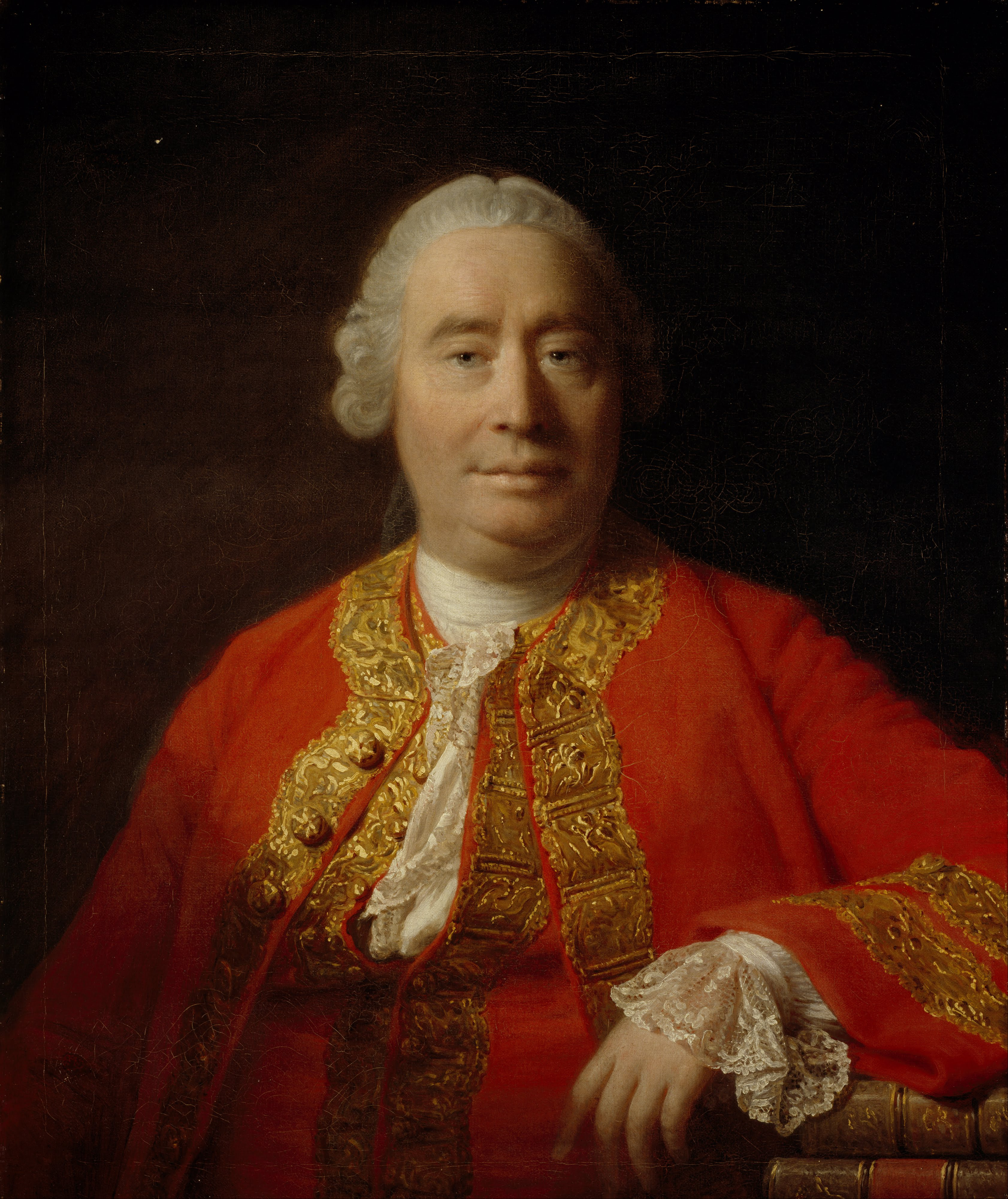
    allan_ramsay_-_david_hume_1711_-_1776-_historian_and_philosopher_-_google_art_project
    David Hume. By: Allan Ramsay. 1766.

    Because the American Revolution was leading to a breakdown of the traditional social distinctions of the Eighteenth Century, groups of individuals were becoming increasingly empowered. Groups, based on “social, economic, and religious interests” were emerging. Gordon Wood, The Creation of the American Republic: 1776-1787, 501.

    (more…)

  • The Scum Will Rise

    jamesotisjr_by_blackbarn
    James Otis Jr. By: Joseph Blackburn.

    The social structure of America was being turned upside down during the Revolution. As James Otis warned in 1776: “When the pot boils, the scum will rise.” John Eliot to Jeremy Belknap, Jan. 12, 1777, Belknap Papers, 104.

    (more…)

  • The Revolution’s Failure and Excesses

    port_dickinson-peale
    John Dickinson. By: Charles Willson Peale.

    The culmination of beliefs and events that led to the drafting of the Constitution were varied but also generally in agreement about the necessity of having the Constitution.

    (more…)

  • The Evil of Popular Despotism

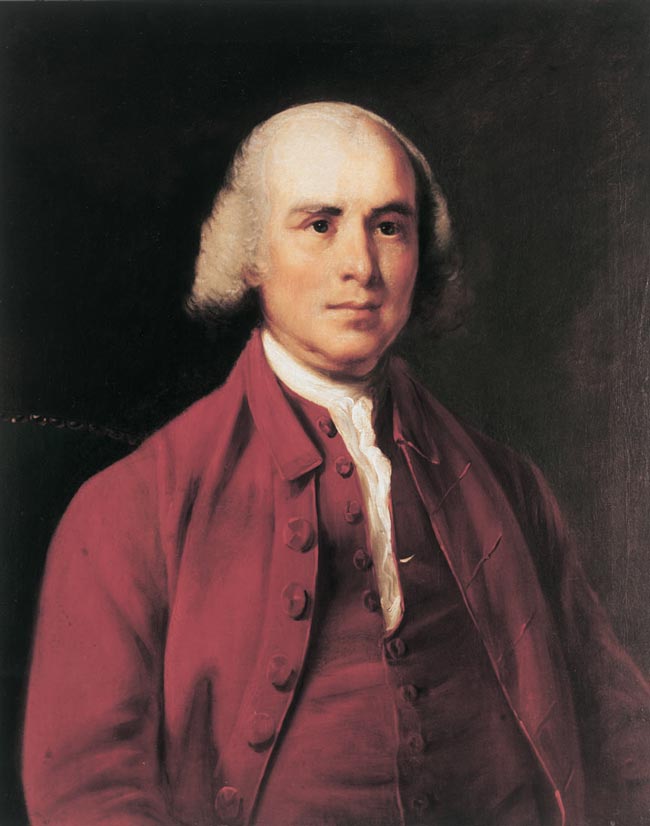
    james20madison2
    James Madison. By: H.B. Grigsby.

    James Madison had extensive beliefs about the structure of American government and the sustainability of the system.

    (more…)

  • The Inadequacy of the Confederation

    jj-1958-306-pub-001-606x750
    John Jay. By: John Trumbull.

    By 1787, the strength and stability of the states was under scrutiny. Shays’ Rebellion had erupted, citizens had become more licentious, and state legislatures appeared to be running rampant, doing significant damage to the health of the country as a whole. See Gordon Wood, The Creation of the American Republic: 1776-1787, 465.

    (more…)

  • The Defense Against Encroachments

    large_bp29
    James Varnum. By: John Nelson Arnold.

    While during the American Revolution, the judiciary was mostly forgotten, in the interest of controlling gubernatorial power by empower legislatures, that began to change during the 1780s.

    (more…)

  • The Erosion of Separation of Powers

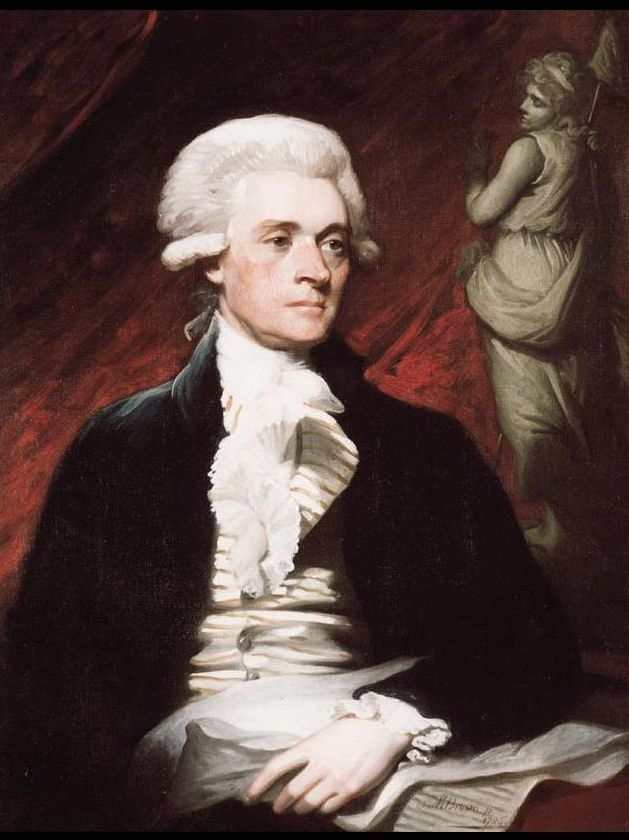
    thomas_jefferson_1786_by_mather_brown
    Thomas Jefferson. By: Mather Brown. 1786.

    In the 1780s, there began to be a distinct erosion of the doctrine of separation of powers.

    (more…)

  • Guarding Against an Evil

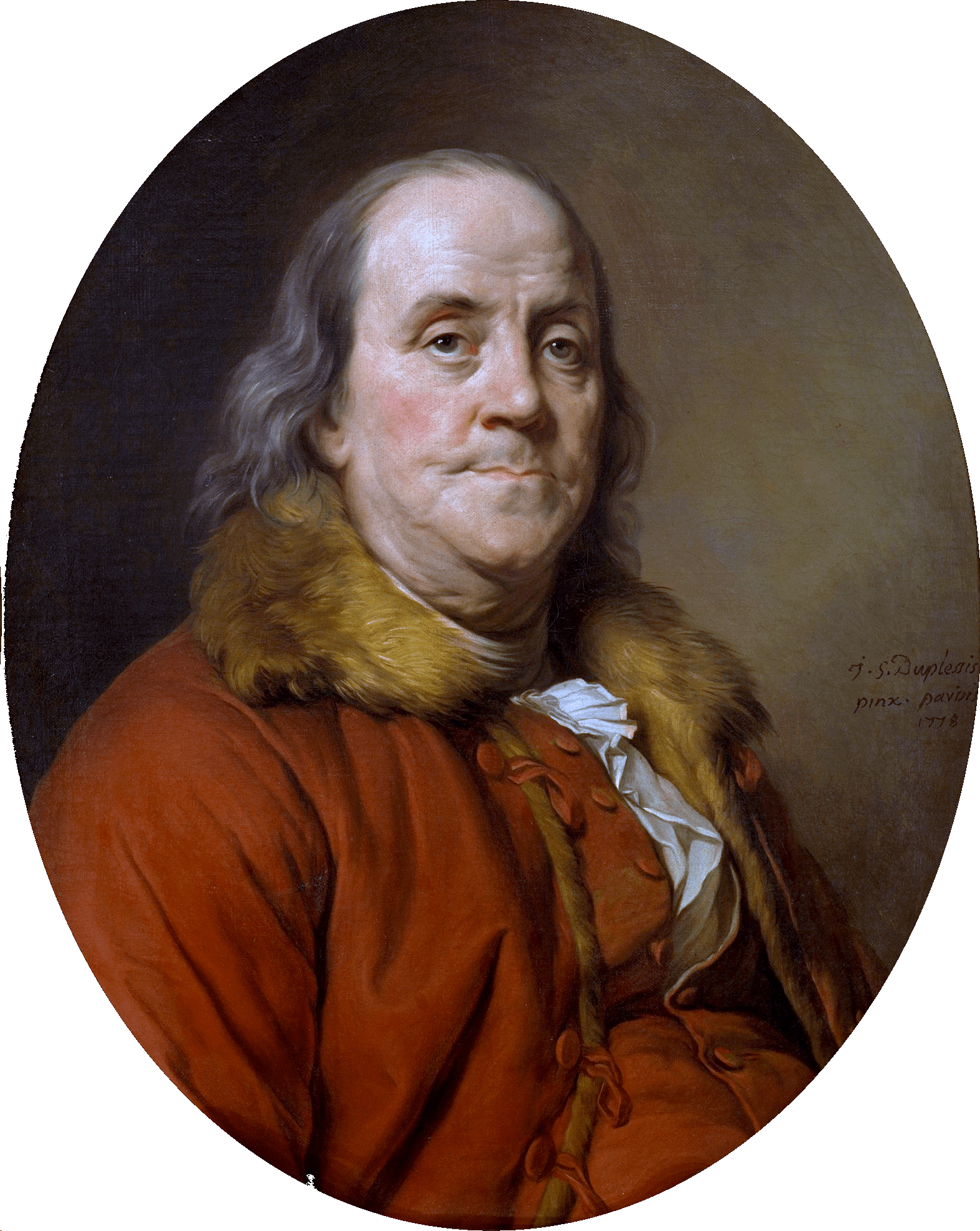
    benjamin_franklin
    Benjamin Franklin. By: Joseph Siffred Duplessis.

    Americans’ political beliefs were rapidly changing as the American Revolution progressed into the early years of the Republic. In fact, those beliefs were “constantly in flux, continually adapting and adjusting to ever-shifting political and social circumstances.” Gordon Wood, The Creation of the American Republic: 1776-1787, 438.

    (more…)