Tag: American Revolution

  • The Conventional Debate

    Dr. William Smith
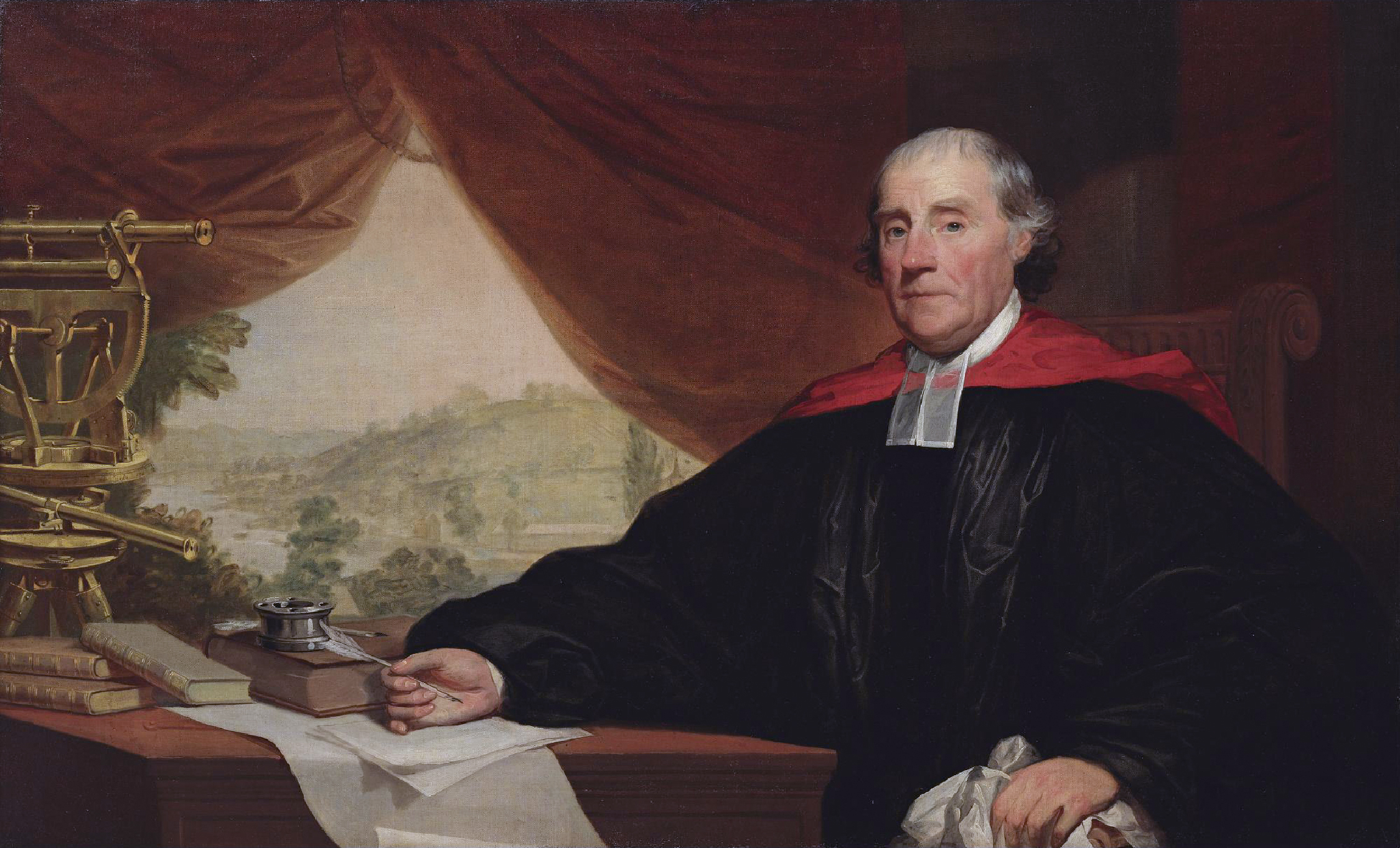
    William Smith. By: Gilbert Stuart. 1801-02.

    In Pennsylvania, extraordinary events were transpiring that would shape how people expressed their will. William Smith (“Cato”) and a group of individuals, led by James Cannon (“Cassandra”) in 1776, debated the issue of how institutions should reflect the people’s will, given the Radical Political Experiment unfolding in Pennsylvania.

    (more…)

  • The Genesis of the Bill of Rights

    magna_carta_british_library_cotton_ms_augustus_ii-106
    Magna Carta.

    Prior to the American Revolution, the colonists had become familiar with the concept of charters. Charters, whether royal, corporate, or proprietary, operated “as the evidence of a compact between an English King and the American subjects.” Gordon Wood, The Creation of the American Republic: 1776-1787, 268; see also Leonard Krieger, The Politics of Discretion: Pufendorf and the Acceptance of Natural Law (Chicago, 1965), 121.

    (more…)

  • A Check on Dangerous Usurpations

    1545_1115
    Samuel Chase. By: John Beale Bordley.

    While an upper house of state legislatures was desirable to some, as explained in The Birth of the Senate, it also had its detractors. Those detractors argued that it was a mere redundancy, wholly irrelevant to the founding of a stable government. In taking that position, the detractors ignored many of the benefits of having a second house in the legislature.

    (more…)

  • A Moral Reformation

    Imacon Color Scanner
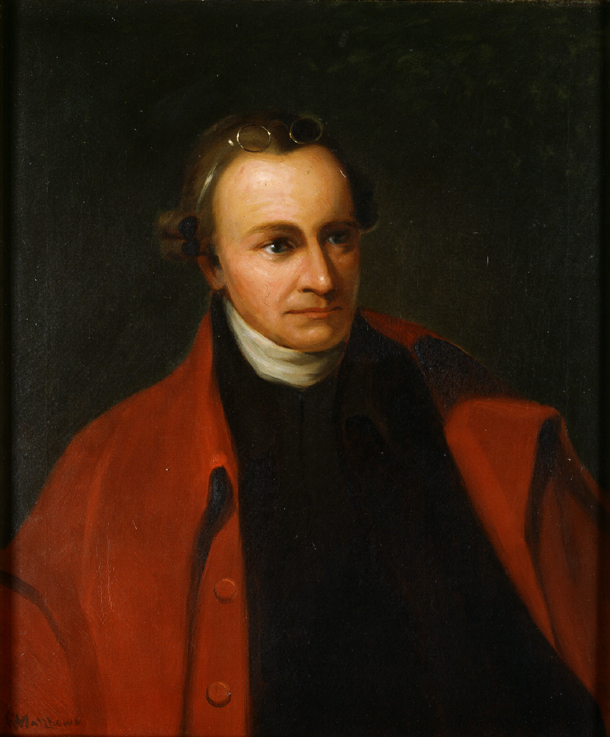
    Patrick Henry. By: George Bagby Matthews.

    As eluded to in Virtue as a Principle and Foundation, vices had come to plague American society shortly after the American Revolution. Patrick Henry said, in 1780, that he “feared that our Body politic was dangerously sick,” as from top to bottom, society appeared to be embracing vice. Patrick Henry to Jefferson, Feb. 15, 1780, Boyd, ed., Jefferson Papers, III, 293.

    (more…)

  • The Delegation of Sovereignty

    noah_webster_pre-1843_img_4412_cropped
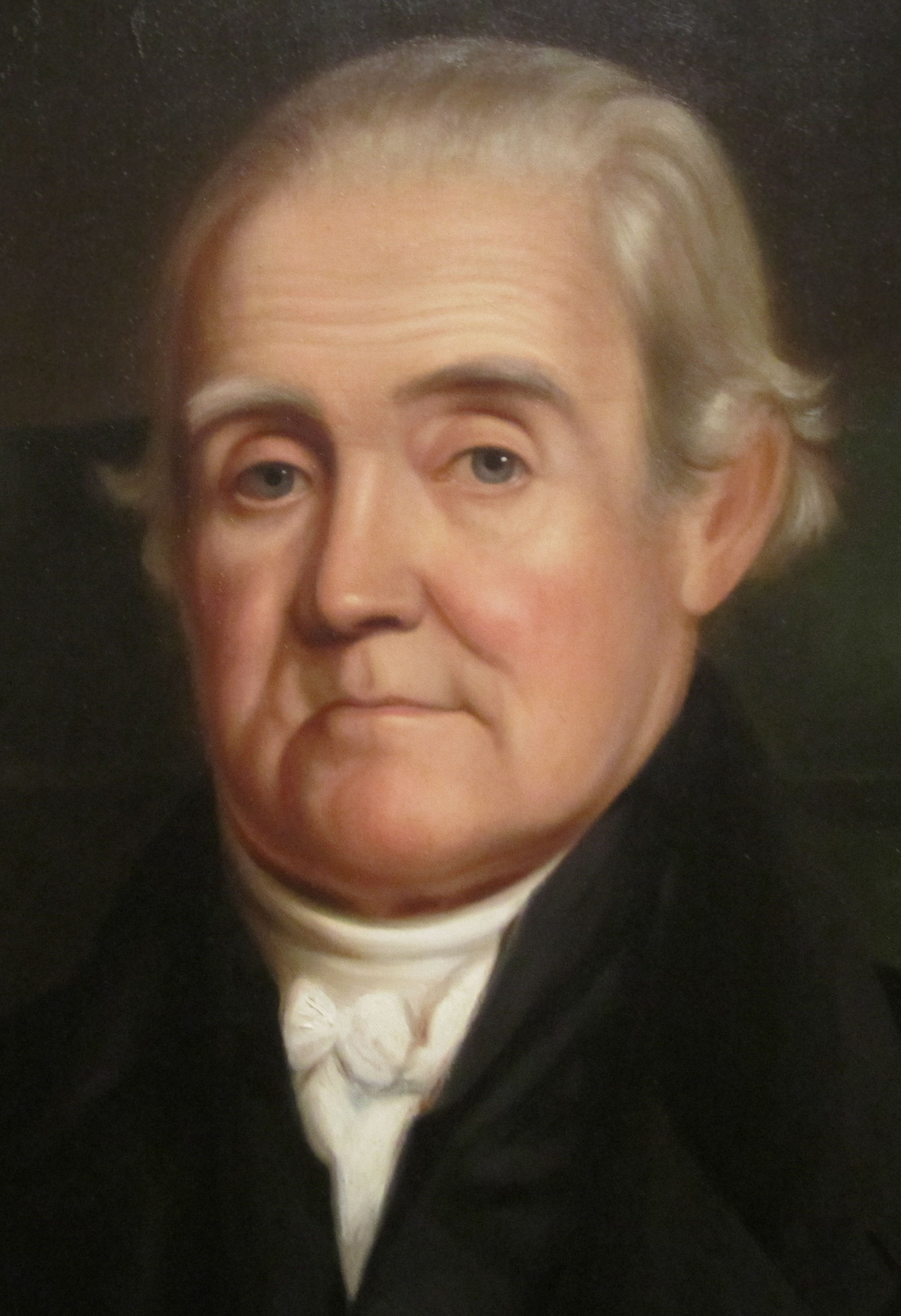
    Noah Webster. By: James Herring.

    Prior to the creation and ratification of the Constitution, Americans struggled with legislatures who had run rampant. This, however, was the doing of the people themselves.

    (more…)

  • Carrying Liberty to Excess

    1-2-6d9-25-ramsay_david20copy
    David Ramsay. By: Rembrandt Peale.

    While there were perceptions that America was suffering from a malaise in the 1780s, the political theory at the time had an explanation: licentiousness.

    (more…)

  • A Perceived Burden of Intolerable Evils

    sc7824
    John Quincy Adams. By: John Singleton Copley.

    After the American Revolution and after the war with Britain, America was suffering what appeared to be a crisis.

    (more…)

  • A Radical Political Experiment

    XJL166151
    Independence Hall in Philadelphia, Pennsylvania. By: Nathaniel Currier and James Merritt Ives.

    Pennsylvania was the home of the “most radical ideas about politics and constitutional authority voiced in the Revolution.” Gordon Wood, The Creation of the American Republic: 1776-1787, 226. This resulted in a “comprehensive examination of assumptions about government that elsewhere were generally taken for granted” and it resulted in one of the greatest experiments in politics up to that time. Id.

    (more…)

  • The Balance of Mixed Government

    trumbull20portait20full20length
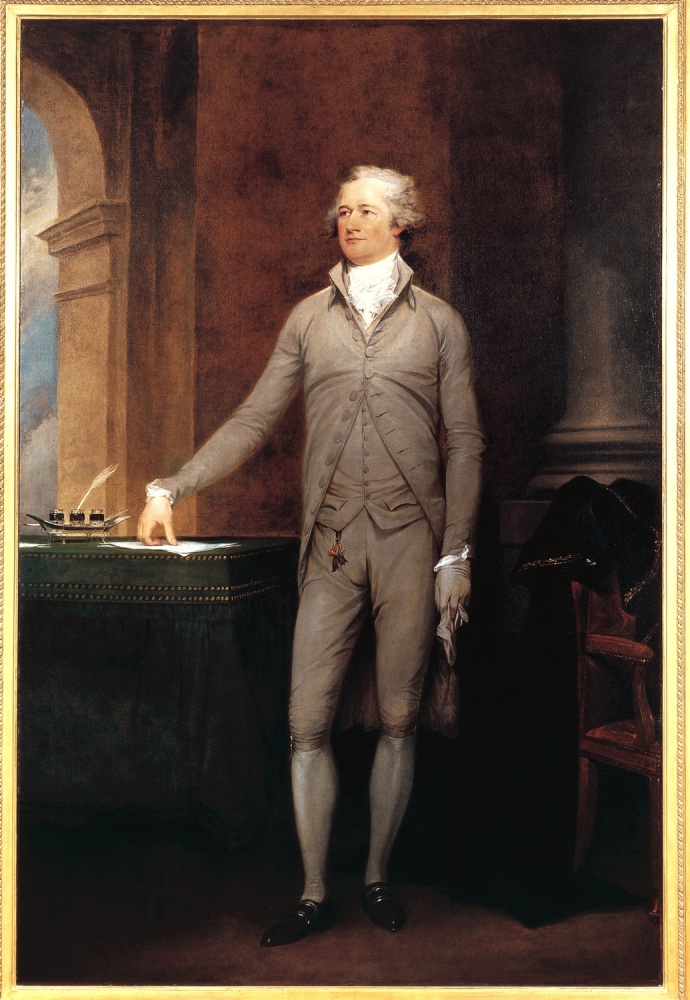
    Alexander Hamilton, as Secretary of the Treasury. By: John Trumbull.

    Conservatives and liberals during the Revolutionary years realized that democracy must have power distributed throughout various sources, known as a mixed government, so as to survive.

    (more…)

  • The Emergence of American Principles and Tempers

    thomas_paine_cc_img
    Thomas Paine. By: Laurent Dabos.

    As the American Revolution approached “most Americans had become convinced that they were ‘aptly circumstanced to form the best republicks, upon the best terms that ever came to the lot of any people before us.’” Gordon Wood, The Creation of the American Republic: 1776-1787, 98 quoting Phila. Pa. Packet, Feb. 12, 1776; Purdie’s Wmsbg. Va. Gazette, May 17, 1776.

    (more…)