
Ancient Rome and Ancient Greece were intertwined with the American Revolution and the establishment of the American republic.
Ancient Rome and Ancient Greece were intertwined with the American Revolution and the establishment of the American republic.
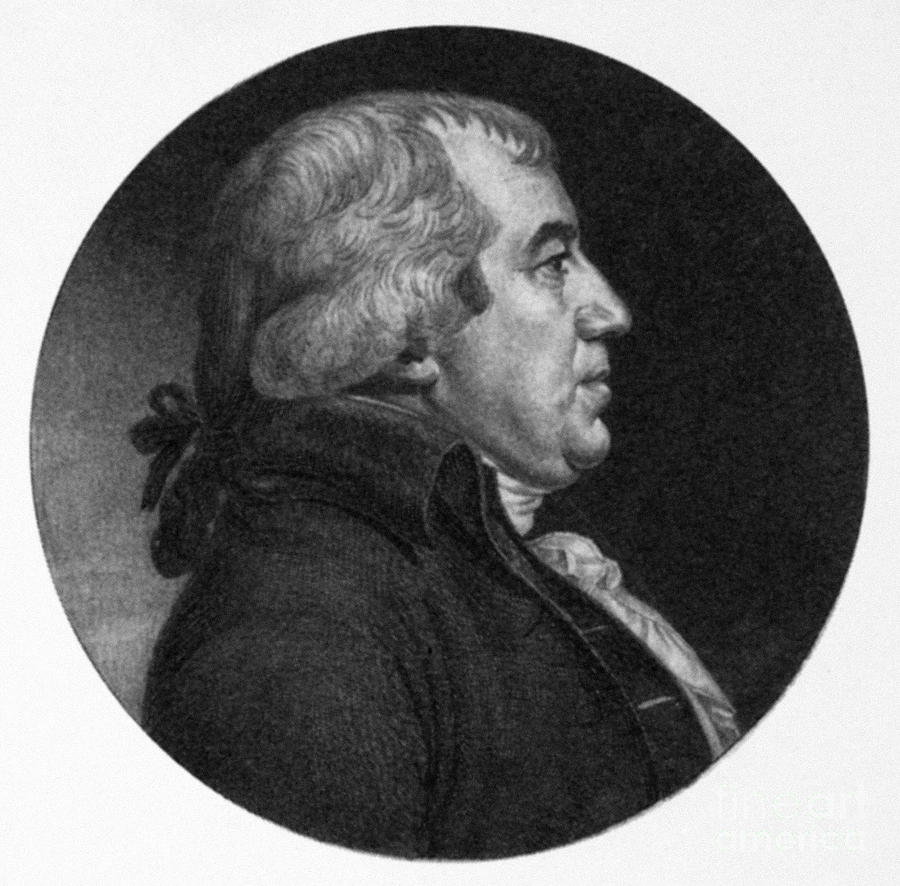
For a revolution, and particularly a bloodless revolution, to occur, the momentum must build so that the population’s outrage culminates in a change of power and a change of government. How the people sparking the flame that leads to the roaring fire of revolution is a subject worth studying, as revolutions are an inevitable fact of life in the world.
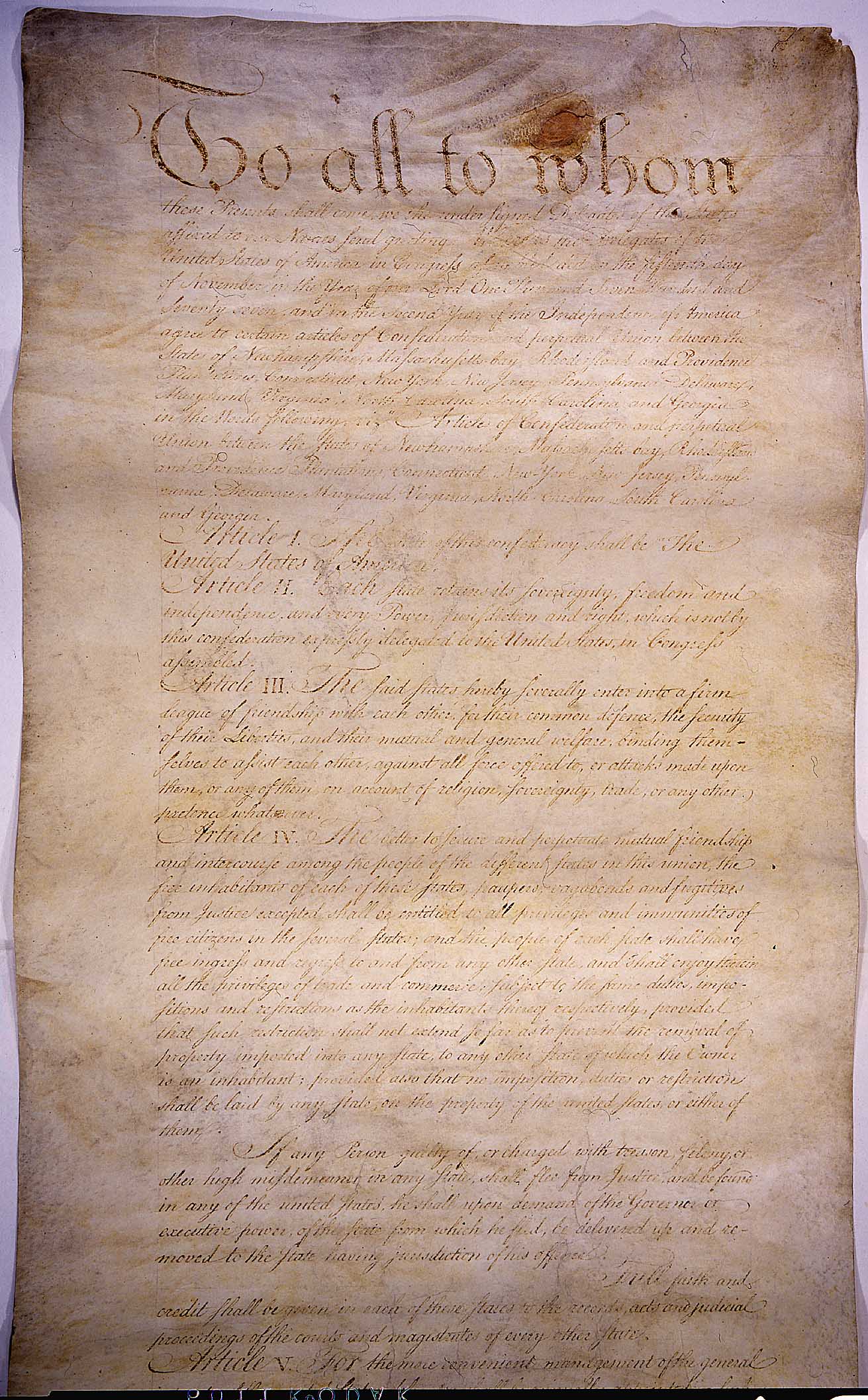
Despite the fact that the Articles of Confederation loosely held the states together, there was still a remarkable union achieved. There were privileges and immunities granted, “reciprocity of extradition and judicial proceedings among the states,” no “travel and discriminatory trade restrictions between states, and the substantial grant of powers to the Congress in Article 9 made the league of states as cohesive and strong as any similar sort of republican confederation in history—stronger in fact than some Americans had expected.” Gordon Wood, The Creation of the American Republic: 1776-1787, 359. (more…)

Americans had a keen understanding of the idea, popularized by Montesquieu, that “only a small homogeneous society whose interests were essentially similar could properly sustain a republican government.” Gordon Wood, The Creation of the American Republic: 1776-1787, 356. This idea created a fundamental problem for America: it was not a small homogeneous society, and it was rapidly expanding.

In the early 1770s, the colonists and Britain began to debate “the greatest Question ever yet agitated.” John Adams, entry, Mar. 4, 1773, Butterfield, ed., Diary of Adams, II, 77. That question was focused on sovereignty and John Adams expressed the view that it was necessary and “should some where be lodged a supreme power over the whole.” Id.

At the time of the Revolution, republicanism was permeating political discourse and political theory. John Adams asked in 1776 that “[i]f there is a form of government, then, whose principle and foundation is virtue, will not every sober man acknowledge it better calculated to promote the general happiness than any other form?” He continued by explaining that a republican constitution “introduces knowledge among the people, and inspires them with a conscious dignity becoming freemen; a general emulation takes place, which causes good humor, sociability, good manners, and good morals to be general. That elevation of sentiment inspired by such a government, makes the common people brave and enterprising. That ambition which is inspired by it makes them sober, industrious, and frugal.” John Adams, Thoughts on Government, Adams, ed., Works of John Adams, IV, 194, 199.
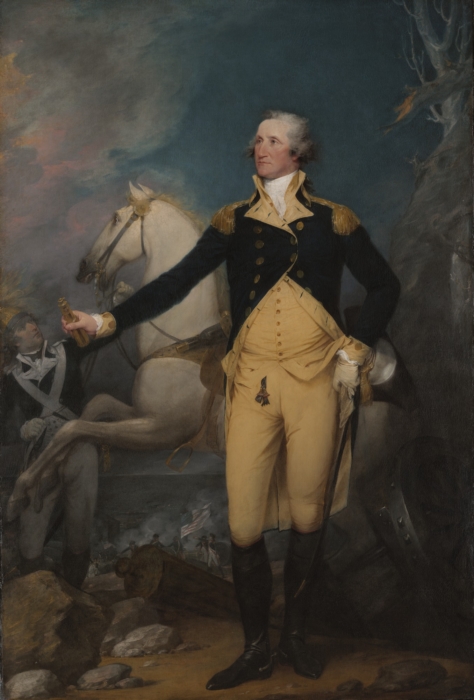
Corruption was rife in England in the decades leading up to the American Revolution, and Americans were keenly aware of that fact. For many individuals, the English Constitution was viewed as a hollow document, as the crown had taken the power away from all other sources. See Gordon Wood, The Creation of the American Republic: 1776-1787, 34-35. Americans knew that this corruption “always begins amongst the Rich and the Great” and would spread to the common people, leaving them “enfeebled and their souls depraved.” Id. at 35 quoting Pinkney’s Wmsbg. Va. Gazette, June 15, 1775; Phila. Pa. Packet, May 29, 1775, Aug. 8, 1774; Purdie and Dixon’s Wmsbg. Va. Gazette, Sept. 5, 1771. (more…)

As touched on in Unalterable Constitutions, Americans began resorting to conventions for amending their state constitutions, and this was only one example of Americans looking to advance their causes outside of the bounds of government. See Gordon Wood, The Creation of the American Republic: 1776-1787, 310. This was not a novel approach, however, and it was not the only approach that Americans were increasingly taking to advance their interests.
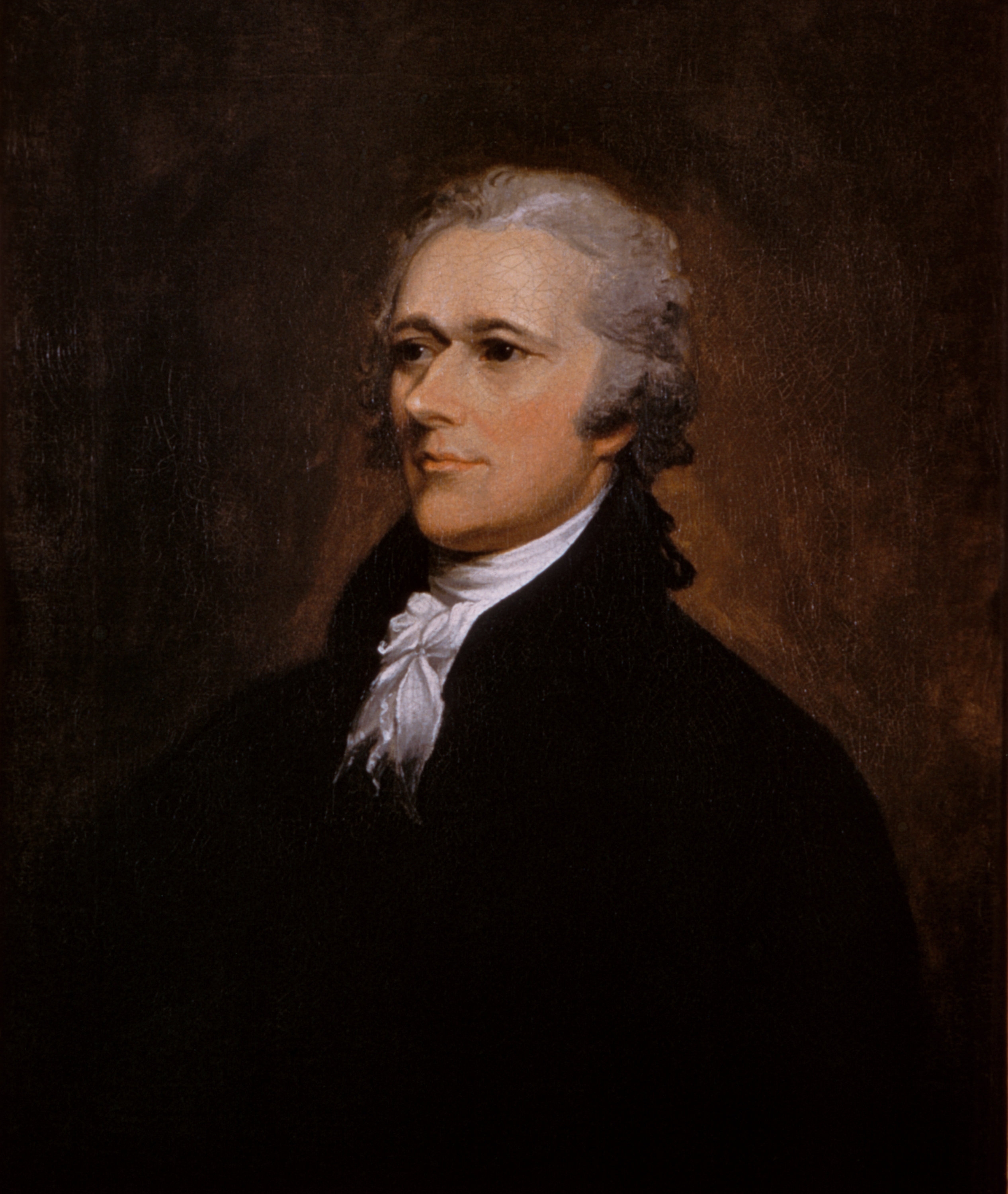
It is no secret that Aaron Burr and Alexander Hamilton disliked each other. That rivalry culminated in the infamous duel in 1804, leaving Hamilton to die just days later. However, prior to that, Hamilton’s dislike of Burr led Hamilton to pontificate on which individuals would make the best politicians in America. See Gordon Wood, Revolutionary Characters: What Made the Founders Different, 237.

Much of the progress that America experienced during the Revolution happened as a result of the Founding Fathers’ contradictory actions. The Founding Fathers, predominantly privileged, in some ways paid the price of the Revolution in the most noble way.
 Last Best Hope of Earth