Tag: American Revolution

  • Setting an Unshakeable Foundation

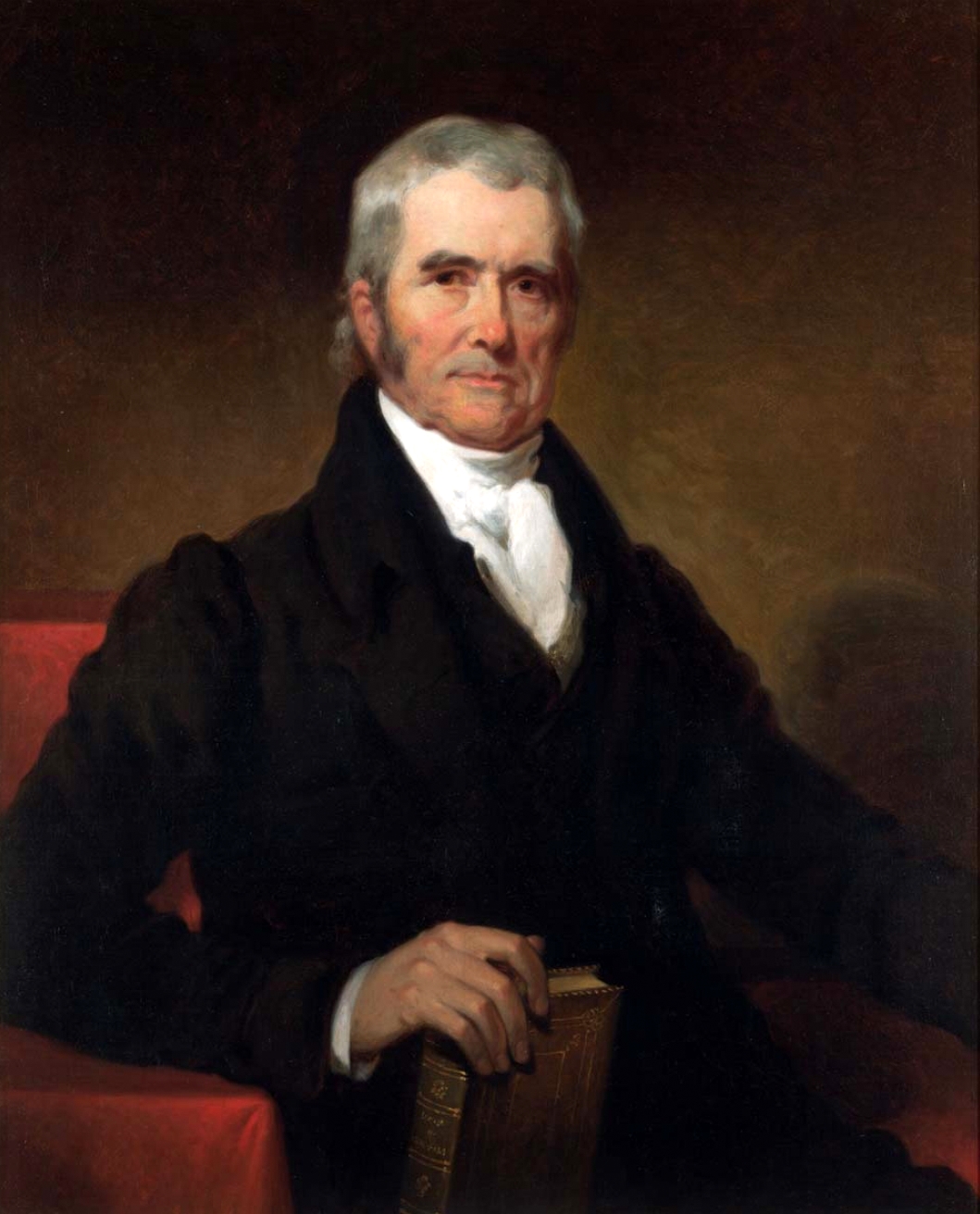
    John_Marshall_by_Henry_Inman,_1832
    John Marshall, the fourth Chief Justice of the United States Supreme Court. By: Henry Inman.

    In the first years of the American Republic, there were drastic changes in the law. The importance and organization of laws were coming into place. At the top were constitutional rights, which, as James Cannon explained “must be protected and defended ‘as the apple of your eye’ from danger ‘or they will be lost forever.’” Gordon Wood, The Creation of the American Republic: 1776-1787, 293 quoting James Cannon, “Cassandra,” Apr. 1776, Force, ed., American Archives, 4th Ser., V, 1094, quoting from Hulme, Historical Essay, 143-44. Cannon continued, stating that constitutional rights must be set “on a foundation never more to be shaken,” meaning that constitutional rights “must be specified and written down in immutable documents. Id.

    (more…)

  • Unalterable Constitutions

    independence_hall_in_philadelphia_by_ferdinand_richardt_1858-63
    Independence Hall in Philadelphia, Pennsylvania. By: Ferdinand Richardt.

    As the constitutions of the states were implemented and executed during the Revolutionary years, the population began holding conventions for amendment of those constitutions, believing that “Legislatures were incompetent” to do so. Gordon Wood, The Creation of the American Republic: 1776-1787, 306 quoting Farrand, ed., Records of the Federal Convention, II, 91-93. In fact, James Madison believed that “it would be a novel and dangerous doctrine that a Legislature could change the constitution under which it held its existence.” Id.

    (more…)

  • The First Doomsayers

    3164770622_48b329e284_o
    Fisher Ames. By: Gilbert Stuart.

    Many expected that the American Revolution would lead to some “bloody noses” as “almost all revolutions are founded in blood.” Samuel A. Otis to Theodore Sedgwick, July 30, 1782, Theodore Sedgwick Papers, A. 55, Massachusetts Historical Society, Boston. The British had made predictions that separating from Britain would lead to quarrels and the Americans splitting into parties. Gordon Wood, The Creation of the American Republic: 1776-1787, 397. As the Revolutionary years went on, it looked that the British were right, which appeared to put America on a path toward destruction.

    (more…)

  • The Constitution’s Superiority

    constitution_of_the_united_states_page_1
    Page 1 of the Constitution of the United States.

    By the time of the Revolution, the states had begun to take steps toward sustaining themselves after independence from Britain was effectuated. One of those steps was the drafting of constitutions. Constitutions, while understood generally in Britain and elsewhere, had a unique meaning for Americans.

    (more…)

  • Controlling the Governor

    00004489_ac_00011
    William Hooper.

    By 1776, the states were debating their respective constitutions and the Declaration of Independence was becoming a reality, all of which was fostering an environment of great debate. One part of that debate was what the role of governor should be for each state, and many of the conclusions and decisions made during that debate carry forth to modern America.

    (more…)

  • Fostering Participation in Government

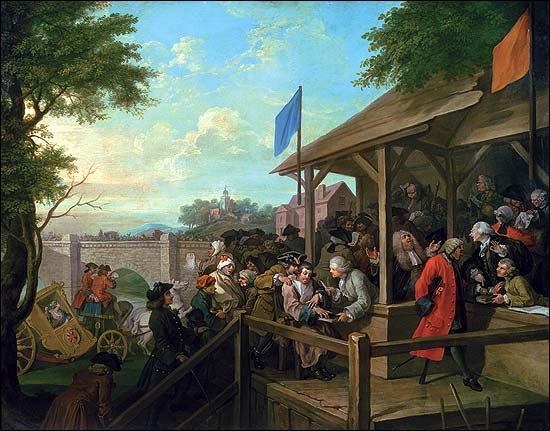
    vote_5a
    The Polling. By: William Hogarth.

    Involvement in government is crucial to the success of government as a whole. During the American Revolution, it was clear that participation in the political process would continue to be valued. Since those years, much has changed.

    (more…)

  • Bringing the Revolution into Focus

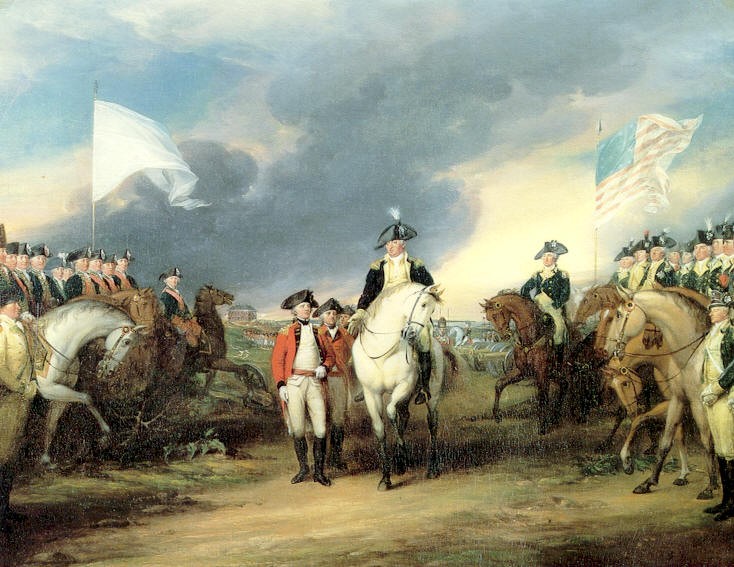
    yorktown80
    Siege of Yorktown. By: John Trumbull.

    To fully understand the magnitude and impact of the American Revolution, context is crucial. While the Enlightenment was the process of society learning “the sources of a flourishing society and human happiness,” the Revolution was the process of finding the best form of government perhaps the world has ever known. See Gordon Wood, The Idea of America: Reflections on the Birth of the United States, 59.

    (more…)

  • The Selection of Senators

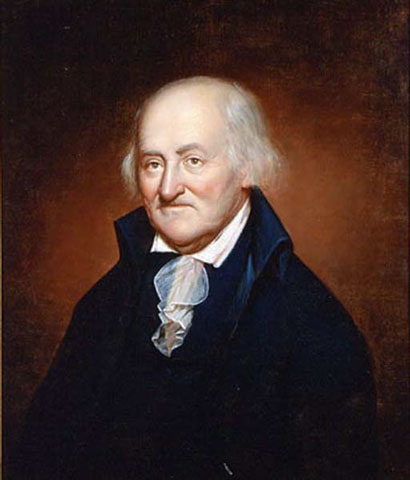
    benjamin_lincoln_by_charles_wilson_peale
    Benjamin Lincoln. By: Charles Willson Peale.

    As explained in The Birth of the Senate, the states’ creation of an upper house of Congress set the precedent for a fully functioning, bicameral legislature in most states and the federal government. However, the selection process of who should be a senator was another subject for debate.

    (more…)

  • The Representative Conundrum

    christopher_gadsden
    Christopher Gadsden. By: Charles Fraser.

    Throughout American history, there has always been a question about the nature of representation: do representatives represent only their constituents in their district or do they represent the entire people, as their actions impact the entire people? This debate played out in the years surrounding the American Revolution and continues today.

    (more…)

  • The Rebuttal to Common Sense

    charles_inglis_by_robert_field
    Charles Inglis. By: Robert Field.

    Thomas Paine’s Common Sense was a hugely influential pamphlet that has been cherished by several generations of Americans. However, it had its detractors who did not believe that “republicanism for America was a matter of common sense.” Gordon Wood, The Creation of the American Republic: 1776-1787, 94.

    (more…)