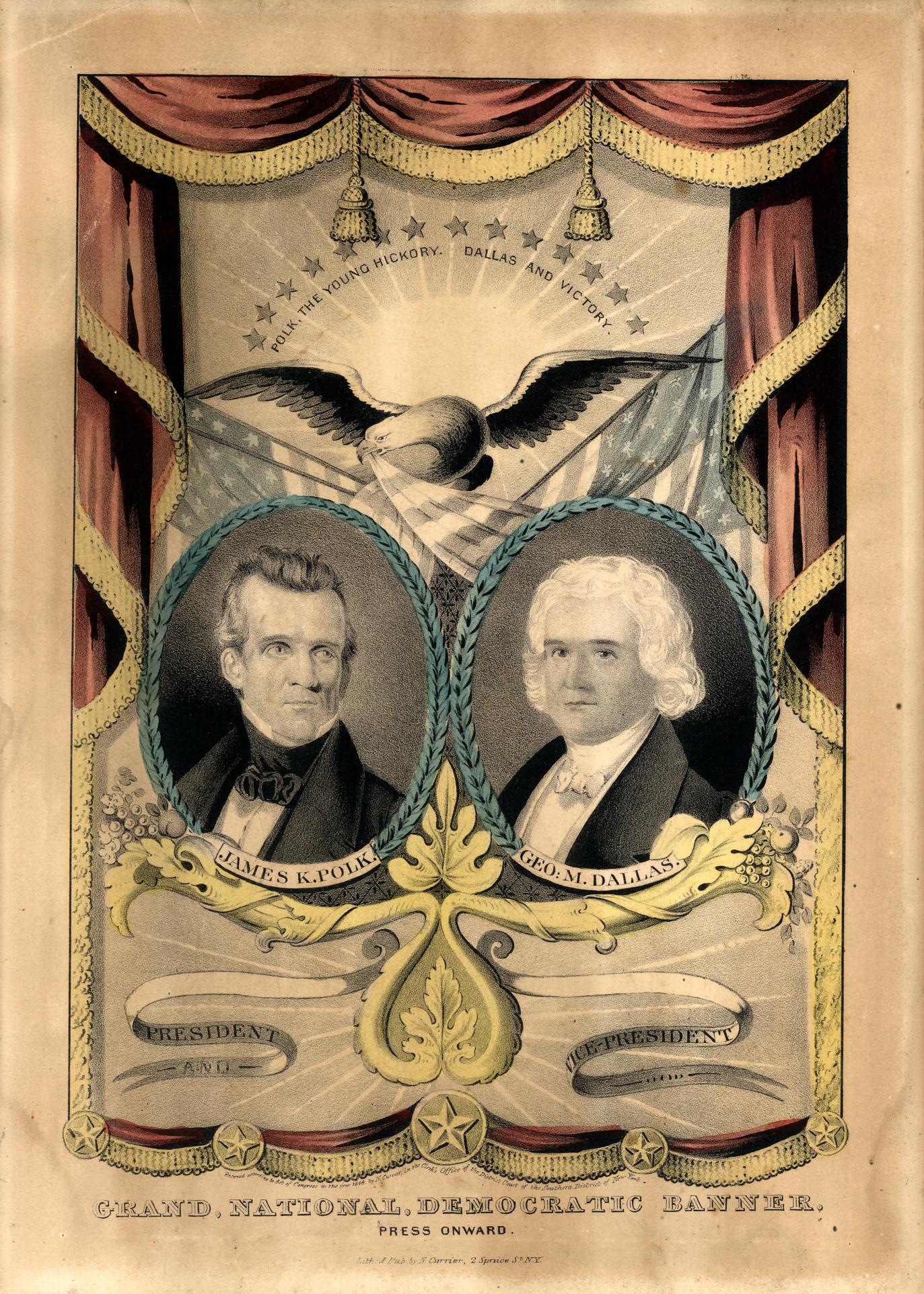
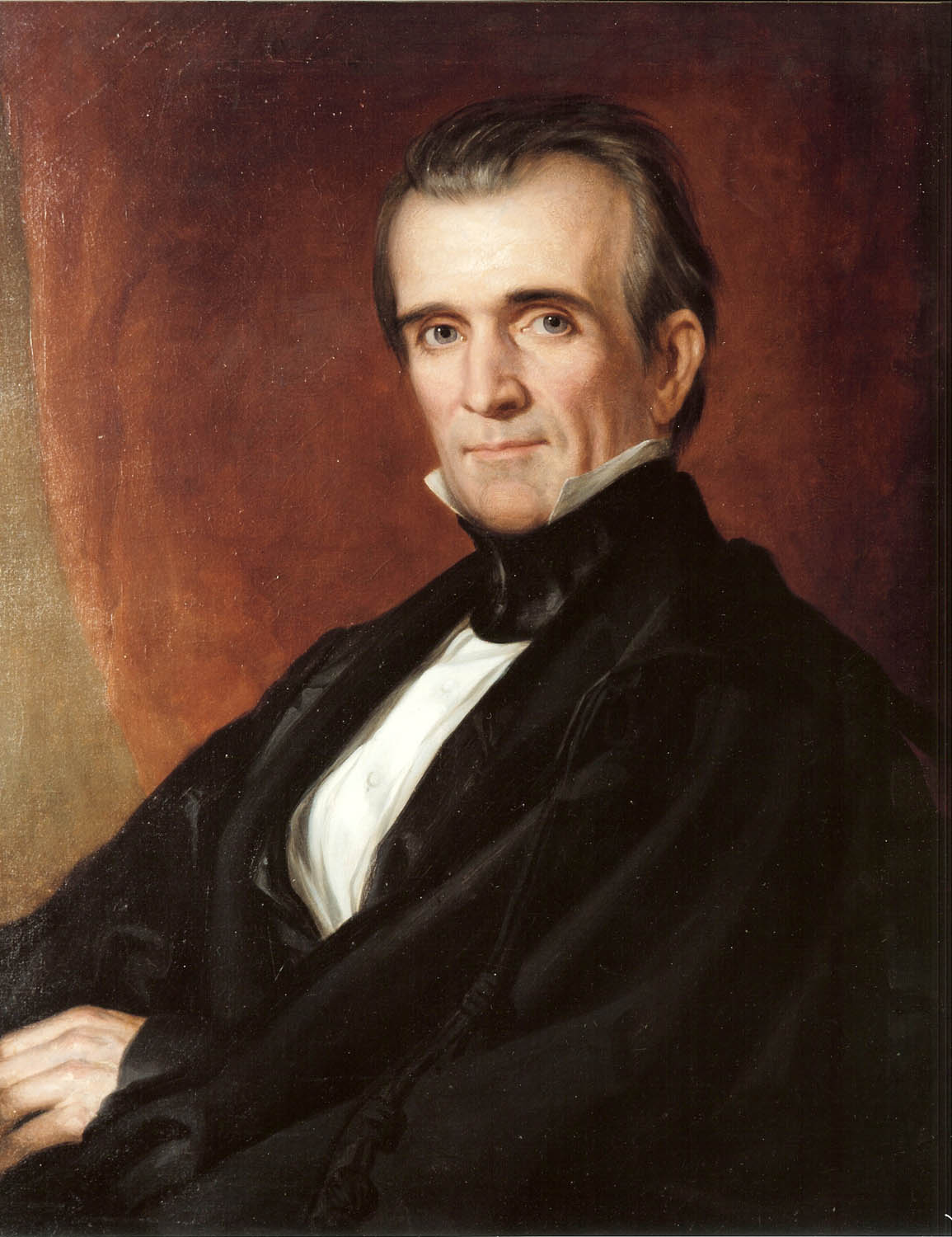
Throughout the first twelve days of November of 1844, the population voted for the next president. Voters had to pick between the Democrat, James Polk, the Whig, Henry Clay, and the Liberty Party’s candidate, James Birney. See Daniel Walker Howe, What Hath God Wrought: Transformation of America, 1815-1848, 688.
President Andrew Jackson had a predisposition toward annexing Texas and making it American territory. See Daniel Walker Howe, What Hath God Wrought: Transformation of America, 1815-1848, 670.
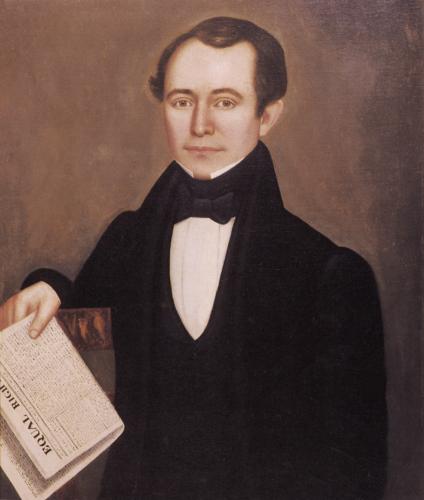
The New York Tribune, a Whig Newspaper, Endorsing its Candidates.
Following the Election of 1840, members of the Whig Party must have been optimistic about their future. They likely imagined that the dominance of the Jacksonian Democrats could be replicated within the ranks of the Whigs and supplant the Democrats. It was not to be, however.
While the Democrats had held up Andrew Jackson as the ideal man, the Whigs began to view Abraham Lincoln in the 1840s as the ideal man, even though his personality was “artificial—that is, self-constructed.” Daniel Walker Howe, What Hath God Wrought: Transformation of America, 1815-1848, 598.
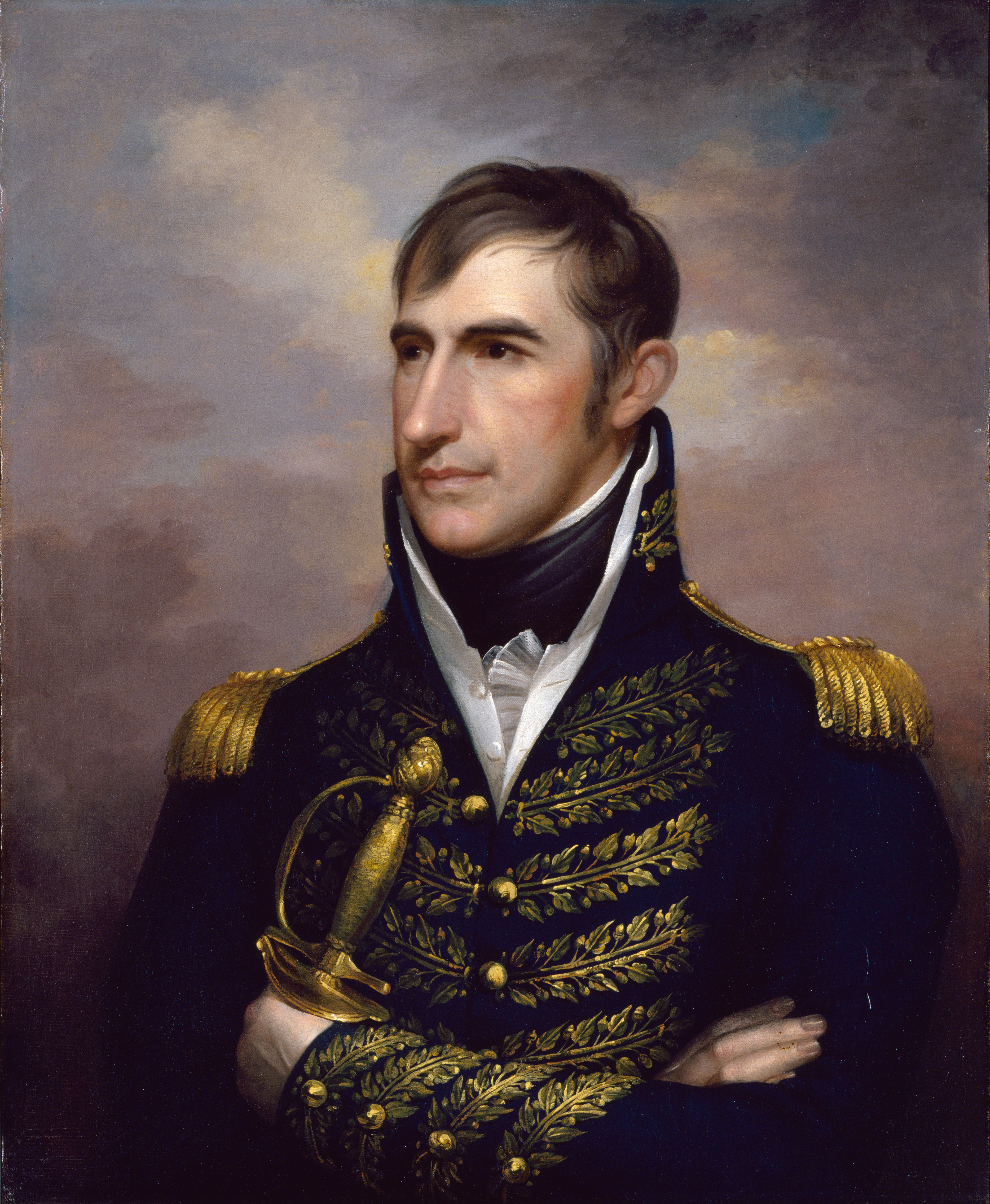
Following William Henry Harrison’s death just a month into his presidency in 1841, John Tyler rose to the presidency, in the first instance of a president dying while holding the office. See Daniel Walker Howe, What Hath God Wrought: Transformation of America, 1815-1848, 589.
The Election of 1840 juxtaposed the Whig Party’s policies against the Democratic Party’s more fluid policies. The Whigs “possessed a more coherent program: a national bank, a protective tariff, government subsidies to transportation projects, the public lands treated as a source of revenue, and tax-supported public schools.” Daniel Walker Howe, What Hath God Wrought: Transformation of America, 1815-1848, 583-84. The Democrats did not have such rigid policies, relying instead on the “emotional bond” they they had with their followers, rather than policy initiatives. Id. at 584 citing Matthew Crenson, The Federal Machine: Beginnings of Bureaucracy in Jacksonian America (Baltimore, 1975), 29.
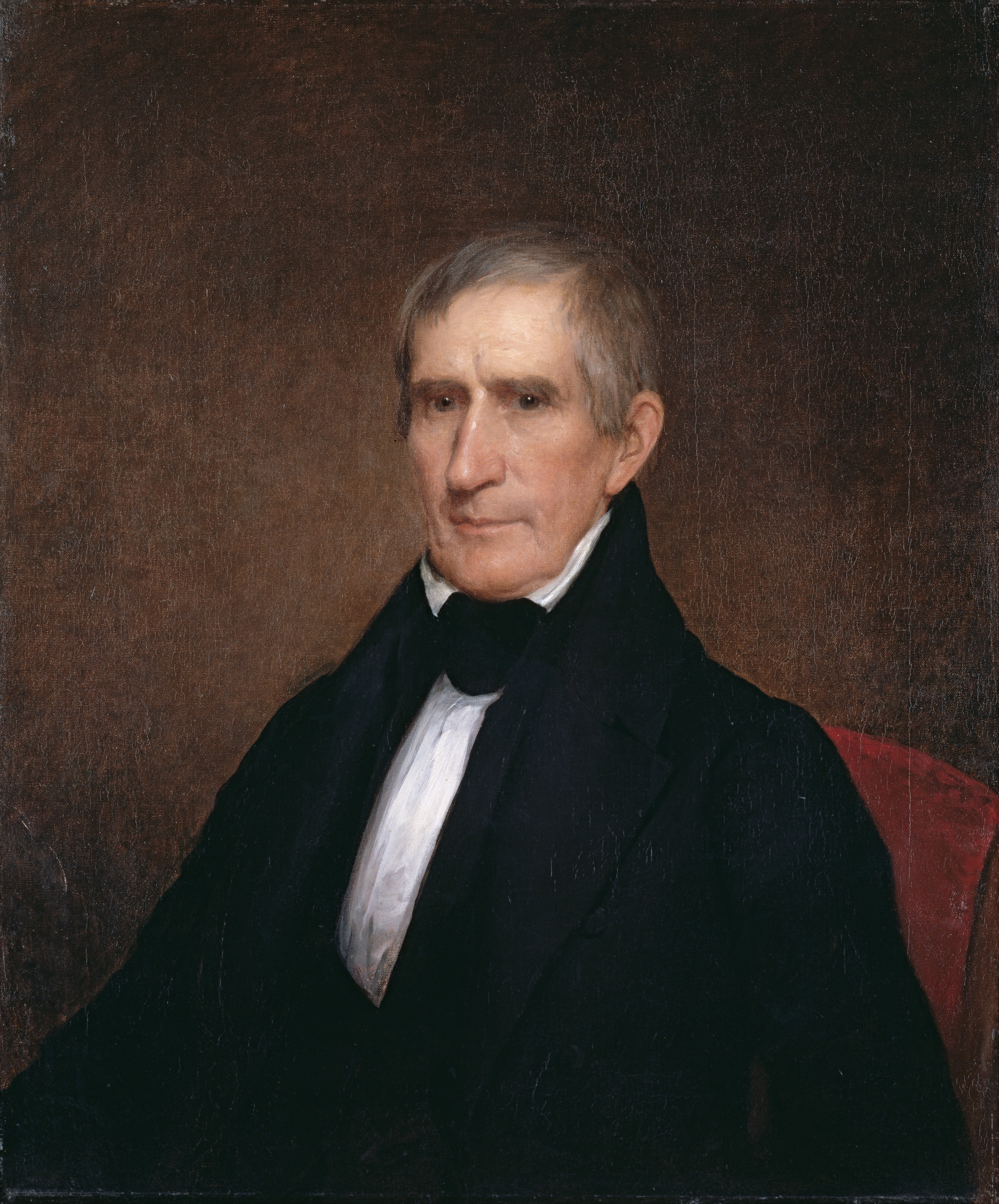
William Henry Harrison, a Whig, won the White House in the election of 1840. In March 1841, for his inauguration, he stood in the cold and wind and spoke for an hour and a half. See Daniel Walker Howe, What Hath God Wrought: Transformation of America, 1815-1848, 570.
With the emergence of the Democrats and the Whigs as the two main political parties in the late 1830s and early 1840s, this fostered significant tension on the issue of slavery.




 Last Best Hope of Earth