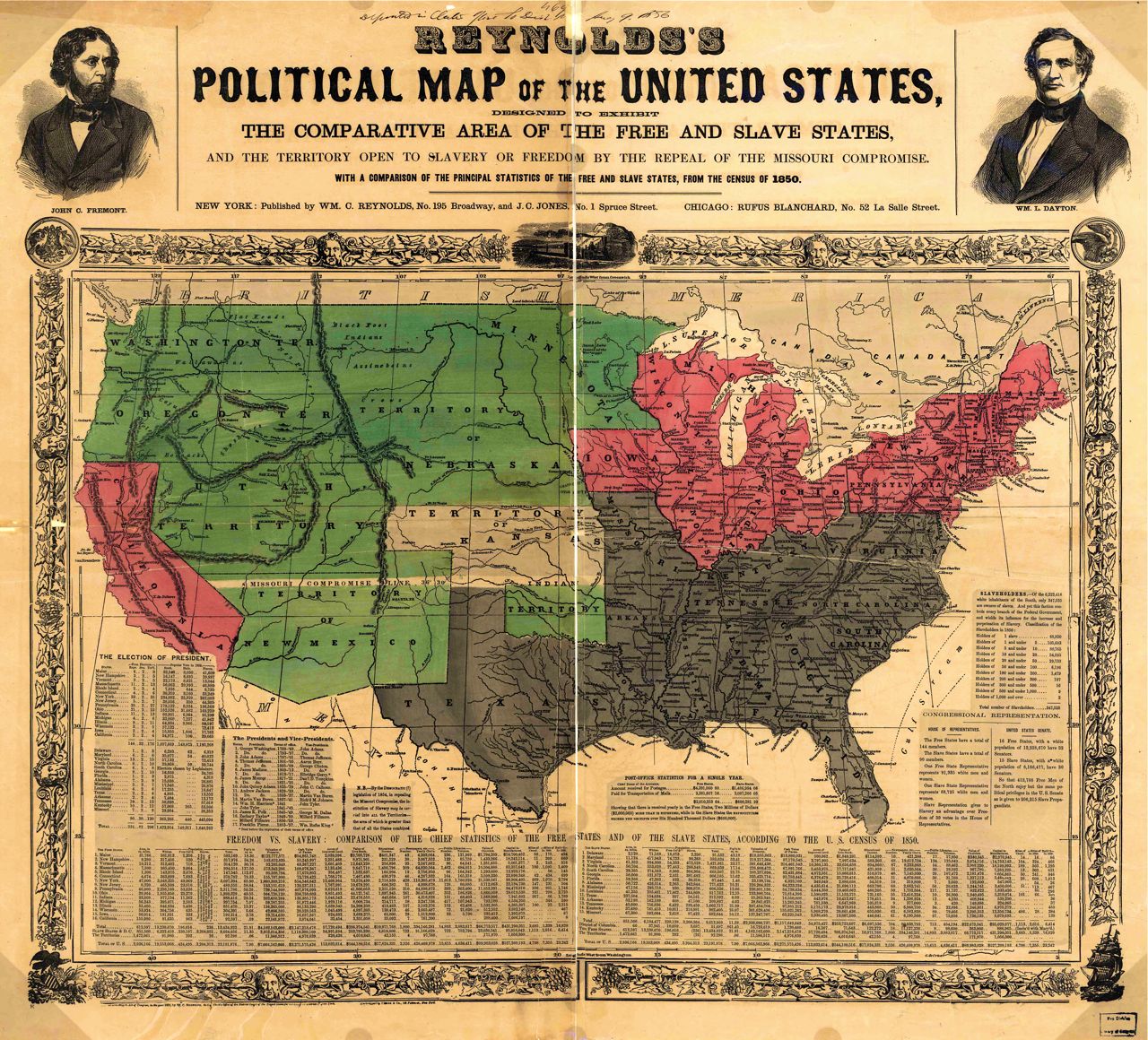
After the passage of the Kansas-Nebraska Act, William Seward proclaimed to the Senate that “[w]e will engage in competition for the virgin soil of Kansas, and God give the victory to the side which is stronger in numbers as it is in right.” Congressional Globe, 33 Cong., 1 sess., appendix, 769. Rather than settling the issue of slavery in Kansas, the Act made Kansas the figurative and literal battleground for the issue of slavery.
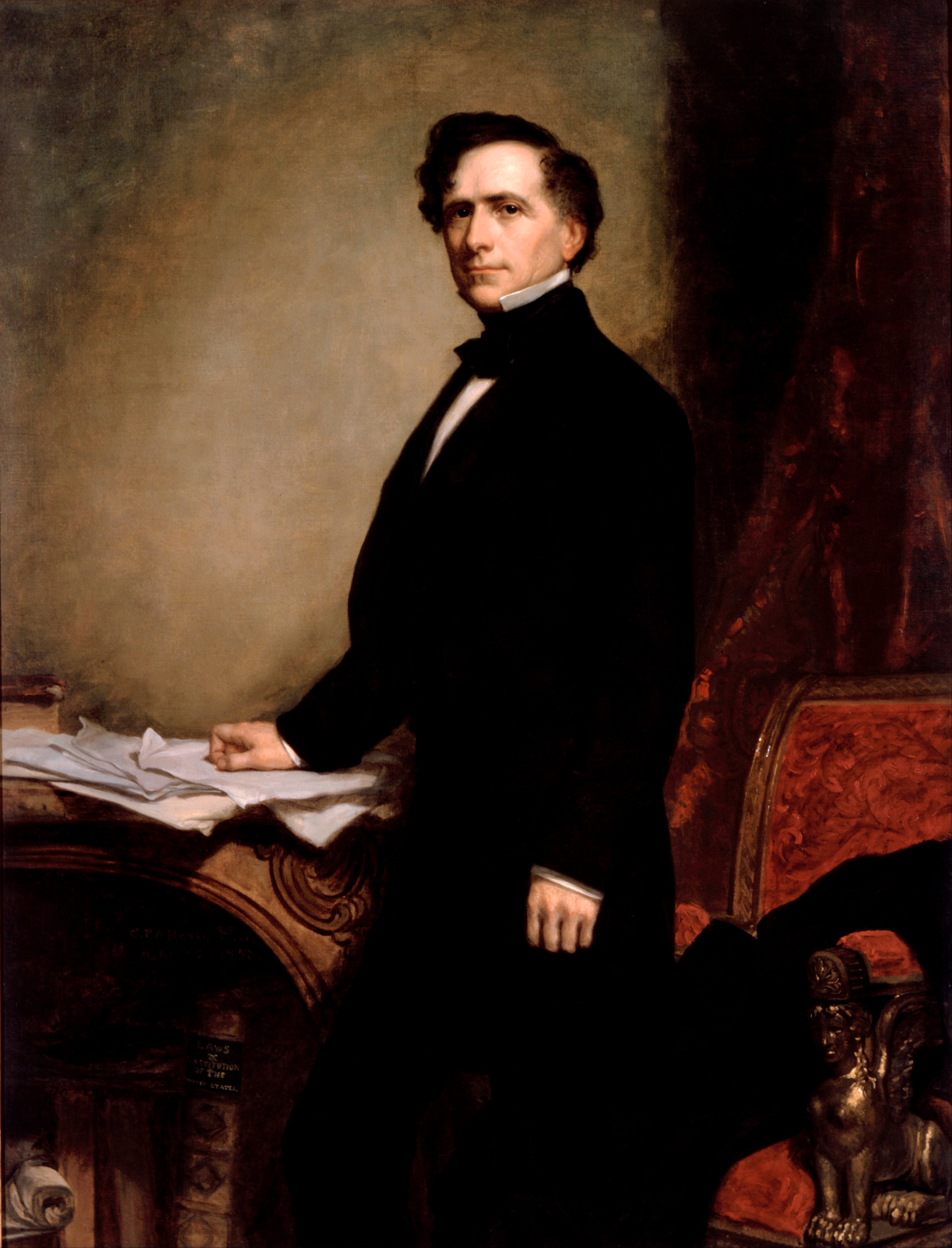
During 1854, while the Kansas-Nebraska Act was making its way through Congress and to President Franklin Pierce’s desk, there were significant developments throughout the country that would have lessen the manifest destiny fever that had captured the nation’s attention up to that point. One of the hallmarks of American progress was nearing its end. (more…)
In 1844, Asa Whitney, a merchant in New York, proposed that a transcontinental railroad be built. While he hoped to lead the construction of the railroad and reap the benefits of the ambitious project, that was not to be. However, three components of his plan captured the spirit of Americans toward the construction of the railroad: “There must be a railroad to the Pacific; it must be financed by grants of public lands along the route; and it must be built by private interests which received these grants.” David Potter, The Impending Crisis: America Before the Civil War, 1848-1861, 146. (more…)
With the first term of Millard Fillmore’s presidency winding down in 1852, the Democrats felt a sense of momentum that they could reclaim the White House. In the midterm elections of 1850, the Democrats secured 140 of the 233 seats in the House of Representatives, eclipsing the Whig Party. See David Potter, The Impending Crisis: America Before the Civil War, 1848-1861, 141.
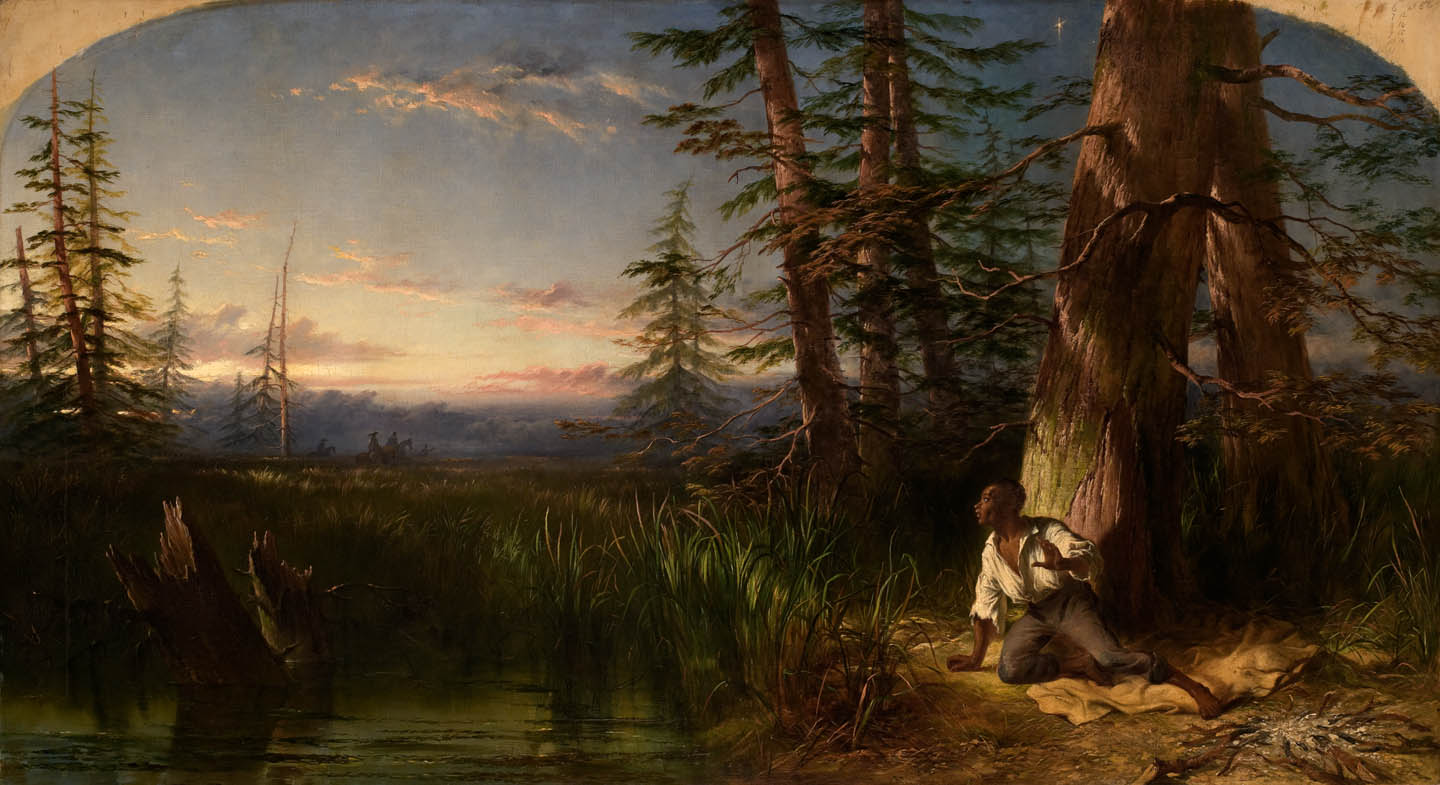
The Fugitive Slave Act, passed as part of the Compromise of 1850, was intended to resolve the tension surrounding the issue of slavery. Its provisions, however, ensured that it would not have such an alleviating effect.¹ The Act “denied the alleged fugitive any right to jury trial, not even guaranteeing it in the jurisdiction from which he had escaped.” David Potter, The Impending Crisis: America Before the Civil War, 1848-1861, 131. It also allowed a court to appoint a commissioner to decide a fugitive slave’s case. See id. That commissioner was entitled to a $10 fee where the “alleged fugitive was delivered to the claimant,” but if the slave was set free, the commissioner would receive only a $5 fee, creating an incentive for returning fugitives to slavery. Id. Finally, the Act gave federal marshals the power “to summon all citizens to aid in enforcement of the Act.” Id. citing Stanley W. Campbell, The Slave Catchers: Enforcement of the Fugitive Slave Law, 1850-1860 (Chapel Hill, 1968). (more…)
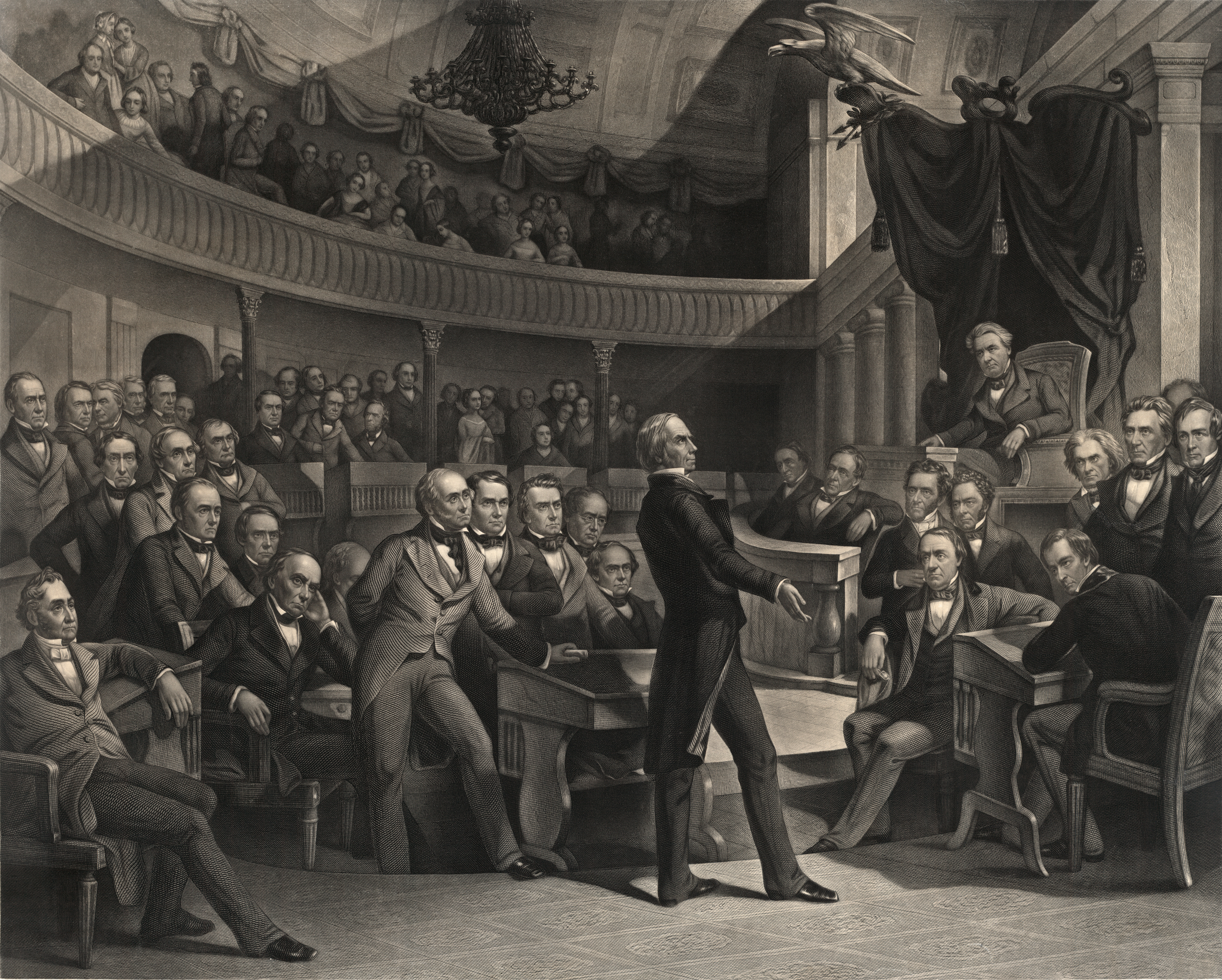
Following the Compromise of 1850, southerners became concerned about the North securing additional concessions from the South. Aware of the South’s concerns, President Millard Fillmore tried to calm southern nerves by (more…)
“United States Senate, A.D. 1850.” By: Peter F. Rothermel.
Upon President Zachary Taylor taking office, he sent a message to Congress deploring the sectionalism that was pervading the country. See David Potter, The Impending Crisis: America Before the Civil War, 1848-1861, 91. He looked to George Washington’s warnings against “characterizing parties by geographical discriminations,” which appeared by 1849 to be a prescient warning. Id. citing James D. Richardson, ed., A Compilation of the Messages and Papers of the Presidents (11 vols.; New York, 1907), V, 9-24. President Taylor offered hope for northerners and those Americans who wanted to preserve the Union with his vow: “Whatever dangers may threaten it [the Union] I shall stand by it and maintain it in its integrity.” David Potter, The Impending Crisis: America Before the Civil War, 1848-1861, 91 citing James D. Richardson, ed., A Compilation of the Messages and Papers of the Presidents (11 vols.; New York, 1907), V, 9-24. (more…)
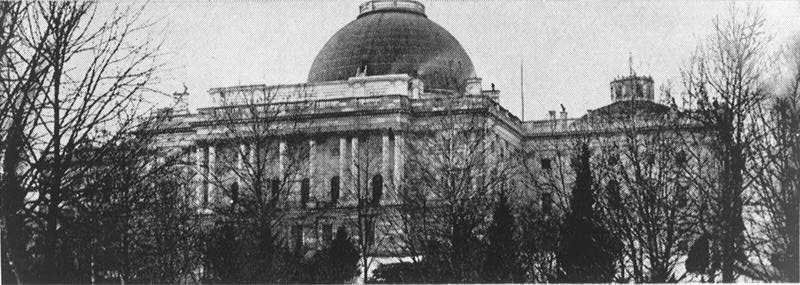
The United States Capitol in 1848. Unknown Photographer, credit Library of Congress.
During President James Polk’s administration, Congress grappled with resolving sectional tension arising out of whether slavery would be extended to newly acquired land from Mexico as well as the Oregon territory. Congress did not resolve that sectional tension but exacerbated it in what may have been one of the most deadlocked and destructive Congresses in American history. (more…)
Trout Fishing in Sullivan County, New York. By: Henry Inman.
In the 15 years leading up to the Civil War, a wide variety of theories emerged for how the federal government should deal with slavery expanding, or not expanding, into the territories acquired by the United States.
Since the outbreak of the Civil War and continuing to the present day, the role of slavery in splitting America has been hotly debated. One may wonder whether there was merely a correlation between slavery and the Civil War or whether slavery was the cause. Investigating the nuances of the issue of slavery reveals that the Civil War resulted from sectionalism and slavery, which were practically synonymous.





 Last Best Hope of Earth