
The North and the South had come to develop two distinct cultures by the mid-1800s. One of those fundamental differences was the nature of work.
The North and the South had come to develop two distinct cultures by the mid-1800s. One of those fundamental differences was the nature of work.

By 1848, America had numerous sectional differences, and those sectional differences were beginning to take on a different character.

From the inception of America in 1776 to the mid-1800s, there was a balance between regions of the country. That dramatically changed throughout the 1840s and 1850s.

Through the early 1800s and well into the 1840s, Americans had developed a sense of unity and pride about their country.

By 1848, America had undergone a significant transformation from the America that the Founding Fathers left just a few decades before.
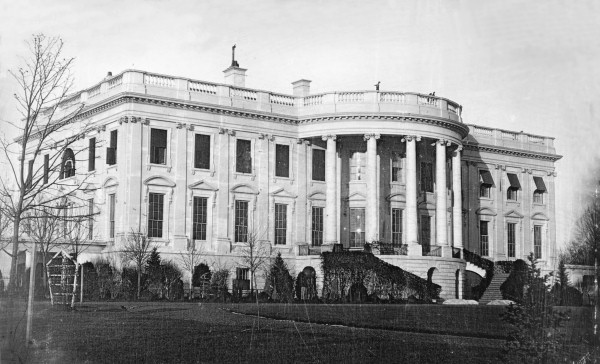
On November 7, 1848, Americans went to the polls to choose between Martin Van Buren, Zachary Taylor, and Lewis Cass.
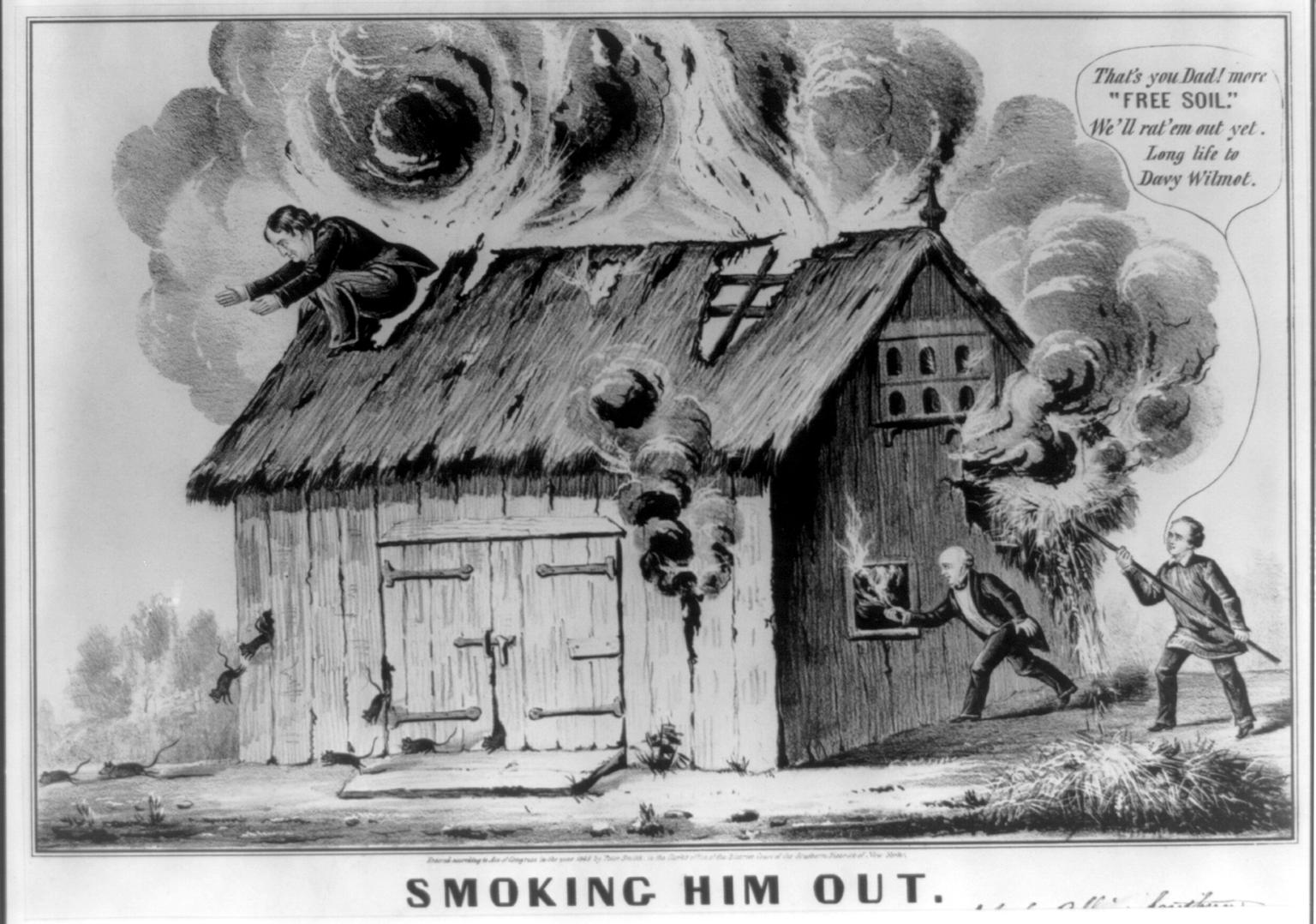
Approaching the Election of 1848, President James Polk did not have unanimous support amongst Democrats. In fact, quite the opposite.
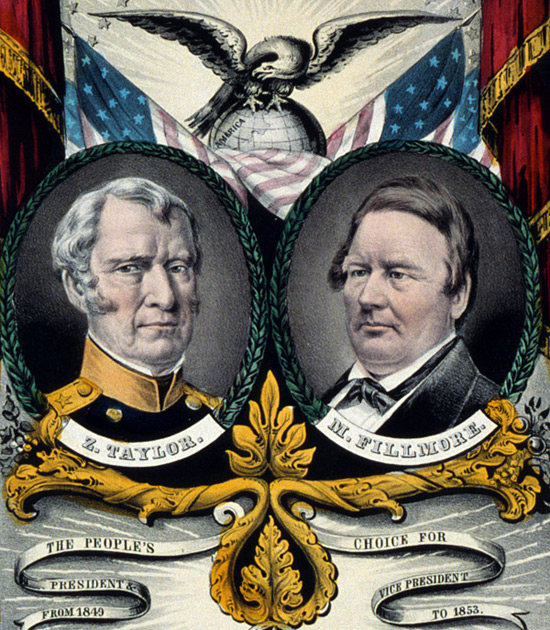
The Election of 1848 was bound to be unique, as President James Polk had made clear that he would serve only one term as president. With that, the Whigs and the Democrats had to put forth candidates that could meet the parties’ respective goals of reversing President Polk’s policies (the Whigs) and expanding on President Polk’s policies (the Democrats).
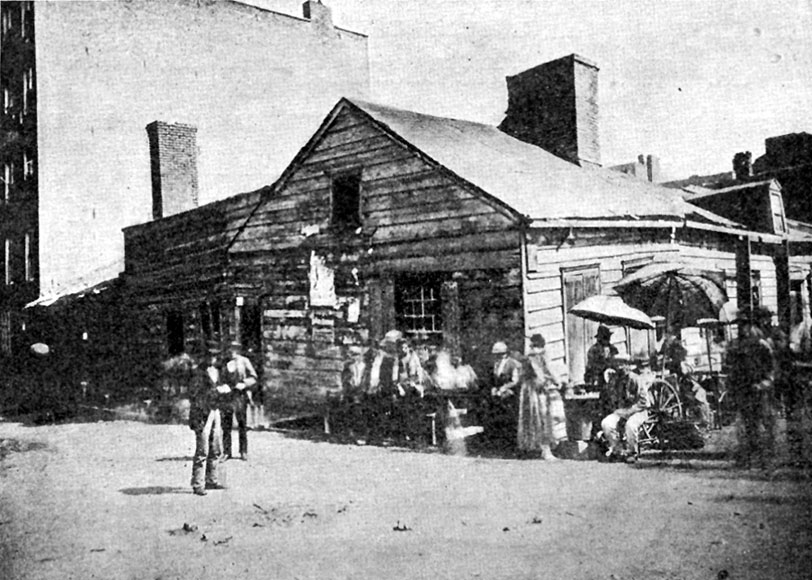
In the mid-1840s, the last major famine in European history would take place in Ireland. This famine would have significant ramifications for America, as it would lead to a massive wave of immigrants.
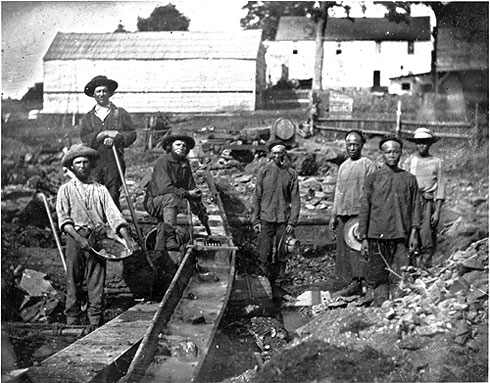
On January 24, 1848, James Marshall and Johann Sutter made a discovery that would transform the territory of California and bring about pandemonium in American society. The specks of gold that they discovered, while they may have hoped to keep secret, were anything but a secret.
 Last Best Hope of Earth