As time passes and collective morals change, the legacies of prominent figures in American history often evolve. The context in which these individuals earned their place in American memory becomes increasingly difficult to uncover.
Tag: Battle of the Wilderness
-
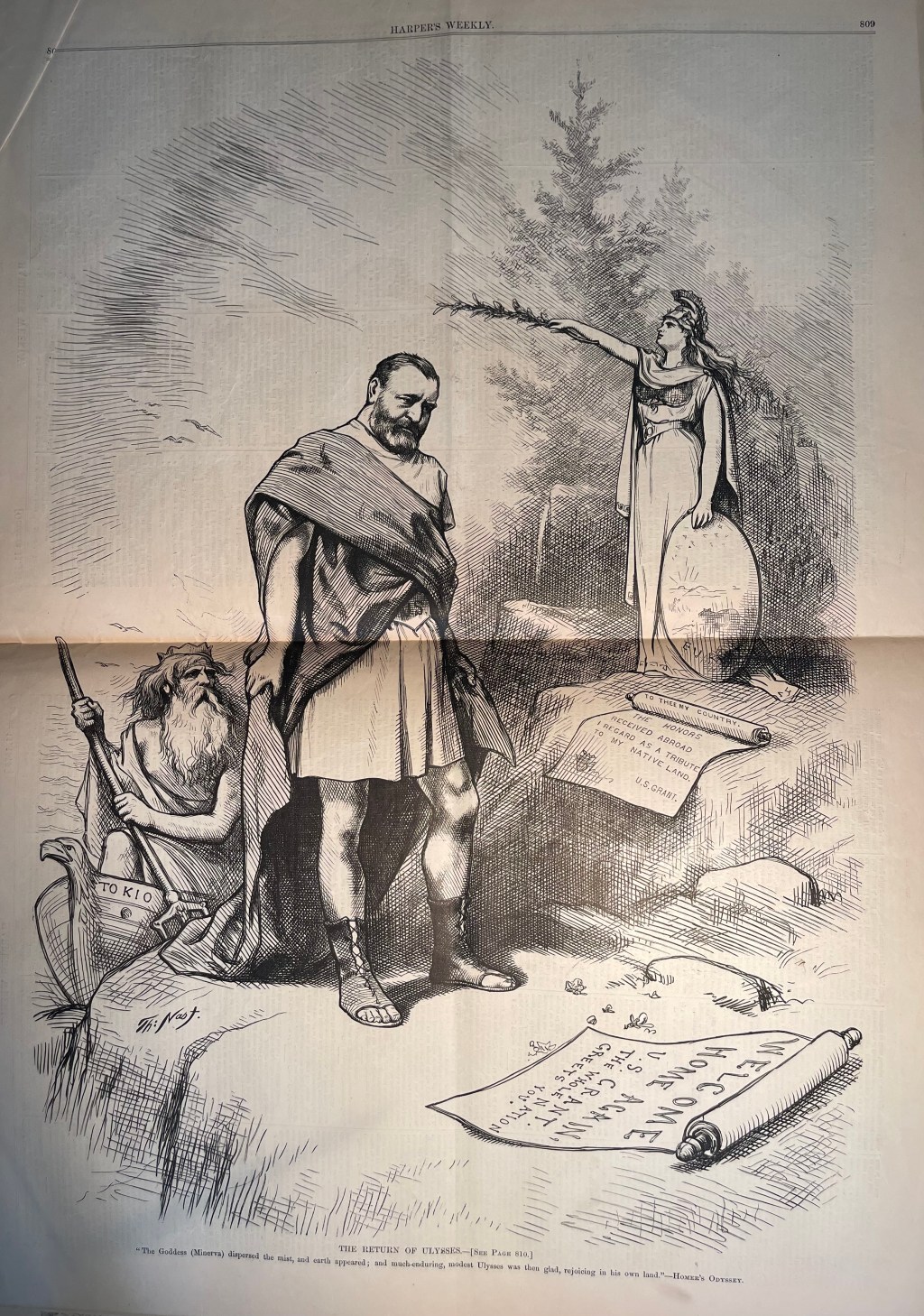
Ulysses S. Grant: An American Hero
-
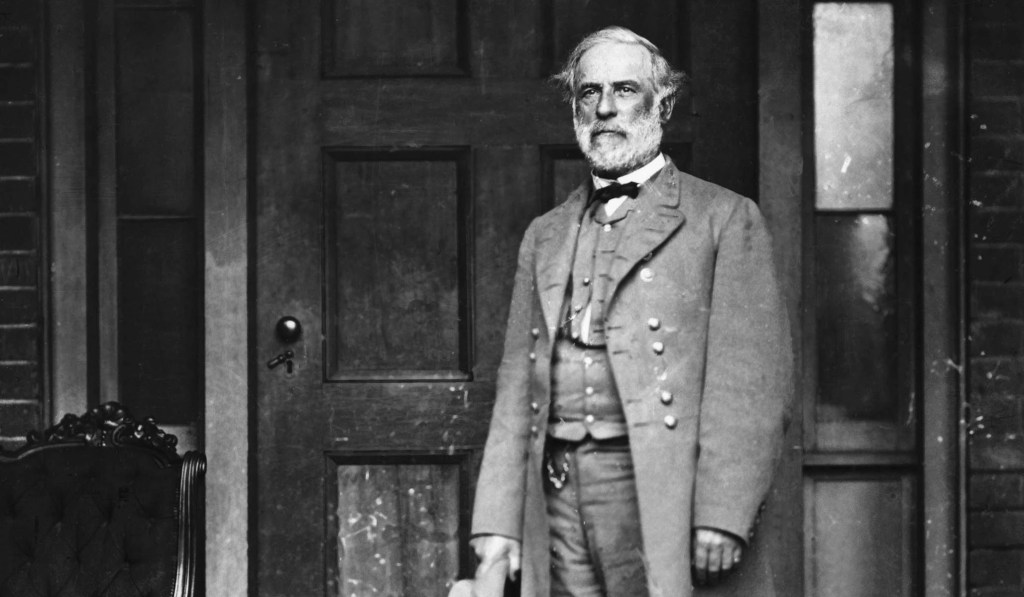
The Legacy of Robert E. Lee
No figures in American history earn universal admiration. As years—and generations—pass, legacies change. As morals, priorities, and political issues evolve, so do understandings of those people in the past who brought change—good, bad, or otherwise—to the country. For some figures, like Abraham Lincoln, whose authentic genius is admired generation after generation, their merit is questioned only by those who unreasonably say the great should have been greater. For others, it becomes much more varied and nuanced, and for Robert E. Lee, his legacy has always differed depending on the part of the country where his legacy is measured and the tenor of the moment. This is because, perhaps more than even Confederate President Jefferson Davis, Lee became a symbol of the Confederacy—with all its ills but also its potential for what might have been.
(more…) -

The Battle of Petersburg
Consistent with every other battle in Ulysses S. Grant’s career that left him with a discouraging result, he had drawn up a plan to avenge the disaster at Cold Harbor and put the Confederates on their heels. (more…)
-
The Battle of Spotsylvania Court House
At Spotsylvania, Virginia, within miles of the Confederate capital, the rebels had constructed the strongest defensive position yet in the war. Robert E. Lee, despite any evidence of a Union movement in that direction, presciently ordered his men to the town as it was the “best strategic point” for the federals.[i] Ulysses S. Grant, continuing his offensive into southern territory, opted to divide his men for both a flank maneuver around the fieldworks and a direct attack on them. (more…)
-

The Battle of the Wilderness
By the spring of 1864, changes were abound on the Union side. Three generals—Ulysses S. Grant, William Tecumseh Sherman, and Philip Sheridan—had become the preeminent leaders of the northern army. With Congress having revived the rank of lieutenant general, a rank last held by George Washington, President Abraham Lincoln promoted Grant to that rank and bestowed on him the title of general in chief.[i] While the North was in the ascendancy, the Confederate army had suffered through the winter. The Confederate Congress had eliminated substitution, which had allowed wealthy southerners to avoid conscription, and “required soldiers whose three-year enlistments were about to expire to remain in the army.”[ii] Even with Congress taking the extraordinary step of adjusting the draft age range to seventeen years old through fifty years old, the rebels still numbered fewer than half their opponents.[iii] Nonetheless, hope was not lost: a camaraderie pervaded the Southern army—particularly amongst the many veteran soldiers—which was perhaps best encapsulated in General Robert E. Lee’s saying that if their campaign was successful, “we have everything to hope for in the future. If defeated, nothing will be left for us to live for.”[iv] (more…)
 Last Best Hope of Earth