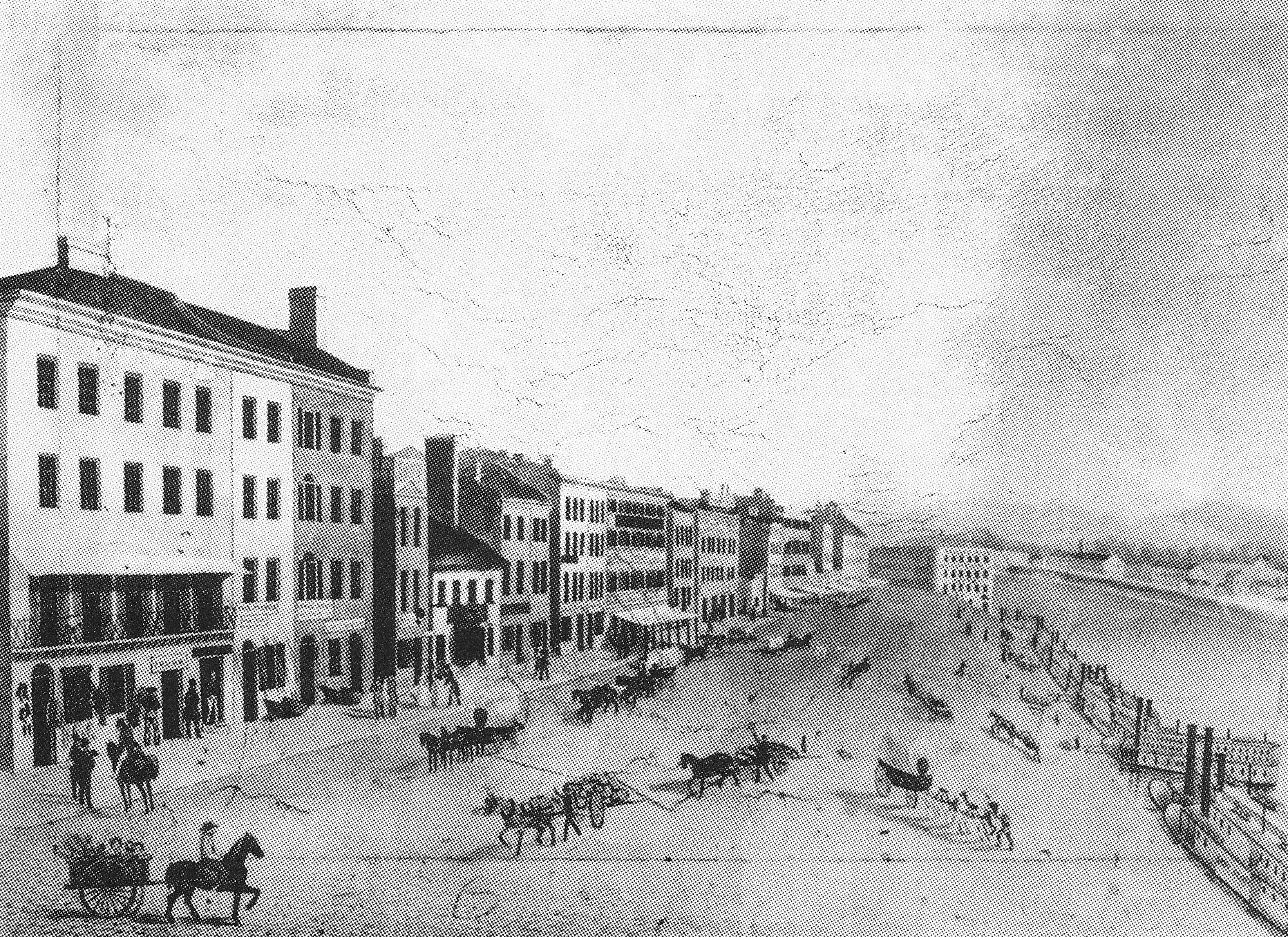
From the 1820s through the 1840s, America’s cities were changing rapidly due to the transportation revolution, technological advances, and world events.
From the 1820s through the 1840s, America’s cities were changing rapidly due to the transportation revolution, technological advances, and world events.

Amidst the Panics of 1837 and 1839, the Whigs enjoyed significant gains in Congress, which led to Robert M.T. Hunter, a pro-states’ rights southerner, becoming Speaker of the House. Daniel Walker Howe, What Hath God Wrought: Transformation of America, 1815-1848, 506. Further, besides the changing composition of Congress, the federal government’s policies would change, as a result of the Panics.

In Martin Van Buren’s inaugural address, in March of 1837, he boasted of the prosperity and expansion of commerce that had occurred under his predecessor, Andrew Jackson. Just months later, the Panic of 1837 would begin. Daniel Walker Howe, What Hath God Wrought: Transformation of America, 1815-1848, 502.
Cato III
New York Journal, October 25, 1787
Following are excerpts from Cato III’s article in the New York Journal:
“The governments of Europe have taken their limits and form from adventitious circumstances, and nothing can be argued on the motive (more…)

American history, and world history for that matter, is filled with examples of false prophecies. William Miller was perhaps one of the earliest false prophets of the American republic.
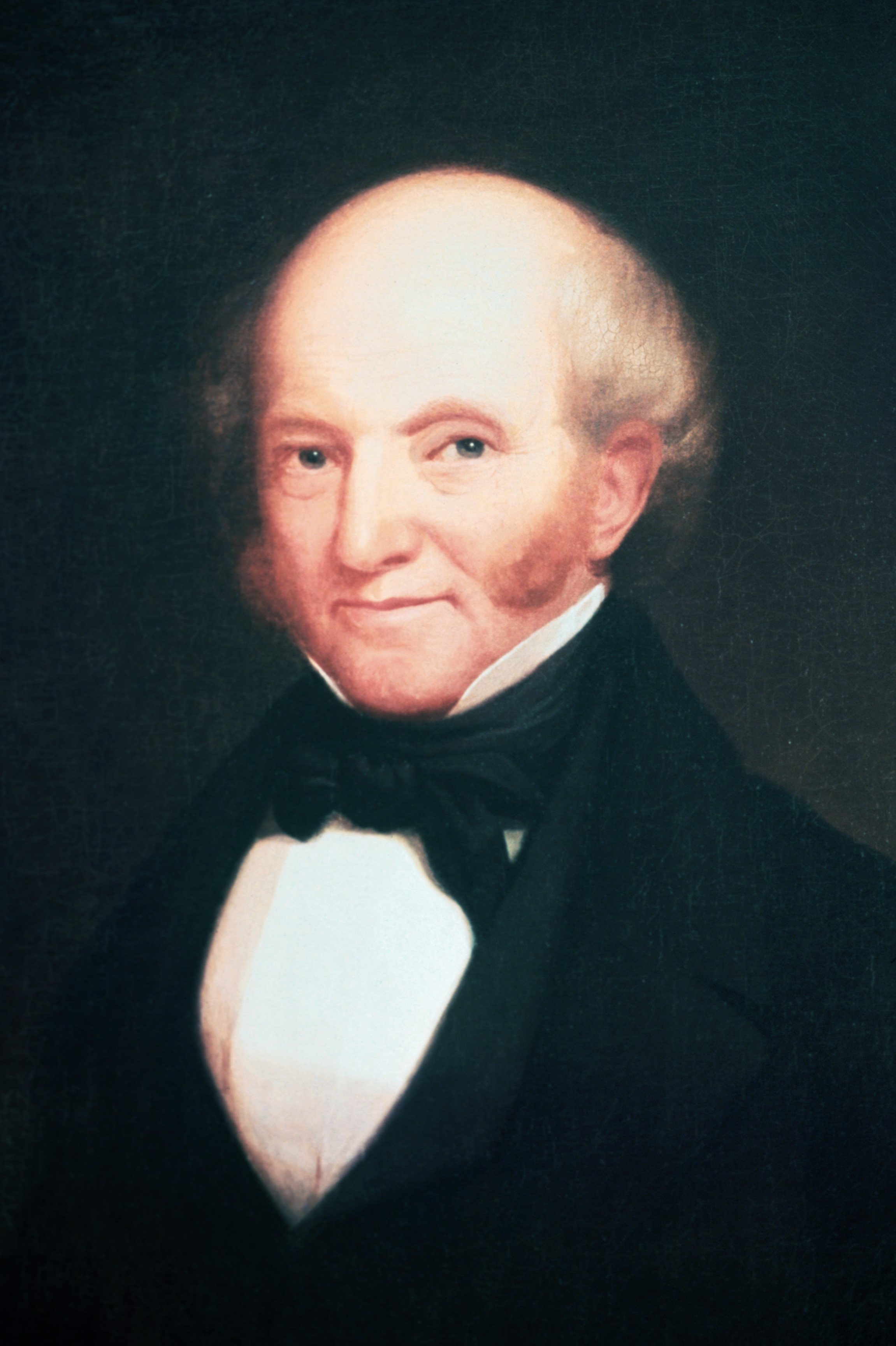
Both President John Quincy Adams and Henry Clay were of the mindset that much could be accomplished in developing the American economy with the help of the government. Martin Van Buren had different ideas, however.

John Quincy Adams, Secretary of State from 1817 to 1825, was a principled, “tough negotiator.” Daniel Walker Howe, What Hath God Wrought: Transformation of America, 1815-1848, 107.
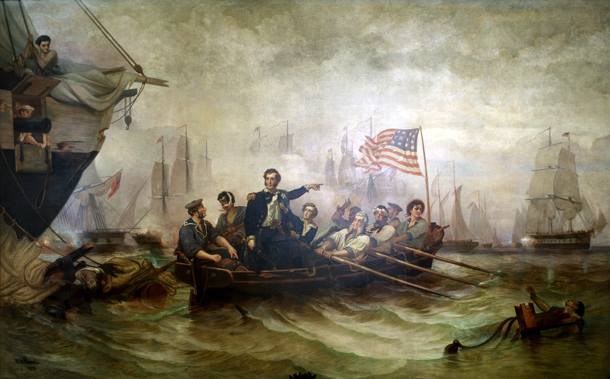
As news arrived in America on February 13, 1815 that the Treaty of Ghent was finalized and that peace between America and Britain was complete, Americans had a complete change of mind. Rather than dwell on the burning of Washington, D.C. or the humiliation of Britain’s invasion, Americans relished the victory of General Andrew Jackson in the Battle of New Orleans and the peace. See Daniel Walker Howe, What Hath God Wrought: The Transformation of America, 1815-1848, 71.

By the end of the War of 1812, President James Madison had weathered what is likely one of the tumultuous years that any president has had to endure. The British had landed a force, marched on Washington, D.C., and burned the White House. President Madison had trusted his Secretary of War John Armstrong when he doubted the possibility of a British invasion, only to be caught off guard when a scouting party, led by Secretary of State James Monroe, located just how close the British were to Washington. See Daniel Walker Howe, What Hath God Wrought: The Transformation of America, 1815-1848, 63-64.
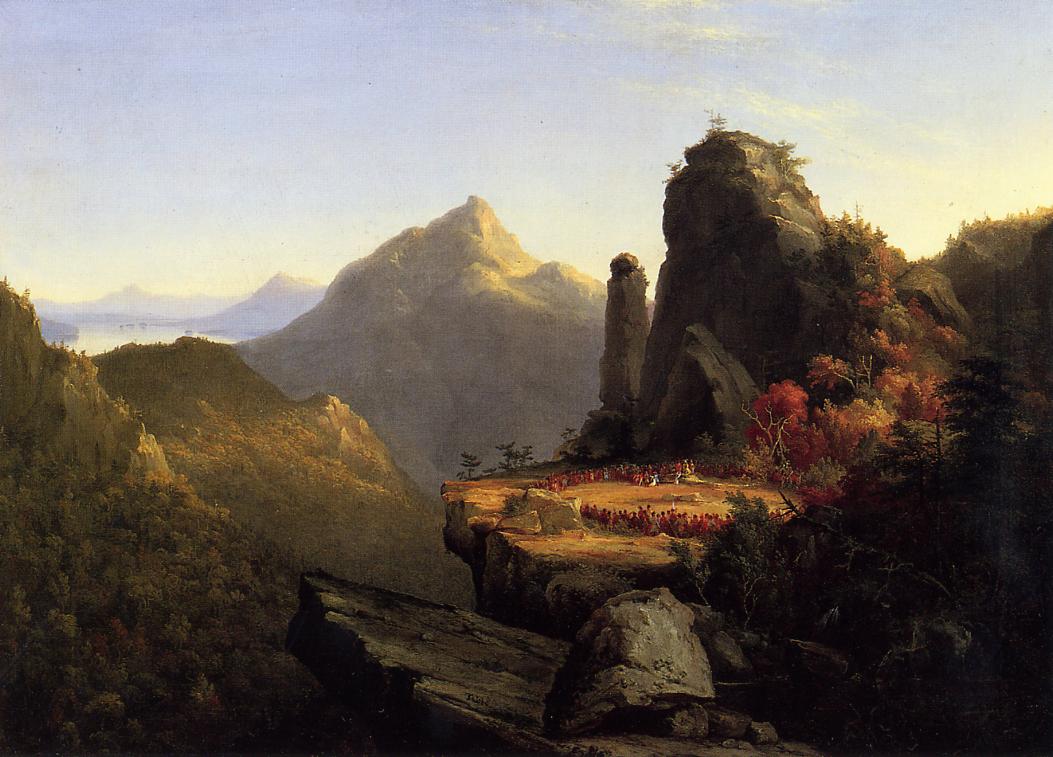
By 1815, the Native Americans had been pushed mostly out of the New England area and into territories just east of the Mississippi River and the entirety of the territory west of the Mississippi River. The Native Americans were a significant obstacle to expanding American territory.
 Last Best Hope of Earth