
With the Civil War’s end, the United States had put itself back on course to become one of the leading economies in the world. Economic strength begets influence around the world, and America was no exception to this principle; it now was entering an era—an era that, as of the time of this writing, has not come to a close—of taking part in directing the world’s affairs. More than that, America now had the potential to reshape parts of the world in its image. After all, this was the 19th Century, and the era of empires was arguably at its peak—although its sun was setting. For the time, there was an expectation: if you had the opportunity and resources to expand, to take more land and more people into your orbit, you took full use of the opportunity. To abstain from this mode of operation was to concede a wealth of riches, and indulging in the taking of those riches was no cause for shame; every one of the major powers—some for decades, some for centuries—had carved up a part of the world, had made their own empire.
(more…)Tag: Canada
-
The Fugitive Slave

The Fugitive Slave. By: John Houston. 1853. The Fugitive Slave Act, passed as part of the Compromise of 1850, was intended to resolve the tension surrounding the issue of slavery. Its provisions, however, ensured that it would not have such an alleviating effect.¹ The Act “denied the alleged fugitive any right to jury trial, not even guaranteeing it in the jurisdiction from which he had escaped.” David Potter, The Impending Crisis: America Before the Civil War, 1848-1861, 131. It also allowed a court to appoint a commissioner to decide a fugitive slave’s case. See id. That commissioner was entitled to a $10 fee where the “alleged fugitive was delivered to the claimant,” but if the slave was set free, the commissioner would receive only a $5 fee, creating an incentive for returning fugitives to slavery. Id. Finally, the Act gave federal marshals the power “to summon all citizens to aid in enforcement of the Act.” Id. citing Stanley W. Campbell, The Slave Catchers: Enforcement of the Fugitive Slave Law, 1850-1860 (Chapel Hill, 1968). (more…)
-
The Webster-Ashburton Treaty of 1842
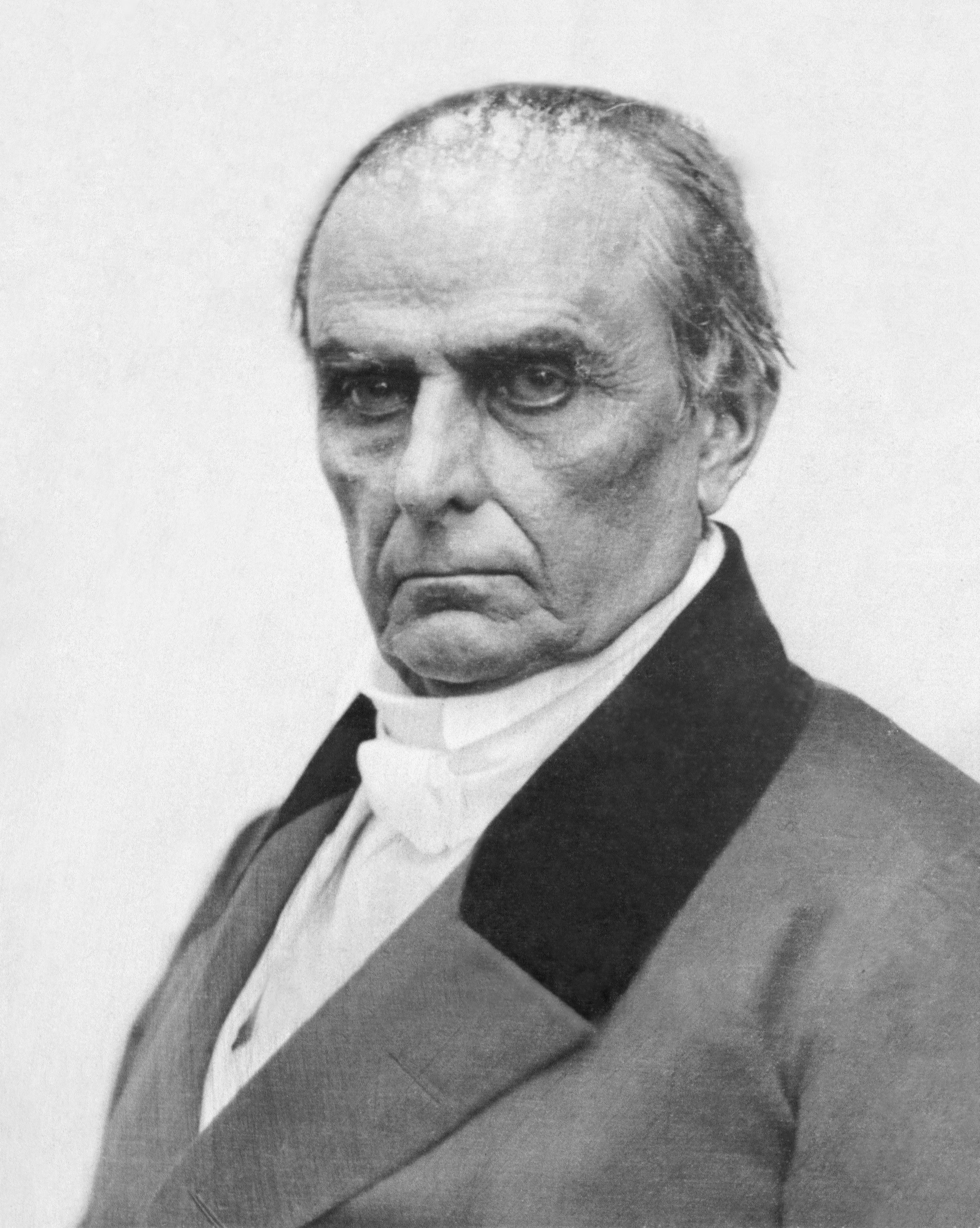
Daniel Webster. Daniel Webster, the Secretary of State under President John Tyler, brought a breadth of experience and dignity to the office, but he also brought “a different perspective on Anglo-American relations.” Daniel Walker Howe, What Hath God Wrought: Transformation of America, 1815-1848, 672.
-
The Progress of Women in the 1830s and 1840s

Dorothea Dix. Around the 1830s and 1840s, individuals who suffered from mental illness were treated as criminals, regardless of whether they had actually committed a crime. See Daniel Walker Howe, What Hath God Wrought: Transformation of America, 1815-1848, 604. Dorothea Dix sought to change that.
-
Jackson’s Early Economic Success

President Andrew Jackson. Circa 1830-32. By: Ralph Eleaser Whiteside Earl. President Andrew Jackson had good fortune as his presidency began with a wave of prosperity. See Daniel Walker Howe, What Hath God Wrought: Transformation of America, 1815-1848, 360.
-
The Failure of Colonization
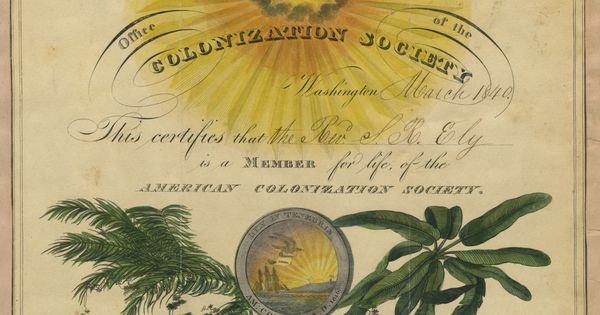
Certificate for Life Membership in the American Colonization Society. The American Colonization Society, the premier organization advocating for the exportation of slavery to Africa, had a major supporter in Secretary of State Henry Clay in the late 1820s.
 Last Best Hope of Earth