January 8, 1861
A few weeks after Henry Adams wrote to his brother Charles Francis Adams Jr. about the scenes playing out post-election in Washington, D.C., he wrote again—this time about the potential for warfare to soon begin.
(more…)January 8, 1861
A few weeks after Henry Adams wrote to his brother Charles Francis Adams Jr. about the scenes playing out post-election in Washington, D.C., he wrote again—this time about the potential for warfare to soon begin.
(more…)
December 18, 1860
Washington, D.C., as ever, was the site of negotiations that would change the direction of the country. A month after Abraham Lincoln’s victory in the election of 1860, the national dialogue was rife with talk of secession. However, there had not yet been any state that had made good on its threats and seceded. There was even talk of ratifying an amendment to the Constitution that would protect the institution of slavery—but it would not amount to anything more than talk.
(more…)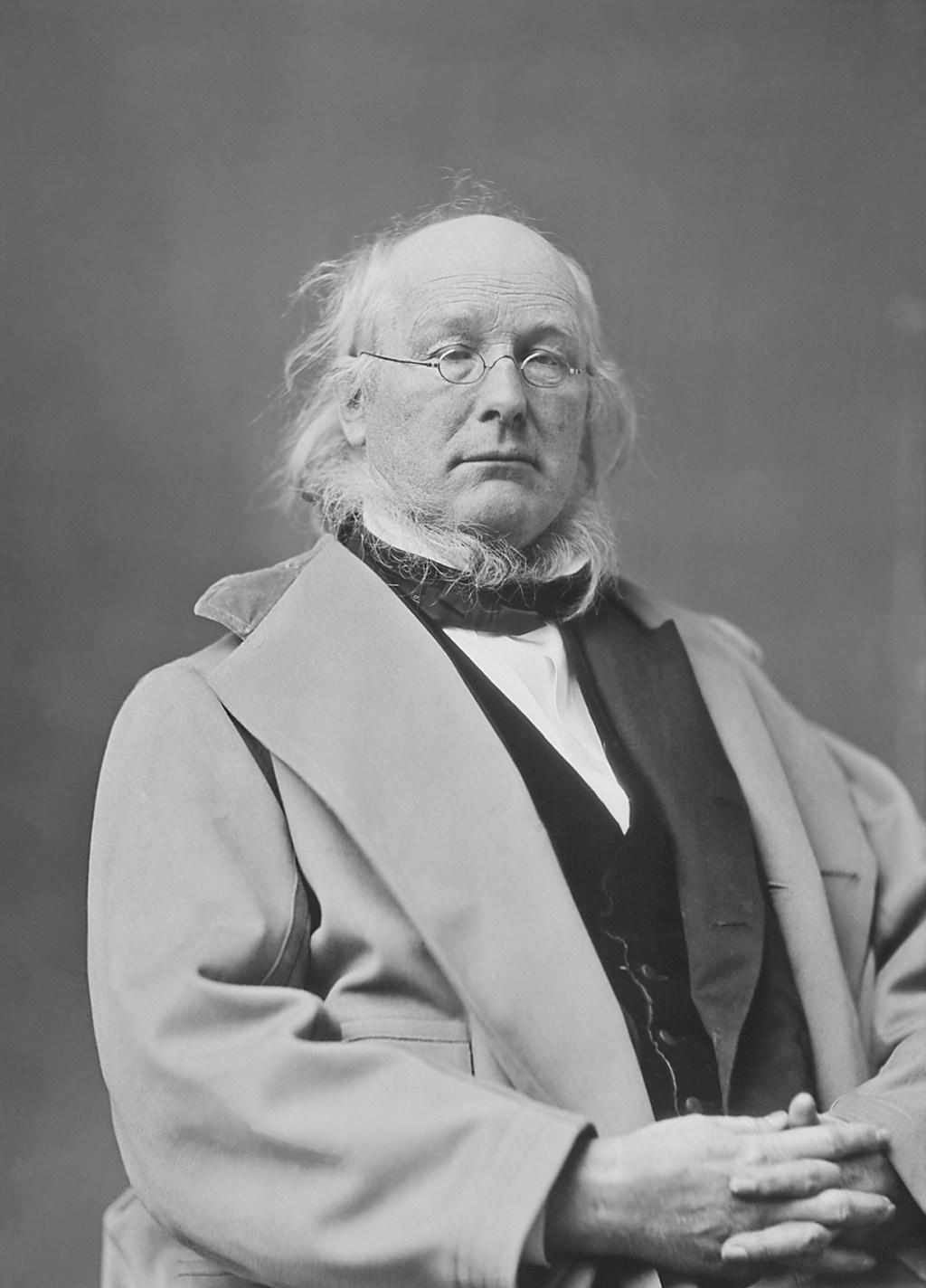
From the time that Ulysses S. Grant became a household name in America—during the Civil War—and particularly following Lincoln’s assassination, there was no more popular American in the remainder of the Nineteenth Century. The presidential election of 1868 showed the level of support that Grant had: although it was his first election, he won the entirety of the Midwest and New England and even took six of the former Confederate states. He was always going to be a formidable opponent. As the election of 1872 approached, it became clear that Grant, a Republican, would not have to vie for re-election against a candidate with the stature of a fellow former general or even a well-established politician; instead, his challenger would be the founder and editor of a newspaper: Horace Greeley, a Democrat. Although Greeley had one term in the House of Representatives at the end of the 1840s, his following stemmed not from his brief time as a politician but rather the incisive pieces that he wrote and published in his newspaper, the New-York Tribune. As loyal as his readers were, there remained a question whether Greeley’s following could grow to unseat the man who still, seven years after the war, was viewed as bringing peace and prosperity to the country.
(more…)
The Deep South’s animating of a Second American Revolution, by seceding from the Union and laying the foundation for an operational Confederate government, forced the North to either suppress the South’s uprising or craft a resolution. The likelihood of war would deter any widespread northern suppression, leaving the question: What compromise could the North propose that appeased the South and put both sections of the country on a path of coexistence? While variations of this question had been posed in the years leading up to 1860, at no prior point were states seceding from the Union en masse to form a rival government. (more…)
 Last Best Hope of Earth