
By the 1830s and 1840s, slavery had become engrained in the American legal system, enjoying protections and safeguards against its abolition and ultimately ensuring its continuation.
By the 1830s and 1840s, slavery had become engrained in the American legal system, enjoying protections and safeguards against its abolition and ultimately ensuring its continuation.

From the War of 1812 on, for the next few decades, the use of militias would become less and less prominent in America.
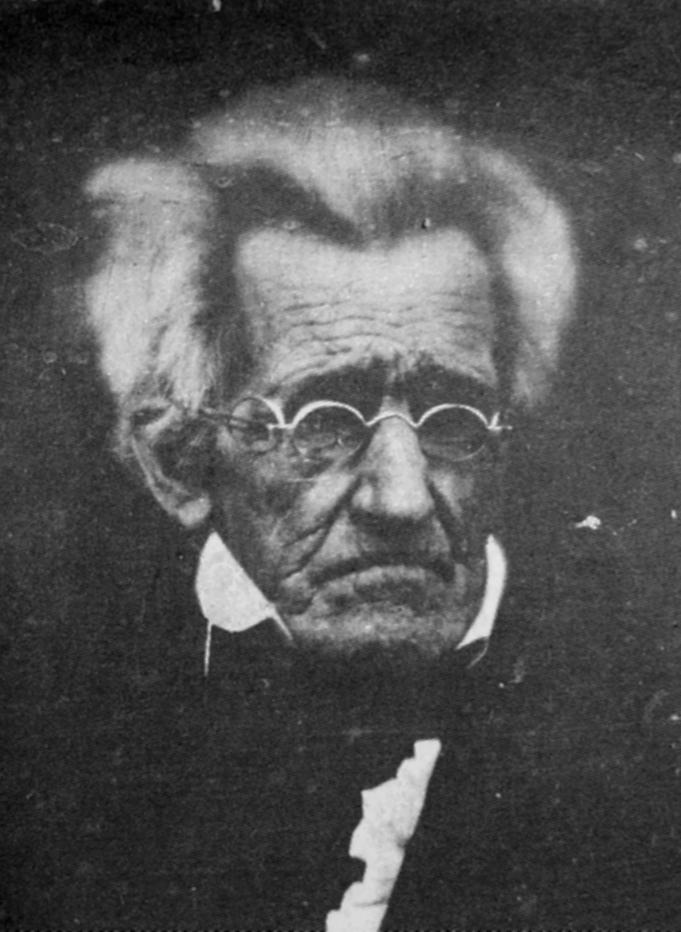
President Andrew Jackson, with his term coming to an end, commissioned the Chief Justice of the Supreme Court, Roger Taney, to write his farewell address. This was his imitation of George Washington, who had started the tradition of the farewell address. See Daniel Walker Howe, What Hath God Wrought: Transformation of America, 1815-1848, 500.

John Calhoun and his like-minded supporters hoped that nullification would become a legitimate alternative to secession for the South. Nullification was the doctrine that Calhoun believed meant that states could nullify a federal law, on the basis that states had their own sovereignty and the federal government could not infringe on that sovereignty. See Daniel Walker Howe, What Hath God Wrought: Transformation of America, 1815-1848, 402. This approach was designed to primarily perpetuate the institution of slavery, without the conflict culminating in secession, or worse, civil war.

In 1830, Daniel Webster, Senator from Massachusetts, engaged in a heated debate with Robert Hayne, Senator from South Carolina, which touched on the political theory of federal and state sovereignty.

President Andrew Jackson had good fortune as his presidency began with a wave of prosperity. See Daniel Walker Howe, What Hath God Wrought: Transformation of America, 1815-1848, 360.

In the 1810s and 1820s, Americans were drinking as much as seven gallons of alcohol per year per person, drinking at every meal. Daniel Walker Howe, What Hath God Wrought: Transformation of America, 1815-1848, 167. Even students at school could see their teacher inebriated while teaching, with drunkenness being commonplace throughout society. Id. This came, however, during the Second Great Awakening, a profound increase in religiosity in American society.

With the creation of the Missouri Compromise came a second controversy for Missouri. Some northerners threatened “not to consent to the Missouri constitution when it came back to Congress for final approval.” Daniel Walker Howe, What Hath God Wrought: Transformation of America, 1815-1848, 156. Henry Clay, then-Speaker of the House of Representatives, led the effort to solving this second controversy.
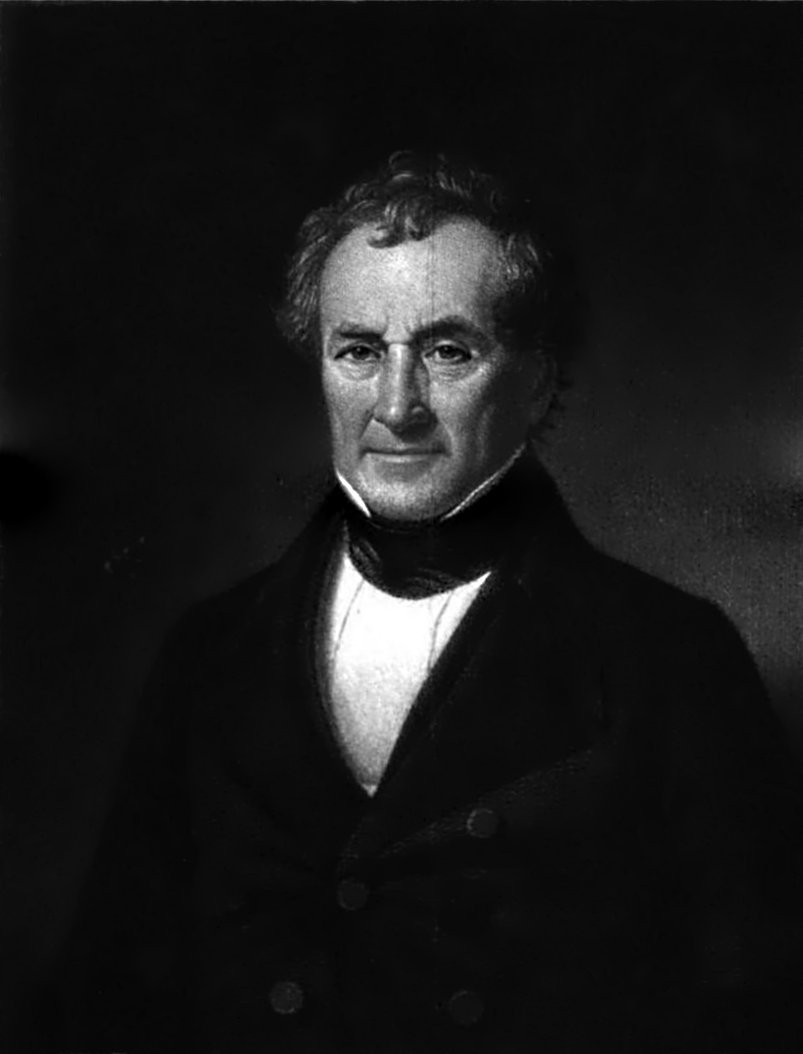
By 1819, the area west of the Mississippi River, known as the Missouri Territory, had obtained a population qualifying it to be admitted to the Union. Daniel Walker Howe, What Hath God Wrought: Transformation of America, 1819-1848, 147. The only requirement to be admitted was that an enabling act be presented to Congress “authorizing Missouri voters to elect a convention to draft a state constitution.” Id. That bill was proposed, but Representative James Tallmadge proposed an amendment prohibiting further “importation of slavery” and “all children of slaves born after Missouri’s admission to the Union should become free at the age of twenty-five.” Id. This provoked great “consternation in the House of Representatives.” Id. citing Annals of Congress, 15th Cong., 2nd sess., 1170.

As the Great Migration occurred after the War of 1812, regional differences came to light amongst Americans.
 Last Best Hope of Earth