Tag: Civil War

  • The Civil War: James Buchanan: From the Annual Message to Congress

    The Civil War: James Buchanan: From the Annual Message to Congress

    December 3, 1860

    Washington City

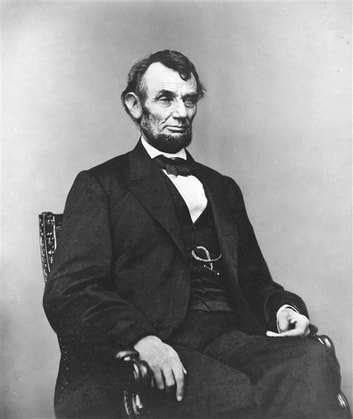
    James Buchanan was never going to avert the Civil War. But in his annual message to Congress, after the election of 1860, he scarcely even tried. Whereas most outgoing presidents use their last days in power to begin shaping their legacy, reflect on their time at the helm, and share their unique perspective on the country—and on the world—Buchanan was not like most outgoing presidents.

    (more…)
  • The Civil War: Frederick Douglass: The Late Edition

    December 1860

    Politicians walk a tightrope when they choose their positions on political issues, especially when it’s a thorny issue. And when critics attempt to pigeonhole a politician as an extremist, those critics often achieve exactly the opposite: that politician then essentially has license to choose any position except an extreme one—defying the critics and potentially pleasing the constituency. Meanwhile, other politicians—less “extreme” ones—continue walking the tightrope, carefully planning their next steps. When Abraham Lincoln won the election of 1860, this dynamic took hold: the South made dark predictions about what the “extreme” Lincoln administration would seek to accomplish—opening up space for Lincoln to navigate and gifting him the opportunity to placate fellow northerners while searching for ways to steer the country away from the menace of prolonged civil war.

    (more…)
  • The Civil War: William G. Brownlow to R.H. Appleton

    November 29, 1860

    Knoxville, Tennessee

    When the United States faced the prospect of disunion, in the fall of 1860, there was virtually no precedent to which Americans could look. This wasn’t a matter of policy differences: states were debating whether to leave the Union. And many felt that it was inherently wrong and tried to articulate why this situation was different from the American Revolution—why the North was not tyrannical toward the South in the same way that England had been tyrannical toward the colonies—and thus why secession was not warranted. William G. Brownlow, of eastern Tennessee, was one who was against secession and sent a letter to R.H. Appleton, a friend and former subscriber of Brownlow’s newspaper, unpacking the ways in which those states were wrong to secede.

    (more…)
  • The Civil War: George Templeton Strong: Diary, November 20-December 1, 1860

    The Civil War: George Templeton Strong: Diary, November 20-December 1, 1860

    November 20, 1860 to December 1, 1860

    New York City

    State laws often have an outsized influence on discussions of national politics. This is despite the fact that one state’s laws have no binding effect in other states; then, add to that the fact that some states will pass laws with little intent or resources backing the enforcement of those laws. Those are the laws that can be nothing more than pieces of paper as props in the political theater. But, when those laws touch on an inflammatory issue, the practicalities of the laws become irrelevant. The only thing that matters then is that the laws exist and that they could spread to other states, disrupting the status quo and creating concern as to the path that the nation and its states have chosen.

    (more…)
  • The Civil War: Sam Houston to H.M. Watkins and Others

    The Civil War: Sam Houston to H.M. Watkins and Others

    Sam Houston to H.M. Watkins and Others

    November 20, 1860

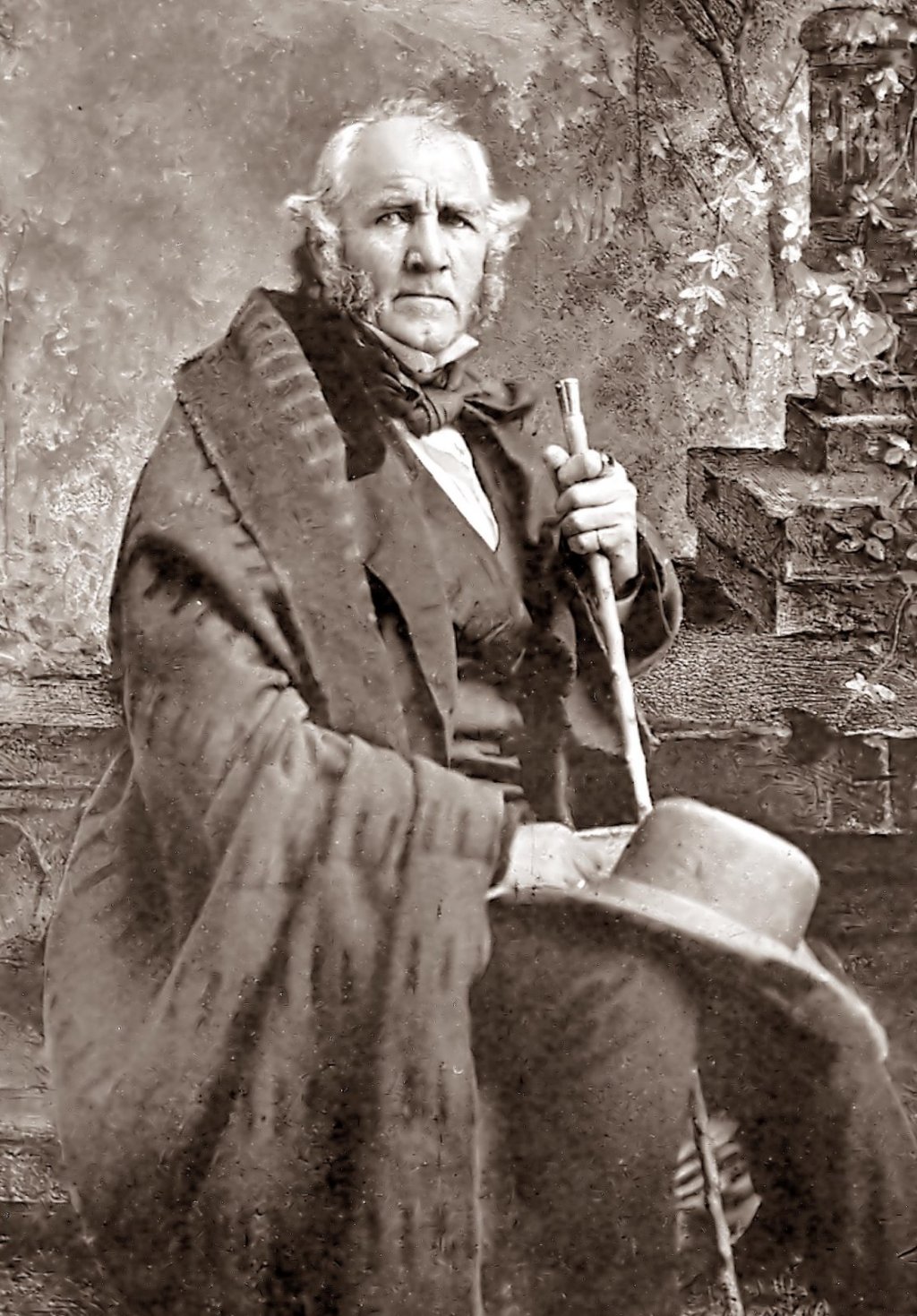
    Politicians who have become household names have an ability to sway public opinion—and they know it. They can use their precious political capital to that end. But it’s a risky proposition. If they see odds they like and place their bets only to lose, they may see themselves fall out of favor, out of office, and out of the public eye. If, however, they read the moment correctly and positioned themselves just right, they may ascend further still—higher in esteem and maybe even earn their place in the collective memory of the nation.

    (more…)
  • The Civil War: New York Daily News: The Right of States to Secede

    November 16, 1860

    With the idea of secession permeating the public discourse, there were questions of whether states even had the right to secede. These questions were not confined to academics and lawyers; even the newspapers of New York City explored these questions—one of which, the New York Daily News, was a conservative newspaper that had supported John C. Breckinridge in the election of 1860.

    (more…)
  • The Civil War: Benjamin Hill: Speech at Milledgeville

    November 15, 1860

    There is an assumption that people throughout the South were the only ones calling for a dissolution of the Union. This is a faulty assumption; there were people in the North who saw no potential for reconciliation and called for dissolution. Some people even argued that the Constitution’s acknowledgement of slavery was a basis to set it aside and to replace it with a document that reestablished the republic without the institution of slavery—albeit a republic comprised of only those states that would not tolerate slavery.

    (more…)
  • The Civil War: New-York Daily Tribune: Going to Go

    The Civil War: New-York Daily Tribune: Going to Go

    November 9, 1860

    One of the most famous newspapermen of his time, Horace Greeley, almost always had a sharp opinion, and with his newspaper, the New-York Daily Tribune, he had an audience. With the ubiquitous talk of secession during and after the election of 1860, Greeley had an opportunity to bring a more sober, well-reasoned approach to the issue.With that, perhaps he could resolve some of the tension that had developed between the North and South and assist in averting what seemed then to be an inevitable crisis.

    Horace Greeley (1811-1872) was a prominent American newspaper editor and publisher during the 19th century.

    Greeley was a strong opponent of slavery and was a vocal supporter of the Union cause during the Civil War.

    (more…)
  • The Civil War: John G. Nicolay: Memoranda Regarding Abraham Lincoln

    The Civil War: John G. Nicolay: Memoranda Regarding Abraham Lincoln

    November 5-6, 1860

    Who won the presidential election of 1860 would shape the following weeks and months—not because the winner would immediately take power; but because the direction of the country would come into focus. Perhaps the South would avoid its worst fear of having a Black Republican in the White House. Or perhaps their worst fear would become reality: Abraham Lincoln would win the election; then, there would be no choice but to go on with seceding between the election—in November—and the inauguration—in March. And then, for the South, there would finally be a cause for conflict; and not just a conflict of words but, for some, an overdue start to warfare with the North.

    (more…)
  • Ulysses S. Grant: An American Hero

    Ulysses S. Grant: An American Hero


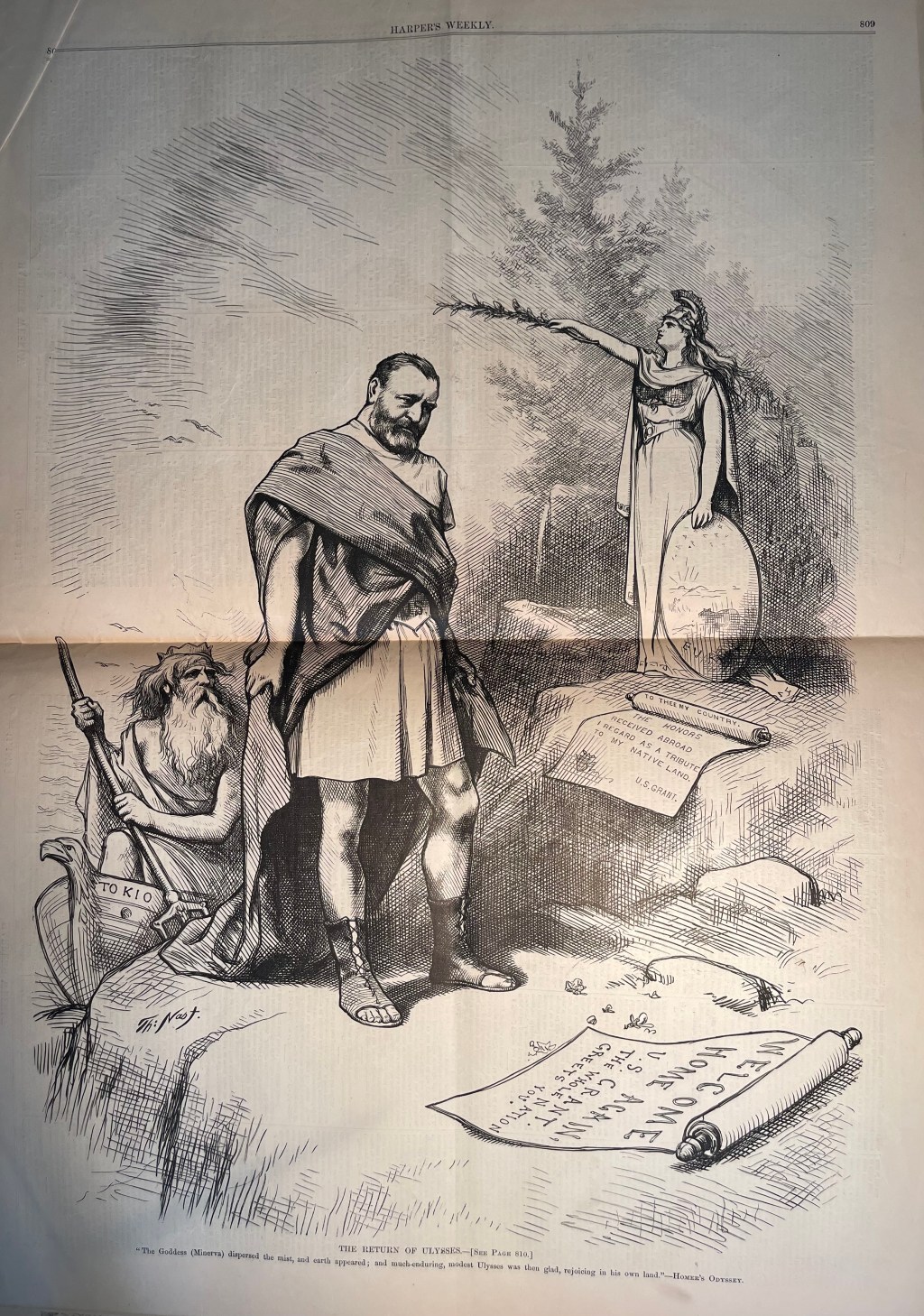
    As time passes and collective morals change, the legacies of prominent figures in American history often evolve. The context in which these individuals earned their place in American memory becomes increasingly difficult to uncover.

    (more…)