Tag: Civil War

  • The Role of Slavery in Splitting America

    underground_railroad
    The Underground Railroad. By: Charles T. Webber.

    Since the outbreak of the Civil War and continuing to the present day, the role of slavery in splitting America has been hotly debated. One may wonder whether there was merely a correlation between slavery and the Civil War or whether slavery was the cause. Investigating the nuances of the issue of slavery reveals that the Civil War resulted from sectionalism and slavery, which were practically synonymous.

    (more…)

  • Tipping the Balance of Sectionalism

    casper_wild
    Fort Snelling in the Upper Mississippi Valley. By: John Caspar Wild.

    By 1848, America had numerous sectional differences, and those sectional differences were beginning to take on a different character.

    (more…)

  • Election of 1848: The Barnburners

    smoking_him_out
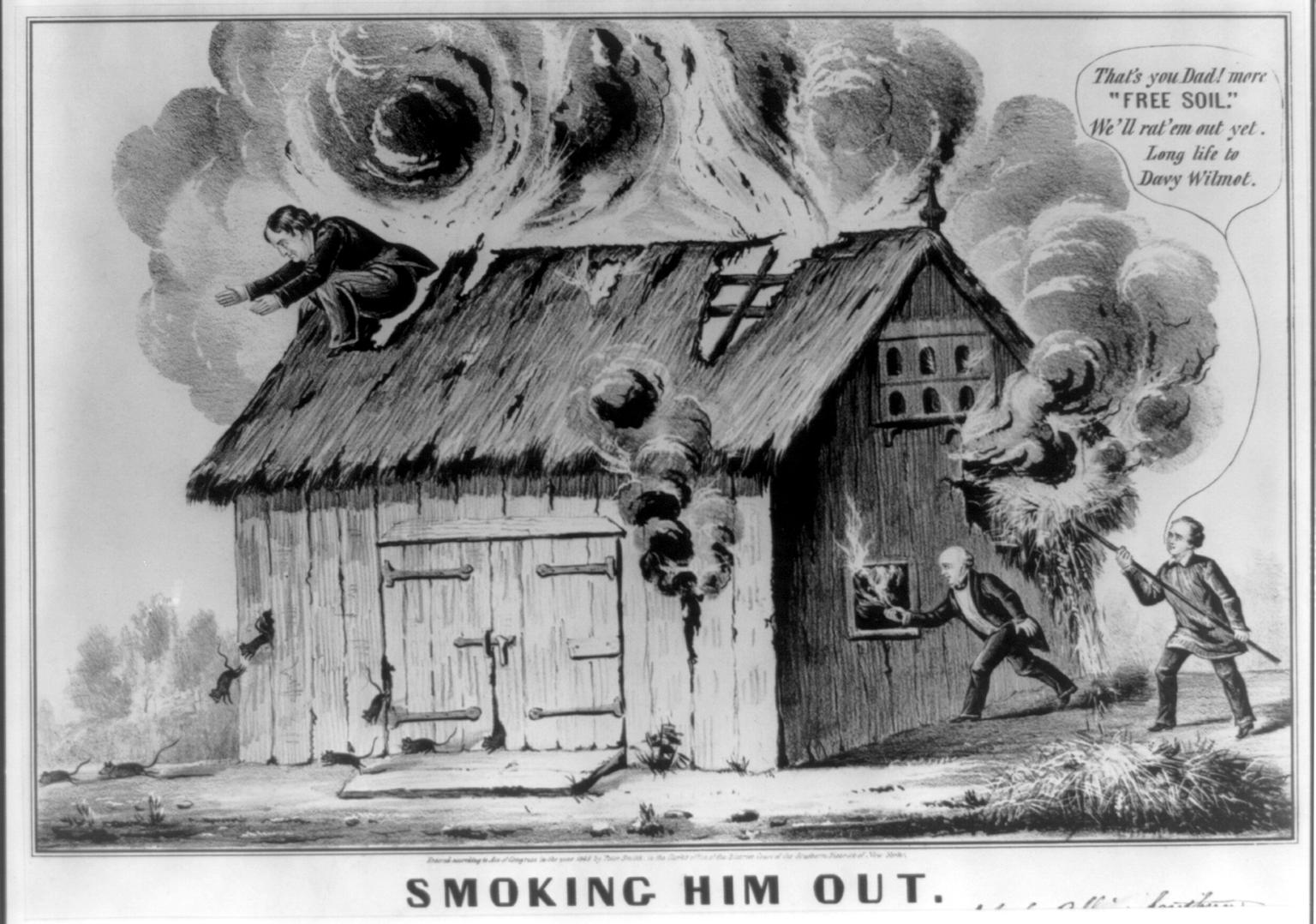
    A Political Cartoon Regarding the Barnburners.

    Approaching the Election of 1848, President James Polk did not have unanimous support amongst Democrats. In fact, quite the opposite.

    (more…)

  • The Death of John Quincy Adams

    john_quincy_adams_daguerreotype_c1840s
    Daguerrotype of John Quincy Adams.

    One of the most outspoken Representatives in the House of Representatives, John Quincy Adams, had opposed the declaration of war on Mexico and fought President James Polk’s policies for the duration of his presidency.

    (more…)

  • America in 1848

    154
    John Calhoun.

    In 1848, when word spread to America that a revolution was breaking out in France, President James Polk wrote: “The great principles of popular sovereignty which were proclaimed in 1776 by the immortal author of our Declaration of Independence, seem now to be in the course of rapid development throughout the world.” James Knox Polk to Richard Rush, April 18, 1848, quoted in Michael Morrison, “American Reactions to European Revolutions, 1848-1852,” Civil War History 49 (June 2003): 117.

    (more…)

  • The Taking of Mexico City

    nebel_mexican_war_12_scott_in_mexico_city
    Winfield Scott Entering Mexico City. By: Carl Nebel.

    Winfield Scott was “one of the greatest soldiers the United States Army has ever produced,” fighting in the War of 1812, the Mexican-American War, and the Civil War. Daniel Walker Howe, What Hath God Wrought: Transformation of America, 1815-1848, 778.

    (more…)

  • A Conspiracy Emerges

    xpolk-pagespeed-ic-bzg1enalzt
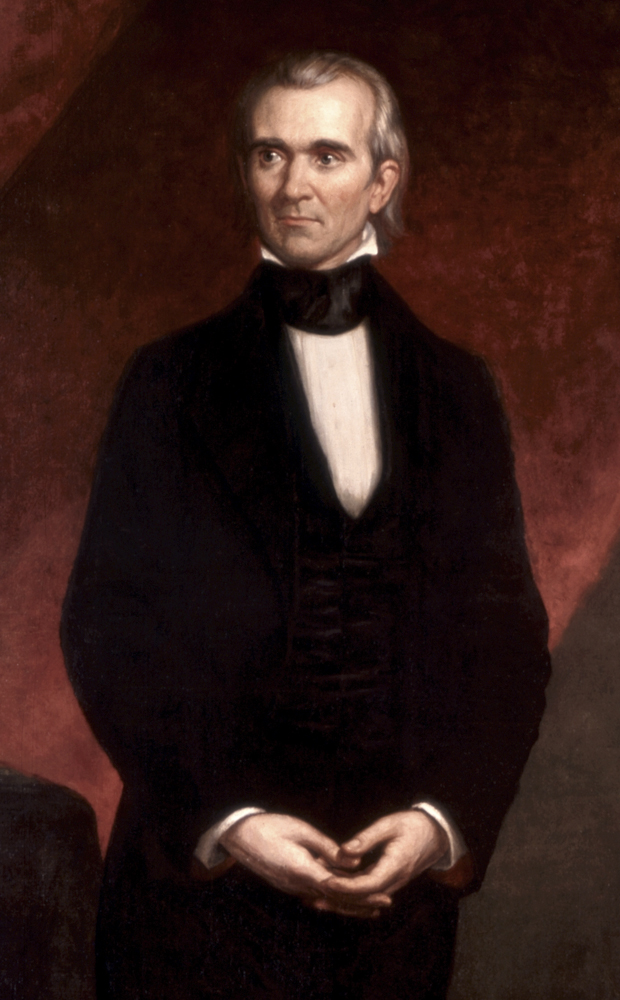
    James Polk.

    Amidst the Mexican-American War, a conspiracy emerged involving President James Polk and the exiled leader of Mexico, Santa Anna. Not only would this conspiracy embolden Whigs but Democrats would also come down on President Polk for his actions.

    (more…)

  • The Whigs’ Dissent

    Portrai
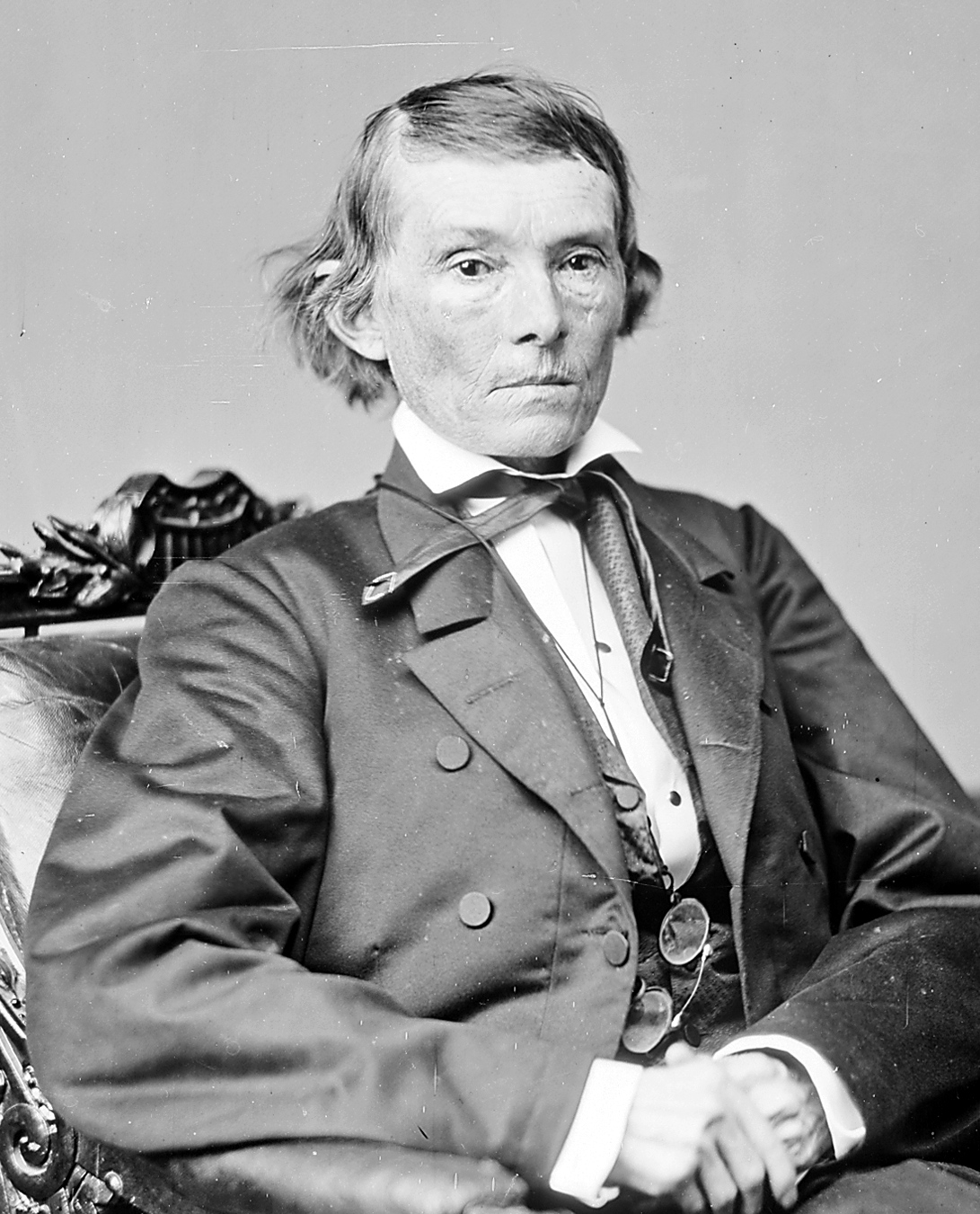
    Representative Alexander Stephens.

    Some Americans may suppose that during wartime, partisanship declines and a sense of unity prevails. During the Mexican-American War, this was not the case. The Whigs were vocal in their disagreement with President James Polk and the Democrats.

    (more…)

  • Rehearsal for the Civil War

    57250b8435090-image
    Depiction of the Mexican-American War. Artist Unknown.

    Some historians have classified the Mexican-American War as a rehearsal for the Civil War, which would erupt approximately 15 years later.

    (more…)

  • The Railroad Revolution

    dewitt_clinton_28locomotive29
    A Depiction of the Replica of the Dewitt Clinton, an American-made Locomotive.

    Following the Panics of 1837 and 1839, America began rapidly expanding a new innovation: the railroad. While this would seem to have brought the country together, in fact, it increased sectionalism, creating more tension between the North and the South. Daniel Walker Howe, What Hath God Wrought: Transformation of America, 1815-1848, 569.

    (more…)