Tag: Congress

  • The Maysville Road Veto

    Political Cartoon of Andrew Jackson
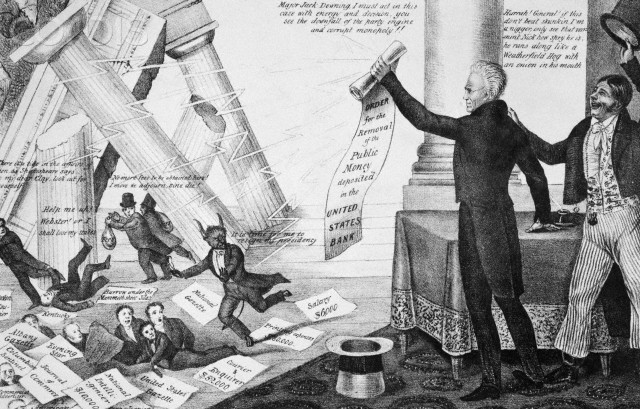
    Political Cartoon Depicting the Maysville Road Veto.

    The Maysville Road was a major internal improvement that Congress had captured in a bill, the Maysville Road Bill. Daniel Walker Howe, What Hath God Wrought: Transformation of America, 1815-1848, 357. It was meant to be a link in the burgeoning transportation network, “connecting the National Road to the north with the Natchez Trace to the south and the Ohio with the Tennessee river systems.” Id.

    (more…)

  • Jackson’s Removal of Native Americans

    chief-joseph
    Depiction of the Removal of Native Americans.

    In the first year of Andrew Jackson’s presidency, the removal of Native Americans from their lands became a top priority.

    (more…)

  • Election of 1828: The Changing Politics

    stump-speaking
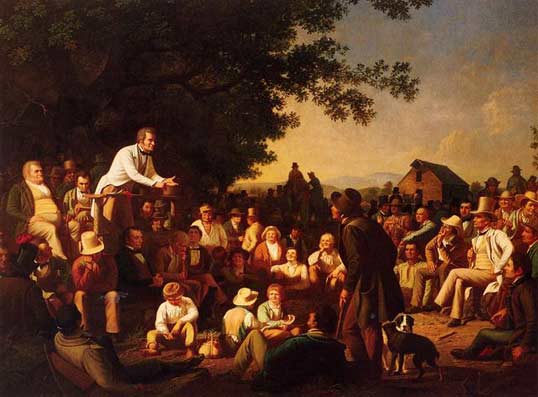
    Andrew Jackson Stump Speaking. By: George Caleb Bingham.

    Over the course of President John Quincy Adams’ term from 1824 to 1828, defenders of his administration began calling themselves National Republicans while opponents called themselves Democratic Republicans. Daniel Walker Howe, What Hath God Wrought: Transformation of America, 1815-1848, 275. The Election of 1828 served as a culmination of the changing politics of the country.

    (more…)

  • Constitution Sunday: The Weaknesses of Brutus Exposed: “A Citizen of Philadelphia” [Pelatiah Webster]

    The Weaknesses of Brutus Exposed: “A Citizen of Philadelphia” [Pelatiah Webster]

    Philadelphia, November 8, 1787

    Following is a series of excerpts from Pelatiah Webster’s article published in Philadelphia:

    “This government must have a supreme power, superior to and able to controul each and all of its parts. ‘Tis essential to all governments, that such a power (more…)

  • The Tariff of Abominations

    Painted Portrait Of Martin Van Buren
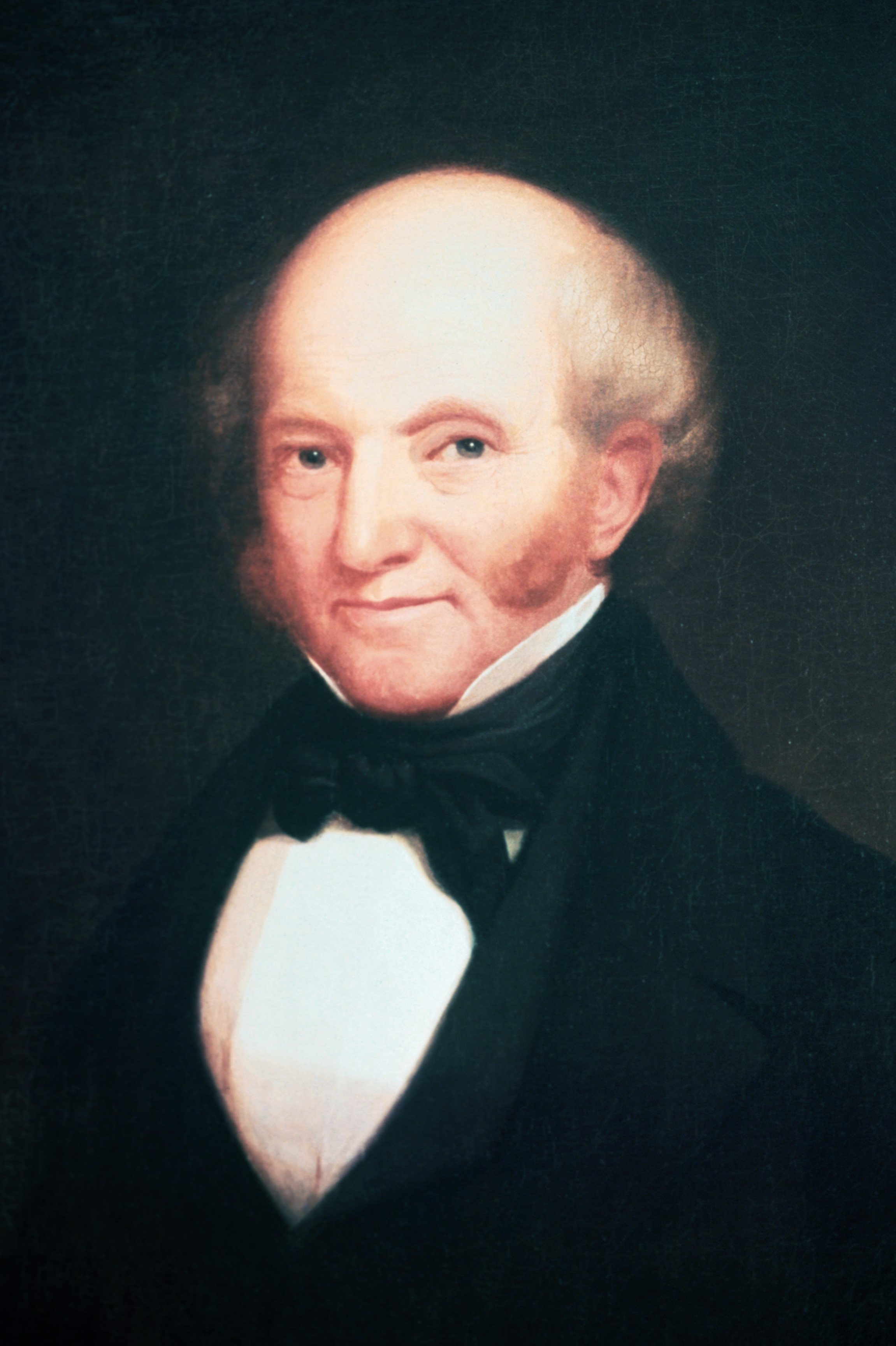
    Martin Van Buren.

    Both President John Quincy Adams and Henry Clay were of the mindset that much could be accomplished in developing the American economy with the help of the government. Martin Van Buren had different ideas, however.

    (more…)

  • The First Divided Government

    john_wesley_jarvis_-_john_randolph_-_google_art_project
    John Randolph. By: John Wesley Jarvis.

    Divided government, where one branch of government is controlled by a different political party than the other branches, is a familiar concept for most Americans. The midterm elections of 1826 and 1827 brought about the first instance in American history of divided government.

    (more…)

  • Constitution Sunday: “A Citizen of America” [Noah Webster]

    “A Citizen of America” [Noah Webster]

    Philadelphia, October 17, 1787

    Following are excerpts from Noah Webster’s writing:

    “Another idea that naturally presents itself to our minds, on a slight consideration of the subject, is, that in a perfect government, all the members of a society should be (more…)

  • Quincy Adams’ Economic Agenda

    john-quincy-adams
    John Quincy Adams Shakes Hands with Admiral of the Fleet James Gambier. By: Amedee Forestier.

    President John Quincy Adams, in his First Annual Message to Congress delivered on December 6, 1825, set forth his agenda for developing the American economy. Daniel Walker Howe, What Hath God Wrought: Transformation of America, 1815-1848, 251.

    (more…)

  • Constitution Sunday: “An Old Whig” [George Bryan et al.] I

    “An Old Whig” [George Bryan et al.] I

    Independent Gazetteer (Philadelphia), October 12, 1787

    Following is a series of excerpts from George Bryan’s article in the Independent Gazetteer:

    “And after the constitution is once ratified, it must remain fixed until two thirds of both the houses of Congress shall deem it necessary to propose amendments; (more…)

  • The Transportation Revolution

    BF9078F5-155D-451F-6702CDB371CB71CD
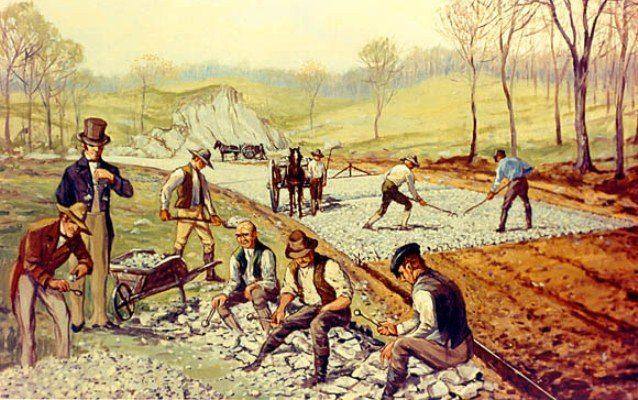
    Depiction of the Building of the National Road.

    Following the end of the War of 1812, the United States underwent a transportation revolution. This transportation revolution came about as a result of Americans moving westward but also as more Americans moved into cities to engage in industrial work. Daniel Walker Howe, What Hath God Wrought: Transformation of America, 1815-1848, 212. (more…)