Tag: Connecticut

  • Constitution Sunday: Governor Samuel Huntington on the Need for Coercive National Power

    Connecticut Ratifying Convention.

    January 9, 1788

    When Connecticut’s Governor, Samuel Huntington, rose to speak at the state’s ratifying convention, he rose to second a motion by General Parsons to “assent to, ratify, and adopt the Constitution,” but in seconding the motion, Governor Huntington provided perspective and context for why he was asking the state’s delegates to ratify. To the Governor, the debate and potential ratification of the Constitution was “a new event in the history of mankind.—Heretofore, most governments have been formed by tyrants, and imposed on mankind by force.” This Constitution was being considered during a “time of peace and tranquility” and, “with calm deliberation,” the representatives were framing a novel system of government that accounted for the pitfalls that other governments had not avoided.

    (more…)
  • The Rise of Wage Labor

    The Rise of Wage Labor

    During the Gilded Age, millions of Americans saw their work lives transform: no longer would it be so common for the working man or woman to survive based on what he or she produced; rather, that worker would receive payment—from an employer or a contractor—for the time worked. That change allowed for the possibility during the Gilded Age for the older generation to reflect on their younger years, before the Civil War, and how they had sold most of what they had grown or made (and how they had then needed a wide variety of skills to not only grow or make those goods but to bring those goods to market and actually sell them). During the Gilded Age, that same generation could have been working the last years of their working lives reporting to a factory for work; work that likely had a significant element of danger and that may have required them to use a fraction of the skills that had served as their saving grace during their younger years. For the generations of Americans that have come after the Gilded Age, the system of wage labor has been no oddity. It became a substantial part of the modern way of life and not only in America. What would have struck and should strike subsequent generations, however, were the mechanics of the American economy in which wage labor was born and how the wage labor system in its rawest form did not extend even some of the most basic protections to workers.

    (more…)
  • Constitution Sunday: “The Republican” to the People

    “The Republican” to the People

    Connecticut Courant (Hartford), January 7, 1788

    The liberties that Americans hold dear are not inherently self-sustaining. While the Constitution secures many liberties, it requires Americans to be vigilant in fulfilling their civic duties. This week’s Constitution Sunday highlights the Connecticut Courant, which explored these issues amidst the debate about ratifying the Constitution: (more…)

  • Grant’s Taking of Fort Henry

    In early 1862, heartened by his troops’ performance at the Battle of Belmont, Brigadier General Ulysses S. Grant had determined that he was capable of making inroads into the Confederacy. Securing the network of rivers feeding into the Mississippi River as well as the Mississippi itself would hinder the Confederacy’s mobility and economy, and accomplishing this objective would bring him into two states that did not officially join the Confederacy but parts of which were Confederate-controlled: Kentucky and Tennessee. Bordering those states, on the banks of the Tennessee River, Grant saw a Confederate fort ripe for the plucking: Fort Henry. (more…)

  • Injury to the Cause of Christ

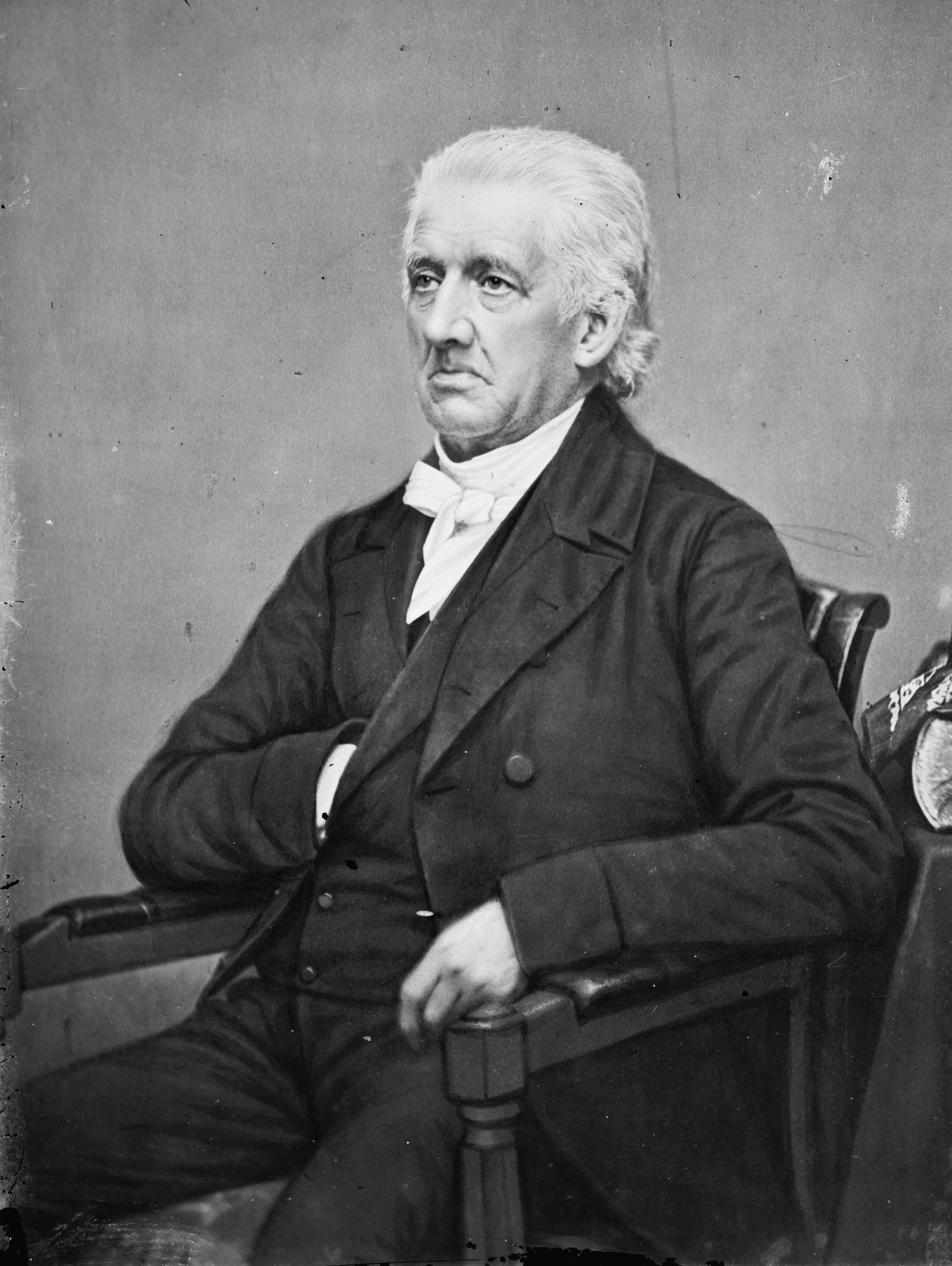
    lyman_beecher_-_brady-handy
    Lyman Beecher. By: Mathew Brady.

    The role of religion in Americans’ lives began to change not long after the War of 1812. In fact, the state of Connecticut “disestablished religion in 1818.” Daniel Walker Howe, What Hath God Wrought: Transformation of America, 1815-1848, 165. It should be noted that the First Amendment to the Constitution reads: “Congress shall make no law respecting an establishment of religion or prohibiting the free exercise thereof.” In other words, the First Amendment “restricted the federal government only, not the states.” Id. This would change in the 20th Century when the Supreme Court “incorporated” the freedoms of the Bill of Rights, through the Fourteenth Amendment (not passed until 1868), to the states. Id.

    (more…)