
Coming out of the Philadelphia Convention, many Americans had different perspectives about what had transpired and how effective the Constitution could be as a governing document.
Coming out of the Philadelphia Convention, many Americans had different perspectives about what had transpired and how effective the Constitution could be as a governing document.
“Centinel” [Samuel Bryan] I
Independent Gazetteer (Philadelphia), October 5, 1787
Following are a series of excerpts: (more…)

By 1787, the strength and stability of the states was under scrutiny. Shays’ Rebellion had erupted, citizens had become more licentious, and state legislatures appeared to be running rampant, doing significant damage to the health of the country as a whole. See Gordon Wood, The Creation of the American Republic: 1776-1787, 465.
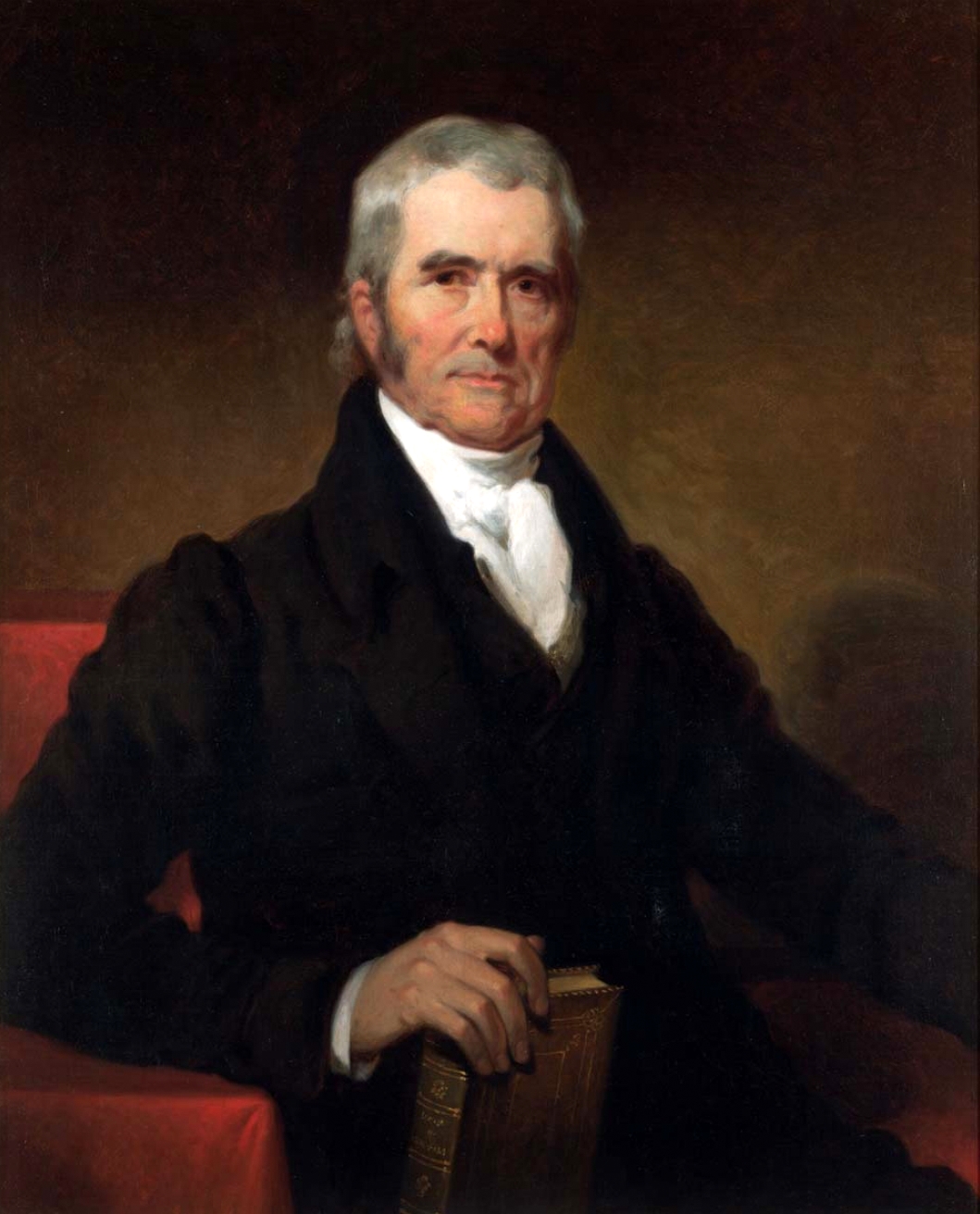
In the first years of the American Republic, there were drastic changes in the law. The importance and organization of laws were coming into place. At the top were constitutional rights, which, as James Cannon explained “must be protected and defended ‘as the apple of your eye’ from danger ‘or they will be lost forever.’” Gordon Wood, The Creation of the American Republic: 1776-1787, 293 quoting James Cannon, “Cassandra,” Apr. 1776, Force, ed., American Archives, 4th Ser., V, 1094, quoting from Hulme, Historical Essay, 143-44. Cannon continued, stating that constitutional rights must be set “on a foundation never more to be shaken,” meaning that constitutional rights “must be specified and written down in immutable documents. Id.
 Last Best Hope of Earth