Tag: Conventions

  • The Secession of the Deep South

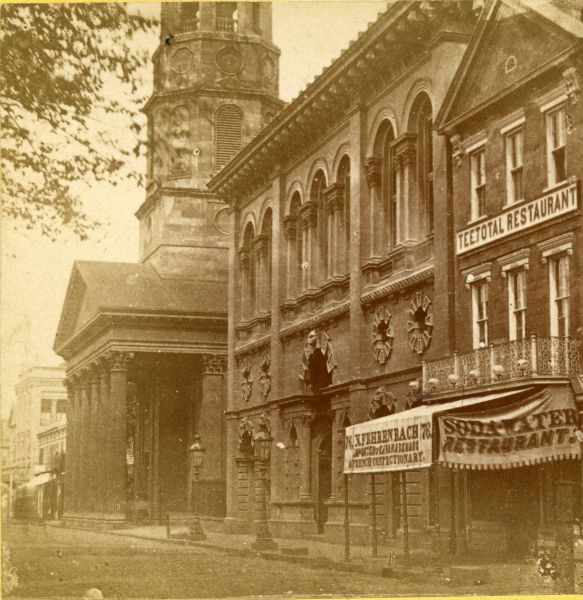
    secession-hall-583x600
    Secession Hall in Charleston, South Carolina. Credit: The Civil War Trust.

    In the wake of the disconcerting result of the Election of 1860, the nature of southern secessionism suggested the imminent secession of at least some southern states from the Union. The timing and execution of states actually seceding from the Union was unclear, but the Deep South was prepared to act first. (more…)
  • The Election of 1860

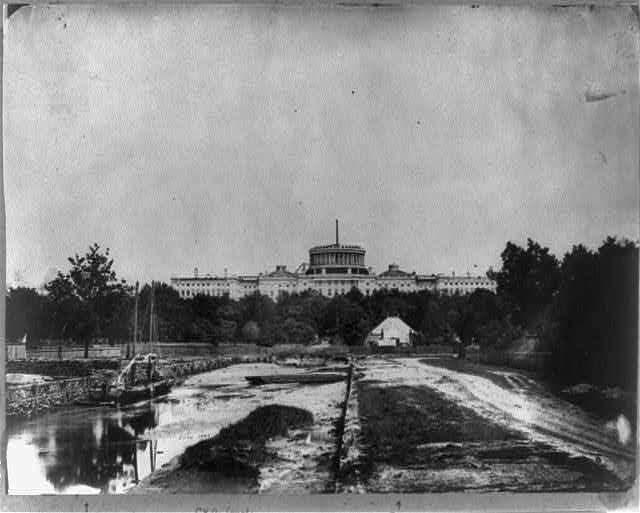
    1860photo_uscapitol_washingtoncanalvisiblie
    The United States Capitol in 1860. Courtesy: Library of Congress

    Every presidential election is consequential, but the Election of 1860 would play a significant role in whether the United States would remain one nation. The division of the North and South on the issue of slavery threatened to cause a secession of the South. The result of the election would determine whether that threat would materialize and cause a Second American Revolution. (more…)

  • The Election of 1852

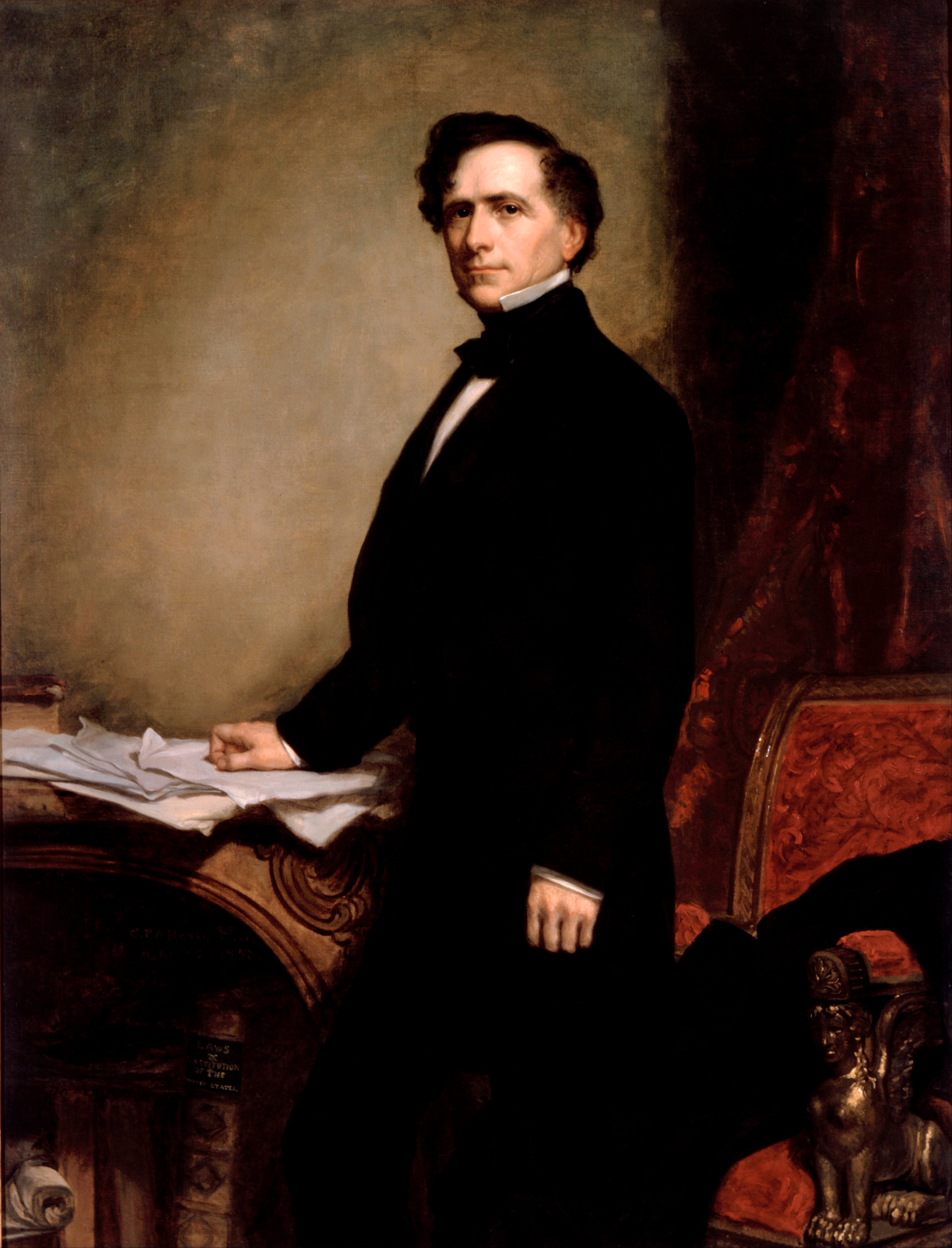
    george_p-a-_healy_-_franklin_pierce_-_google_art_project
    President Franklin Pierce. By: George P.A. Healy.

    With the first term of Millard Fillmore’s presidency winding down in 1852, the Democrats felt a sense of momentum that they could reclaim the White House. In the midterm elections of 1850, the Democrats secured 140 of the 233 seats in the House of Representatives, eclipsing the Whig Party. See David Potter, The Impending Crisis: America Before the Civil War, 1848-1861, 141.

    (more…)

  • The Conventional Debate

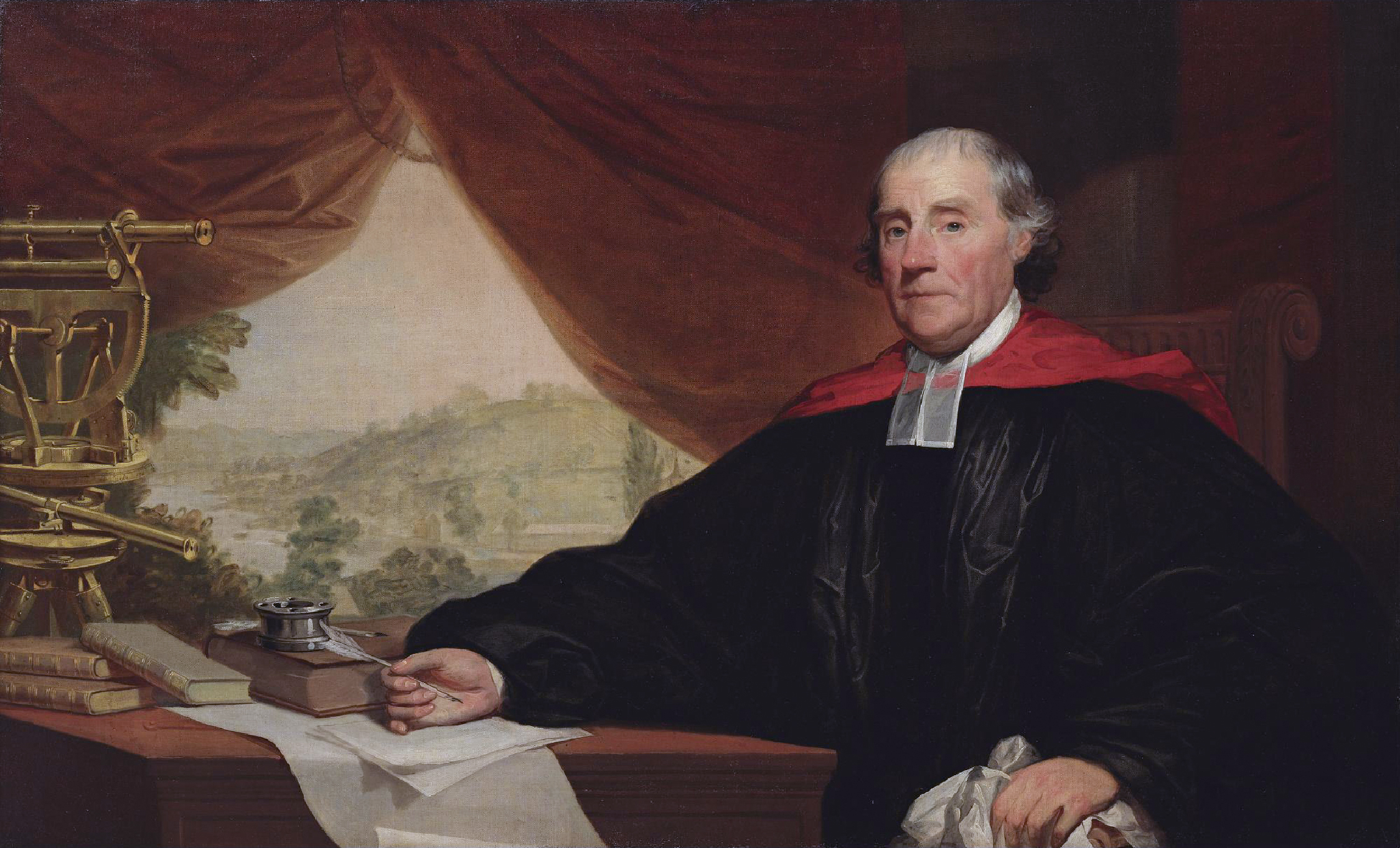
    Dr. William Smith
    William Smith. By: Gilbert Stuart. 1801-02.

    In Pennsylvania, extraordinary events were transpiring that would shape how people expressed their will. William Smith (“Cato”) and a group of individuals, led by James Cannon (“Cassandra”) in 1776, debated the issue of how institutions should reflect the people’s will, given the Radical Political Experiment unfolding in Pennsylvania.

    (more…)

  • A Tradition of Extra-Legislative Action

    sl27979
    Samuel Adams. By: John Singleton Copley.

    As touched on in Unalterable Constitutions, Americans began resorting to conventions for amending their state constitutions, and this was only one example of Americans looking to advance their causes outside of the bounds of government. See Gordon Wood, The Creation of the American Republic: 1776-1787, 310. This was not a novel approach, however, and it was not the only approach that Americans were increasingly taking to advance their interests.

    (more…)

  • Unalterable Constitutions

    independence_hall_in_philadelphia_by_ferdinand_richardt_1858-63
    Independence Hall in Philadelphia, Pennsylvania. By: Ferdinand Richardt.

    As the constitutions of the states were implemented and executed during the Revolutionary years, the population began holding conventions for amendment of those constitutions, believing that “Legislatures were incompetent” to do so. Gordon Wood, The Creation of the American Republic: 1776-1787, 306 quoting Farrand, ed., Records of the Federal Convention, II, 91-93. In fact, James Madison believed that “it would be a novel and dangerous doctrine that a Legislature could change the constitution under which it held its existence.” Id.

    (more…)