
With the Civil War’s end, the United States had put itself back on course to become one of the leading economies in the world. Economic strength begets influence around the world, and America was no exception to this principle; it now was entering an era—an era that, as of the time of this writing, has not come to a close—of taking part in directing the world’s affairs. More than that, America now had the potential to reshape parts of the world in its image. After all, this was the 19th Century, and the era of empires was arguably at its peak—although its sun was setting. For the time, there was an expectation: if you had the opportunity and resources to expand, to take more land and more people into your orbit, you took full use of the opportunity. To abstain from this mode of operation was to concede a wealth of riches, and indulging in the taking of those riches was no cause for shame; every one of the major powers—some for decades, some for centuries—had carved up a part of the world, had made their own empire.
(more…)Tag: Cuba
-
The Precursor to the Winter of Secession

Washington in 1860. Photographer Unknown. Abraham Lincoln’s victory in the Election of 1860 was disconcerting news for the South. It was the most recent event in a string of events that seemingly endangered the southern way of life and the future of the country. At a time when many northerners suspected southern threats of secession were but a bluff, there was evidence that the country had already split and the formalities were soon to follow. (more…)
-
Halting Manifest Destiny
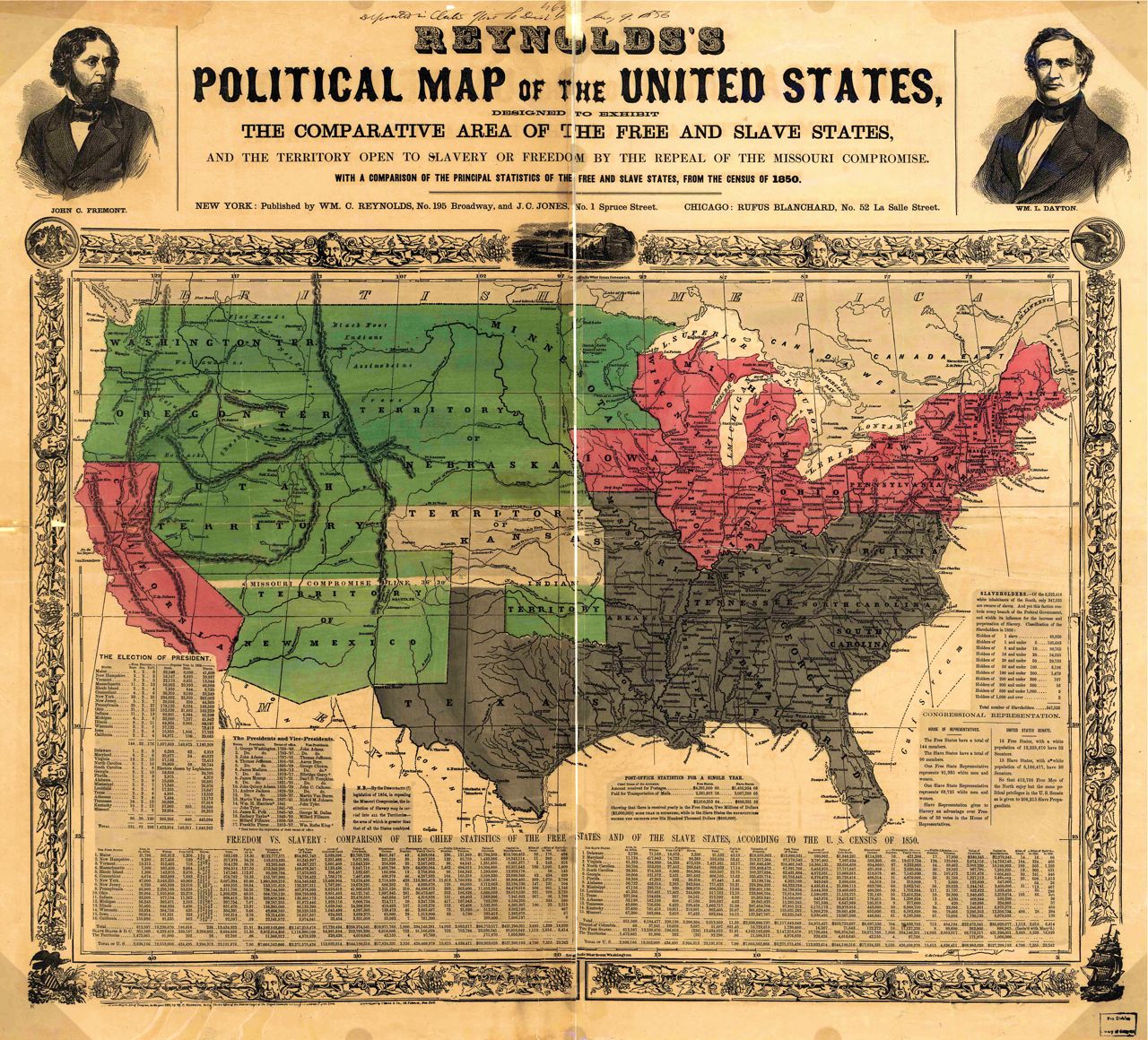
Map of America in 1850. During 1854, while the Kansas-Nebraska Act was making its way through Congress and to President Franklin Pierce’s desk, there were significant developments throughout the country that would have lessen the manifest destiny fever that had captured the nation’s attention up to that point. One of the hallmarks of American progress was nearing its end. (more…)
-
A Conspiracy Emerges

James Polk. Amidst the Mexican-American War, a conspiracy emerged involving President James Polk and the exiled leader of Mexico, Santa Anna. Not only would this conspiracy embolden Whigs but Democrats would also come down on President Polk for his actions.
-
The Failure of Colonization
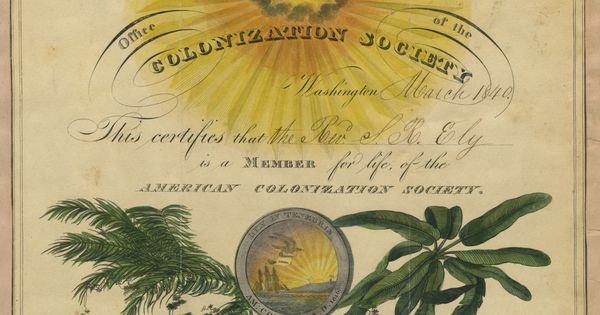
Certificate for Life Membership in the American Colonization Society. The American Colonization Society, the premier organization advocating for the exportation of slavery to Africa, had a major supporter in Secretary of State Henry Clay in the late 1820s.
 Last Best Hope of Earth