Tag: Democrats

  • The Lecompton Constitution

    lecompton20constitution20hall
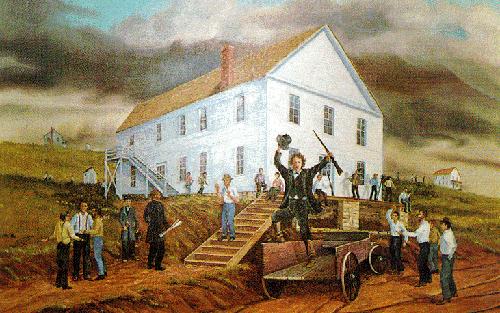
    Constitution Hall in Lecompton, Kansas.

    Following the violence in Kansas known as Bleeding Kansas, there was a question of whether the territory would be admitted as a free state or slave state. After taking office in 1857, President James Buchanan appointed Robert J. Walker of Pennsylvania to be governor of Kansas. Governor Walker wrote a letter to President Buchanan, stating “that the actual bona fide residents of the territory of Kansas, by a fair and regular vote, unaffected by fraud or violence, must be permitted, in adopting their State Constitution, to decide for themselves what shall be their social institutions.” Walker to Buchanan, March 26, 1857, in Kansas State Historical Society Transactions, V (1891-1896), 290 (italics in original). Even with such a pronouncement regarding the nature of an election, no one knew how Kansans would vote on the issue of slavery or how soon Kansas would become a state. (more…)
  • The Evolving Political Parties of the 1850s

    panoramic-view-of-washington-city-e-sachse-and-co-1856
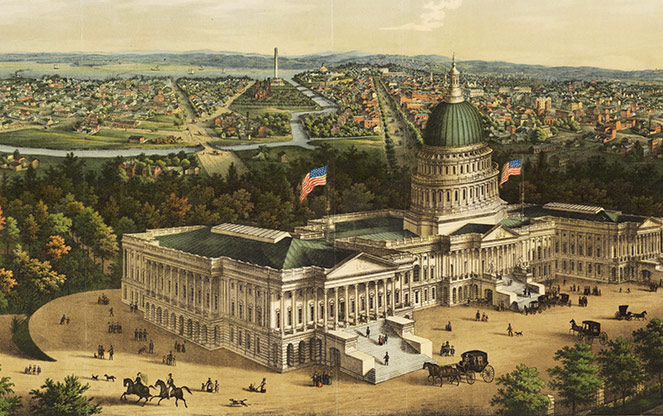
    Panoramic View of Washington, DC in 1856. Courtesy: E. Sachse & Co.

    The Democratic Party and Whig Party were the dominant political parties from the early 1830s up until the mid-1850s. Both were institutions in national politics despite not having a coherent national organization by cobbling together a diverse group of states to win elections. While the Democrats had a more populist agenda, the Whigs were more focused on pursuing industrialization and development of the country. See David Potter, The Impending Crisis: America Before the Civil War, 1848-1861, 226. While the Democratic Party would survive to the present day, the Whig Party would not survive the mid-1850s, not as a result of its own ineptness but because of the changing political landscape of that era. (more…)

  • The Election of 1852

    george_p-a-_healy_-_franklin_pierce_-_google_art_project
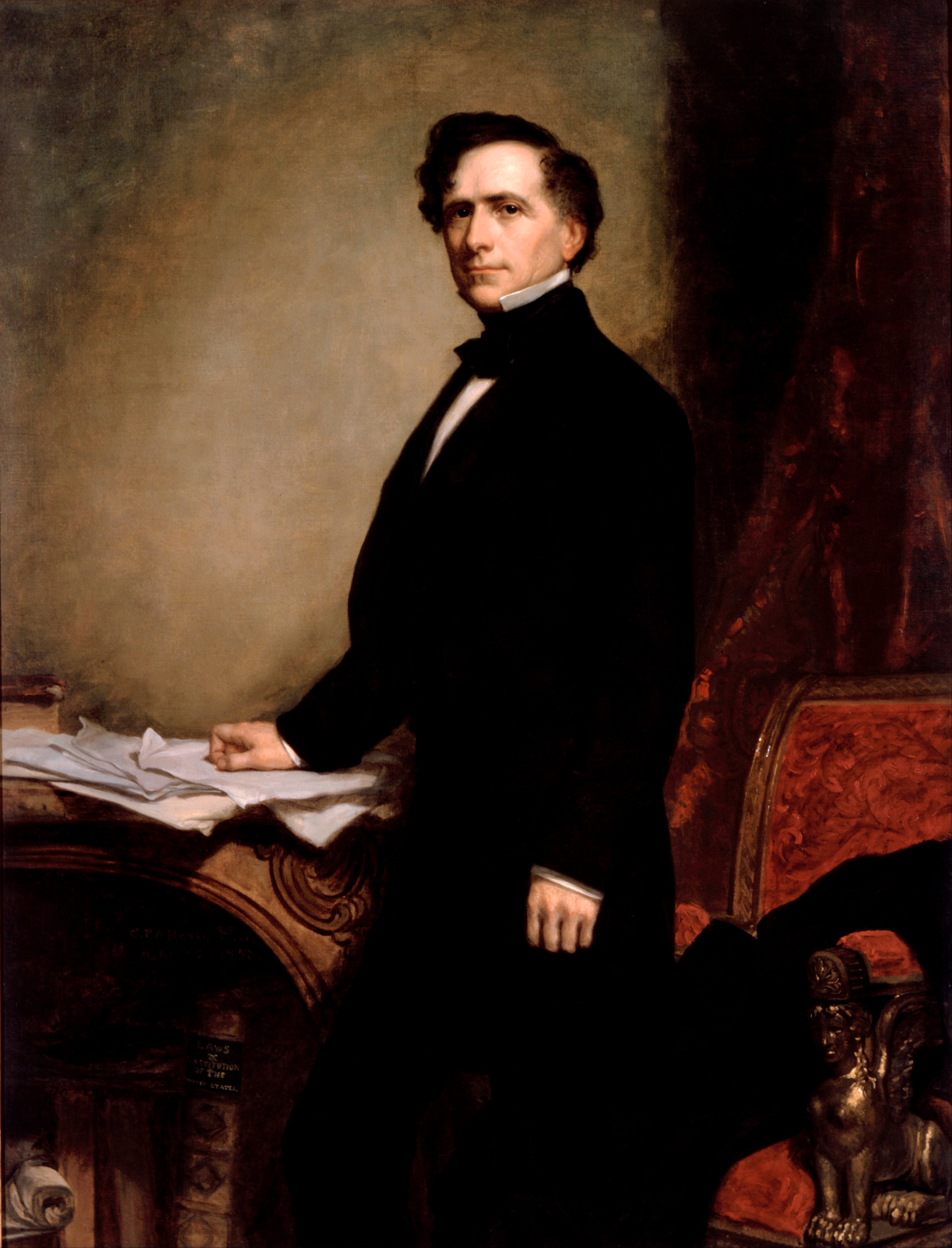
    President Franklin Pierce. By: George P.A. Healy.

    With the first term of Millard Fillmore’s presidency winding down in 1852, the Democrats felt a sense of momentum that they could reclaim the White House. In the midterm elections of 1850, the Democrats secured 140 of the 233 seats in the House of Representatives, eclipsing the Whig Party. See David Potter, The Impending Crisis: America Before the Civil War, 1848-1861, 141.

    (more…)

  • A Deadlocked and Destructive Congress

    oneofive
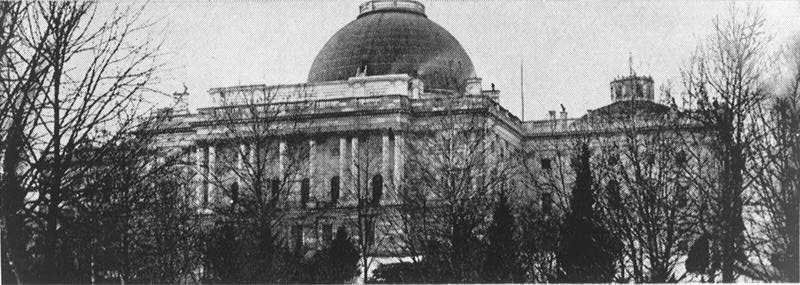
    The United States Capitol in 1848. Unknown Photographer, credit Library of Congress.

    During President James Polk’s administration, Congress grappled with resolving sectional tension arising out of whether slavery would be extended to newly acquired land from Mexico as well as the Oregon territory. Congress did not resolve that sectional tension but exacerbated it in what may have been one of the most deadlocked and destructive Congresses in American history. (more…)

  • The Country of the Future

    home_in_the_woods_1847_thomas_cole
    Home in the Woods. By: Thomas Cole.

    By 1848, America had undergone a significant transformation from the America that the Founding Fathers left just a few decades before.

    (more…)

  • Election of 1848: Whig Victory

    white-house-south-face-1840s
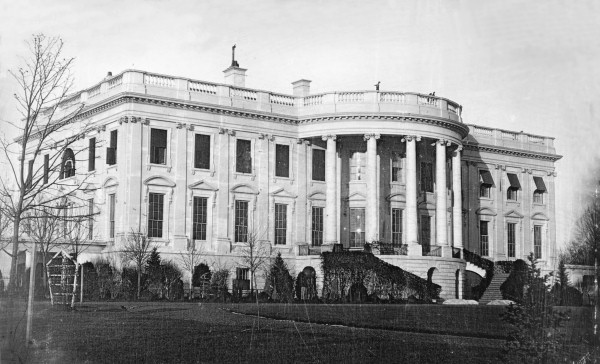
    The White House in 1848. Credit: Library of Congress.

    On November 7, 1848, Americans went to the polls to choose between Martin Van Buren, Zachary Taylor, and Lewis Cass.

    (more…)

  • Election of 1848: The Barnburners

    smoking_him_out
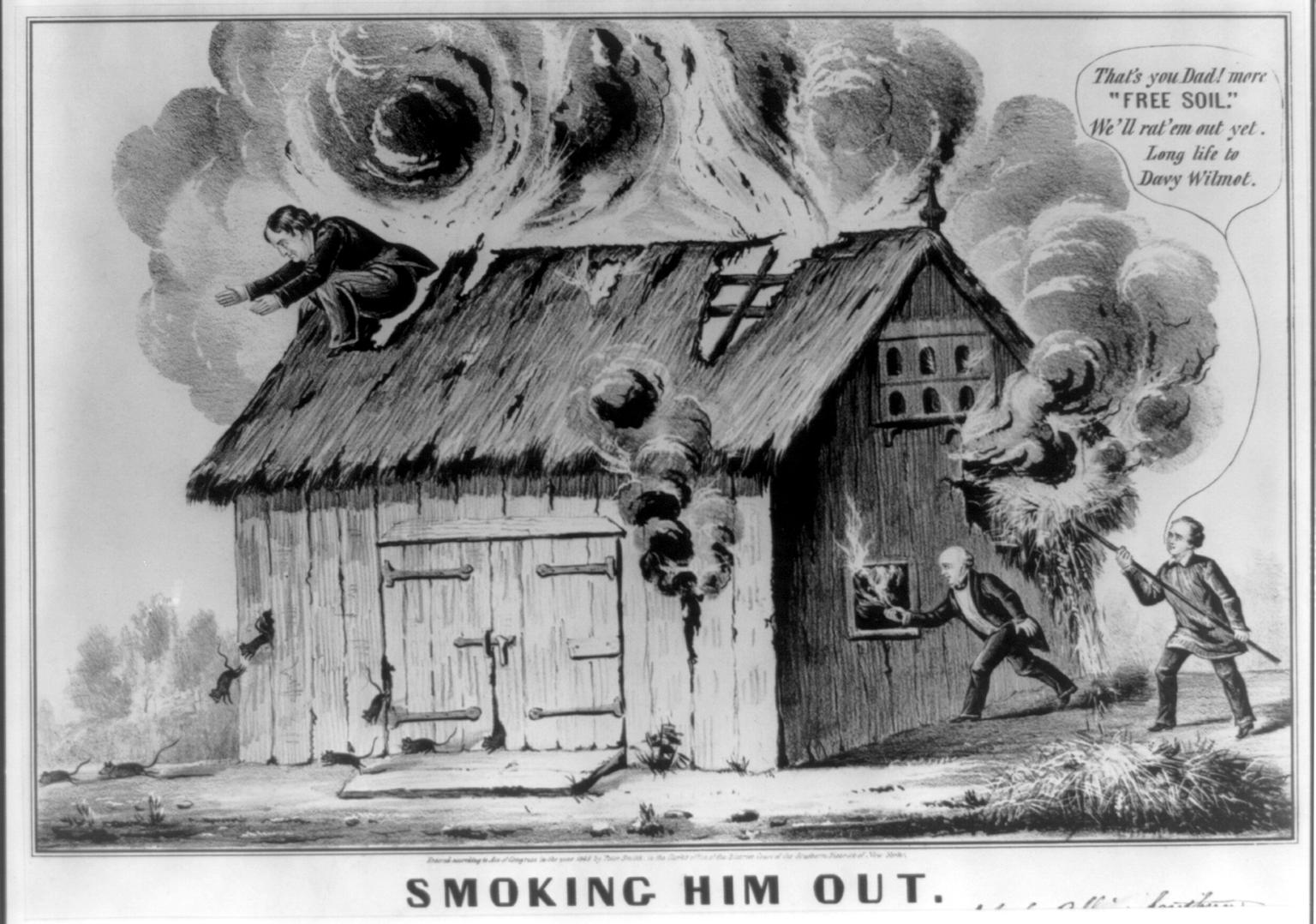
    A Political Cartoon Regarding the Barnburners.

    Approaching the Election of 1848, President James Polk did not have unanimous support amongst Democrats. In fact, quite the opposite.

    (more…)

  • Election of 1848: The Candidates

    hd_1848electiontopic
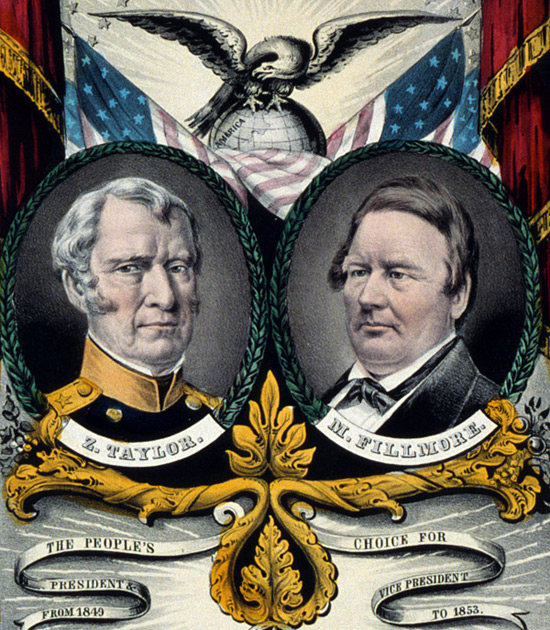
    The Whig Ticket for President, Zachary Taylor, and Vice President, Millard Fillmore.

    The Election of 1848 was bound to be unique, as President James Polk had made clear that he would serve only one term as president. With that, the Whigs and the Democrats had to put forth candidates that could meet the parties’ respective goals of reversing President Polk’s policies (the Whigs) and expanding on President Polk’s policies (the Democrats).

    (more…)

  • The Mass Immigration of the 1840s

    five_points_new_york_city_1852
    Photograph of the Five Points Neighborhood of New York City. Photographer Unknown.

    In the mid-1840s, the last major famine in European history would take place in Ireland. This famine would have significant ramifications for America, as it would lead to a massive wave of immigrants.

    (more…)

  • The Death of John Quincy Adams

    john_quincy_adams_daguerreotype_c1840s
    Daguerrotype of John Quincy Adams.

    One of the most outspoken Representatives in the House of Representatives, John Quincy Adams, had opposed the declaration of war on Mexico and fought President James Polk’s policies for the duration of his presidency.

    (more…)