
At the end of the Mexican-American War, President James Polk proposed taking as much as Mexico’s land as possible. However, he proposed this plan to a majority Whig House of Representatives.
At the end of the Mexican-American War, President James Polk proposed taking as much as Mexico’s land as possible. However, he proposed this plan to a majority Whig House of Representatives.

In 1848, when word spread to America that a revolution was breaking out in France, President James Polk wrote: “The great principles of popular sovereignty which were proclaimed in 1776 by the immortal author of our Declaration of Independence, seem now to be in the course of rapid development throughout the world.” James Knox Polk to Richard Rush, April 18, 1848, quoted in Michael Morrison, “American Reactions to European Revolutions, 1848-1852,” Civil War History 49 (June 2003): 117.

Throughout the course of the Mexican-American War, General Winfield Scott was increasingly becoming a hero to Americans. While many Americans looked at Scott’s actions and could only admire him, one man took action to ensure Scott would not have a pristine reputation. That man was President James Polk.

With the Mexican-American War well underway, the midterm elections in 1846-47 were bound to be consequential.
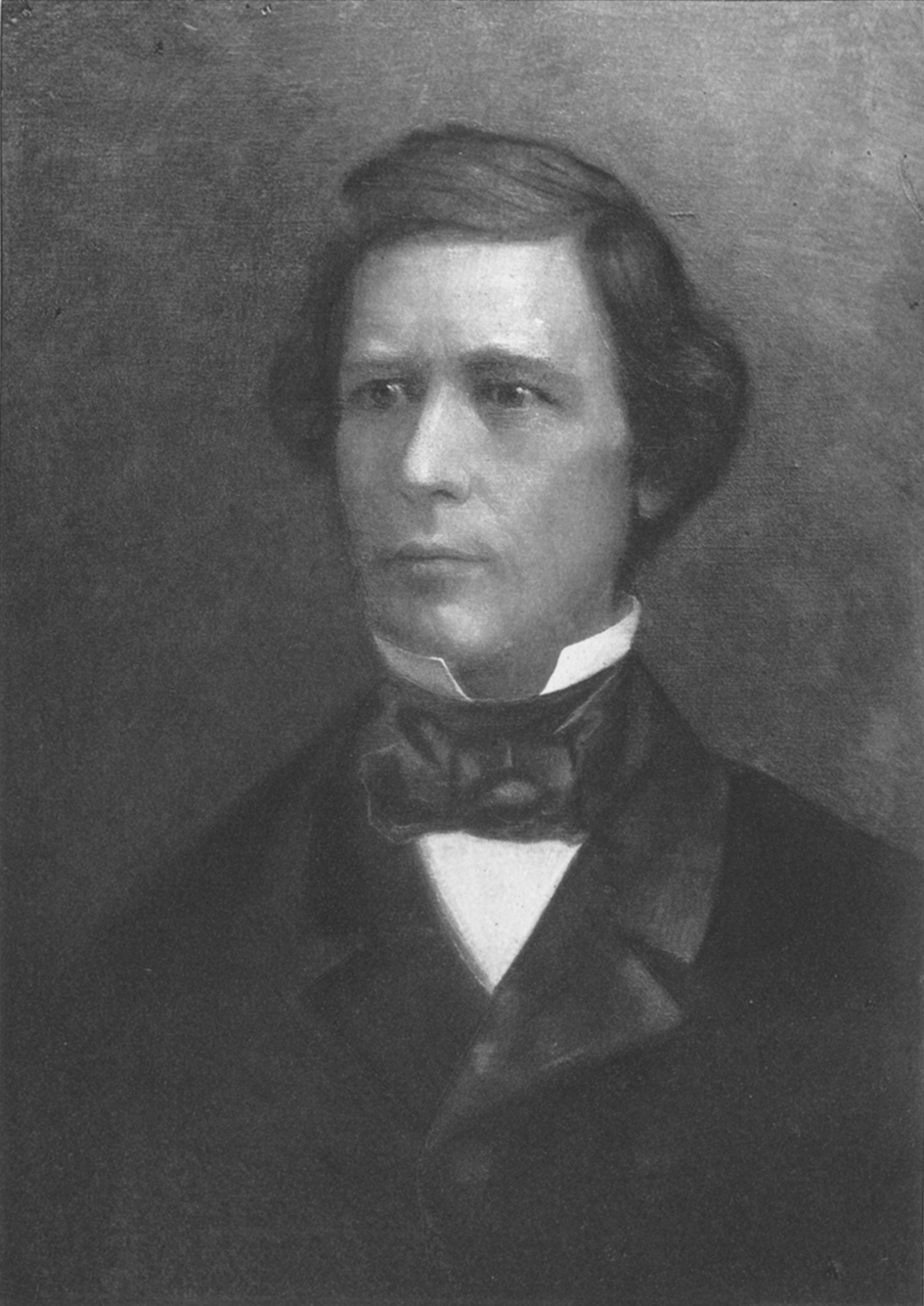
President James Polk, expecting a fast resolution to the Mexican-American War, “requested from Congress in August 1846 a $2 million appropriation for ‘defraying any extraordinary expenses which may be incurred in the intercourse between the United States and foreign nations.’” Daniel Walker Howe, What Hath God Wrought: Transformation of America, 1815-1848, 766 quoting James Polk, Diary, II, 76-77 (Aug. 10, 1846). Shortly after Congress followed this instruction and drafted a bill, David Wilmot of Pennsylvania introduced an amendment to specify that slavery would not be lawful in any territory acquired. See Daniel Walker Howe, What Hath God Wrought: Transformation of America, 1815-1848, 767.
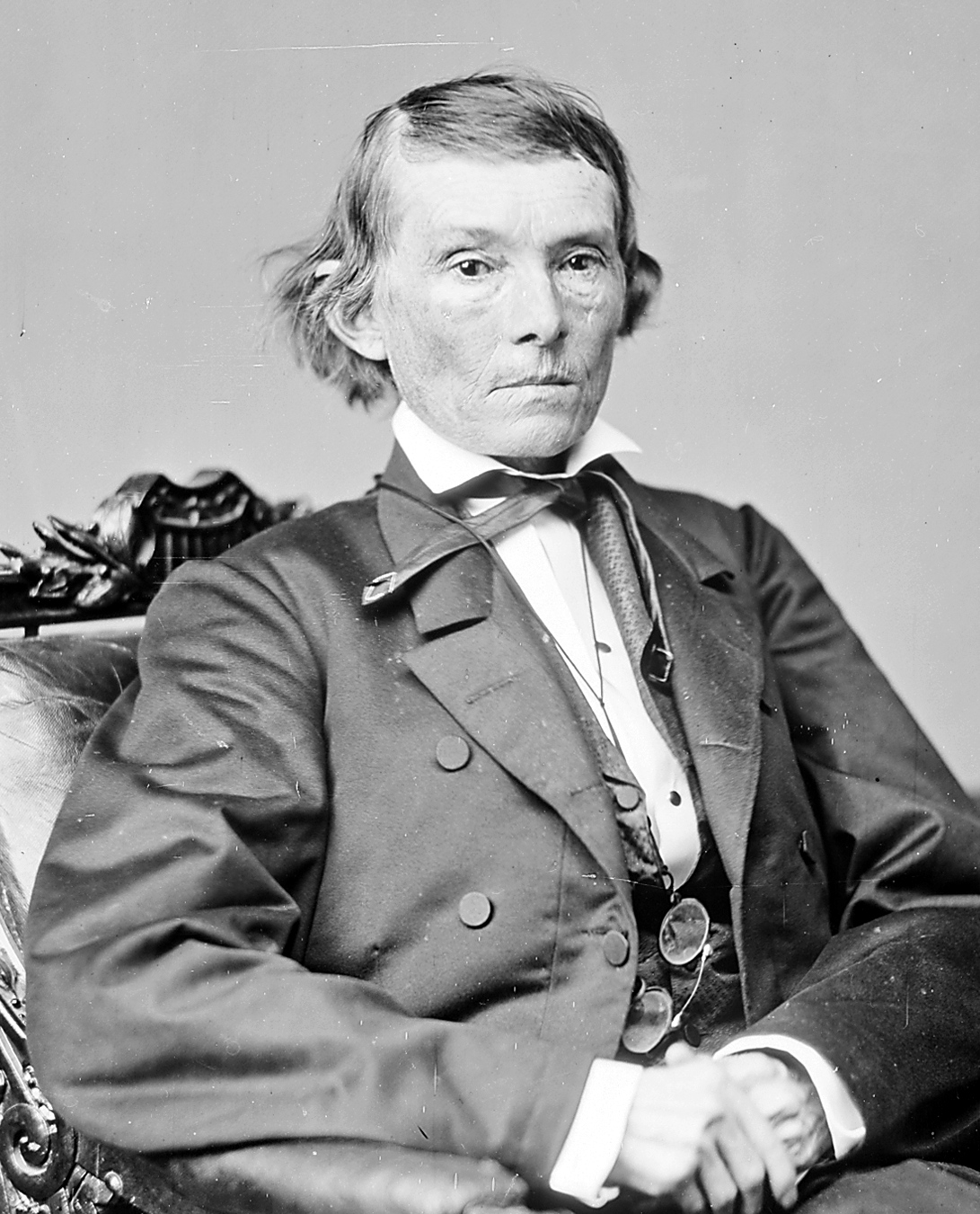
Some Americans may suppose that during wartime, partisanship declines and a sense of unity prevails. During the Mexican-American War, this was not the case. The Whigs were vocal in their disagreement with President James Polk and the Democrats.
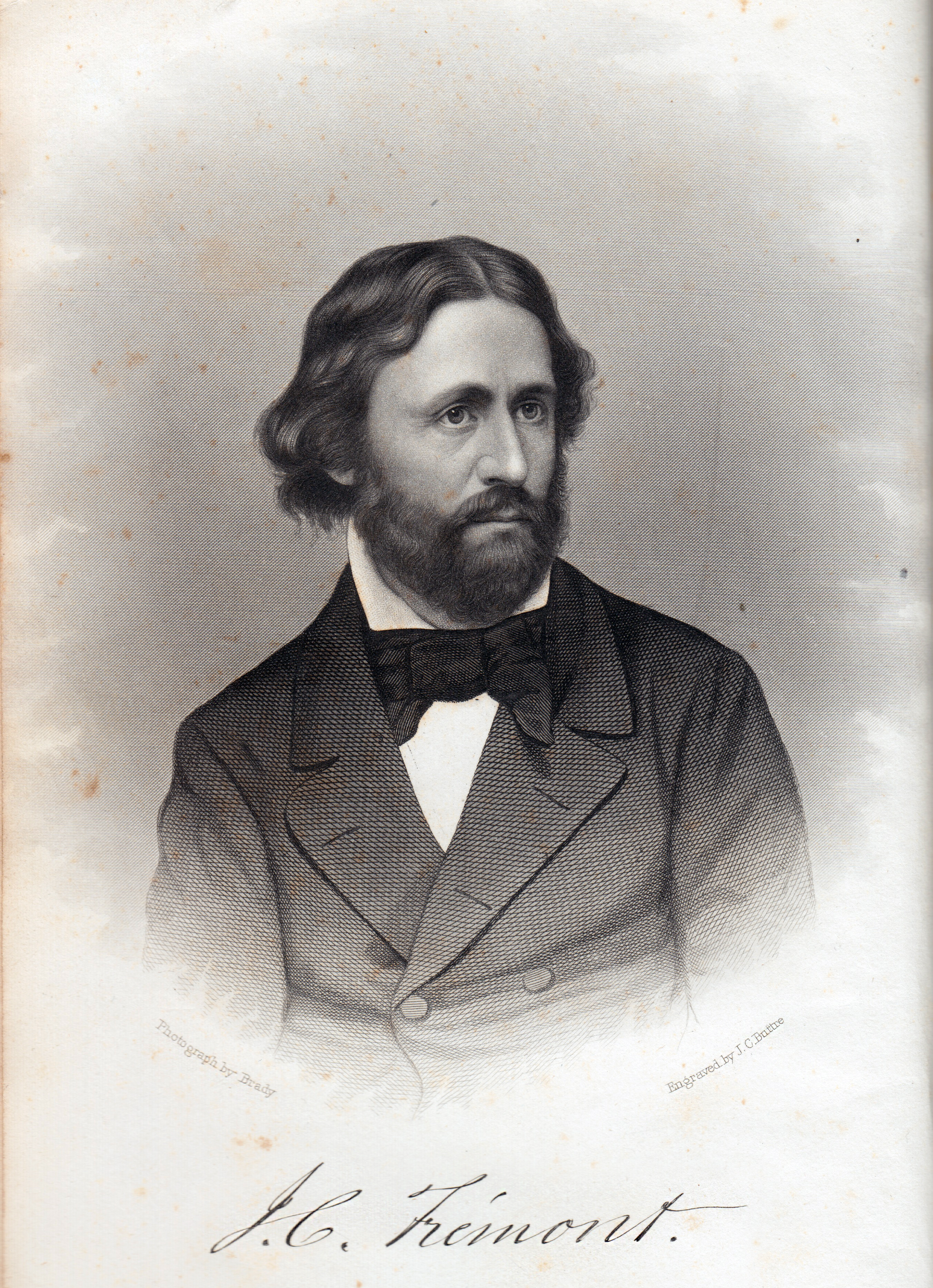
President James Polk, prior to the beginning of the Mexican-American War, had an idea for how to gain new territory for America. He was not going to limit the acquisitions solely to what could be gained with Mexico through military conflict south of Texas. He had his eyes on California and New Mexico, and he had a plan for how to get those two territories.

President James Polk, at the outbreak of the Mexican-American War, was concerned about the ramifications of a significant, drawn-out conflict. He was aware that a Whig military hero could emerge, just as William Henry Harrison had. See Daniel Walker Howe, What Hath God Wrought: Transformation of America, 1815-1848, 750.

Leading up to President James Polk’s May 13, 1846 announcement of the Mexican-American War, tension arose between President Polk and the Secretary of State, James Buchanan.

Following the Democrats’ victory in the Election of 1844, President James Polk began negotiating with the British about the Oregon territory, which America had permitted Britain to occupy for several decades. See Daniel Walker Howe, What Hath God Wrought: Transformation of America, 1815-1848, 715.
 Last Best Hope of Earth