
The Election of 1840 is one that stands out in history. That is for principally one reason: voter turnout.
The Election of 1840 is one that stands out in history. That is for principally one reason: voter turnout.

As was customary until 1904, an incumbent president did not campaign openly for his re-election. This was true for President Martin Van Buren as well. See Daniel Walker Howe, What Hath God Wrought: Transformation of America, 1815-1848, 573.
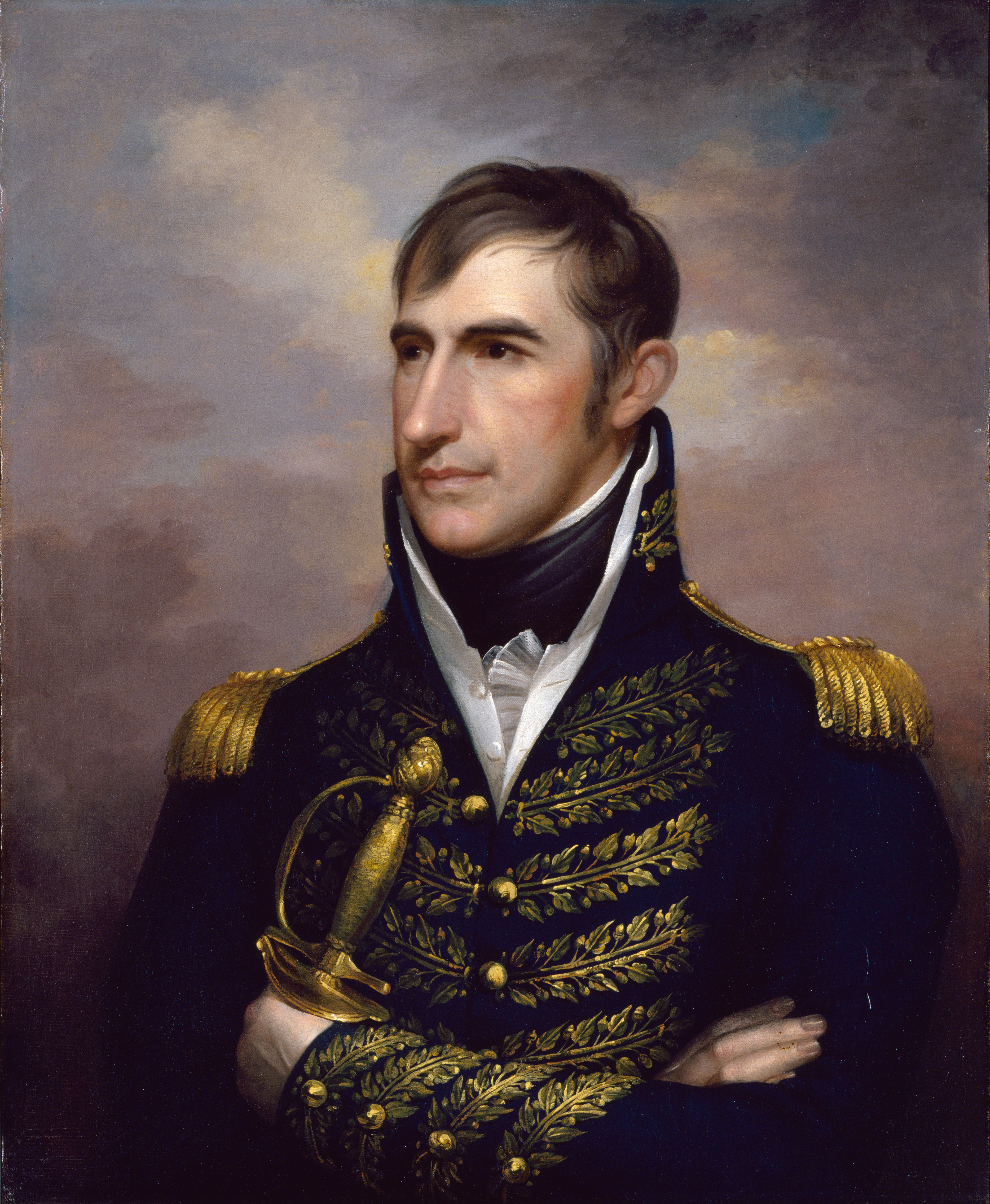
William Henry Harrison, a Whig, won the White House in the election of 1840. In March 1841, for his inauguration, he stood in the cold and wind and spoke for an hour and a half. See Daniel Walker Howe, What Hath God Wrought: Transformation of America, 1815-1848, 570.
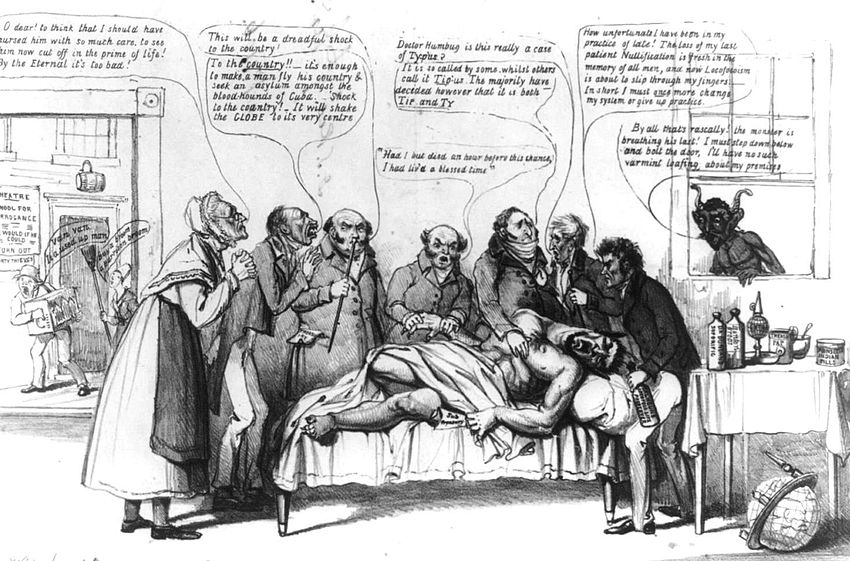
America’s economic development resulted in American workers being classified, creating tension between the classes.

In the 1820s and 1830s, Working Men’s political parties emerged, changing the discourse of the two major political parties, the Democrats and Whigs. From Philadelphia outward, “Working Men’s political parties sprang up in various places . . . , fed by the discontents of journeymen under the impact of industrialization.” Daniel Walker Howe, What Hath God Wrought: Transformation of America, 1815-1848, 539 citing Sean Wilentz, Chants Democratic: New York City and the Rise of the American Working Class (New York, 1984), 109.

With President Martin Van Buren in the White House came increasing extermination of the Native Americans. While many will recall the Trail of Tears leading to thousands of Native American deaths, the Second Florida War would be the “longest and most costly of all the army’s Indian Wars,” as it stretched from 1835 to 1842. Daniel Walker Howe, What Hath God Wrought: Transformation of America, 1815-1848, 516.
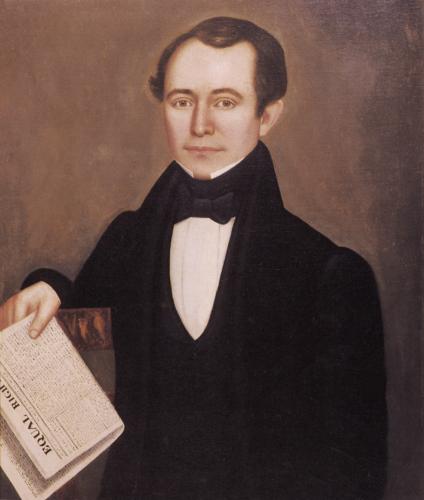
With the emergence of the Democrats and the Whigs as the two main political parties in the late 1830s and early 1840s, this fostered significant tension on the issue of slavery.

Not long after the Panic of 1837 had set in and gripped America’s economy, a second shock came: the Panic of 1839.

In Martin Van Buren’s inaugural address, in March of 1837, he boasted of the prosperity and expansion of commerce that had occurred under his predecessor, Andrew Jackson. Just months later, the Panic of 1837 would begin. Daniel Walker Howe, What Hath God Wrought: Transformation of America, 1815-1848, 502.

Toward the end of President Andrew Jackson’s second term, the federal government had come to enjoy a substantial surplus, primarily coming as a result of land sales and “proceeds from the Tariff 0f 1833.” Daniel Walker Howe, What Hath God Wrought: Transformation of America, 1815-1848, 499.
 Last Best Hope of Earth