Tag: Early Republic

  • The Conquest of the Floridas

    gv52100
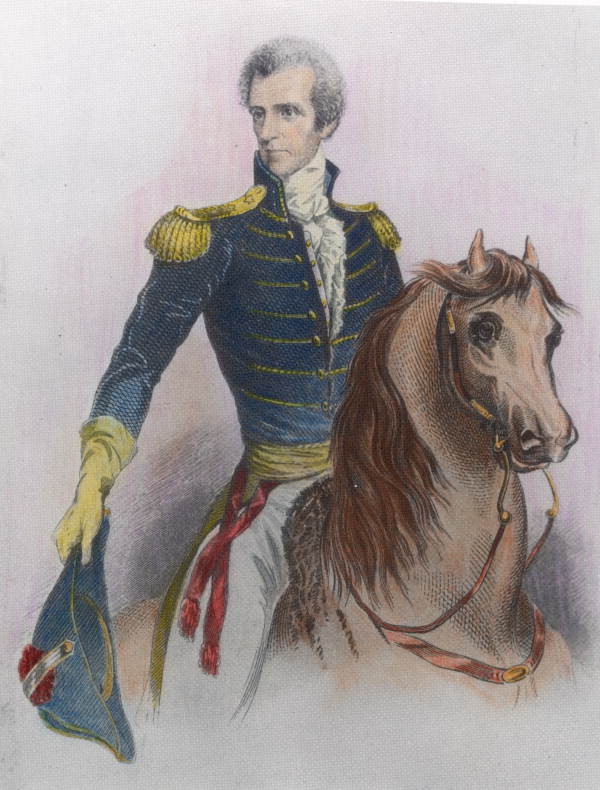
    Engraving of Andrew Jackson.

    East and West Florida, property of the Spanish Empire, had become coveted land for America in the early 1800s. It could lend a strategic stronghold for America and open up the Pearl, Perdido, and Apalachicola Rivers to commercial trade. Daniel Walker Howe, What Hath God Wrought: Transformation of America, 1815-1848, 97.
    (more…)

  • The Monroe Doctrine

    jamesmonroe
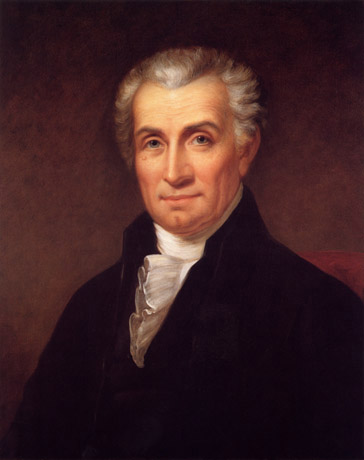
    James Monroe.

    President James Monroe has been known for centuries as the architect of a fundamental foreign policy doctrine: the Monroe Doctrine.

    (more…)

  • The Last Founding Father

    james_monroe_02
    James Monroe.

    James Monroe was the last president who was truly part of the American Revolution generation. Daniel Walker Howe, What Hath God Wrought: Transformation of America, 1815-1848, 91. He crossed the Delaware River with George Washington. Id. Obvious to his contemporaries, he dressed the part of the Revolutionary gentleman, wearing knee breeches and buckled shoes, with a powdered wig and three-cornered hat. Id.

    (more…)

  • The Defeat of the Bonus Bill

    james_madison_by_chester_harding_1829_img_4295
    James Madison. By: Chester Harding.

    Following the War of 1812, President James Madison was proudly touting the status of America. It had mobilized its navy to protect trade in the Mediterranean Sea, it had reestablished commercial relations with Britain, and it had pacified the Native Americans. See Daniel Walker Howe, What Hath God Wrought: Transformation of America, 1815-1848, 80.

    (more…)

  • The Beginning of Oppression

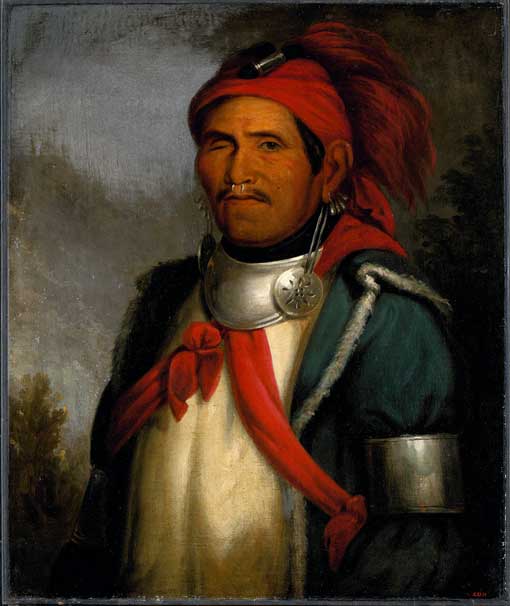
    shawnee_prophet_tenskwatawa
    Tenskwatawa. By: Charles Bird King.

    For centuries prior to the War of 1812, the Native Americans were able to manipulate the British, French, Spanish, and Americans to sustain themselves. After the War of 1812, the entirety of the land east of the Mississippi River was owned by America, effectively ended the Native Americans’ strategy. Daniel Walker Howe, What Hath God Wrought: Transformation of America, 1815-1848, 74.

    (more…)

  • Constitution Sunday: Reply to Wilson’s Speech: “Cincinnatus” [Arthur Lee] I

    Reply to Wilson’s Speech: “Cincinnatus” [Arthur Lee] I

    New York Journal, November 1, 1787

    Following are excerpts from the article, published in response to James Wilson’s speech:

    “Your first attempt is to apologize for so very obvious a defect as—the omission of a declaration of rights. This apology consists in a very ingenious discovery; that in the state constitutions, whatever is not reserved is given; but in the congressional constitution, whatever is not given, is reserved. (more…)

  • The Aftermath of the War of 1812

    Imacon Color Scanner
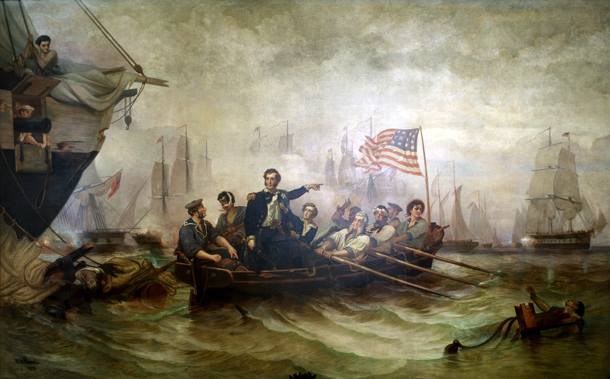
    Depiction of the Battle of Lake Erie, during the War of 1812.

    As news arrived in America on February 13, 1815 that the Treaty of Ghent was finalized and that peace between America and Britain was complete, Americans had a complete change of mind. Rather than dwell on the burning of Washington, D.C. or the humiliation of Britain’s invasion, Americans relished the victory of General Andrew Jackson in the Battle of New Orleans and the peace. See Daniel Walker Howe, What Hath God Wrought: The Transformation of America, 1815-1848, 71.

    (more…)

  • Wrapping Up the War of 1812

    hith-british-burn-washington-dc-200-years-ago-e
    The Burning of the White House. 1814.

    By the end of the War of 1812, President James Madison had weathered what is likely one of the tumultuous years that any president has had to endure. The British had landed a force, marched on Washington, D.C., and burned the White House. President Madison had trusted his Secretary of War John Armstrong when he doubted the possibility of a British invasion, only to be caught off guard when a scouting party, led by Secretary of State James Monroe, located just how close the British were to Washington. See Daniel Walker Howe, What Hath God Wrought: The Transformation of America, 1815-1848, 63-64.

    (more…)

  • America in 1815: Slavery

    morland-execrable20slave20trade-1789-1-3mb-crop-rtstoryvar-large-execrable20slave20trade-1789-1-3mb
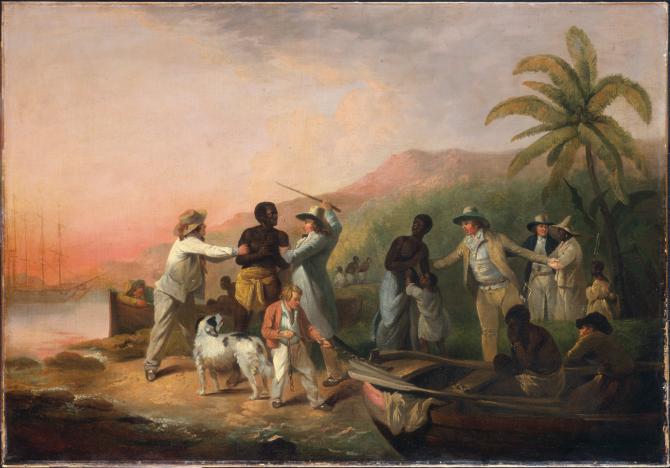
    Execrable Slave Trade. By: George Morland.

    By 1815, America was already split between those states that were taking steps to eliminate slavery and those states who were fortifying their support of slavery. As the Founding Fathers had predicted, a chasm was beginning to open in the United States.

    (more…)

  • America in 1815: The Economy

    home_in_the_woods_1847_thomas_cole
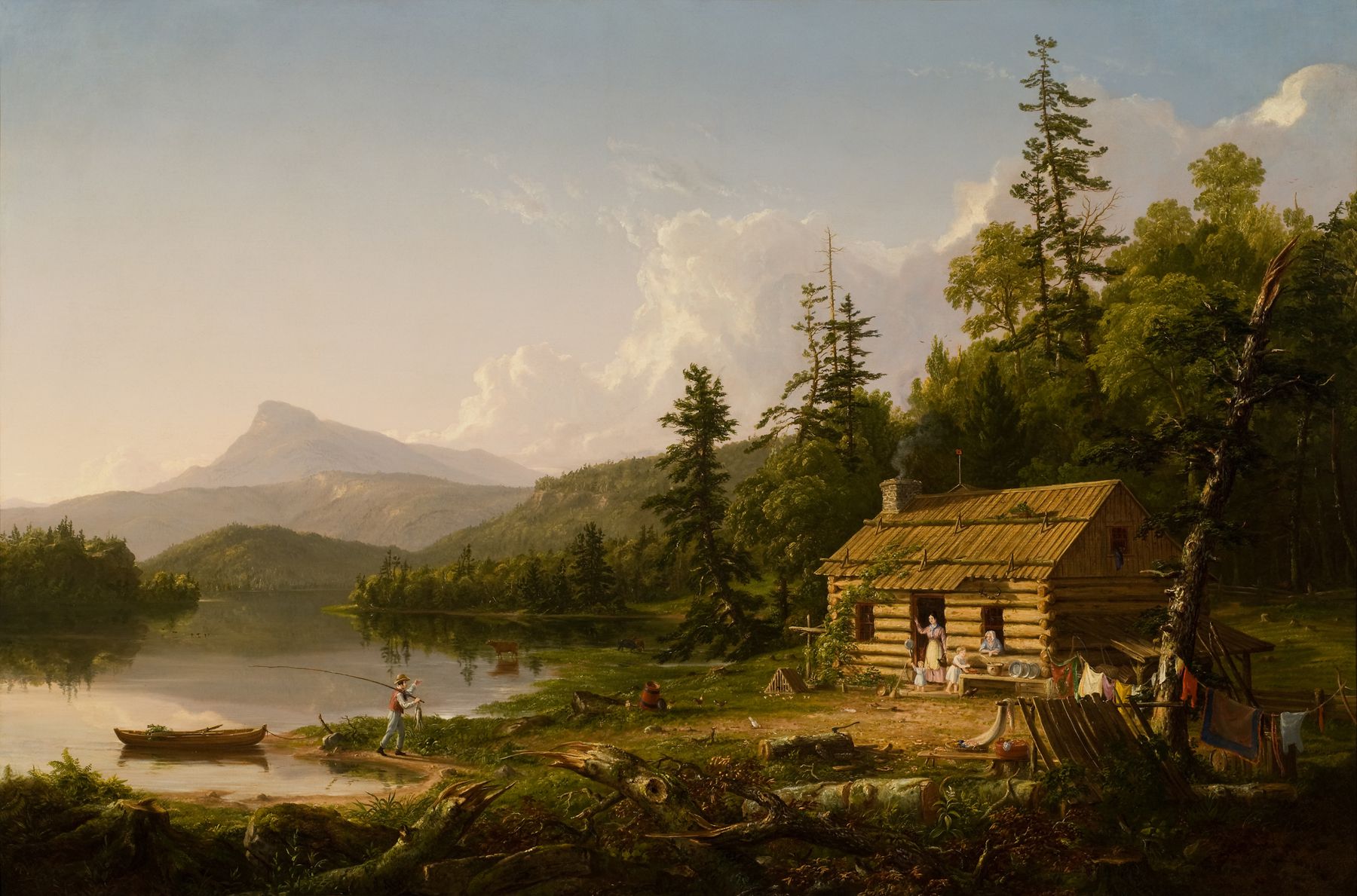
    Home in the Woods. By: Thomas Cole.

    The economy of the early United States would be familiar to modern Americans in some respects but also hard to recognize, given the development of the American economy in the past two centuries.

    (more…)