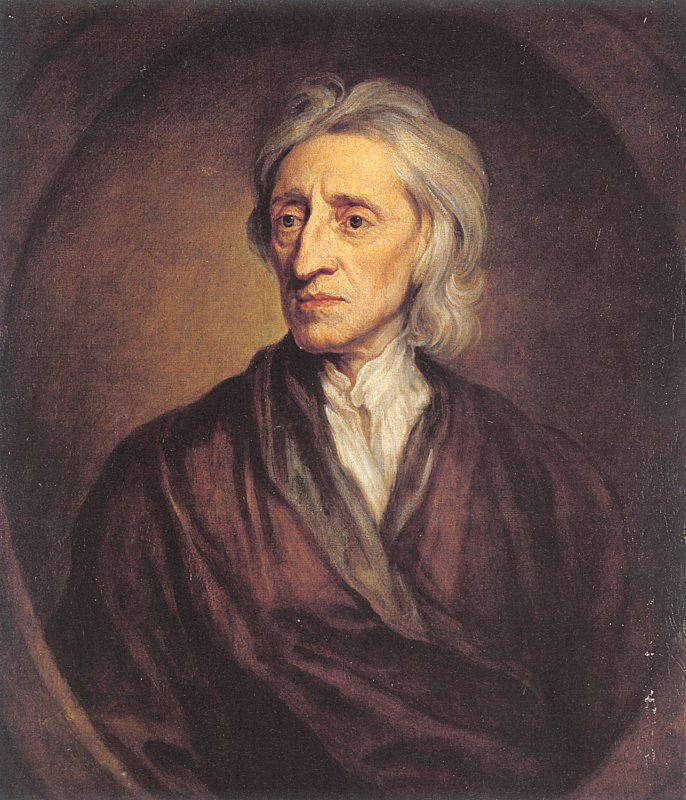
The Republican ideology, created and led by Jefferson, manifested itself in the generation after the Founding Fathers.
The Republican ideology, created and led by Jefferson, manifested itself in the generation after the Founding Fathers.
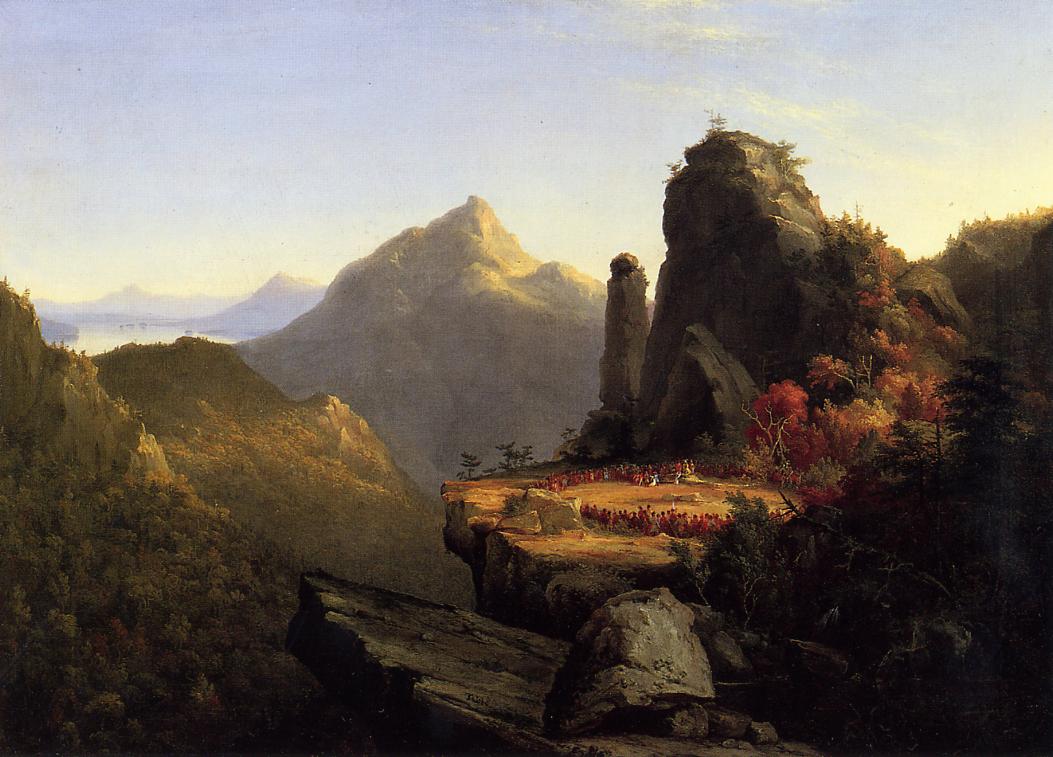
By 1815, the Native Americans had been pushed mostly out of the New England area and into territories just east of the Mississippi River and the entirety of the territory west of the Mississippi River. The Native Americans were a significant obstacle to expanding American territory.
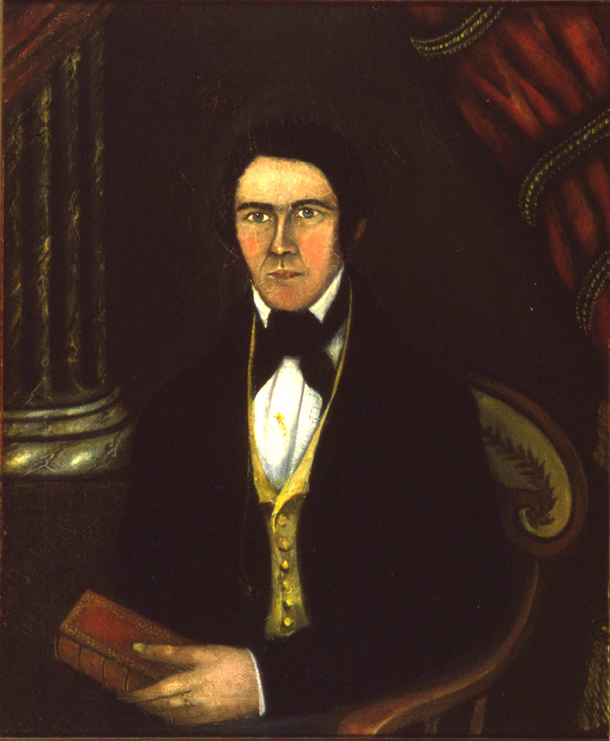
Thomas Paine described the Constitution as “not a thing in name only; but in fact . . . . It is the body of elements, to which you can refer, and quote article by article; and which contains . . . every thing that relates to the complete organization of a civil government, and the principles on which it shall act, and by which it shall be bound.” Paine, Rights of Man, Foner, ed., Writings of Paine, I, 278.

In the earliest years of the American Republic, individuals like James Madison, Samuel Williams, Charles Pinckney, and Samuel Langdon concluded that no country had created a better model for representative government than America’s. See Gordon Wood, The Creation of the American Republic: 1776-1787, 596.
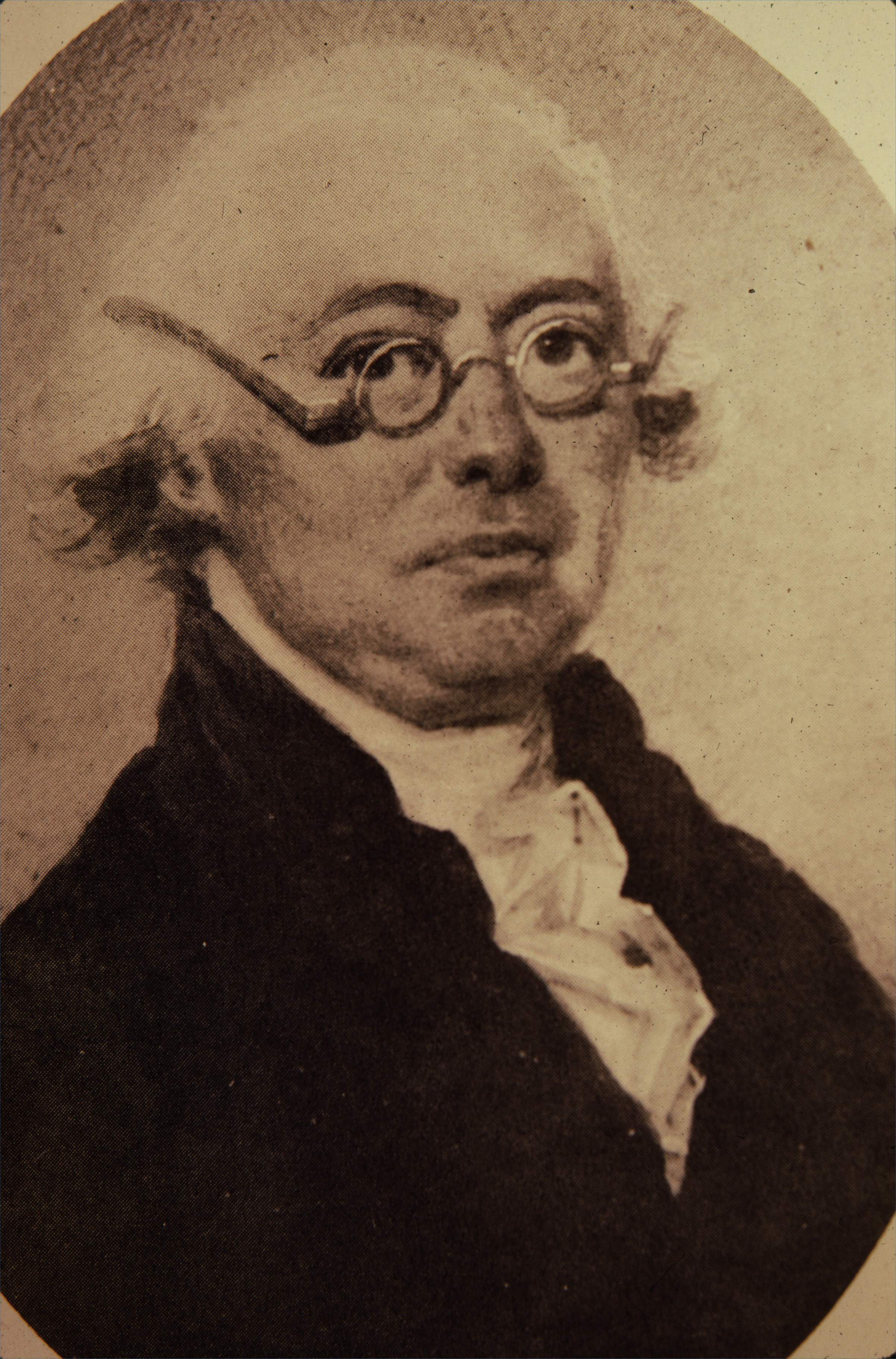
The political theory that emerged from the Revolution and the debates surrounding the Constitution was not “a matter of deliberation as it was a matter of necessity.” Gordon Wood, The Creation of the American Republic: 1776-1787, 593.
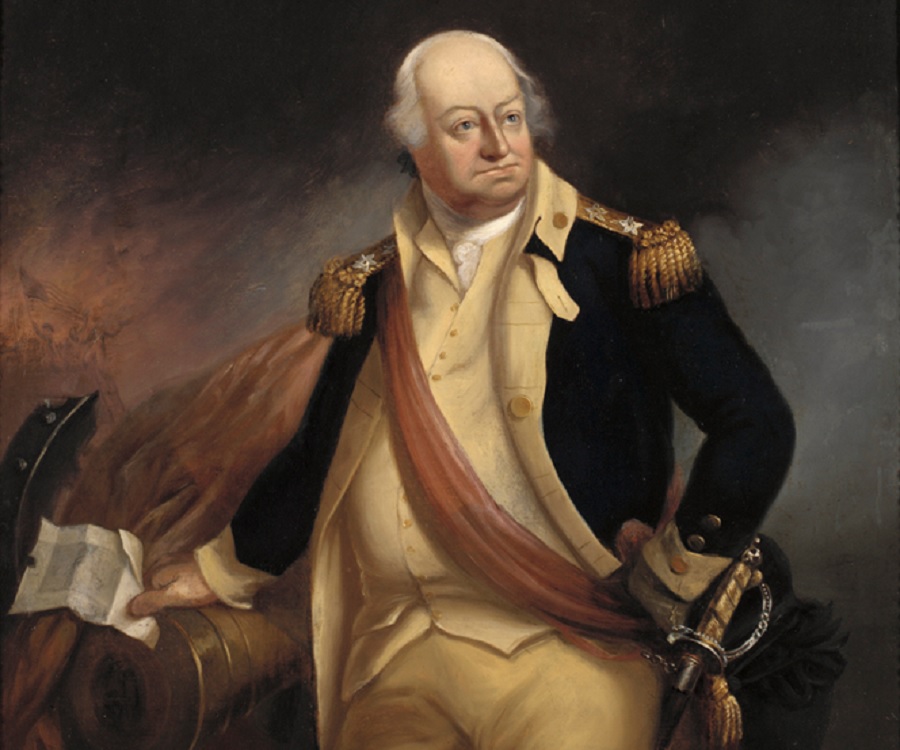
Benjamin Lincoln wrote a series of articles in the Boston Magazine and Independent Chronicle that would touch on many of the same subjects as John Adams in his Defence of the Constitution. See Gordon Wood, The Creation of the American Republic: 1776-1787, 576.

Despite the optimism surrounding the Revolution, John Adams had taken a different tact.
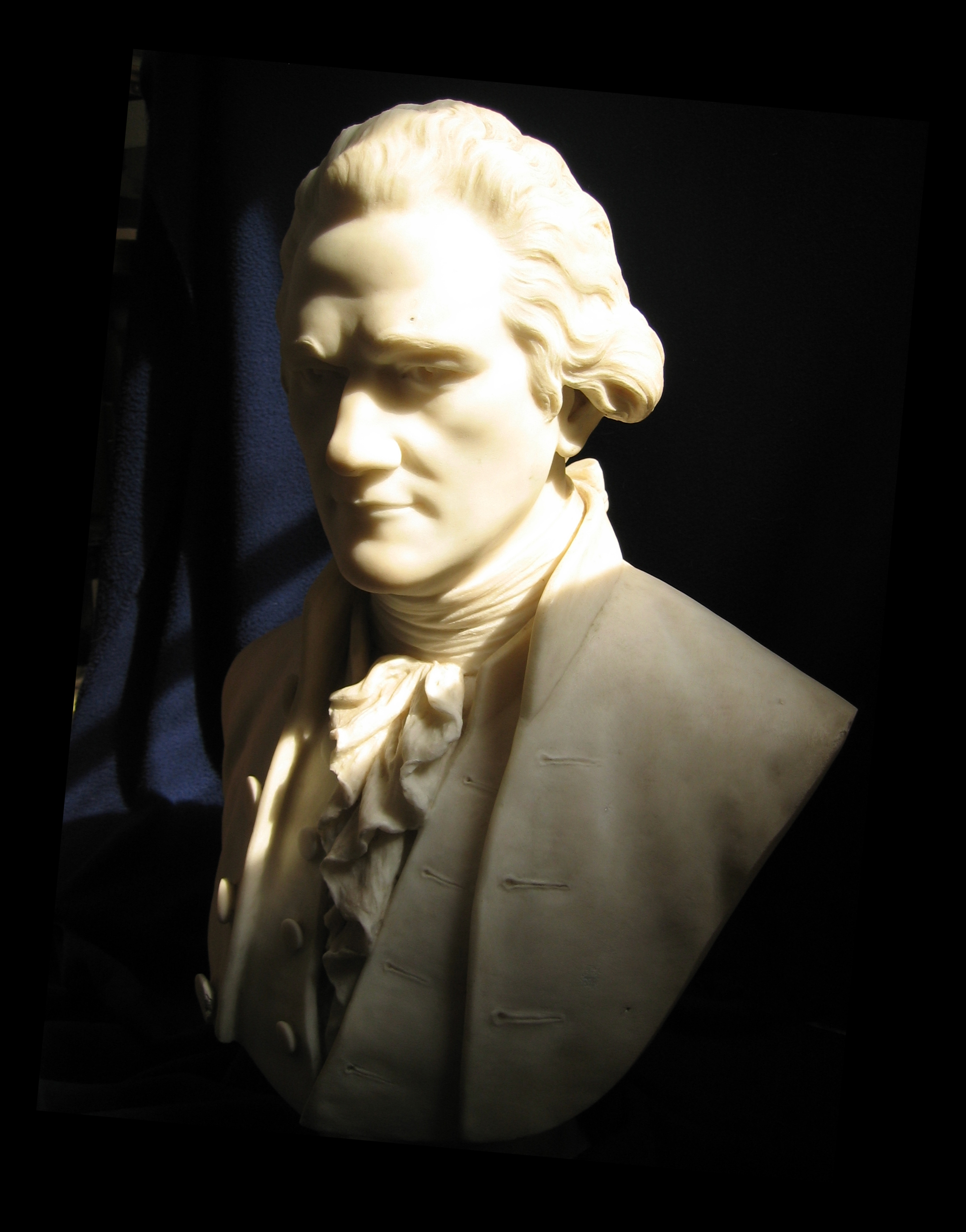
The Federalists, in overseeing the creation of the modern political system, culminating in the Constitution, had inadvertently changed not only the structure of government but also the trajectory of American politics.

Because the Federalists outmaneuvered the Antifederalists in presenting the Constitution to the American people, the Antifederalists faced a predicament of what to do. As Richard Henry Lee stated, many who wished to change the federal structure of government realized that they had to accept “this or nothing.” Gordon Wood, The Creation of the American Republic: 1776-1787, 547 quoting Lee to Mason, Oct. 1, 1787, Ballagh, ed., Letters of R. H. Lee, II, 438. The Antifederalists were more or less forced to “attack the federal government in those mechanical Enlightenment terms most agreeable to the thought of the Federalists: the division and balancing of political power,” otherwise known as separation of powers. Gordon Wood, The Creation of the American Republic: 1776-1787, 548.

The debate surrounding the adoption of the Bill of Rights revealed to many Americans the stark differences between Federalists and Antifederalists. Edmund Pendleton, in the Virginia Convention, stated that opposition to the Constitution “rested on ‘mistaken apprehensions of danger, drawn from observations on government which do not apply to us.’” Gordon Wood, The Creation of the American Republic: 1776-1787, 543 quoting Pendleton (Va.), in Elliot, ed., Debates, III, 36-37. Pendleton pointed out that many governments in the world were ruled by dictators. Id. Those governments had “bred hostility between ‘the interest and ambition of a despot’ and ‘the good of the people,’ thus creating ‘a continual war between the governors and the governed.’” Id. Pendleton believed that these beliefs led Antifederalists to demand a bill of rights and to have other unfounded fears about the Constitution. Id.
 Last Best Hope of Earth