Tag: Early Republic

  • Building the Bill of Rights

    georgemason-painting
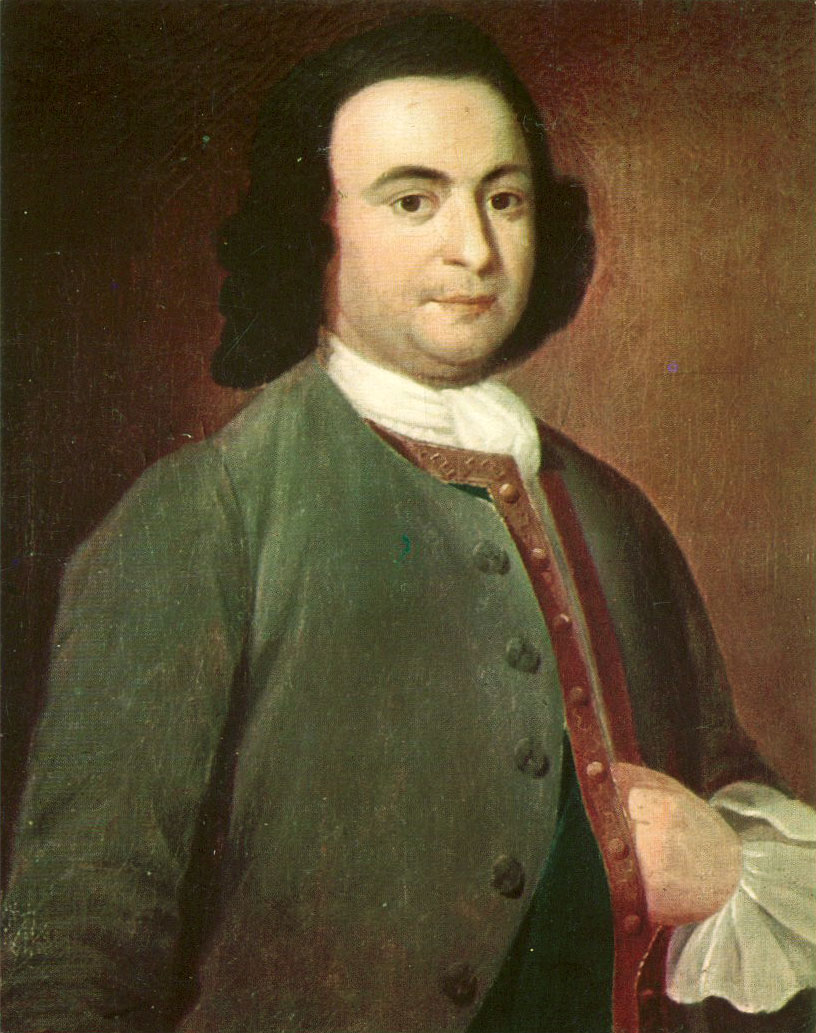
    George Mason. By: Dominic W. Doubet.

    A bill of rights was not contemplated at the Constitutional Convention, until George Mason mentioned it in the last days of the Convention. Every state ruled it out. Rufus King, however, suggested that “as the fundamental rights of individuals are secured by express provisions in the State Constitutions; why may not a like security be provided for the Rights of the States in the National Constitution?” Gordon Wood, The Creation of the American Republic: 1776-1787, 536 quoting Farrand, ed., Records of the Federal Convention, II, 375-76, 378-79, I, 492-93.

    (more…)

  • Retention of the Supreme Power

    1-2-2d4-25-explorepahistory-a0n0y8-a_349
    James Wilson, as Associate Justice of the Supreme Court. By: Robert S. Susan, after Leopold G. Seyffert, after Max Rosenthal.

    Capturing the spirit of the Declaration of Independence, the Constitution was expressing “the inherent and unalienable right of the people” to determine their system of government. Gordon Wood, The Creation of the American Republic: 1776-1787, 535 quoting Wilson, in McMaster and Stone, eds., Pennsylvania and the Federal Constitution, 317.

    (more…)

  • Two Supreme Coordinate Powers

    gouverneur_morris
    Gouverneur Morris. Engraving by: J. Rogers.

    Coming out of the Philadelphia Convention, many Americans had different perspectives about what had transpired and how effective the Constitution could be as a governing document.

    (more…)

  • The Deftness of the Federalists

    patrickhenry-1050x816
    Patrick Henry. By: Currier & Ives.

    As the Constitution was being drafted and ratified, opinions ranged on the prospects for it effectively governing America. Some in the Philadelphia Convention believed it was “nothing more than a combination of the peculiarities of two of the State Governments which separately had been found insufficient.” Gordon Wood, The Creation of the American Republic: 1776-1787, 519 quoting Madison, in Farrand, ed., Records of the Federal Convention, II, 291. Even some Federalists, who favored a strong national government, concluded that there was “a preposterous combination of powers in the President and Senate, which may be used improperly.” Edward Carrington to Jefferson, Oct. 23, 1787, Boyd, ed., Jefferson Papers, XII, 255.

    (more…)

  • A Compound of Aristocracy and Monarchy

    jonathan_jackson_delegate
    Etching of Jonathan Jackson. By: Max Rosenthal.

    In the 1780s, Americans, like John Dickinson, observed that “[p]eople once respected their governors, their senators, their judges and their clergy; they reposed confidence in them; their laws were obeyed, and the states were happy in tranquility.” Dickinson, Letters of Fabius, Ford, ed., Pamphlets, 188. The authority of the government was declining. Gordon Wood, The Creation of the American Republic: 1776-1787, 507. (more…)

  • The Social Debate

    melancton-smith-1744-1798-granger
    Melancton Smith. By: Granger.

    The debate surrounding the Constitution was as much a political and governmental debate as it was a social debate. The individuals who debated the Constitution, both for and against the Constitution, focused on the social aspect, making the disagreement “fundamentally one between aristocracy and democracy.” Gordon Wood, The Creation of the American Republic: 1776-1787, 485. (more…)

  • The Scum Will Rise

    jamesotisjr_by_blackbarn
    James Otis Jr. By: Joseph Blackburn.

    The social structure of America was being turned upside down during the Revolution. As James Otis warned in 1776: “When the pot boils, the scum will rise.” John Eliot to Jeremy Belknap, Jan. 12, 1777, Belknap Papers, 104.

    (more…)

  • The Evil of Popular Despotism

    james20madison2
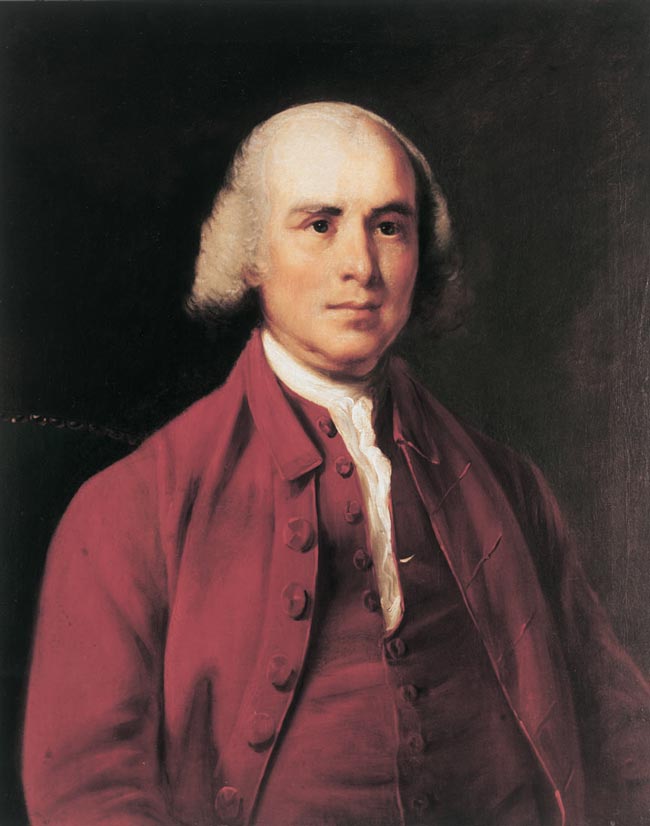
    James Madison. By: H.B. Grigsby.

    James Madison had extensive beliefs about the structure of American government and the sustainability of the system.

    (more…)

  • The Inadequacy of the Confederation

    jj-1958-306-pub-001-606x750
    John Jay. By: John Trumbull.

    By 1787, the strength and stability of the states was under scrutiny. Shays’ Rebellion had erupted, citizens had become more licentious, and state legislatures appeared to be running rampant, doing significant damage to the health of the country as a whole. See Gordon Wood, The Creation of the American Republic: 1776-1787, 465.

    (more…)

  • The Defense Against Encroachments

    large_bp29
    James Varnum. By: John Nelson Arnold.

    While during the American Revolution, the judiciary was mostly forgotten, in the interest of controlling gubernatorial power by empower legislatures, that began to change during the 1780s.

    (more…)