Tag: Early Republic

  • Constitution Sunday: George Washington to Bushrod Washington

    George Washington to Bushrod Washington

    Mount Vernon, November 10, 1787

    Following are excerpts from George Washington’s letter to Bushrod Washington:

    “Dear Bushrod: In due course of Post, your letters of the 19th. and 26th. Ult. came to hand and I thank you for the communications therein; for a continuation in matters of importance, I shall be obliged to you. (more…)
  • The Annexation of Texas

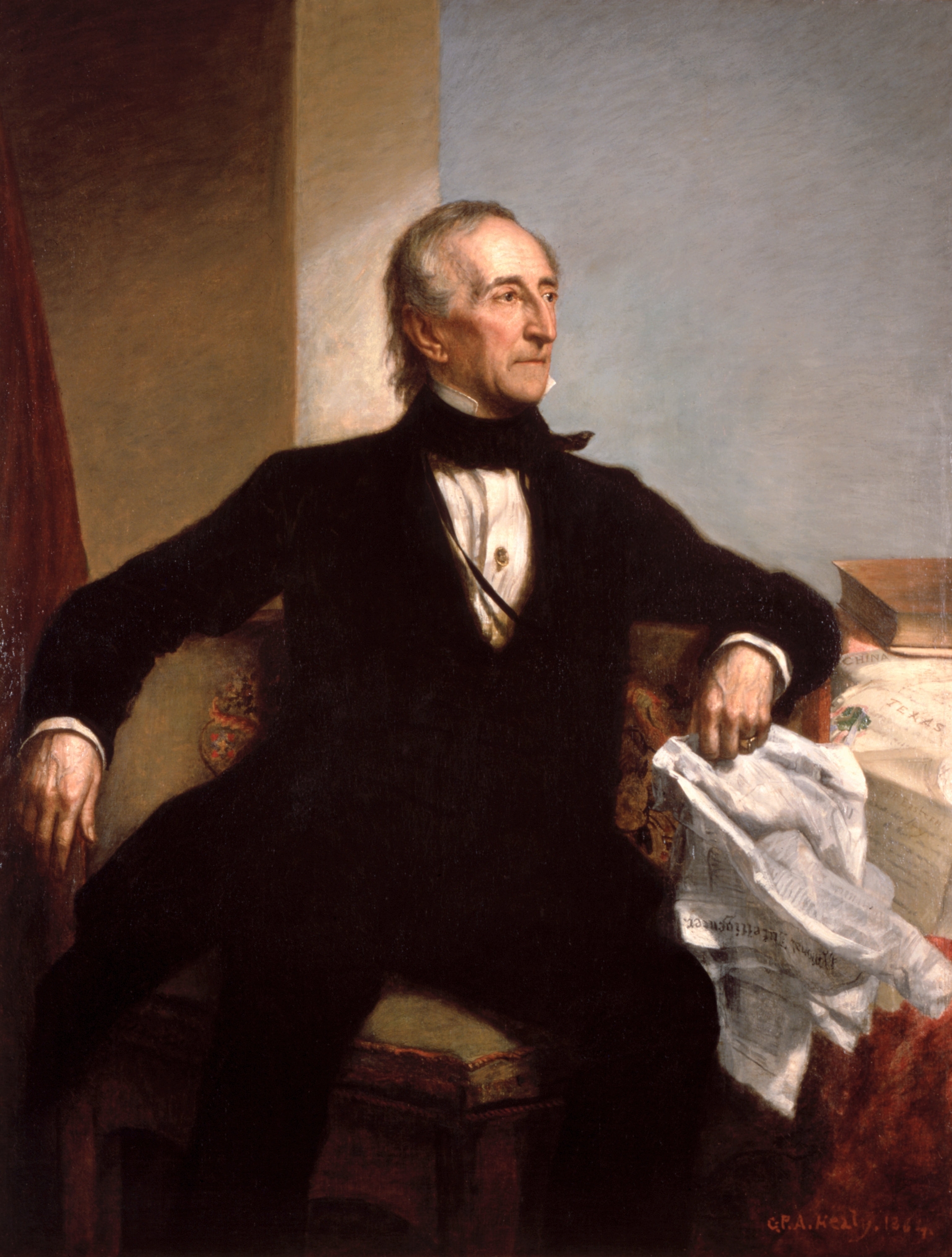
    john-tyler
    President John Tyler.

    President John Tyler sought to achieve much success in foreign affairs during his presidency, and part of that success, he imagined, would be accomplished through expansion of the country. See Daniel Walker Howe, What Hath God Wrought: Transformation of America, 1815-1848, 677. The annexation of the Republic of Texas to be the 28th state in the Union was to be his goal.

    (more…)

  • The Webster-Ashburton Treaty of 1842

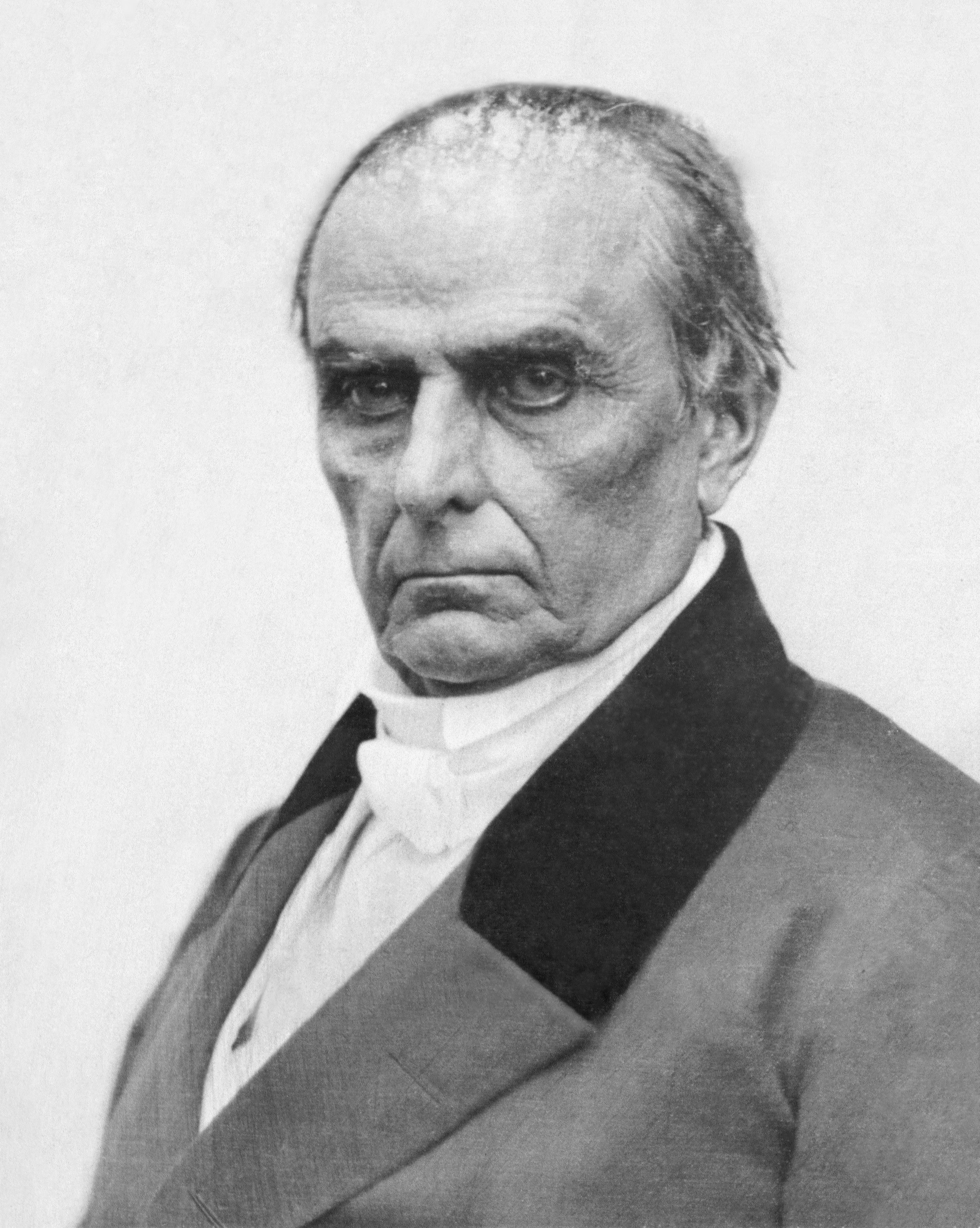
    daniel_webster_-_circa_1847
    Daniel Webster.

    Daniel Webster, the Secretary of State under President John Tyler, brought a breadth of experience and dignity to the office, but he also brought “a different perspective on Anglo-American relations.” Daniel Walker Howe, What Hath God Wrought: Transformation of America, 1815-1848, 672.

    (more…)

  • Rumblings of Annexation

    6c5e64ac06bf44b1a4cd1b83864c3997
    Martin Van Buren.

    President Andrew Jackson had a predisposition toward annexing Texas and making it American territory. See Daniel Walker Howe, What Hath God Wrought: Transformation of America, 1815-1848, 670.

    (more…)

  • The Birth of Texas

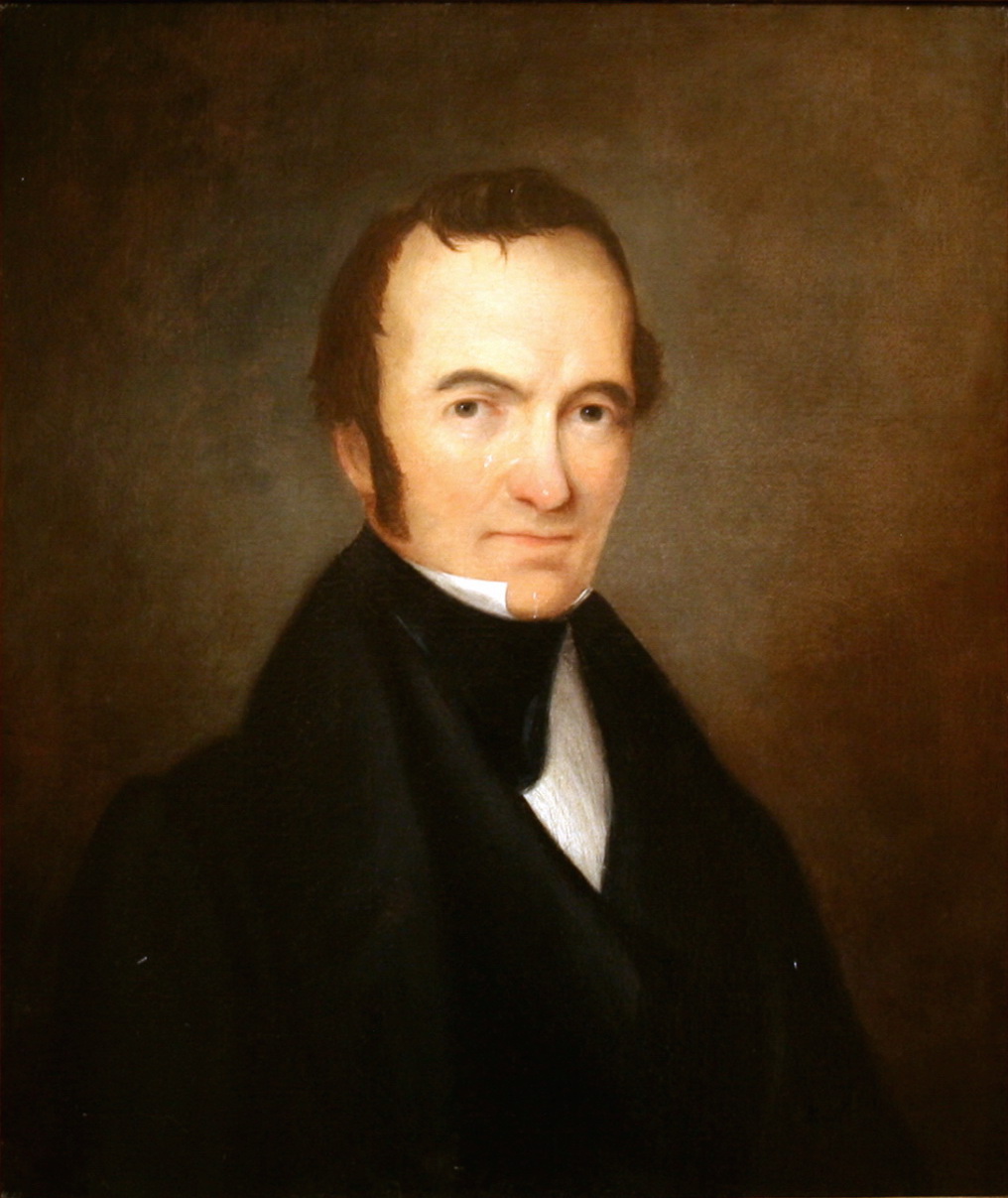
    stephen_f_austin
    Stephen F. Austin. Artist Unknown.

    In 1821, Mexico achieved its independence from Spain, changing the nature of America-Mexico relations. See Daniel Walker Howe, What Hath God Wrought: Transformation of America, 1815-1848, 658-59.

    (more…)

  • The Genesis of the Underground Railroad

    daguerreotype_of_joseph_story_1844_edit
    Justice Joseph Story.

    Justice Joseph Story wrote a decision in Prigg v. Pennsylvania that would put the United States Supreme Court in a possession of relieving northern state officials of responsibility “for returning fugitive slaves, and increasingly northern state legislatures instructed them to do so.” Daniel Walker Howe, What Hath God Wrought: Transformation of America, 1815-1848, 654.

    (more…)

  • Literature of the 1830s and 1840s

    hd_lippardg
    George Lippard.

    While much of literature during the 1830s and 1840s was dedicated to religiosity and piety, a new type of literature was emerging during this time. George Lippard and other authors were achieving commercial success writing novels that have stood the test of time and have had appeal to ordinary Americans in generations since: novels about the Western United States. See Daniel Walker Howe, What Hath God Wrought: Transformation of America, 1815-1848, 631.

    (more…)

  • The Legacy of the Whig Party

    clay44b
    The New York Tribune, a Whig Newspaper, Endorsing its Candidates.

    Following the Election of 1840, members of the Whig Party must have been optimistic about their future. They likely imagined that the dominance of the Jacksonian Democrats could be replicated within the ranks of the Whigs and supplant the Democrats. It was not to be, however.

    (more…)

  • The Censure of John Quincy Adams

    220px-john_quincy_adams
    John Quincy Adams.

    In 1842, John Quincy Adams presented to the House of Representatives a petition from 42 residents of Haverhill, Massachusetts, requesting that the Union be dissolved. Daniel Walker Howe, What Hath God Wrought: Transformation of America, 1815-1848, 610. Henry Wise, Congressman from Virginia, “demanded the former president be censured.” Id.

    (more…)

  • The Progress of Women in the 1830s and 1840s

    dix-dorothea-loc
    Dorothea Dix.

    Around the 1830s and 1840s, individuals who suffered from mental illness were treated as criminals, regardless of whether they had actually committed a crime. See Daniel Walker Howe, What Hath God Wrought: Transformation of America, 1815-1848, 604. Dorothea Dix sought to change that.

    (more…)