Tag: Early Republic

  • Lincoln the Teetotaler

    underhill-old-country-store
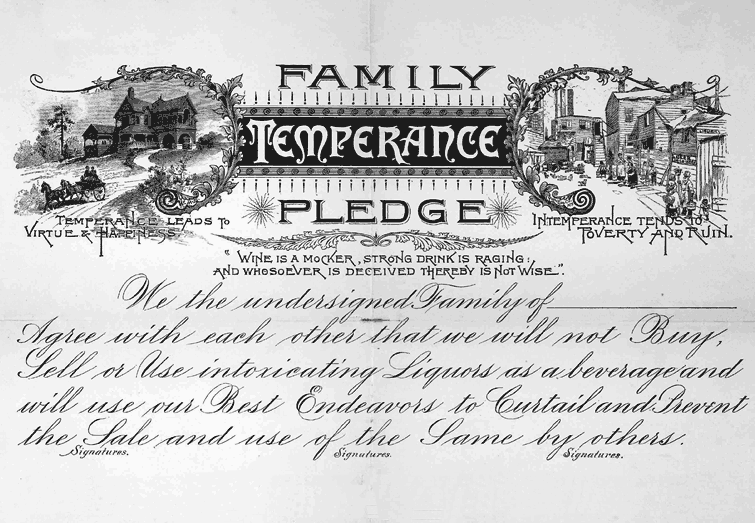
    A Pledge to be Part of the Temperance Movement.

    While the Democrats had held up Andrew Jackson as the ideal man, the Whigs began to view Abraham Lincoln in the 1840s as the ideal man, even though his personality was “artificial—that is, self-constructed.” Daniel Walker Howe, What Hath God Wrought: Transformation of America, 1815-1848, 598.

    (more…)

  • The Illinois System

    abraham_lincoln_by_nicholas_shepherd2c_1846-crop
    Abraham Lincoln in 1846, then Representative from Illinois. By: Nicholas H. Shepherd.

    Abraham Lincoln, as a Congressman in the House of Representatives, would be “an ardent supporter of internal improvements.” Daniel Walker Howe, What Hath God Wrought: Transformation of America, 1815-1848, 596.

    (more…)

  • The Emergence of Bankruptcy

    10010743373
    The Bankruptcy Act of 1841.

    In the wake of the Panics of 1837 and 1839, Congress sent the White House a new bill to be signed into law: The Bankruptcy Act of 1841. See Daniel Walker Howe, What Hath God Wrought: Transformation of America, 1815-1848, 593. From then on, bankruptcy would be part of American life, providing an option for when debts become overwhelming.

    (more…)

  • The First Presidential Succession

    Portrait of John Tyler
    Depiction of John Tyler.

    Following William Henry Harrison’s death just a month into his presidency in 1841, John Tyler rose to the presidency, in the first instance of a president dying while holding the office. See Daniel Walker Howe, What Hath God Wrought: Transformation of America, 1815-1848, 589.

    (more…)

  • The Darkest Spot on the American Mantle

    clay
    Henry Clay. By: Henry F. Darby.

    In 1832, Henry Clay addressed the Senate, expressing his hope that “some day,” America “would be rid of this, the darkest spot on its mantle,” speaking of slavery. Daniel Walker Howe, What Hath God Wrought: Transformation of America, 1815-1848, 586 quoting Life, Correspondence, and Speeches of Henry Clay, ed. Calvin Colton (New York, 1857), I, 189, 191.

    (more…)

  • Election of 1840: The Rhetoric

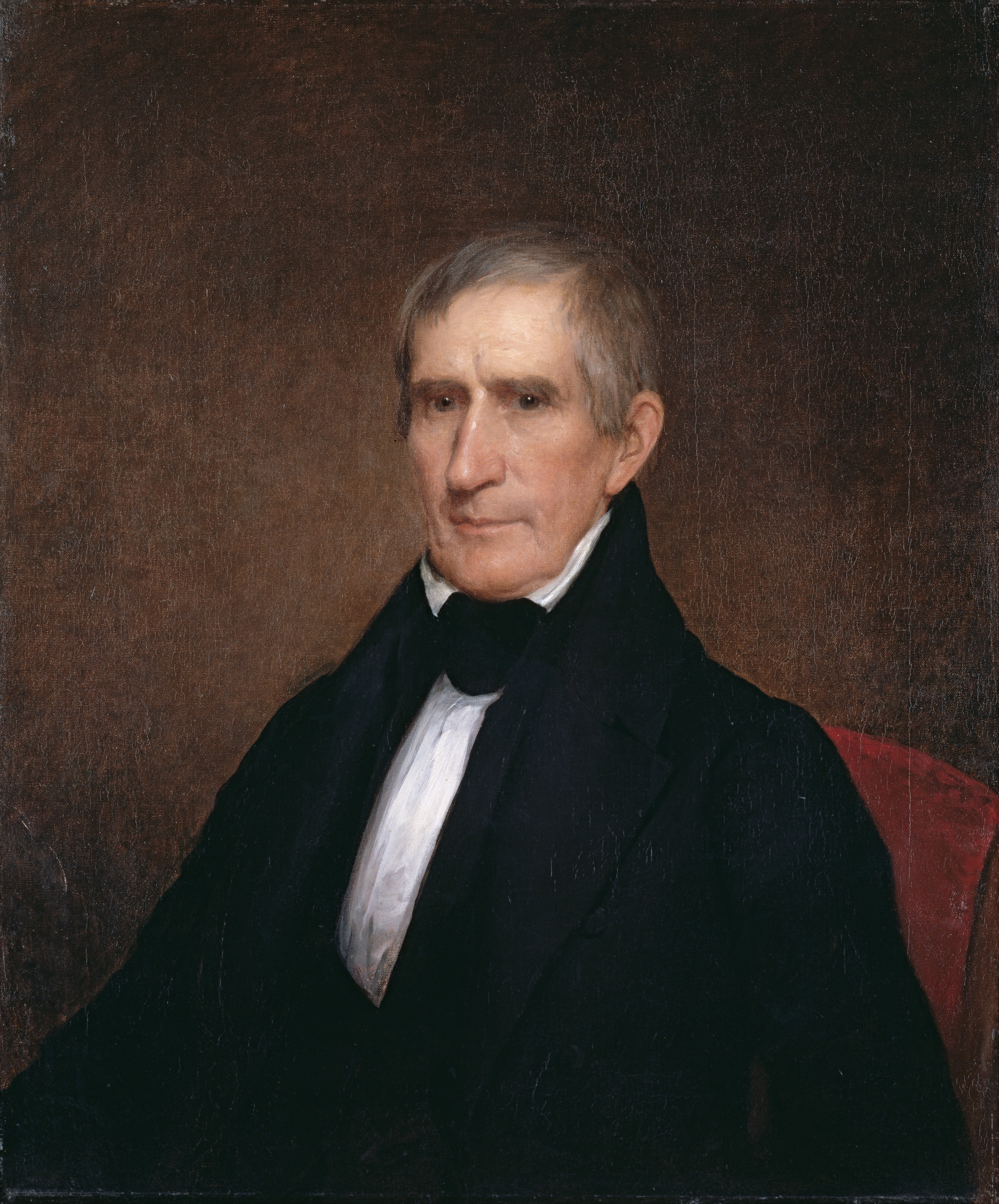
    albert_gallatin_hoit_-_william_henry_harrison_-_google_art_project
    William Henry Harrison. By: Albert Gallatin Hoit.

    The Election of 1840 juxtaposed the Whig Party’s policies against the Democratic Party’s more fluid policies. The Whigs “possessed a more coherent program: a national bank, a protective tariff, government subsidies to transportation projects, the public lands treated as a source of revenue, and tax-supported public schools.” Daniel Walker Howe, What Hath God Wrought: Transformation of America, 1815-1848, 583-84. The Democrats did not have such rigid policies, relying instead on the “emotional bond” they they had with their followers, rather than policy initiatives. Id. at 584 citing Matthew Crenson, The Federal Machine: Beginnings of Bureaucracy in Jacksonian America (Baltimore, 1975), 29.

    (more…)

  • Election of 1840: Voter Turnout

    franceswright
    Frances Wright. By: John Chester Buttre.

    The Election of 1840 is one that stands out in history. That is for principally one reason: voter turnout.

    (more…)

  • Election of 1840: The Campaign

    harrisonlogcabincampaign
    Depiction of William Henry Harrison with a Log Cabin and Hard Cider.

    As was customary until 1904, an incumbent president did not campaign openly for his re-election. This was true for President Martin Van Buren as well. See Daniel Walker Howe, What Hath God Wrought: Transformation of America, 1815-1848, 573.

    (more…)

  • The Inauguration of William Henry Harrison

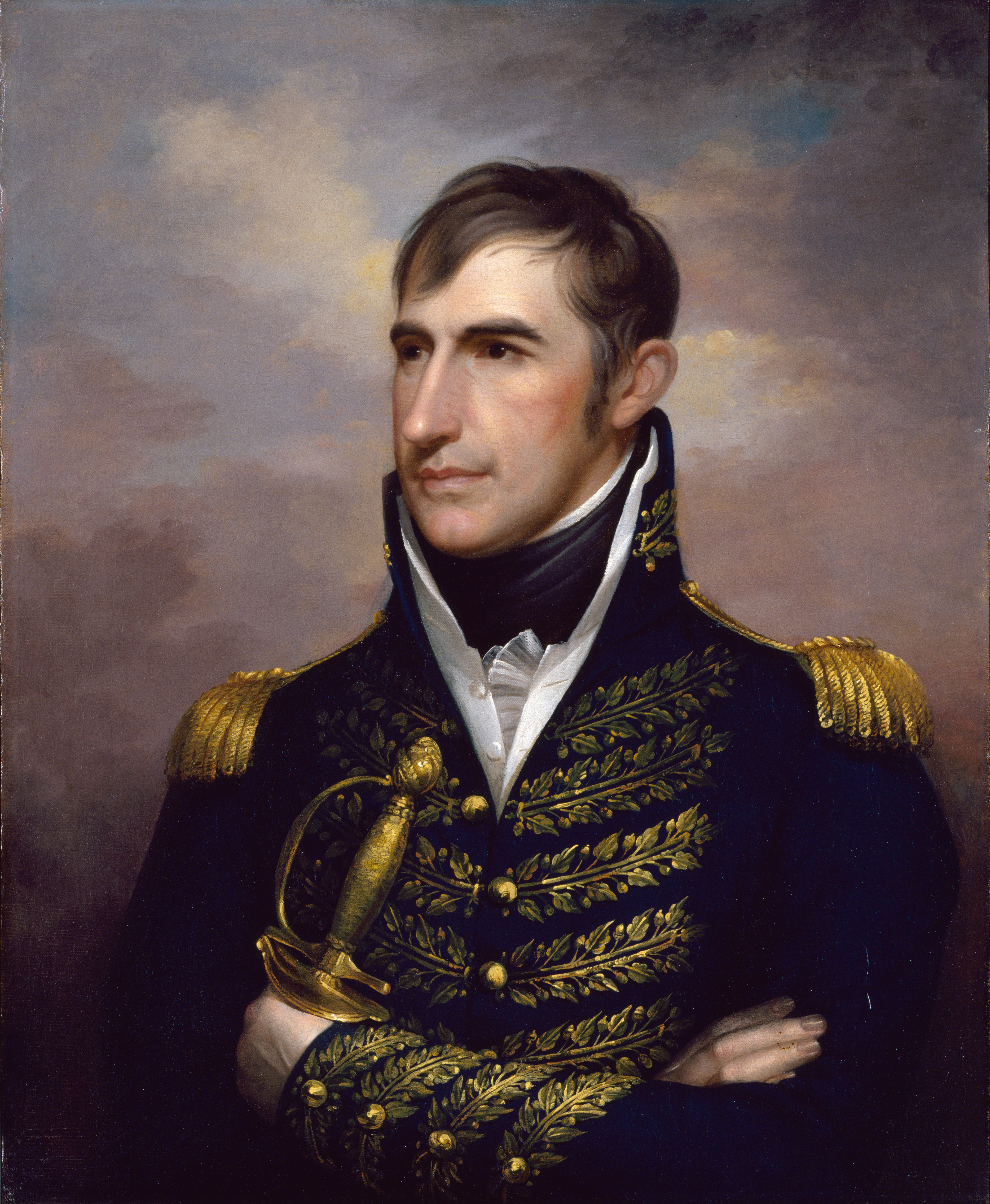
    rembrandt_peale_-_william_henry_harrison_-_google_art_project
    William Henry Harrison. By: Rembrandt Peale.

    William Henry Harrison, a Whig, won the White House in the election of 1840. In March 1841, for his inauguration, he stood in the cold and wind and spoke for an hour and a half. See Daniel Walker Howe, What Hath God Wrought: Transformation of America, 1815-1848, 570.

    (more…)

  • The Railroad Revolution

    dewitt_clinton_28locomotive29
    A Depiction of the Replica of the Dewitt Clinton, an American-made Locomotive.

    Following the Panics of 1837 and 1839, America began rapidly expanding a new innovation: the railroad. While this would seem to have brought the country together, in fact, it increased sectionalism, creating more tension between the North and the South. Daniel Walker Howe, What Hath God Wrought: Transformation of America, 1815-1848, 569.

    (more…)