
By the 1830s and 1840s, slavery had become engrained in the American legal system, enjoying protections and safeguards against its abolition and ultimately ensuring its continuation.
By the 1830s and 1840s, slavery had become engrained in the American legal system, enjoying protections and safeguards against its abolition and ultimately ensuring its continuation.

Following the Panics of 1837 and 1839, the American government and Americans generally had developed a skepticism about corporations. Some states even “rewrote their constitutions in the 1840s” to forbid their state government from stock ownership. See Daniel Walker Howe, What Hath God Wrought: Transformation of America, 1815-1848, 557.
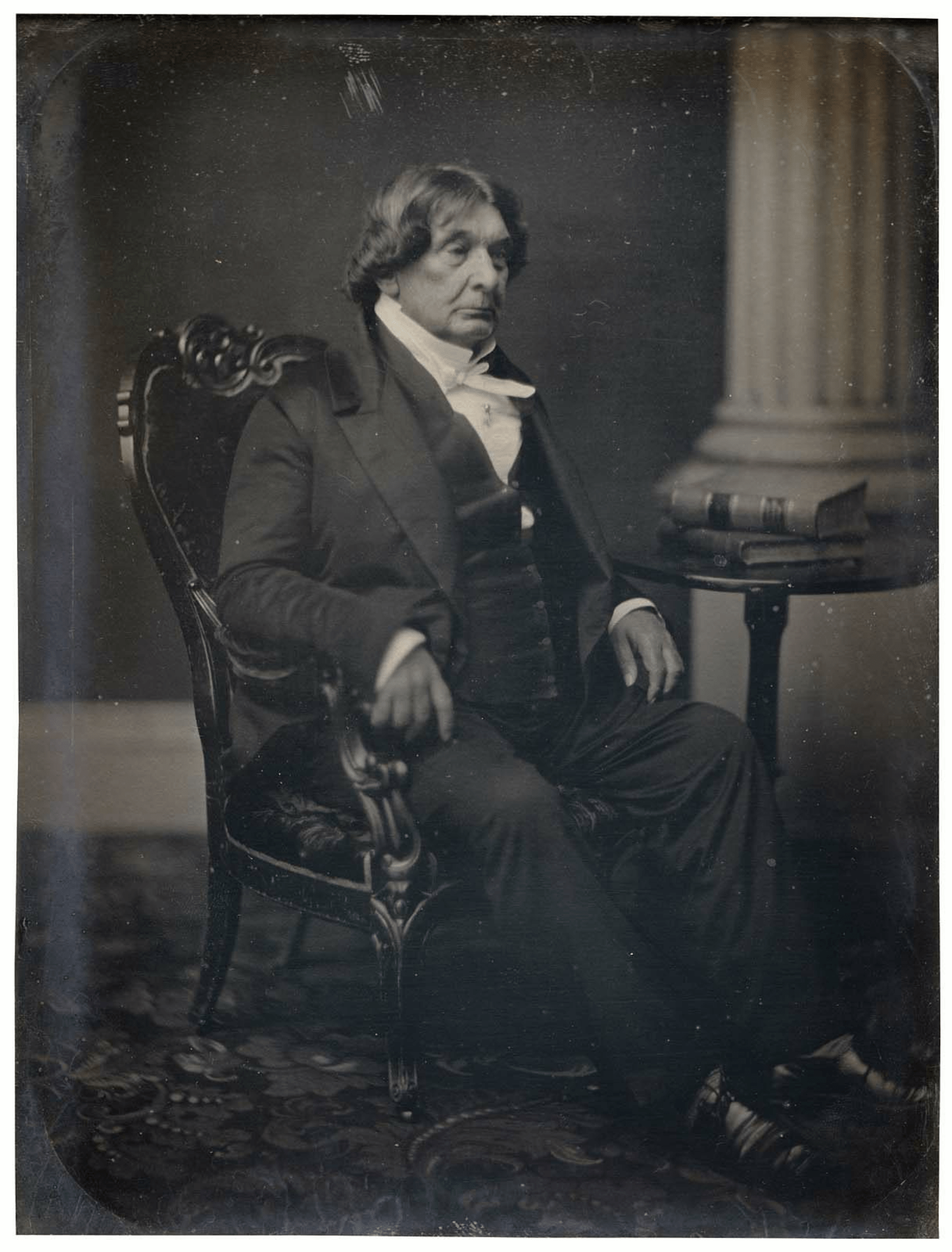
The labor movement gained significant momentum during the 1830s and 1840s, paving the way for future generations of Americans to secure extensive workers’ rights.
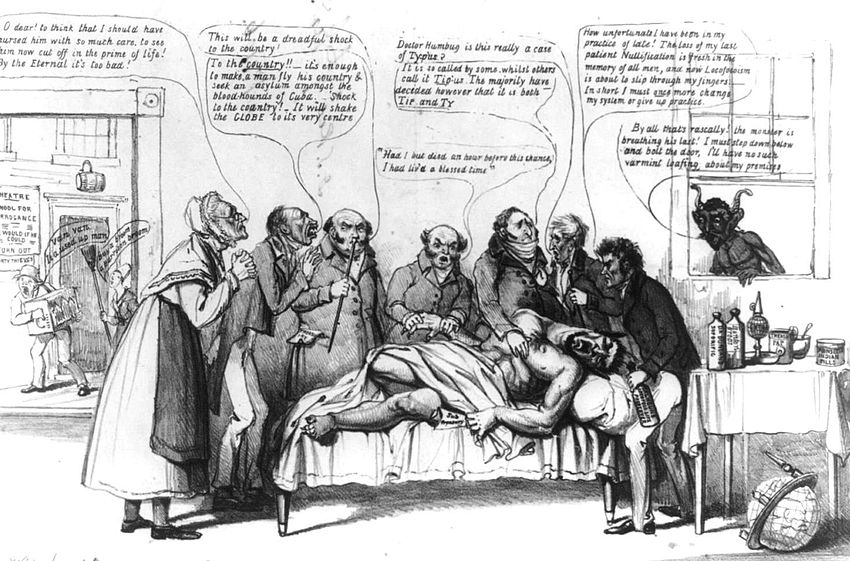
America’s economic development resulted in American workers being classified, creating tension between the classes.

In the 1820s and 1830s, Working Men’s political parties emerged, changing the discourse of the two major political parties, the Democrats and Whigs. From Philadelphia outward, “Working Men’s political parties sprang up in various places . . . , fed by the discontents of journeymen under the impact of industrialization.” Daniel Walker Howe, What Hath God Wrought: Transformation of America, 1815-1848, 539 citing Sean Wilentz, Chants Democratic: New York City and the Rise of the American Working Class (New York, 1984), 109.
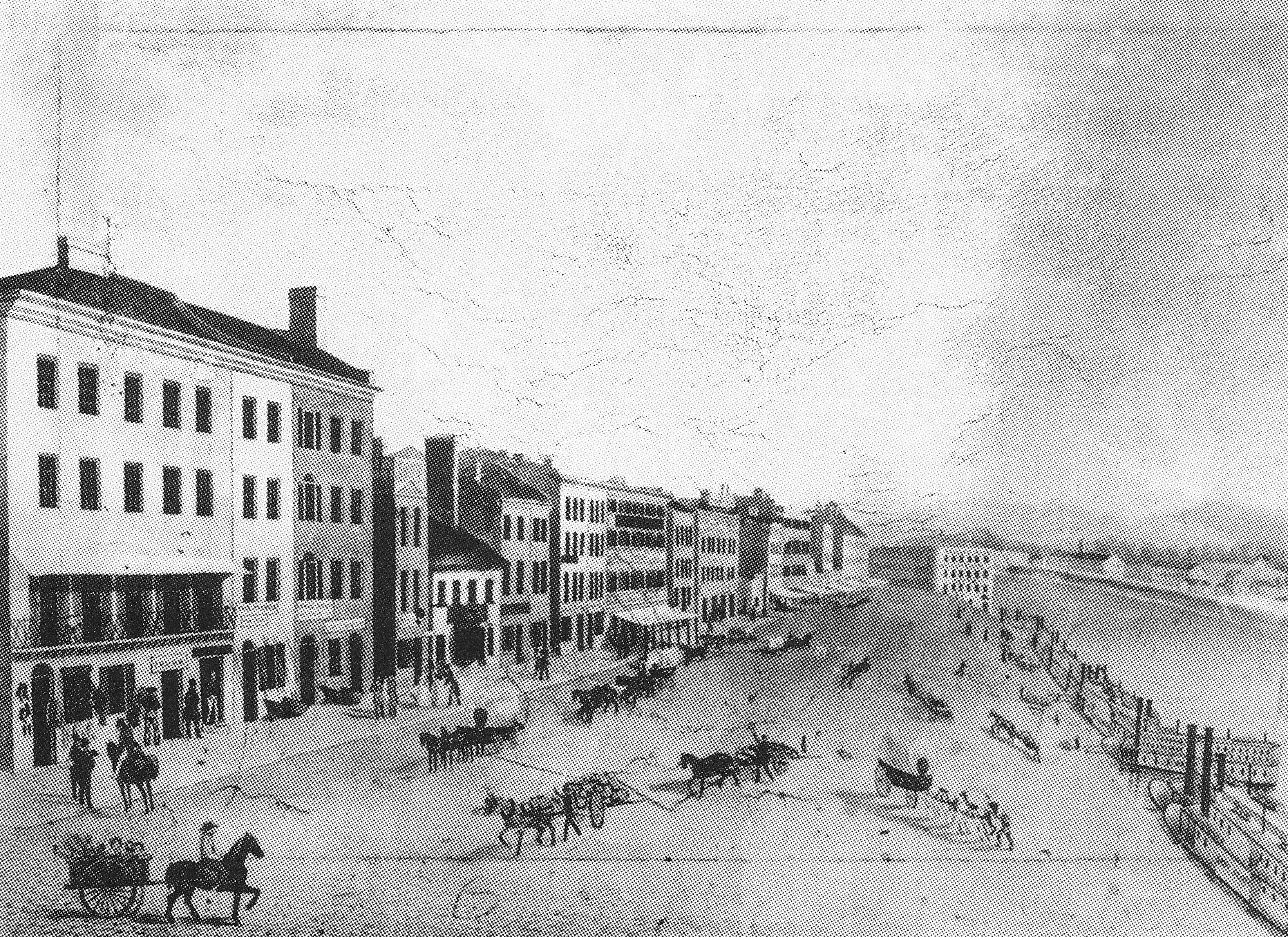
From the 1820s through the 1840s, America’s cities were changing rapidly due to the transportation revolution, technological advances, and world events.

With President Martin Van Buren in the White House came increasing extermination of the Native Americans. While many will recall the Trail of Tears leading to thousands of Native American deaths, the Second Florida War would be the “longest and most costly of all the army’s Indian Wars,” as it stretched from 1835 to 1842. Daniel Walker Howe, What Hath God Wrought: Transformation of America, 1815-1848, 516.
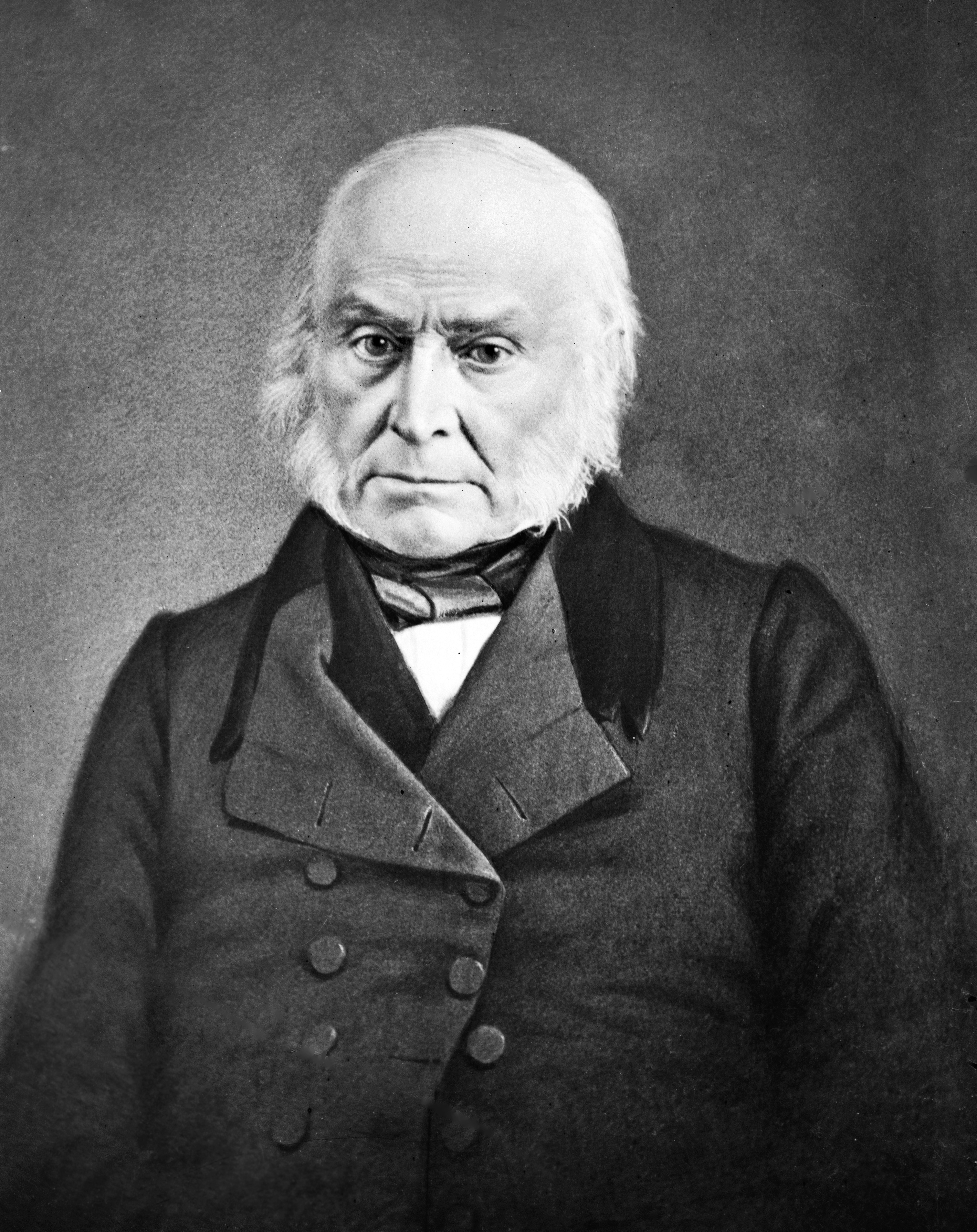
The United States Congress was not above adopting its own rules that would silence abolitionist views. While mass mailings to southerners became a regular occurrence for abolitionists, creating significant tension between proslavery and anti-slavery factions, those had occurred outside the purview of government. The House of Representatives, when it used a gag rule to prevent discussion of petitions relating to abolition, was striking a blow to abolitionists all over the country.
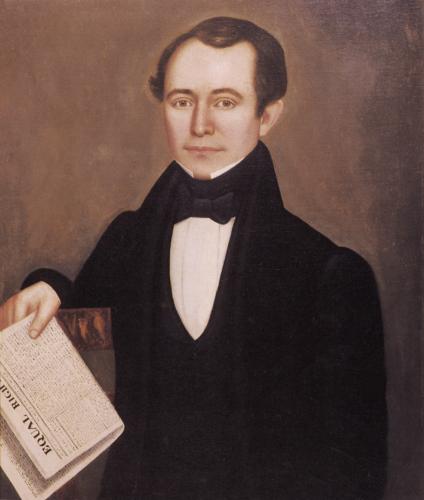
With the emergence of the Democrats and the Whigs as the two main political parties in the late 1830s and early 1840s, this fostered significant tension on the issue of slavery.

Amidst the Panics of 1837 and 1839, the Whigs enjoyed significant gains in Congress, which led to Robert M.T. Hunter, a pro-states’ rights southerner, becoming Speaker of the House. Daniel Walker Howe, What Hath God Wrought: Transformation of America, 1815-1848, 506. Further, besides the changing composition of Congress, the federal government’s policies would change, as a result of the Panics.
 Last Best Hope of Earth