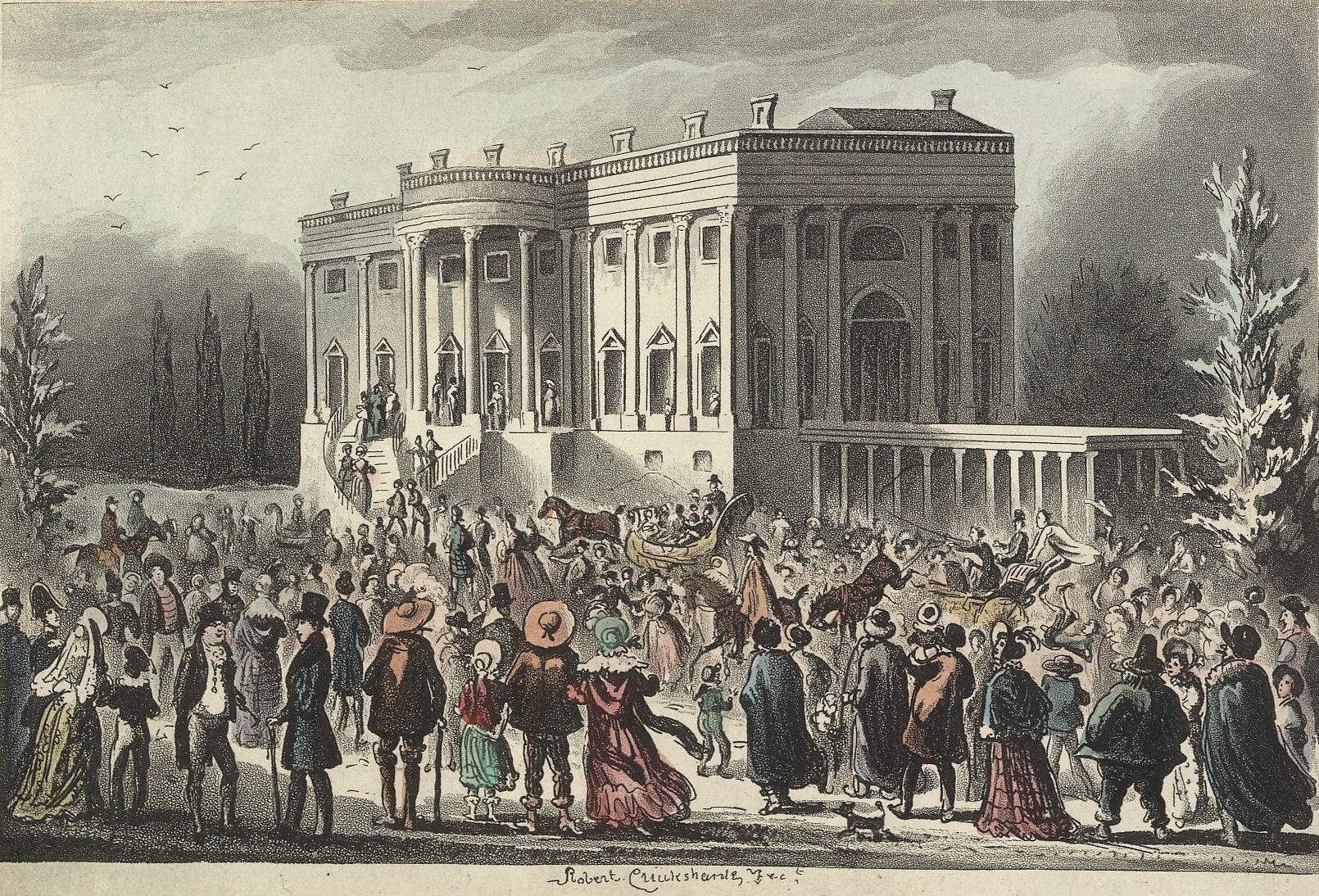
Andrew Jackson, upon taking the White House, was bound to change the political landscape of America, and he did so quickly.
Andrew Jackson, upon taking the White House, was bound to change the political landscape of America, and he did so quickly.

Following the Election of 1828, Andrew Jackson was preparing to move into the White House, newly a widower and introducing a change in leadership.
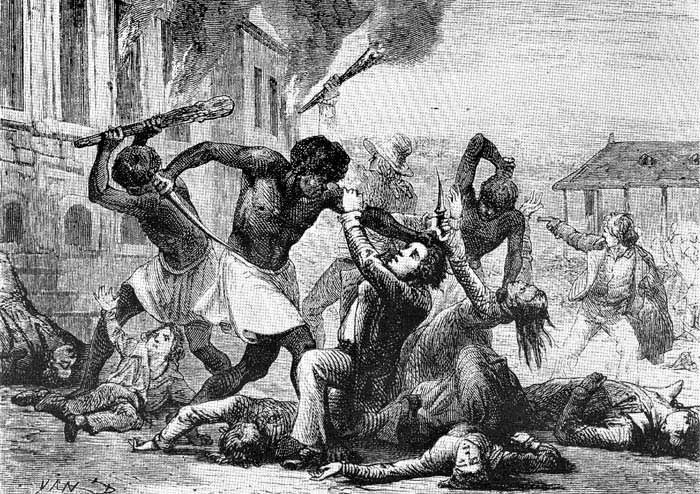
On August 22, 1831, the greatest slave rebellion in United States history occurred, led by a “mystic religious visionary named Nat Turner.” Daniel Walker Howe, What Hath God Wrought: Transformation of America, 1815-1848, 323.
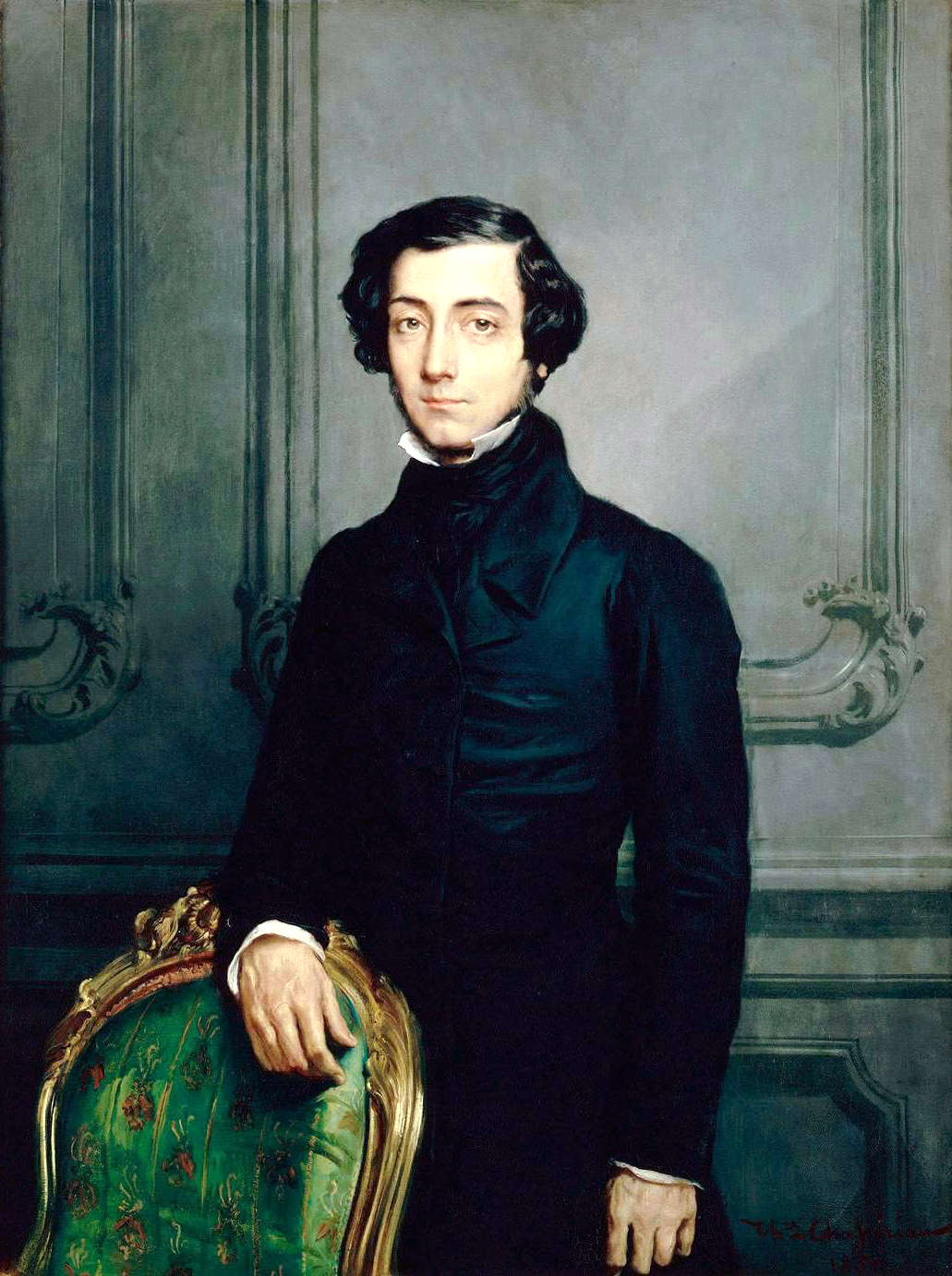
America, in the early part of the 1800s, developed a reputation for being an experimental society. It was a prime example of popular rule, which brought a unique perspective to the world stage. See Daniel Walker Howe, What Hath God Wrought: Transformation of America, 1815-1848, 304.

American history, and world history for that matter, is filled with examples of false prophecies. William Miller was perhaps one of the earliest false prophets of the American republic.

The Election of 1828 introduced a new level of contention into American politics, and it centered on personal attacks.
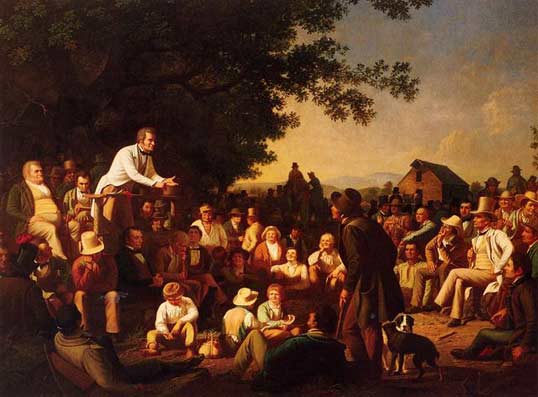
Over the course of President John Quincy Adams’ term from 1824 to 1828, defenders of his administration began calling themselves National Republicans while opponents called themselves Democratic Republicans. Daniel Walker Howe, What Hath God Wrought: Transformation of America, 1815-1848, 275. The Election of 1828 served as a culmination of the changing politics of the country.
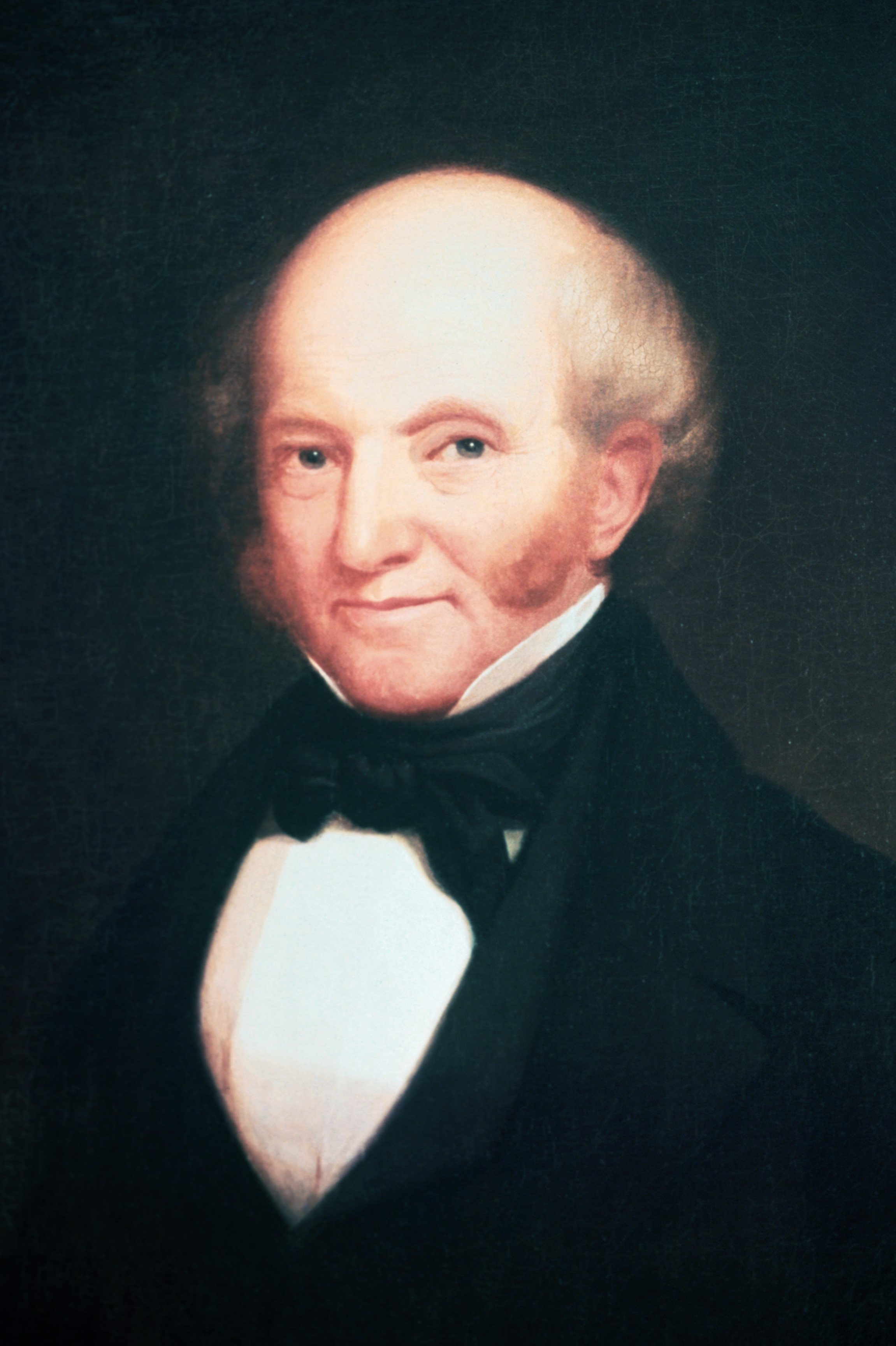
Both President John Quincy Adams and Henry Clay were of the mindset that much could be accomplished in developing the American economy with the help of the government. Martin Van Buren had different ideas, however.

In the late 1820s, a third political party, the Antimasons, were formed, which would change the course of American political history.

The American Colonization Society, the premier organization advocating for the exportation of slavery to Africa, had a major supporter in Secretary of State Henry Clay in the late 1820s.
 Last Best Hope of Earth