Tag: Election of 1860

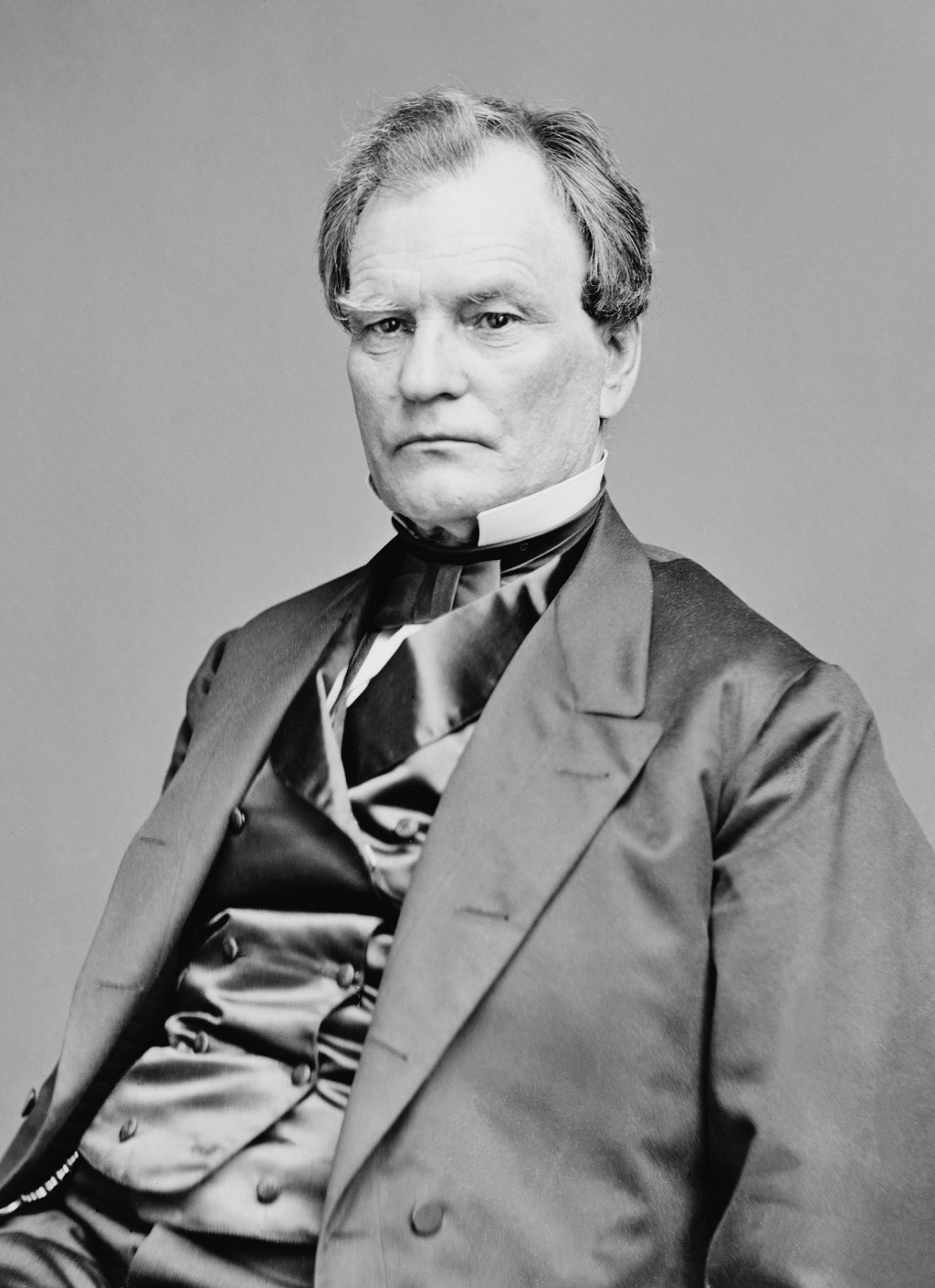
  • The Civil War: Benjamin F. Wade: Remarks in the U.S. Senate

    The Civil War: Benjamin F. Wade: Remarks in the U.S. Senate

    December 17, 1860

    Benjamin Wade, a Republican Senator from Ohio, rose to speak in the Senate. There were murmurs abound of averting the crisis—of stopping states from seceding from the Union. Some talked of forming a committee to explore the potential for a compromise between northern and southern states, even though no one knew what contours such a compromise could take. After all, for decades, Congress had been encapsulating compromises into bills, presidents had been signing those bills into law, and none of the laws resolved the tensions between the states.

    (more…)
  • The Civil War: Abraham Lincoln to John A. Gilmer

    Springfield, Illinois

    December 15, 1860

    The outgoing president, James Buchanan, had delivered his lukewarm message of unity to the country. South Carolina wasn’t swayed; she continued her efforts to secede. The incoming president, Abraham Lincoln, had the opportunity to send to the country his own statement. Perhaps he still could save the Union without a war.

    (more…)
  • The Civil War: James Buchanan: From the Annual Message to Congress

    The Civil War: James Buchanan: From the Annual Message to Congress

    December 3, 1860

    Washington City

    James Buchanan was never going to avert the Civil War. But in his annual message to Congress, after the election of 1860, he scarcely even tried. Whereas most outgoing presidents use their last days in power to begin shaping their legacy, reflect on their time at the helm, and share their unique perspective on the country—and on the world—Buchanan was not like most outgoing presidents.

    (more…)
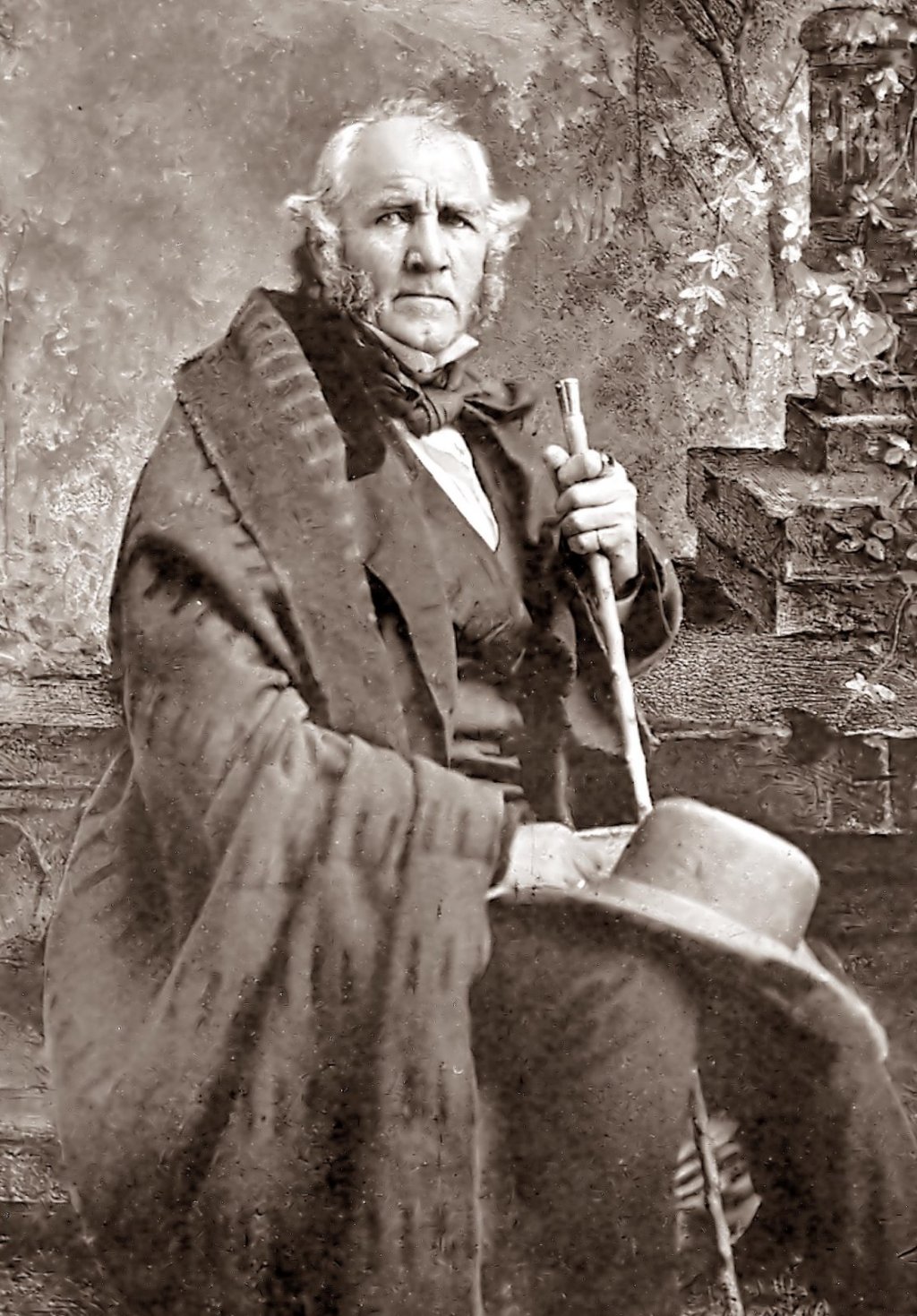
  • The Civil War: Sam Houston to H.M. Watkins and Others

    The Civil War: Sam Houston to H.M. Watkins and Others

    Sam Houston to H.M. Watkins and Others

    November 20, 1860

    Politicians who have become household names have an ability to sway public opinion—and they know it. They can use their precious political capital to that end. But it’s a risky proposition. If they see odds they like and place their bets only to lose, they may see themselves fall out of favor, out of office, and out of the public eye. If, however, they read the moment correctly and positioned themselves just right, they may ascend further still—higher in esteem and maybe even earn their place in the collective memory of the nation.

    (more…)
  • The Civil War: John G. Nicolay: Memoranda Regarding Abraham Lincoln

    The Civil War: John G. Nicolay: Memoranda Regarding Abraham Lincoln

    November 5-6, 1860

    Who won the presidential election of 1860 would shape the following weeks and months—not because the winner would immediately take power; but because the direction of the country would come into focus. Perhaps the South would avoid its worst fear of having a Black Republican in the White House. Or perhaps their worst fear would become reality: Abraham Lincoln would win the election; then, there would be no choice but to go on with seceding between the election—in November—and the inauguration—in March. And then, for the South, there would finally be a cause for conflict; and not just a conflict of words but, for some, an overdue start to warfare with the North.

    (more…)
  • The Election of 1864

    The Election of 1864

    The summer of 1864 was one of dismay for President Abraham Lincoln and his administration: throughout the Union, the appetite for war had rapidly shrunk; particularly as compared to the heady days of 1860 that ushered Lincoln into the White House. While some voters in the North saw the continued prosecution of the war as nothing more than an attempt to manifest Lincoln’s wish to abolish slavery—and therefore a war not worth fighting—others had naturally, in view of the mounting casualties, developed a fatigue for war and, if they had a choice in the matter, would have opted for a negotiated peace. If Lincoln were to lose the election—so the argument ran—then families could be reunited and the violence could come to an end. For Confederates, northern voter despair was precisely the ingredient that was needed in the giant pot that was political discourse in the Union, but it was not all that was needed: the rebels had dreamt of forcing a negotiated peace, and now, with the election in sight, they had hope that Lincoln would be voted out and the war could be brought to a favorable end. (more…)

  • The Awakened Giant

    The Awakened Giant

    The news from Fort Sumter spread throughout the country, and its coming awakened a restless energy in the North. That energy ignited patriotism and a new sense of collectivism throughout northern cities and states that would lead to a then-unparalleled war effort directed against the Confederacy. (more…)

  • The Inauguration of Abraham Lincoln

    The Inauguration of Abraham Lincoln

    From the time of the Election of 1860 to the beginning of Abraham Lincoln’s presidency, there was uncertainty as to how Lincoln and his administration would handle the growing Confederacy and existential crisis facing the country.  (more…)

  • The North’s Attempt at Salvation

    washington-dc
    Aerial Perspective of Washington DC in 1861.

    The Deep South’s animating of a Second American Revolution, by seceding from the Union and laying the foundation for an operational Confederate government, forced the North to either suppress the South’s uprising or craft a resolution. The likelihood of war would deter any widespread northern suppression, leaving the question: What compromise could the North propose that appeased the South and put both sections of the country on a path of coexistence? While variations of this question had been posed in the years leading up to 1860, at no prior point were states seceding from the Union en masse to form a rival government. (more…)

  • The Secession of the Deep South

    secession-hall-583x600
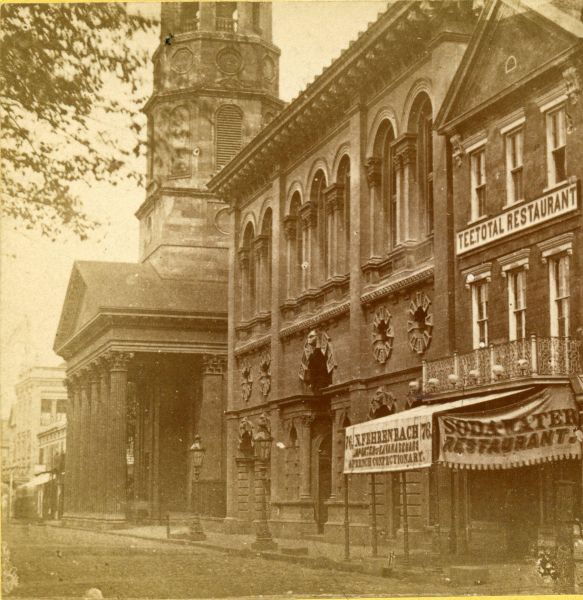
    Secession Hall in Charleston, South Carolina. Credit: The Civil War Trust.

    In the wake of the disconcerting result of the Election of 1860, the nature of southern secessionism suggested the imminent secession of at least some southern states from the Union. The timing and execution of states actually seceding from the Union was unclear, but the Deep South was prepared to act first. (more…)