As time passes and collective morals change, the legacies of prominent figures in American history often evolve. The context in which these individuals earned their place in American memory becomes increasingly difficult to uncover.
Tag: Election of 1868
-
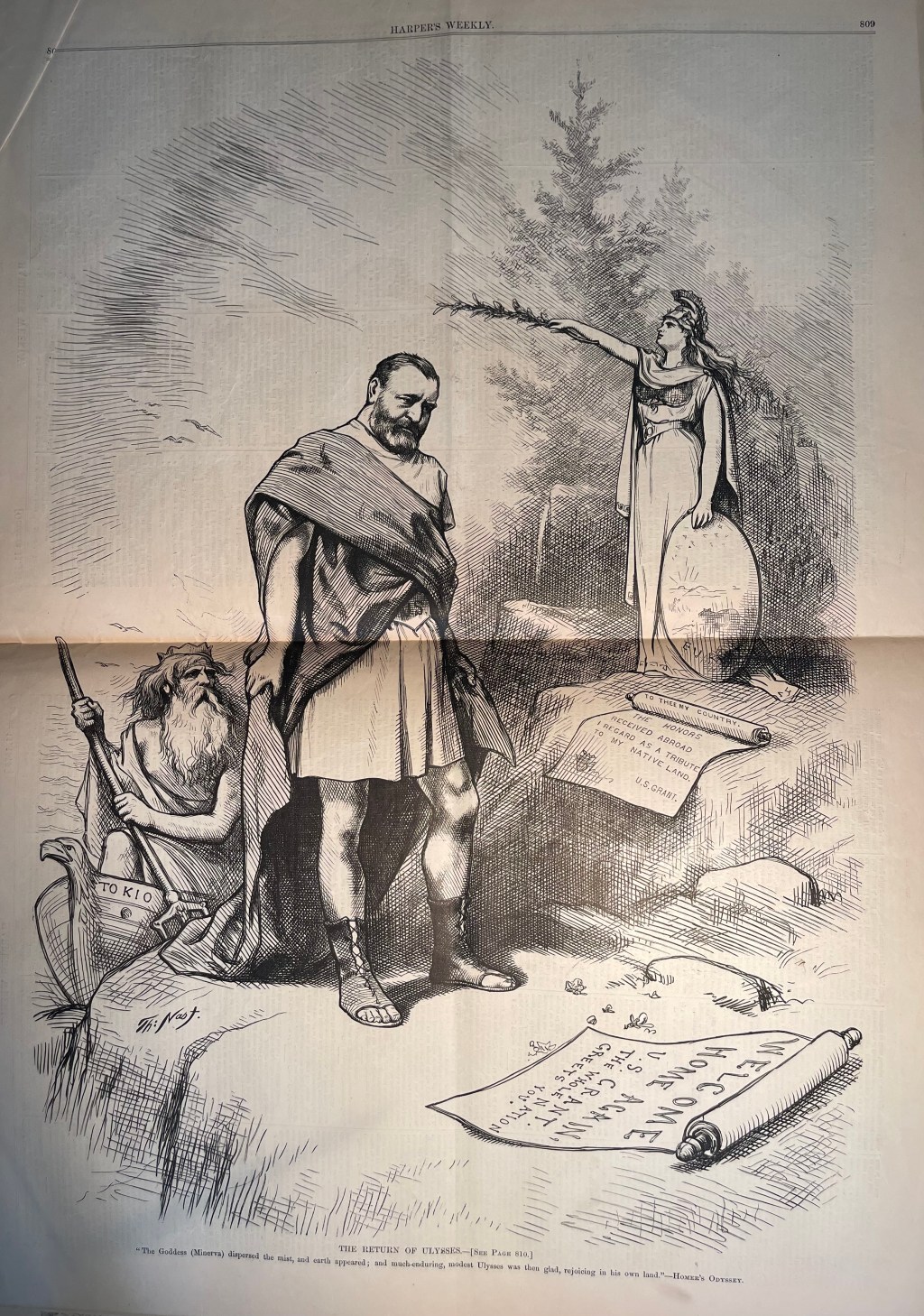
Ulysses S. Grant: An American Hero
-
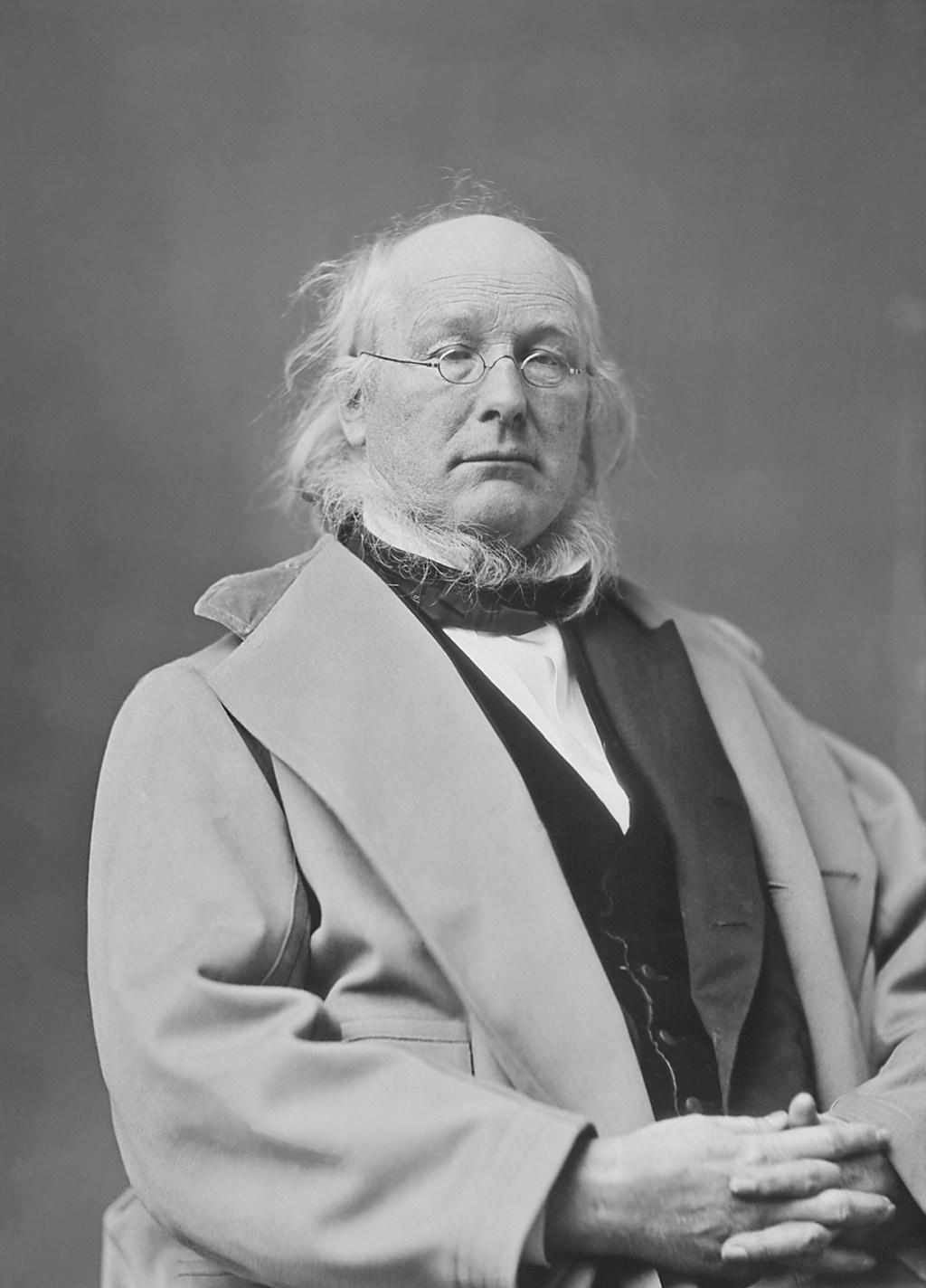
The Election of 1872
From the time that Ulysses S. Grant became a household name in America—during the Civil War—and particularly following Lincoln’s assassination, there was no more popular American in the remainder of the Nineteenth Century. The presidential election of 1868 showed the level of support that Grant had: although it was his first election, he won the entirety of the Midwest and New England and even took six of the former Confederate states. He was always going to be a formidable opponent. As the election of 1872 approached, it became clear that Grant, a Republican, would not have to vie for re-election against a candidate with the stature of a fellow former general or even a well-established politician; instead, his challenger would be the founder and editor of a newspaper: Horace Greeley, a Democrat. Although Greeley had one term in the House of Representatives at the end of the 1840s, his following stemmed not from his brief time as a politician but rather the incisive pieces that he wrote and published in his newspaper, the New-York Tribune. As loyal as his readers were, there remained a question whether Greeley’s following could grow to unseat the man who still, seven years after the war, was viewed as bringing peace and prosperity to the country.
(more…) -

The Election of 1868
In 1864, as the election neared, President Abraham Lincoln, a Republican, wagered that his re-election prospects depended on having a unity ticket: rather than choose a fellow Republican for the nomination for Vice President, he opted for a War Democrat and southerner, Andrew Johnson. With Johnson being from the South, condemning the Confederacy, and supporting the prosecution of the Civil War without negotiated peace—unlike the faction in his party known as the Copperheads (which called for immediate peace negotiations with the Confederacy)—he served as a useful balance to the Republican, Lincoln, whose party was increasingly vocal about abolition and subjugating the South, political issues that chilled some parts of the electorate to Lincoln. By 1868, much had changed. Lincoln had been assassinated, Johnson had poorly navigated Washington politics (and had come to within one vote of the Senate removing him from the presidency), and Ulysses S. Grant had continued his meteoric rise in popularity. There was little doubt that Grant would be the Republican nominee; he was one of the most popular Americans of the 1860s and would remain so for the duration of the 19th Century. The bigger questions were who the Democratic Party would choose as its nominee and whether that nominee would have a chance at becoming the first Democrat elected to the Presidency in twelve years—when James Buchanan won the election of 1856. (more…)
 Last Best Hope of Earth