Tag: Federalists

  • Wrapping Up the War of 1812

    hith-british-burn-washington-dc-200-years-ago-e
    The Burning of the White House. 1814.

    By the end of the War of 1812, President James Madison had weathered what is likely one of the tumultuous years that any president has had to endure. The British had landed a force, marched on Washington, D.C., and burned the White House. President Madison had trusted his Secretary of War John Armstrong when he doubted the possibility of a British invasion, only to be caught off guard when a scouting party, led by Secretary of State James Monroe, located just how close the British were to Washington. See Daniel Walker Howe, What Hath God Wrought: The Transformation of America, 1815-1848, 63-64.
    (more…)

  • The Two Scales and the Hand that Holds it

    benjamin-lincoln-5
    Benjamin Lincoln. By: John Singer Sargent.

    Benjamin Lincoln wrote a series of articles in the Boston Magazine and Independent Chronicle that would touch on many of the same subjects as John Adams in his Defence of the ConstitutionSee Gordon Wood, The Creation of the American Republic: 1776-1787, 576.

    (more…)

  • Constitution Sunday: Reply to Wilson’s Speech: “A Democratic Federalist”

    Reply to Wilson’s Speech: “A Democratic Federalist”

    Pennsylvania Herald (Philadelphia), October 17, 1787

    Following are excerpts from the article, published in response to James Wilson’s speech: (more…)

  • A Revolutionary and Unique System

    alexander_hamilton_utst_by_franklin_simmons_tilt
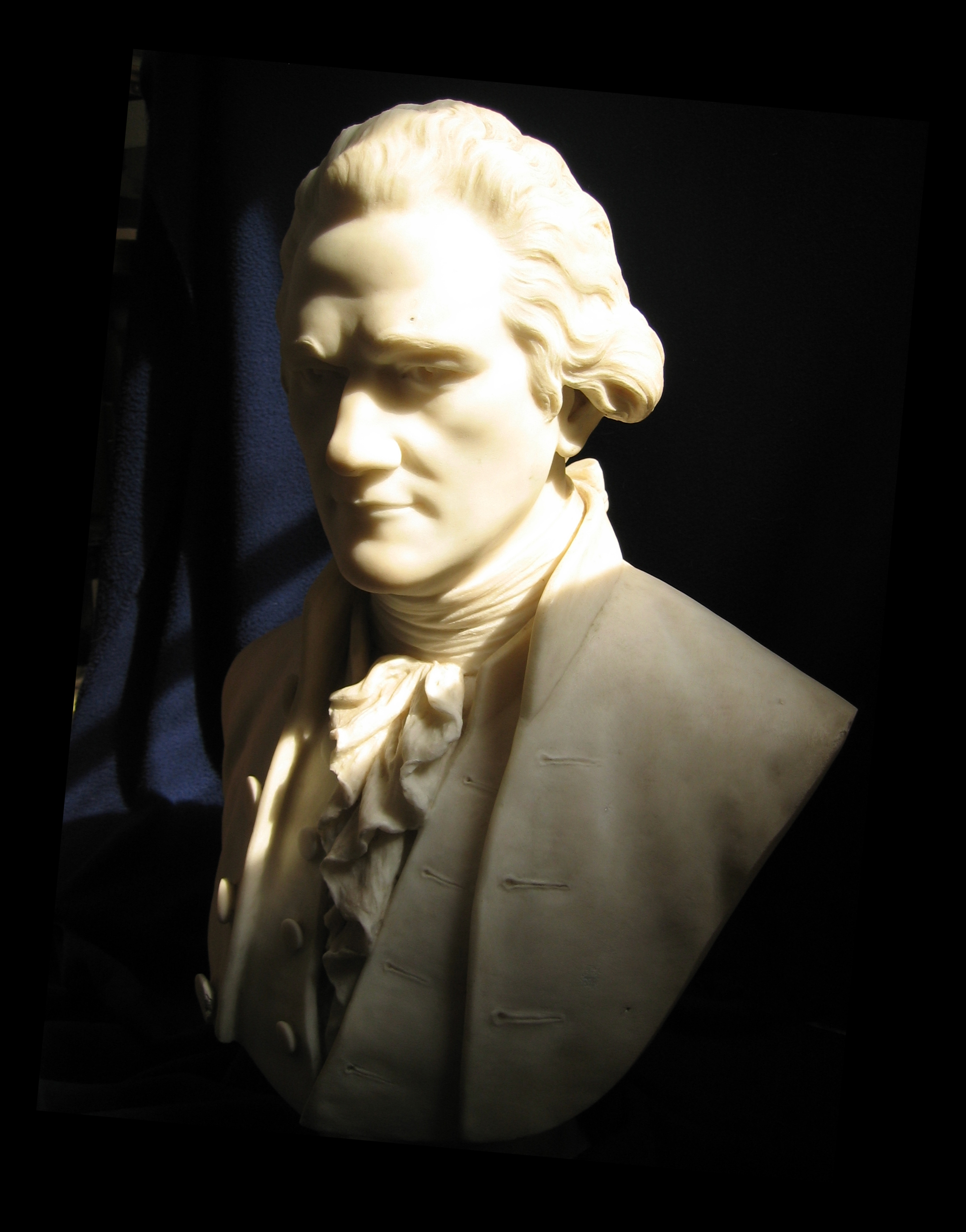
    Alexander Hamilton. By: Franklin Simmons.

    The Federalists, in overseeing the creation of the modern political system, culminating in the Constitution, had inadvertently changed not only the structure of government but also the trajectory of American politics.

    (more…)

  • Division and Balancing of Political Power

    richard_henry_lee_at_nat-_portrait_gallery_img_4471
    Richard Henry Lee. By: Billy Hathorn.

    Because the Federalists outmaneuvered the Antifederalists in presenting the Constitution to the American people, the Antifederalists faced a predicament of what to do. As Richard Henry Lee stated, many who wished to change the federal structure of government realized that they had to accept “this or nothing.” Gordon Wood, The Creation of the American Republic: 1776-1787, 547 quoting Lee to Mason, Oct. 1, 1787, Ballagh, ed., Letters of R. H. Lee, II, 438. The Antifederalists were more or less forced to “attack the federal government in those mechanical Enlightenment terms most agreeable to the thought of the Federalists: the division and balancing of political power,” otherwise known as separation of powers. Gordon Wood, The Creation of the American Republic: 1776-1787, 548.

    (more…)

  • Building the Bill of Rights

    georgemason-painting
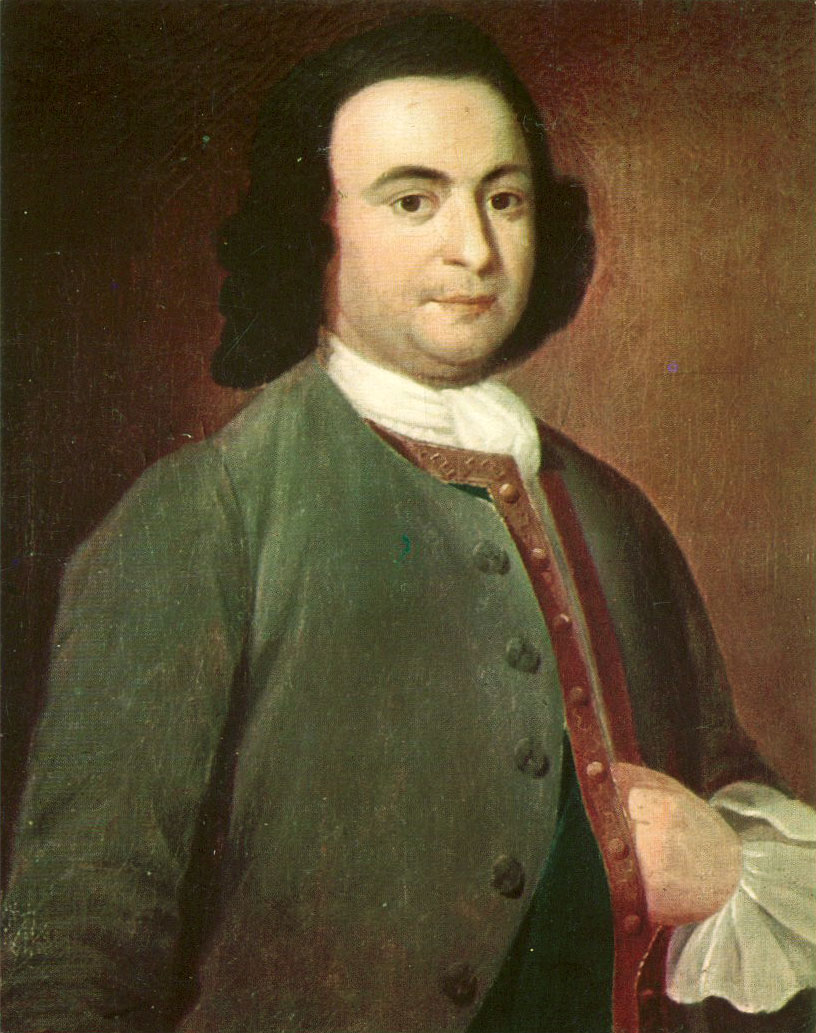
    George Mason. By: Dominic W. Doubet.

    A bill of rights was not contemplated at the Constitutional Convention, until George Mason mentioned it in the last days of the Convention. Every state ruled it out. Rufus King, however, suggested that “as the fundamental rights of individuals are secured by express provisions in the State Constitutions; why may not a like security be provided for the Rights of the States in the National Constitution?” Gordon Wood, The Creation of the American Republic: 1776-1787, 536 quoting Farrand, ed., Records of the Federal Convention, II, 375-76, 378-79, I, 492-93.

    (more…)

  • Retention of the Supreme Power

    1-2-2d4-25-explorepahistory-a0n0y8-a_349
    James Wilson, as Associate Justice of the Supreme Court. By: Robert S. Susan, after Leopold G. Seyffert, after Max Rosenthal.

    Capturing the spirit of the Declaration of Independence, the Constitution was expressing “the inherent and unalienable right of the people” to determine their system of government. Gordon Wood, The Creation of the American Republic: 1776-1787, 535 quoting Wilson, in McMaster and Stone, eds., Pennsylvania and the Federal Constitution, 317.

    (more…)

  • Two Supreme Coordinate Powers

    gouverneur_morris
    Gouverneur Morris. Engraving by: J. Rogers.

    Coming out of the Philadelphia Convention, many Americans had different perspectives about what had transpired and how effective the Constitution could be as a governing document.

    (more…)

  • The Deftness of the Federalists

    patrickhenry-1050x816
    Patrick Henry. By: Currier & Ives.

    As the Constitution was being drafted and ratified, opinions ranged on the prospects for it effectively governing America. Some in the Philadelphia Convention believed it was “nothing more than a combination of the peculiarities of two of the State Governments which separately had been found insufficient.” Gordon Wood, The Creation of the American Republic: 1776-1787, 519 quoting Madison, in Farrand, ed., Records of the Federal Convention, II, 291. Even some Federalists, who favored a strong national government, concluded that there was “a preposterous combination of powers in the President and Senate, which may be used improperly.” Edward Carrington to Jefferson, Oct. 23, 1787, Boyd, ed., Jefferson Papers, XII, 255.

    (more…)

  • The Revolution’s Failure and Excesses

    port_dickinson-peale
    John Dickinson. By: Charles Willson Peale.

    The culmination of beliefs and events that led to the drafting of the Constitution were varied but also generally in agreement about the necessity of having the Constitution.

    (more…)