Tag: Florida

  • The Civil War: Jefferson Davis: Farewell Address in the U.S. Senate

    January 21, 1861

    United States Senator Jefferson Davis, of Mississippi, rose on the floor of that august chamber the morning of January 21, 1861 to make an announcement. It would not be one pertaining to some Senate bill, or a resolution, but instead an announcement that he was leaving the Senate.

    (more…)
  • On to Richmond

    On to Richmond

    Although the Confederacy had awakened the North’s spirit by initiating hostilities at Fort Sumter, both sides could have still hoped for reconciliation. While some advocated for immediate peace, others wished for a full prosecution of war against the South, viewing its expanding secession as nothing short of treason. By the end of spring 1861, there was a decisive answer to the question of whether there would soon be peace. (more…)

  • The Civil War: An Introduction

    Few events in American history rival the magnitude and luridness of the Civil War, with its seemingly innumerable tales of sacrifice and Shakespearean drama. Each generation, from the War’s conclusion in 1865 to present, has taken up the task of dissecting and analyzing its causes and effects to discern its many lessons and to engage in a great deal of introspection as to the meaning of the War and being an American citizen. The War’s impact on American life continues to the present day. Its impact just after the midpoint of the 19th Century could hardly be overstated: if the Revolutionary War secured the existence of the states and if the War of 1812 created a sense of nationalism amongst the inhabitants of those states, the Civil War represented the fragility and value of the national union that the various states formed. (more…)

  • The Secession of the Deep South

    secession-hall-583x600
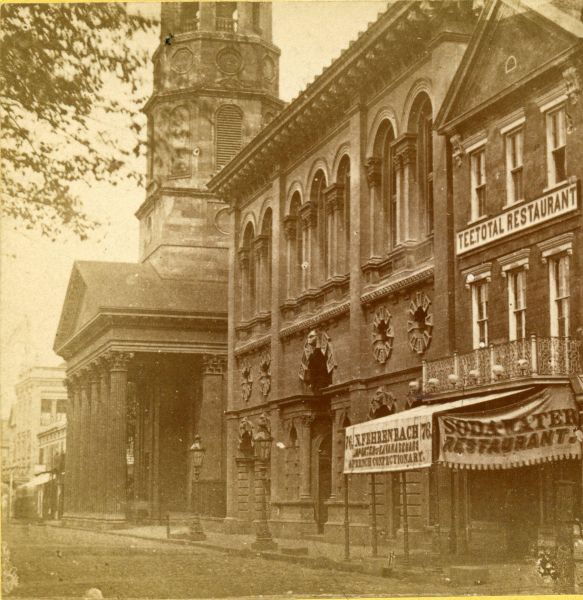
    Secession Hall in Charleston, South Carolina. Credit: The Civil War Trust.

    In the wake of the disconcerting result of the Election of 1860, the nature of southern secessionism suggested the imminent secession of at least some southern states from the Union. The timing and execution of states actually seceding from the Union was unclear, but the Deep South was prepared to act first. (more…)

  • The Election of 1860

    1860photo_uscapitol_washingtoncanalvisiblie
    The United States Capitol in 1860. Courtesy: Library of Congress

    Every presidential election is consequential, but the Election of 1860 would play a significant role in whether the United States would remain one nation. The division of the North and South on the issue of slavery threatened to cause a secession of the South. The result of the election would determine whether that threat would materialize and cause a Second American Revolution. (more…)

  • The Second Florida War

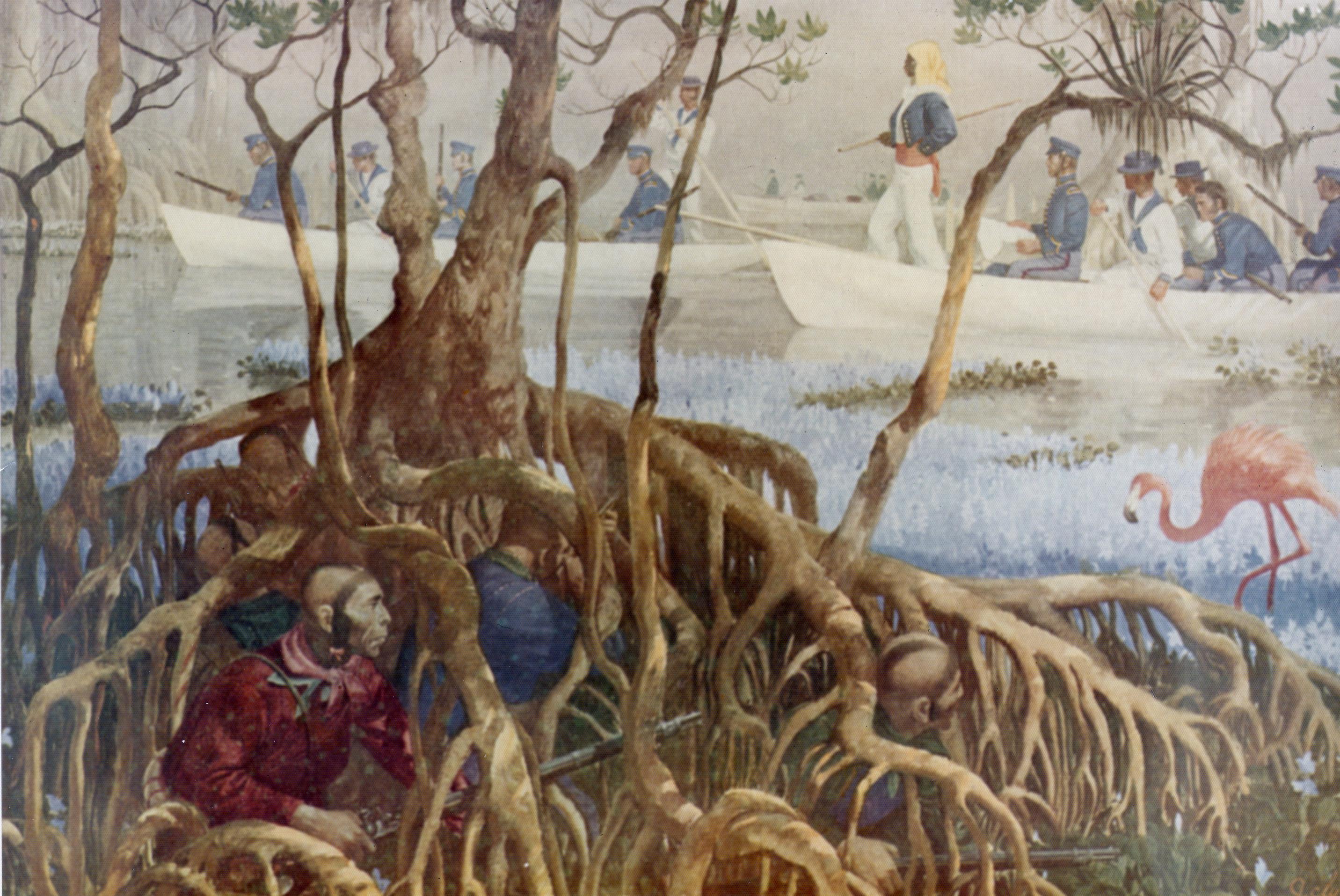
    seminole_war_in_everglades
    A Depiction of United States Marines Searching for Native Americans.

    With President Martin Van Buren in the White House came increasing extermination of the Native Americans. While many will recall the Trail of Tears leading to thousands of Native American deaths, the Second Florida War would be the “longest and most costly of all the army’s Indian Wars,” as it stretched from 1835 to 1842. Daniel Walker Howe, What Hath God Wrought: Transformation of America, 1815-1848, 516.

    (more…)

  • The Aftermath of the Panics

    rmth-standingright
    Robert M.T. Hunter, Speaker of the House.

    Amidst the Panics of 1837 and 1839, the Whigs enjoyed significant gains in Congress, which led to Robert M.T. Hunter, a pro-states’ rights southerner, becoming Speaker of the House. Daniel Walker Howe, What Hath God Wrought: Transformation of America, 1815-1848, 506. Further, besides the changing composition of Congress, the federal government’s policies would change, as a result of the Panics.

    (more…)

  • Jackson’s Removal of Native Americans

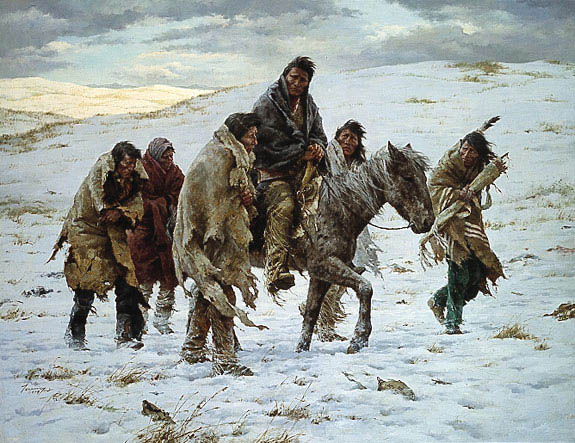
    chief-joseph
    Depiction of the Removal of Native Americans.

    In the first year of Andrew Jackson’s presidency, the removal of Native Americans from their lands became a top priority.

    (more…)

  • Introduction of the Seventh President

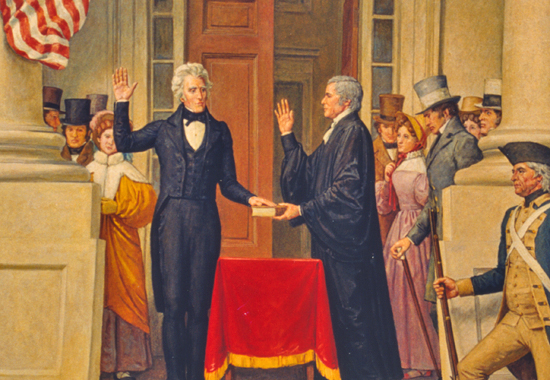
    jackson_first_inaugural
    Depiction of Andrew Jackson Taking the Oath of Office.

    Following the Election of 1828, Andrew Jackson was preparing to move into the White House, newly a widower and introducing a change in leadership.

    (more…)

  • The Transcontinental Treaty of Washington

    gilbert_stuart_-_john_quincy_adams_-_google_art_project
    John Quincy Adams in 1818. By: Gilbert Stuart.

    John Quincy Adams, Secretary of State from 1817 to 1825, was a principled, “tough negotiator.” Daniel Walker Howe, What Hath God Wrought: Transformation of America, 1815-1848, 107.

    (more…)