Tag: Founding Fathers

  • Division and Balancing of Political Power

    richard_henry_lee_at_nat-_portrait_gallery_img_4471
    Richard Henry Lee. By: Billy Hathorn.

    Because the Federalists outmaneuvered the Antifederalists in presenting the Constitution to the American people, the Antifederalists faced a predicament of what to do. As Richard Henry Lee stated, many who wished to change the federal structure of government realized that they had to accept “this or nothing.” Gordon Wood, The Creation of the American Republic: 1776-1787, 547 quoting Lee to Mason, Oct. 1, 1787, Ballagh, ed., Letters of R. H. Lee, II, 438. The Antifederalists were more or less forced to “attack the federal government in those mechanical Enlightenment terms most agreeable to the thought of the Federalists: the division and balancing of political power,” otherwise known as separation of powers. Gordon Wood, The Creation of the American Republic: 1776-1787, 548.
    (more…)

  • Building the Bill of Rights

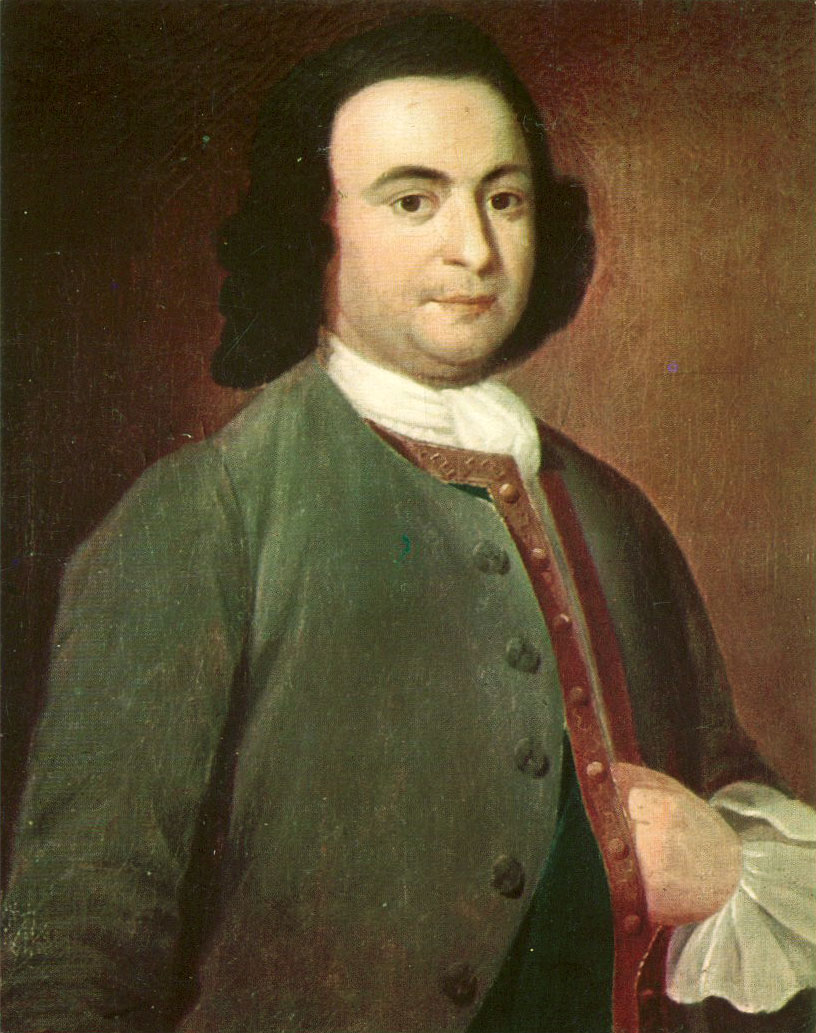
    georgemason-painting
    George Mason. By: Dominic W. Doubet.

    A bill of rights was not contemplated at the Constitutional Convention, until George Mason mentioned it in the last days of the Convention. Every state ruled it out. Rufus King, however, suggested that “as the fundamental rights of individuals are secured by express provisions in the State Constitutions; why may not a like security be provided for the Rights of the States in the National Constitution?” Gordon Wood, The Creation of the American Republic: 1776-1787, 536 quoting Farrand, ed., Records of the Federal Convention, II, 375-76, 378-79, I, 492-93.

    (more…)

  • The Social Debate

    melancton-smith-1744-1798-granger
    Melancton Smith. By: Granger.

    The debate surrounding the Constitution was as much a political and governmental debate as it was a social debate. The individuals who debated the Constitution, both for and against the Constitution, focused on the social aspect, making the disagreement “fundamentally one between aristocracy and democracy.” Gordon Wood, The Creation of the American Republic: 1776-1787, 485. (more…)

  • Storms of Sedition

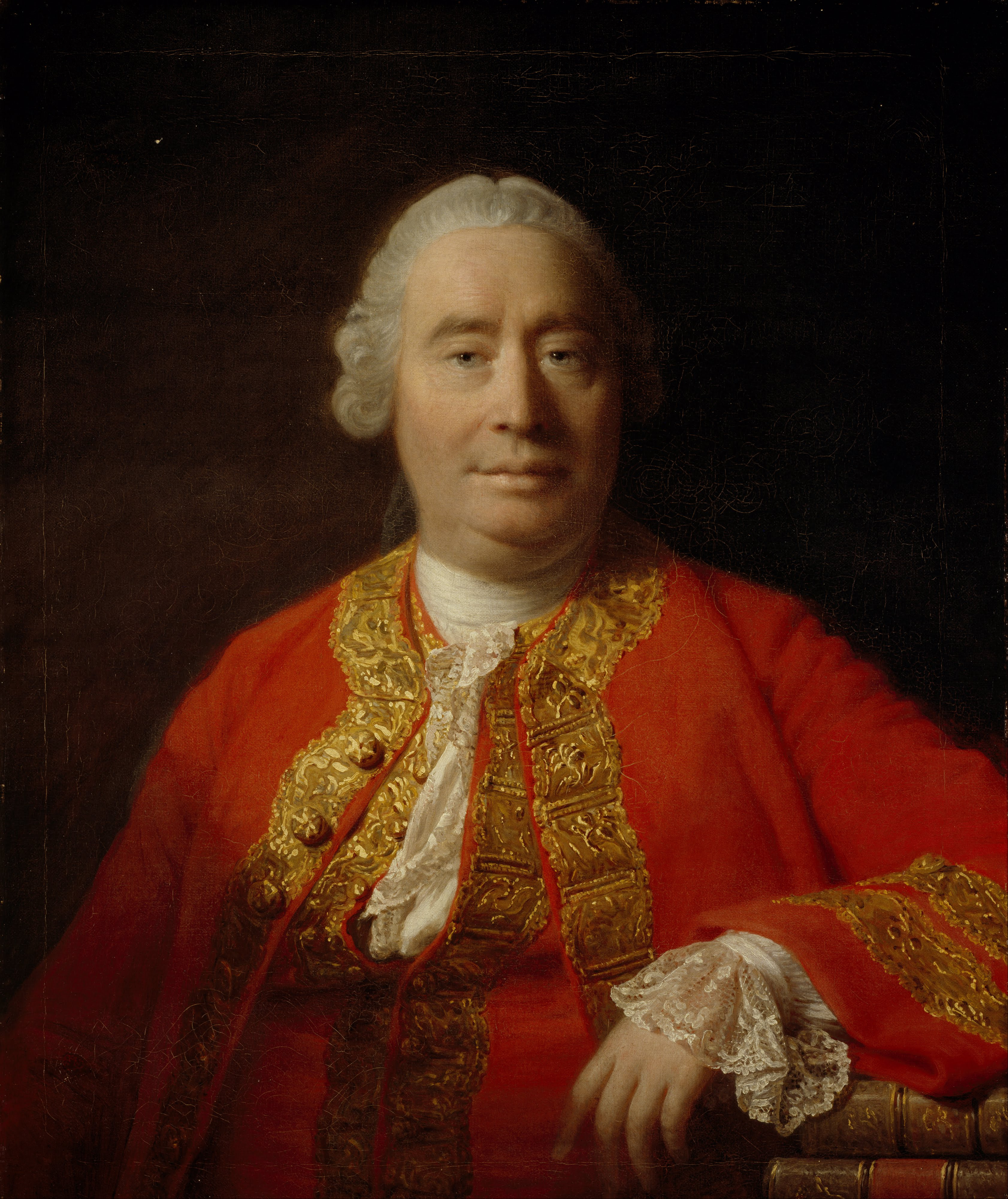
    allan_ramsay_-_david_hume_1711_-_1776-_historian_and_philosopher_-_google_art_project
    David Hume. By: Allan Ramsay. 1766.

    Because the American Revolution was leading to a breakdown of the traditional social distinctions of the Eighteenth Century, groups of individuals were becoming increasingly empowered. Groups, based on “social, economic, and religious interests” were emerging. Gordon Wood, The Creation of the American Republic: 1776-1787, 501.

    (more…)

  • The Scum Will Rise

    jamesotisjr_by_blackbarn
    James Otis Jr. By: Joseph Blackburn.

    The social structure of America was being turned upside down during the Revolution. As James Otis warned in 1776: “When the pot boils, the scum will rise.” John Eliot to Jeremy Belknap, Jan. 12, 1777, Belknap Papers, 104.

    (more…)

  • The Revolution’s Failure and Excesses

    port_dickinson-peale
    John Dickinson. By: Charles Willson Peale.

    The culmination of beliefs and events that led to the drafting of the Constitution were varied but also generally in agreement about the necessity of having the Constitution.

    (more…)

  • Guarding Against an Evil

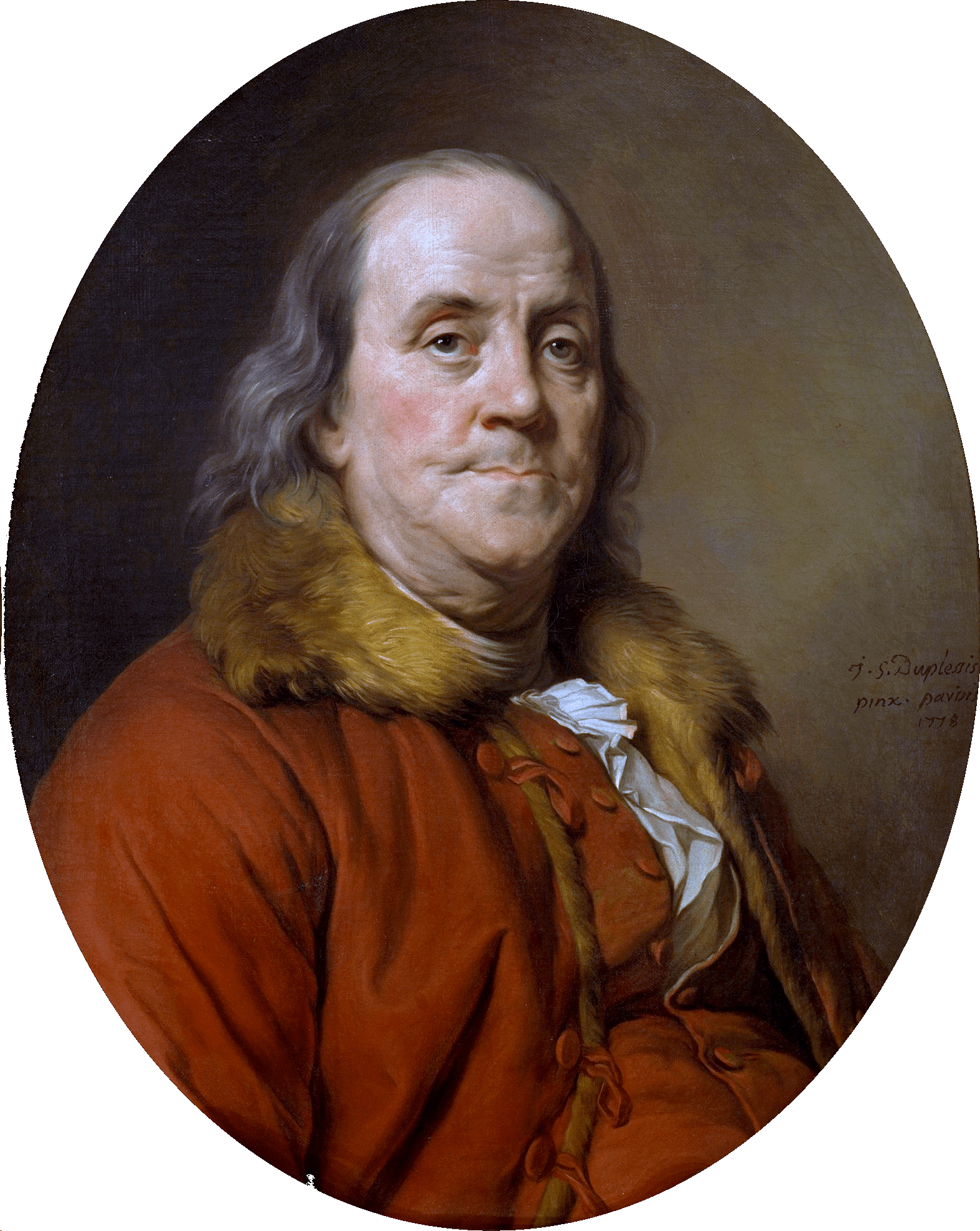
    benjamin_franklin
    Benjamin Franklin. By: Joseph Siffred Duplessis.

    Americans’ political beliefs were rapidly changing as the American Revolution progressed into the early years of the Republic. In fact, those beliefs were “constantly in flux, continually adapting and adjusting to ever-shifting political and social circumstances.” Gordon Wood, The Creation of the American Republic: 1776-1787, 438.

    (more…)

  • The Balance of Mixed Government

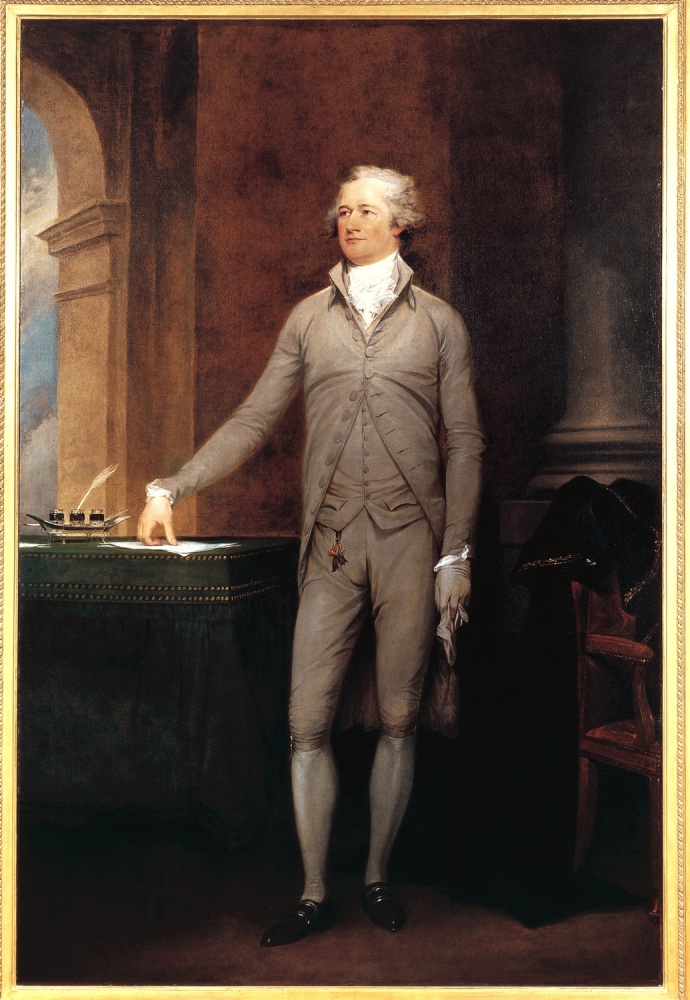
    trumbull20portait20full20length
    Alexander Hamilton, as Secretary of the Treasury. By: John Trumbull.

    Conservatives and liberals during the Revolutionary years realized that democracy must have power distributed throughout various sources, known as a mixed government, so as to survive.

    (more…)

  • A Supreme Sovereign Power

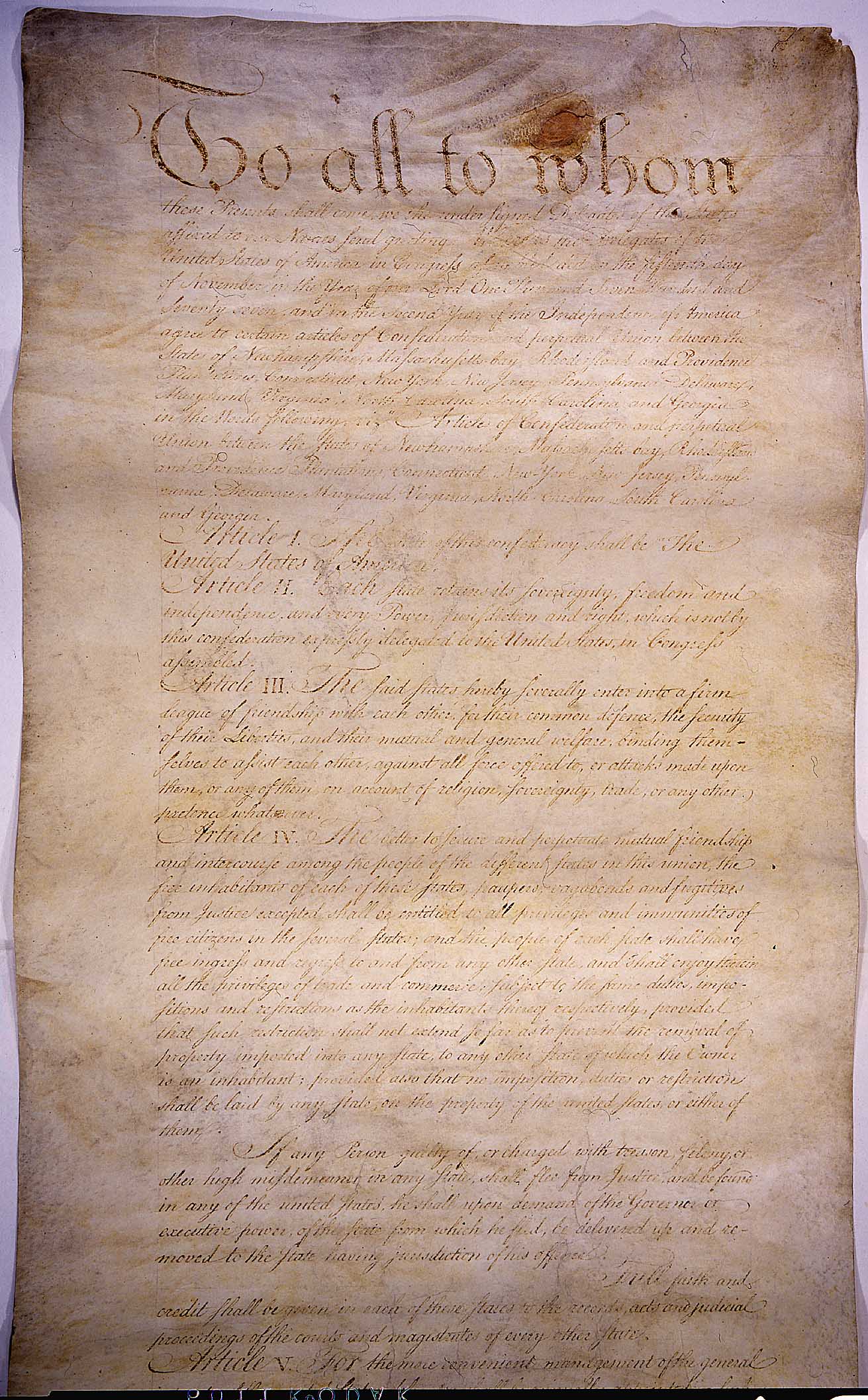
    Portrait
    Page 1 of the Articles of Confederation.

    Despite the fact that the Articles of Confederation loosely held the states together, there was still a remarkable union achieved. There were privileges and immunities granted, “reciprocity of extradition and judicial proceedings among the states,” no “travel and discriminatory trade restrictions between states, and the substantial grant of powers to the Congress in Article 9 made the league of states as cohesive and strong as any similar sort of republican confederation in history—stronger in fact than some Americans had expected.” Gordon Wood, The Creation of the American Republic: 1776-1787, 359. (more…)

  • Coalescing All the States

    johnadams-copley1784-2237
    John Adams. By: John Singleton Copley.

    Americans had a keen understanding of the idea, popularized by Montesquieu, that “only a small homogeneous society whose interests were essentially similar could properly sustain a republican government.” Gordon Wood, The Creation of the American Republic: 1776-1787, 356. This idea created a fundamental problem for America: it was not a small homogeneous society, and it was rapidly expanding.

    (more…)