
With the communications and transportation revolution came new, unforeseeable consequences. One such consequence was the spread of cholera and other contagious diseases, which would test the mettle of Americans.
With the communications and transportation revolution came new, unforeseeable consequences. One such consequence was the spread of cholera and other contagious diseases, which would test the mettle of Americans.
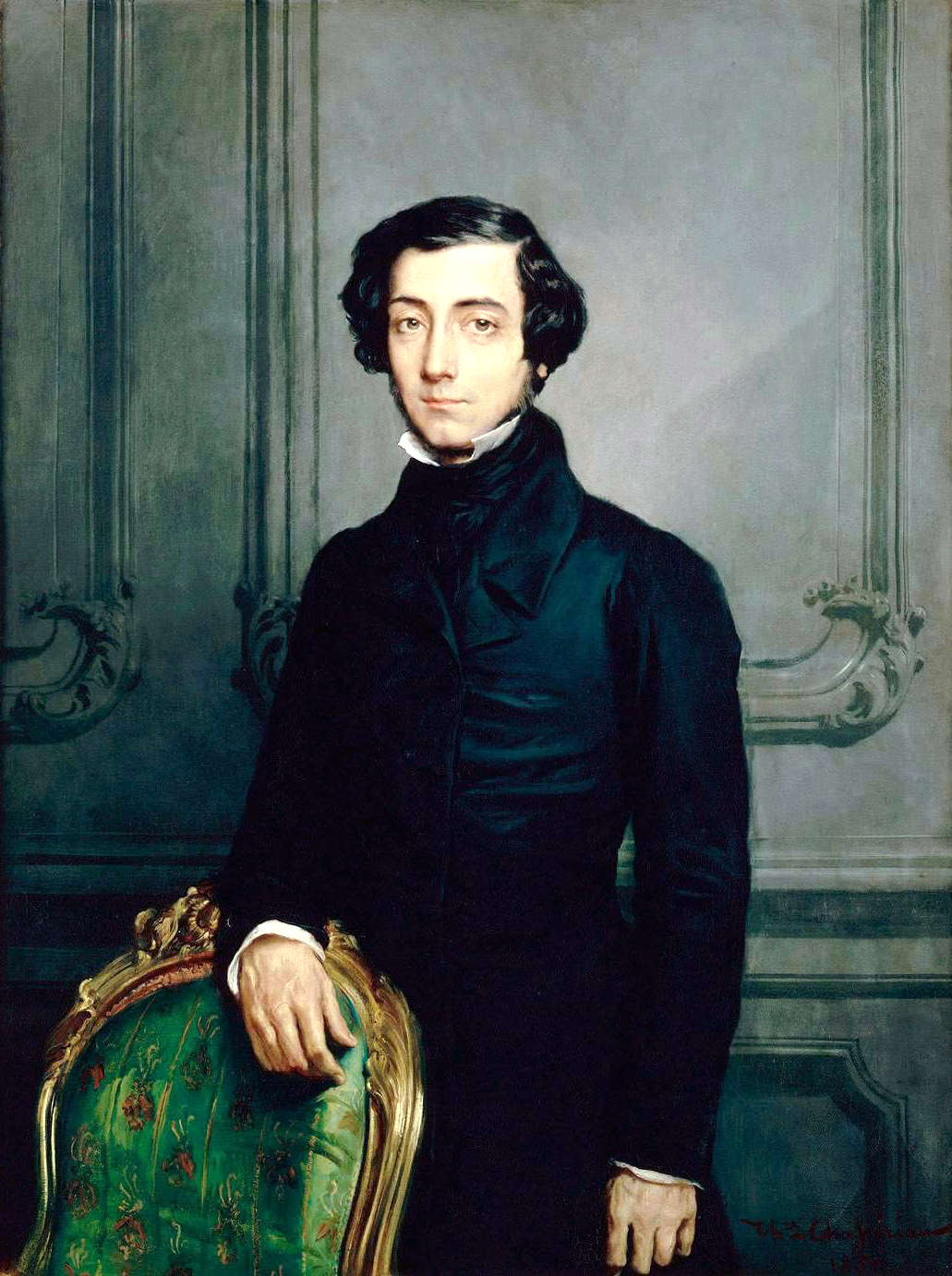
America, in the early part of the 1800s, developed a reputation for being an experimental society. It was a prime example of popular rule, which brought a unique perspective to the world stage. See Daniel Walker Howe, What Hath God Wrought: Transformation of America, 1815-1848, 304.
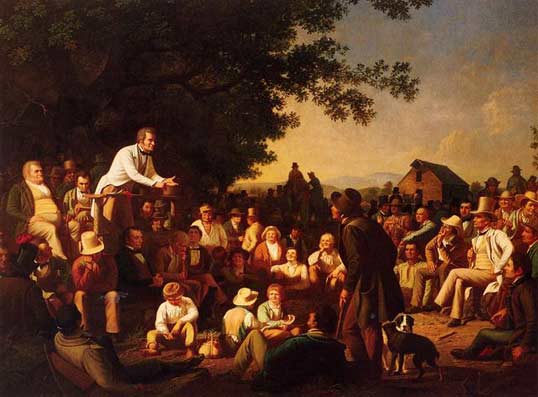
Over the course of President John Quincy Adams’ term from 1824 to 1828, defenders of his administration began calling themselves National Republicans while opponents called themselves Democratic Republicans. Daniel Walker Howe, What Hath God Wrought: Transformation of America, 1815-1848, 275. The Election of 1828 served as a culmination of the changing politics of the country.

President John Quincy Adams, in his First Annual Message to Congress delivered on December 6, 1825, set forth his agenda for developing the American economy. Daniel Walker Howe, What Hath God Wrought: Transformation of America, 1815-1848, 251.
Rebuttal to “An Officer of the Late Continental Army”: “Plain Truth”
Independent Gazetteer (Philadelphia), November 10, 1787
Following are excerpts from an article with an unknown author, published as a rebuttal to a reply by an officer of the late Continental Army to James Wilson’s speech:
“Congress may ‘provide for calling forth the militia,’ ‘and may provide for organizing, arming and disciplining it.’—But the states respectively can only raise it, (more…)

James Monroe was the last president who was truly part of the American Revolution generation. Daniel Walker Howe, What Hath God Wrought: Transformation of America, 1815-1848, 91. He crossed the Delaware River with George Washington. Id. Obvious to his contemporaries, he dressed the part of the Revolutionary gentleman, wearing knee breeches and buckled shoes, with a powdered wig and three-cornered hat. Id.

The debate surrounding the Constitution was as much a political and governmental debate as it was a social debate. The individuals who debated the Constitution, both for and against the Constitution, focused on the social aspect, making the disagreement “fundamentally one between aristocracy and democracy.” Gordon Wood, The Creation of the American Republic: 1776-1787, 485. (more…)

The culmination of beliefs and events that led to the drafting of the Constitution were varied but also generally in agreement about the necessity of having the Constitution.

After the American Revolution and after the war with Britain, America was suffering what appeared to be a crisis.
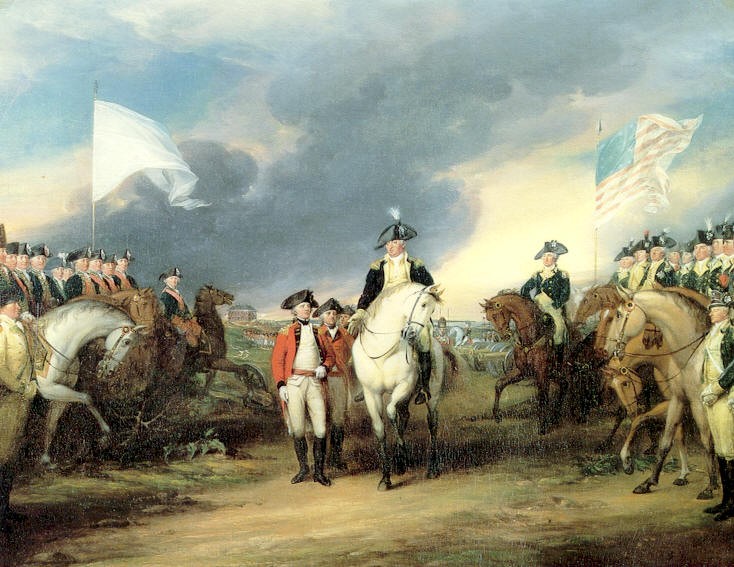
To fully understand the magnitude and impact of the American Revolution, context is crucial. While the Enlightenment was the process of society learning “the sources of a flourishing society and human happiness,” the Revolution was the process of finding the best form of government perhaps the world has ever known. See Gordon Wood, The Idea of America: Reflections on the Birth of the United States, 59.
 Last Best Hope of Earth