Tag: Georgia

  • The Battle of Chickamauga

    762
    The Site of the Outbreak of the Battle of Chickamauga. Courtesy: Library Photograph Collection.

    Near the end of September 1863, Union General William Rosecrans had gathered his men in the valley of West Chickamauga Creek in Georgia, and Confederate General Braxton Bragg was preparing to attack the Union left flank and force a reversal into a nearby valley from which Rosecrans could not escape.[i] The maneuver would be the ideal Confederate response to the federal successes at Gettysburg and Vicksburg. Fortunately for the federal troops, September 18 brought Confederate inaction and allowed General George Thomas, known as “Old Slow Trot” or “Pap” to his men, to reinforce Rosecrans’ left line.[ii] The next morning dawned what would become the “bloodiest battle in the western theater of the war.”[iii] (more…)

  • The Preparedness of the Union and Confederacy

    The Preparedness of the Union and Confederacy

    At the outset of the Civil War, the discrepancies between the Union and Confederate armies were evident. Despite their differences in background and appearance, both sides were poised to not only revolutionize the American method of warfare but also to change life for civilians throughout the country. (more…)

  • On to Richmond

    On to Richmond

    Although the Confederacy had awakened the North’s spirit by initiating hostilities at Fort Sumter, both sides could have still hoped for reconciliation. While some advocated for immediate peace, others wished for a full prosecution of war against the South, viewing its expanding secession as nothing short of treason. By the end of spring 1861, there was a decisive answer to the question of whether there would soon be peace. (more…)

  • The Secession of the Deep South

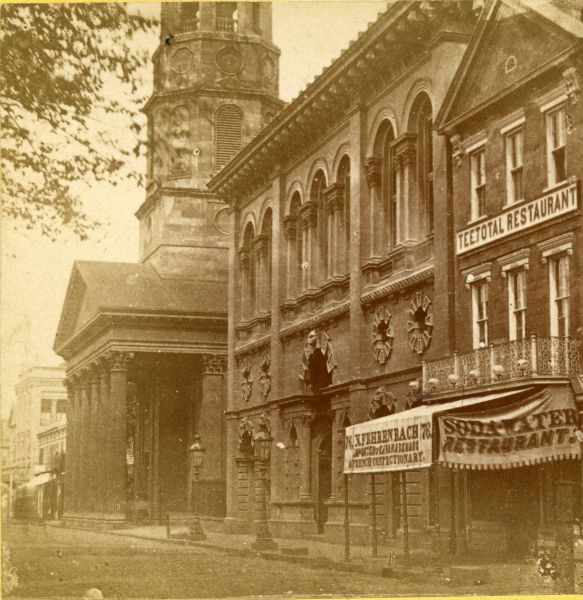
    secession-hall-583x600
    Secession Hall in Charleston, South Carolina. Credit: The Civil War Trust.

    In the wake of the disconcerting result of the Election of 1860, the nature of southern secessionism suggested the imminent secession of at least some southern states from the Union. The timing and execution of states actually seceding from the Union was unclear, but the Deep South was prepared to act first. (more…)

  • The Precursor to the Winter of Secession

    168095
    Washington in 1860. Photographer Unknown.

    Abraham Lincoln’s victory in the Election of 1860 was disconcerting news for the South. It was the most recent event in a string of events that seemingly endangered the southern way of life and the future of the country. At a time when many northerners suspected southern threats of secession were but a bluff, there was evidence that the country had already split and the formalities were soon to follow. (more…)

  • The Election of 1860

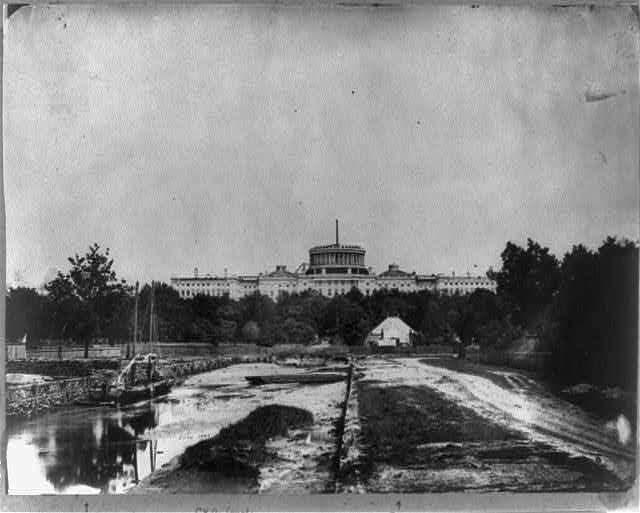
    1860photo_uscapitol_washingtoncanalvisiblie
    The United States Capitol in 1860. Courtesy: Library of Congress

    Every presidential election is consequential, but the Election of 1860 would play a significant role in whether the United States would remain one nation. The division of the North and South on the issue of slavery threatened to cause a secession of the South. The result of the election would determine whether that threat would materialize and cause a Second American Revolution. (more…)

  • The Kansas-Nebraska Act

    crockers_workers
    Construction of the Transcontinental Railroad.

    In 1844, Asa Whitney, a merchant in New York, proposed that a transcontinental railroad be built. While he hoped to lead the construction of the railroad and reap the benefits of the ambitious project, that was not to be. However, three components of his plan captured the spirit of Americans toward the construction of the railroad: “There must be a railroad to the Pacific; it must be financed by grants of public lands along the route; and it must be built by private interests which received these grants.” David Potter, The Impending Crisis: America Before the Civil War, 1848-1861, 146. (more…)

  • The Birth of Secessionism

    state_square_and_depot
    Antebellum Atlanta, Georgia. Photographer Unknown.

    Following the Compromise of 1850, southerners became concerned about the North securing additional concessions from the South. Aware of the South’s concerns, President Millard Fillmore tried to calm southern nerves by (more…)

  • The Compromise of 1850

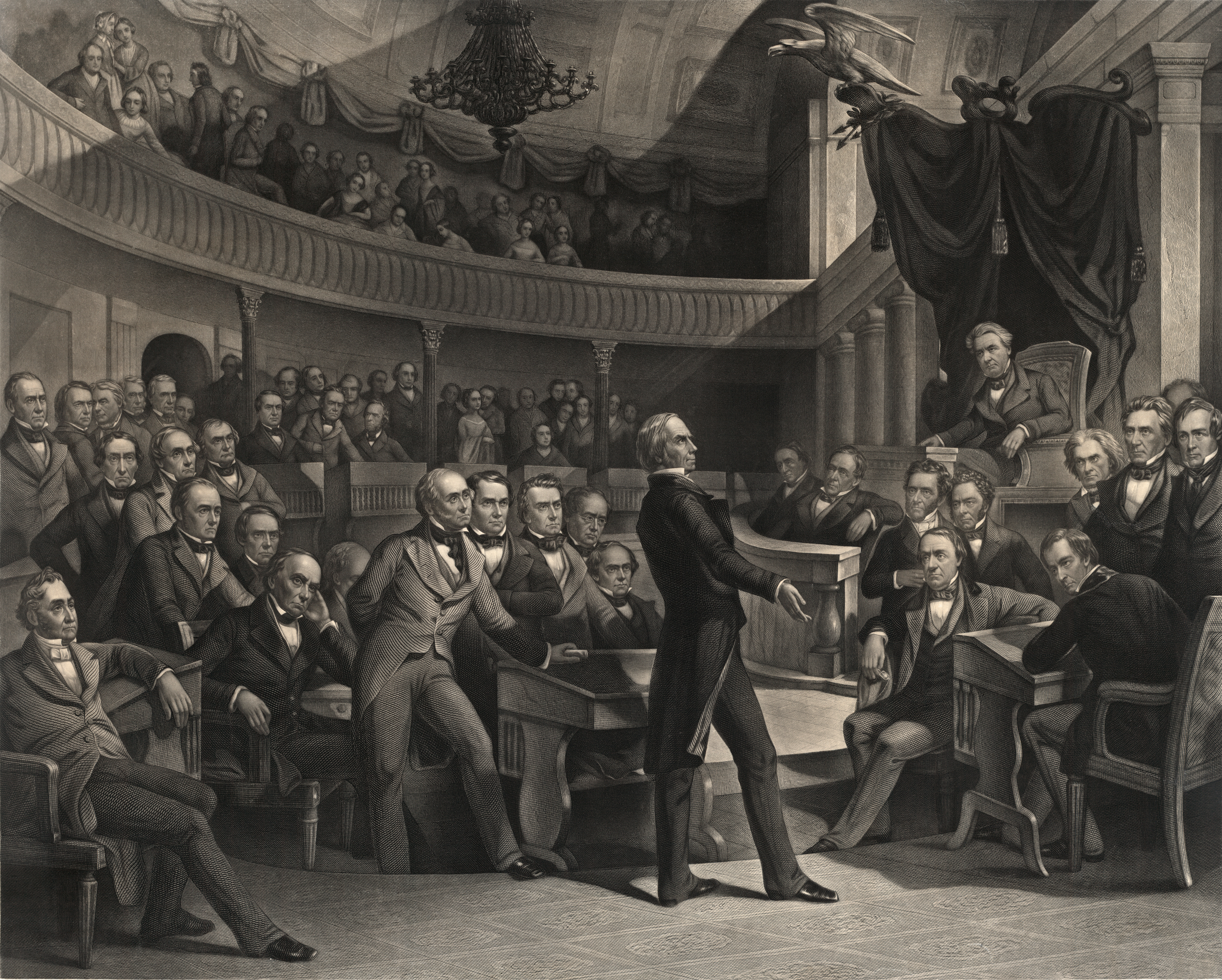
    henry_clay_senate3
    “United States Senate, A.D. 1850.” By: Peter F. Rothermel.

    Upon President Zachary Taylor taking office, he sent a message to Congress deploring the sectionalism that was pervading the country. See David Potter, The Impending Crisis: America Before the Civil War, 1848-1861, 91. He looked to George Washington’s warnings against “characterizing parties by geographical discriminations,” which appeared by 1849 to be a prescient warning. Id. citing James D. Richardson, ed., A Compilation of the Messages and Papers of the Presidents (11 vols.; New York, 1907), V, 9-24. President Taylor offered hope for northerners and those Americans who wanted to preserve the Union with his vow: “Whatever dangers may threaten it [the Union] I shall stand by it and maintain it in its integrity.” David Potter, The Impending Crisis: America Before the Civil War, 1848-1861, 91 citing James D. Richardson, ed., A Compilation of the Messages and Papers of the Presidents (11 vols.; New York, 1907), V, 9-24. (more…)

  • Jackson’s Removal of Native Americans

    chief-joseph
    Depiction of the Removal of Native Americans.

    In the first year of Andrew Jackson’s presidency, the removal of Native Americans from their lands became a top priority.

    (more…)