
With the Civil War’s end, the United States had put itself back on course to become one of the leading economies in the world. Economic strength begets influence around the world, and America was no exception to this principle; it now was entering an era—an era that, as of the time of this writing, has not come to a close—of taking part in directing the world’s affairs. More than that, America now had the potential to reshape parts of the world in its image. After all, this was the 19th Century, and the era of empires was arguably at its peak—although its sun was setting. For the time, there was an expectation: if you had the opportunity and resources to expand, to take more land and more people into your orbit, you took full use of the opportunity. To abstain from this mode of operation was to concede a wealth of riches, and indulging in the taking of those riches was no cause for shame; every one of the major powers—some for decades, some for centuries—had carved up a part of the world, had made their own empire.
(more…)Tag: Hawaii
-
The Gold Rush of 1849

Gold Miners During the California Gold Rush. Photographer Unknown. On January 24, 1848, James Marshall and Johann Sutter made a discovery that would transform the territory of California and bring about pandemonium in American society. The specks of gold that they discovered, while they may have hoped to keep secret, were anything but a secret.
-
The Whigs’ Manifest Destiny
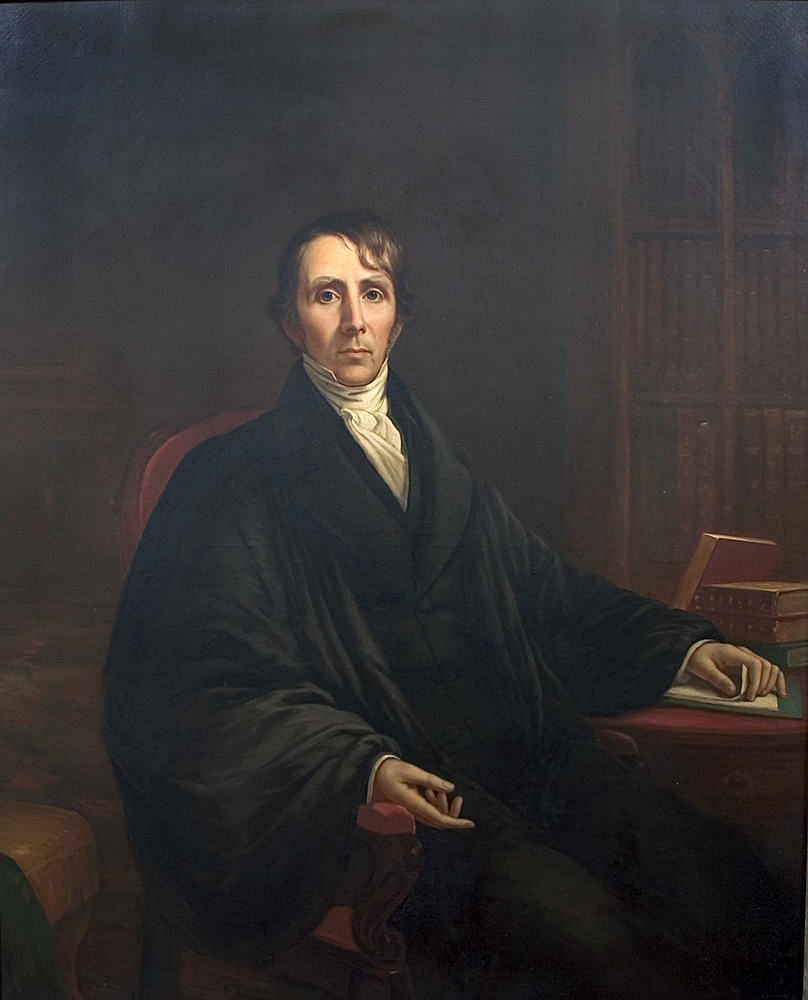
William Ellery Channing. By: Henry Cheever Pratt. The Whigs had their own approach to interpreting manifest destiny, and that approach mainly applied to shaping America’s foreign policy.
 Last Best Hope of Earth