Tag: Henry Clay

  • The North’s Attempt at Salvation

    washington-dc
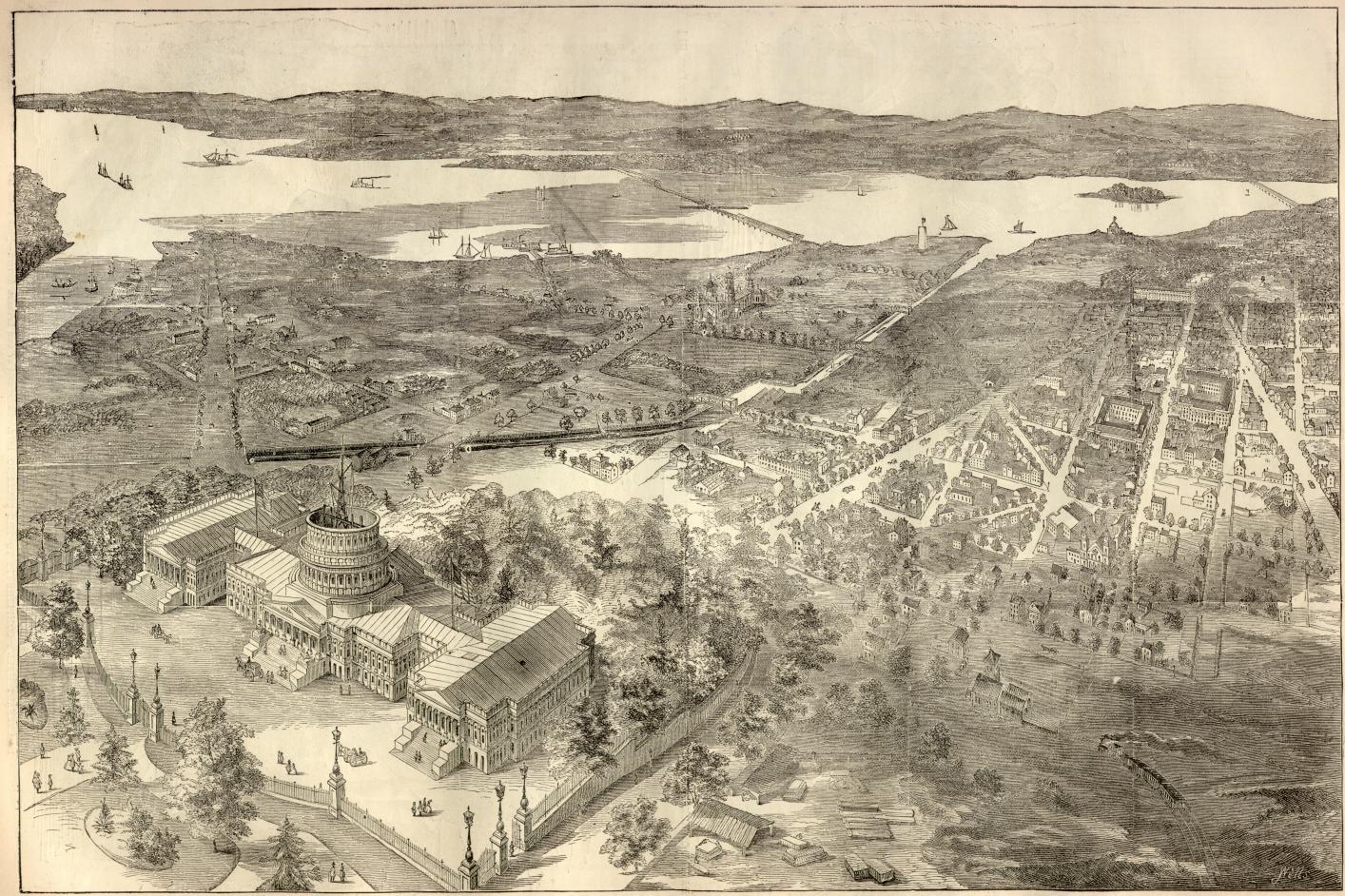
    Aerial Perspective of Washington DC in 1861.

    The Deep South’s animating of a Second American Revolution, by seceding from the Union and laying the foundation for an operational Confederate government, forced the North to either suppress the South’s uprising or craft a resolution. The likelihood of war would deter any widespread northern suppression, leaving the question: What compromise could the North propose that appeased the South and put both sections of the country on a path of coexistence? While variations of this question had been posed in the years leading up to 1860, at no prior point were states seceding from the Union en masse to form a rival government. (more…)
  • The Evolving Political Parties of the 1850s

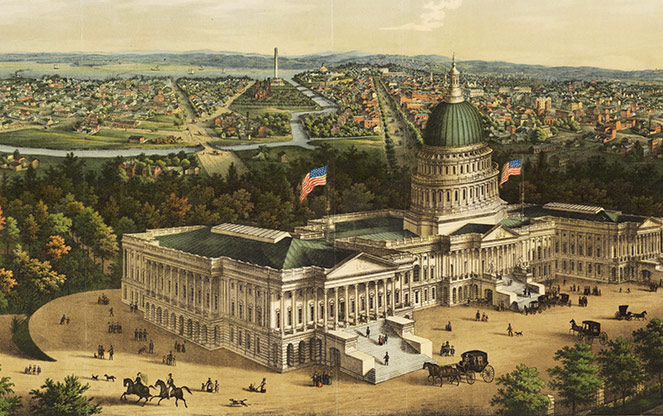
    panoramic-view-of-washington-city-e-sachse-and-co-1856
    Panoramic View of Washington, DC in 1856. Courtesy: E. Sachse & Co.

    The Democratic Party and Whig Party were the dominant political parties from the early 1830s up until the mid-1850s. Both were institutions in national politics despite not having a coherent national organization by cobbling together a diverse group of states to win elections. While the Democrats had a more populist agenda, the Whigs were more focused on pursuing industrialization and development of the country. See David Potter, The Impending Crisis: America Before the Civil War, 1848-1861, 226. While the Democratic Party would survive to the present day, the Whig Party would not survive the mid-1850s, not as a result of its own ineptness but because of the changing political landscape of that era. (more…)

  • The Election of 1852

    george_p-a-_healy_-_franklin_pierce_-_google_art_project
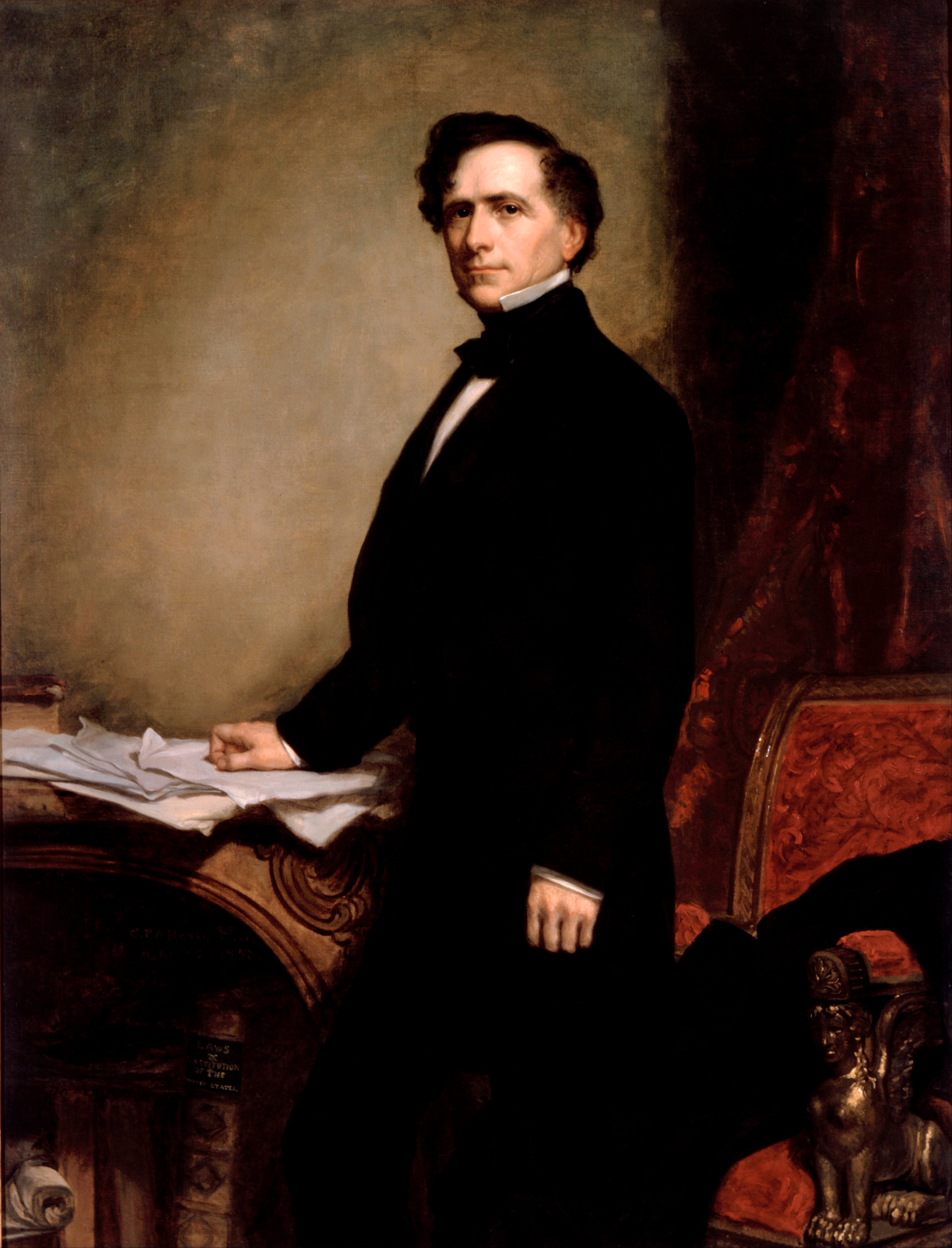
    President Franklin Pierce. By: George P.A. Healy.

    With the first term of Millard Fillmore’s presidency winding down in 1852, the Democrats felt a sense of momentum that they could reclaim the White House. In the midterm elections of 1850, the Democrats secured 140 of the 233 seats in the House of Representatives, eclipsing the Whig Party. See David Potter, The Impending Crisis: America Before the Civil War, 1848-1861, 141.

    (more…)

  • The Fugitive Slave

    john_houstin_hires
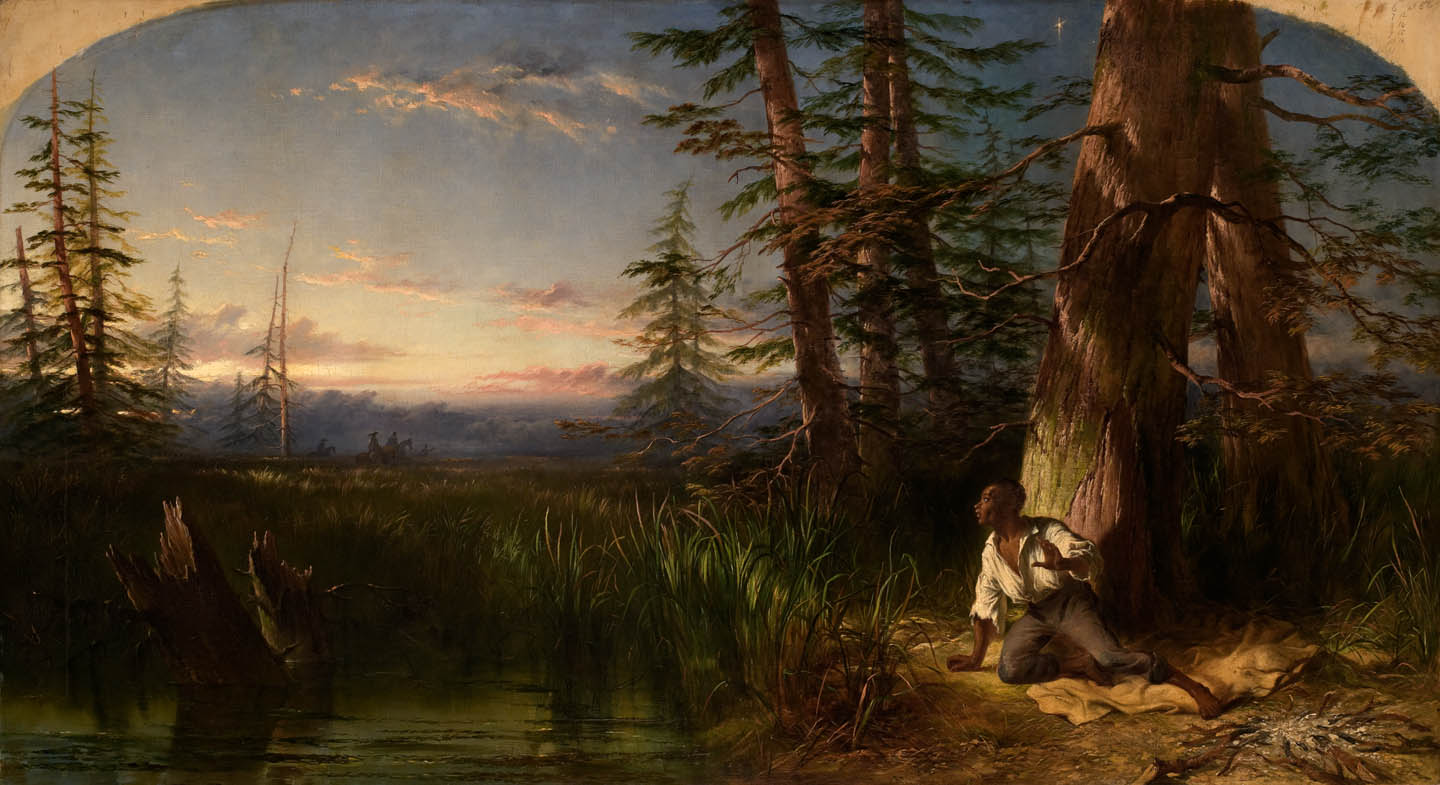
    The Fugitive Slave. By: John Houston. 1853.

    The Fugitive Slave Act, passed as part of the Compromise of 1850, was intended to resolve the tension surrounding the issue of slavery. Its provisions, however, ensured that it would not have such an alleviating effect.¹ The Act “denied the alleged fugitive any right to jury trial, not even guaranteeing it in the jurisdiction from which he had escaped.” David Potter, The Impending Crisis: America Before the Civil War, 1848-1861, 131. It also allowed a court to appoint a commissioner to decide a fugitive slave’s case. See id. That commissioner was entitled to a $10 fee where the “alleged fugitive was delivered to the claimant,” but if the slave was set free, the commissioner would receive only a $5 fee, creating an incentive for returning fugitives to slavery. Id. Finally, the Act gave federal marshals the power “to summon all citizens to aid in enforcement of the Act.” Id. citing Stanley W. Campbell, The Slave Catchers: Enforcement of the Fugitive Slave Law, 1850-1860 (Chapel Hill, 1968). (more…)

  • The Compromise of 1850

    henry_clay_senate3
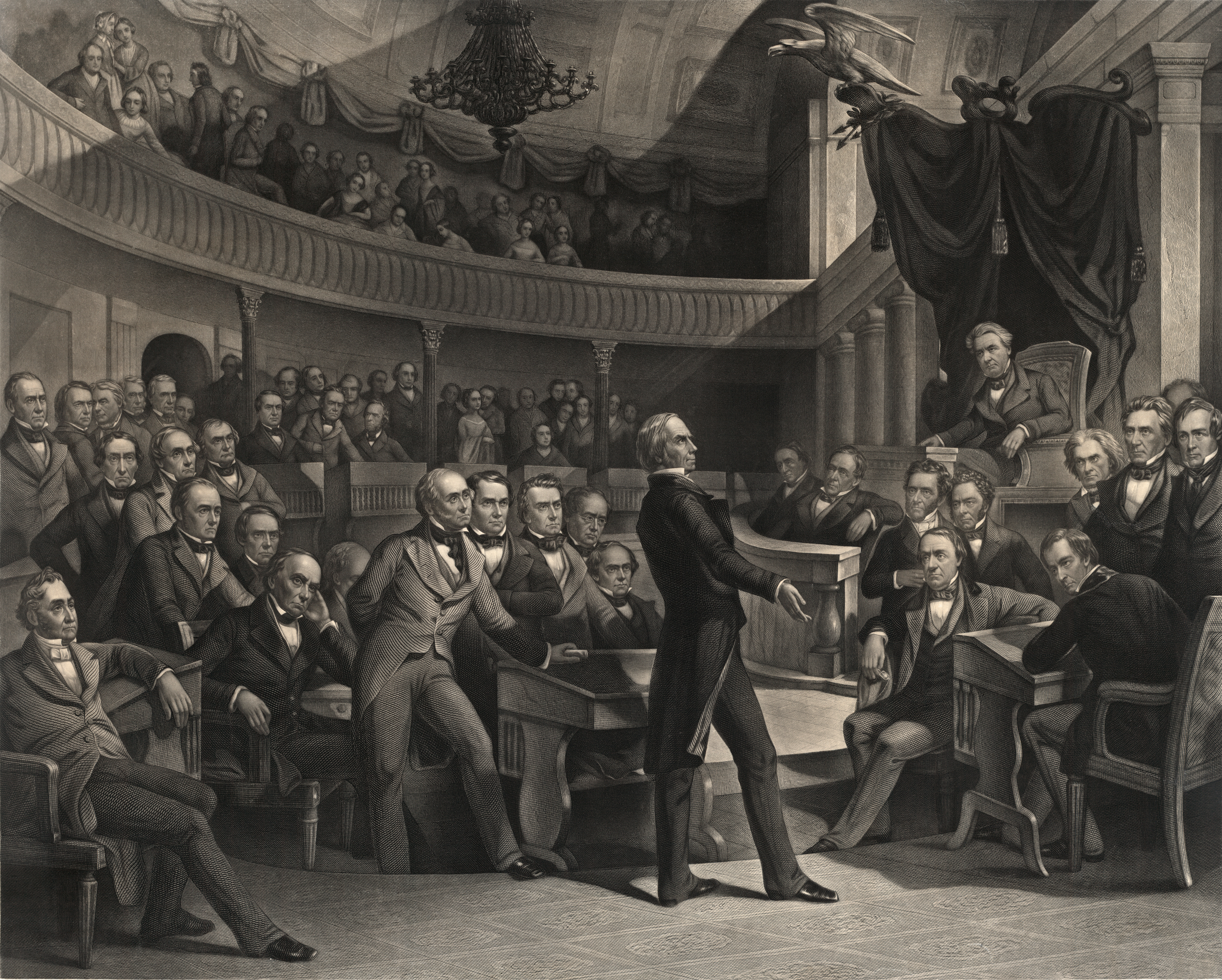
    “United States Senate, A.D. 1850.” By: Peter F. Rothermel.

    Upon President Zachary Taylor taking office, he sent a message to Congress deploring the sectionalism that was pervading the country. See David Potter, The Impending Crisis: America Before the Civil War, 1848-1861, 91. He looked to George Washington’s warnings against “characterizing parties by geographical discriminations,” which appeared by 1849 to be a prescient warning. Id. citing James D. Richardson, ed., A Compilation of the Messages and Papers of the Presidents (11 vols.; New York, 1907), V, 9-24. President Taylor offered hope for northerners and those Americans who wanted to preserve the Union with his vow: “Whatever dangers may threaten it [the Union] I shall stand by it and maintain it in its integrity.” David Potter, The Impending Crisis: America Before the Civil War, 1848-1861, 91 citing James D. Richardson, ed., A Compilation of the Messages and Papers of the Presidents (11 vols.; New York, 1907), V, 9-24. (more…)

  • Election of 1848: The Candidates

    hd_1848electiontopic
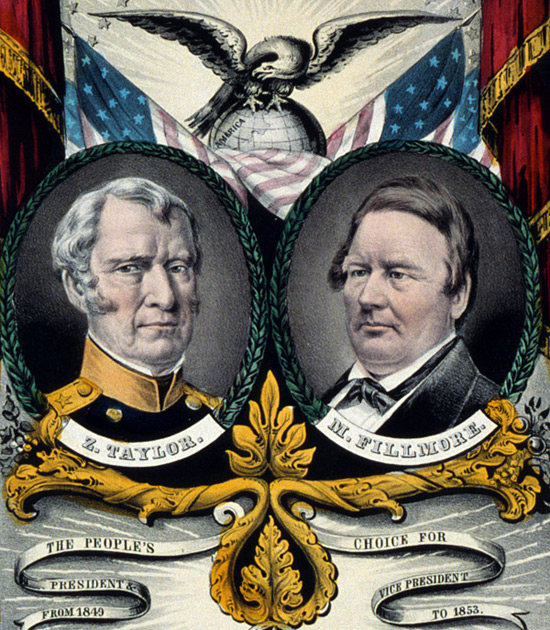
    The Whig Ticket for President, Zachary Taylor, and Vice President, Millard Fillmore.

    The Election of 1848 was bound to be unique, as President James Polk had made clear that he would serve only one term as president. With that, the Whigs and the Democrats had to put forth candidates that could meet the parties’ respective goals of reversing President Polk’s policies (the Whigs) and expanding on President Polk’s policies (the Democrats).

    (more…)

  • The Whigs’ Manifest Destiny

    william_ellery_channing_by_henry_cheever_pratt_1857
    William Ellery Channing. By: Henry Cheever Pratt.

    The Whigs had their own approach to interpreting manifest destiny, and that approach mainly applied to shaping America’s foreign policy.

    (more…)

  • Election of 1844: Polk Prevails

    polk_dallas_campaign_banner
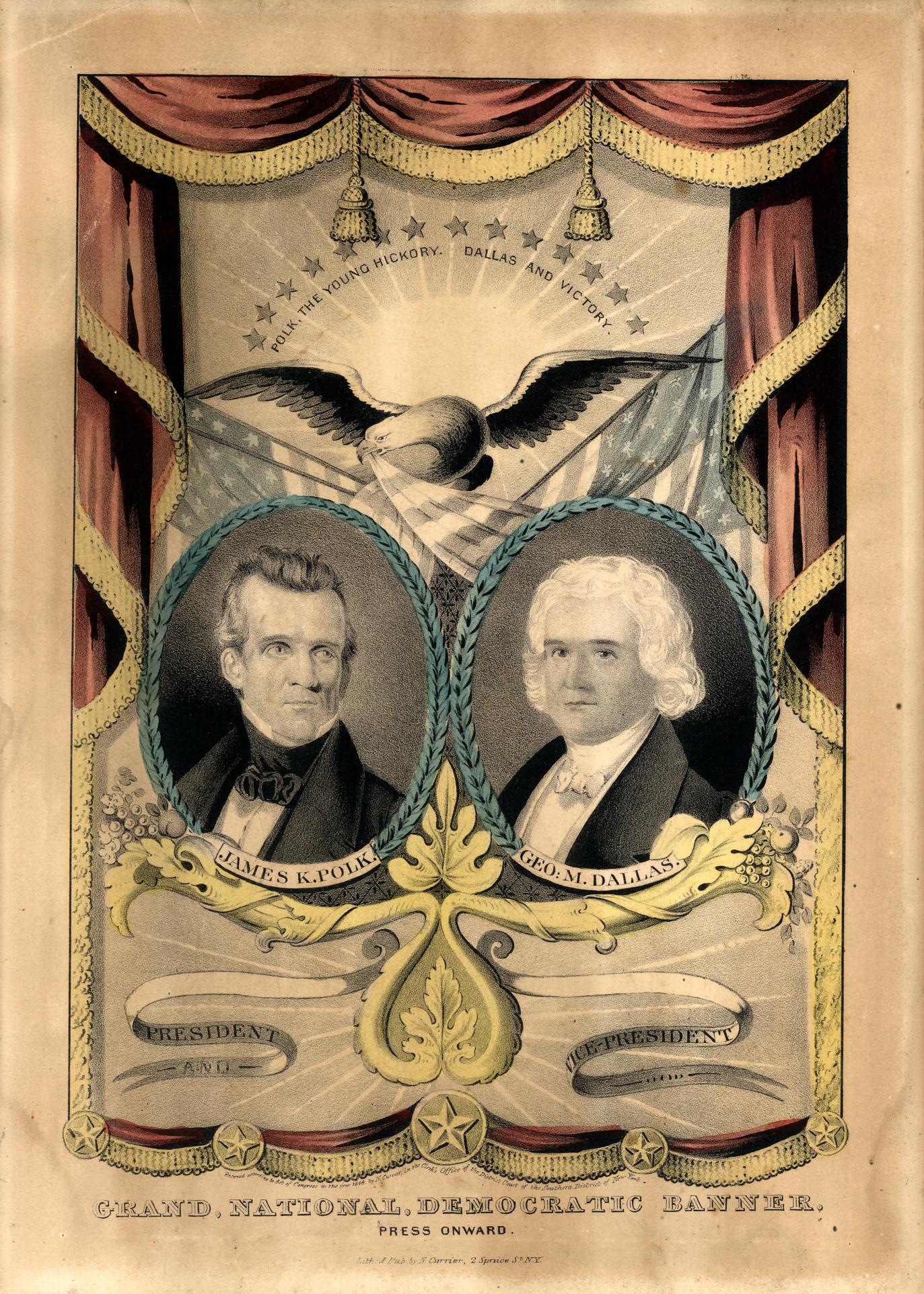
    Campaign Banner for James Polk and George Dallas.

    Throughout the first  twelve days of November of 1844, the population voted for the next president. Voters had to pick between the Democrat, James Polk, the Whig, Henry Clay, and the Liberty Party’s candidate, James Birney. See Daniel Walker Howe, What Hath God Wrought: Transformation of America, 1815-1848, 688.

    (more…)

  • Election of 1844: The Conventions

    shades_polk_0002
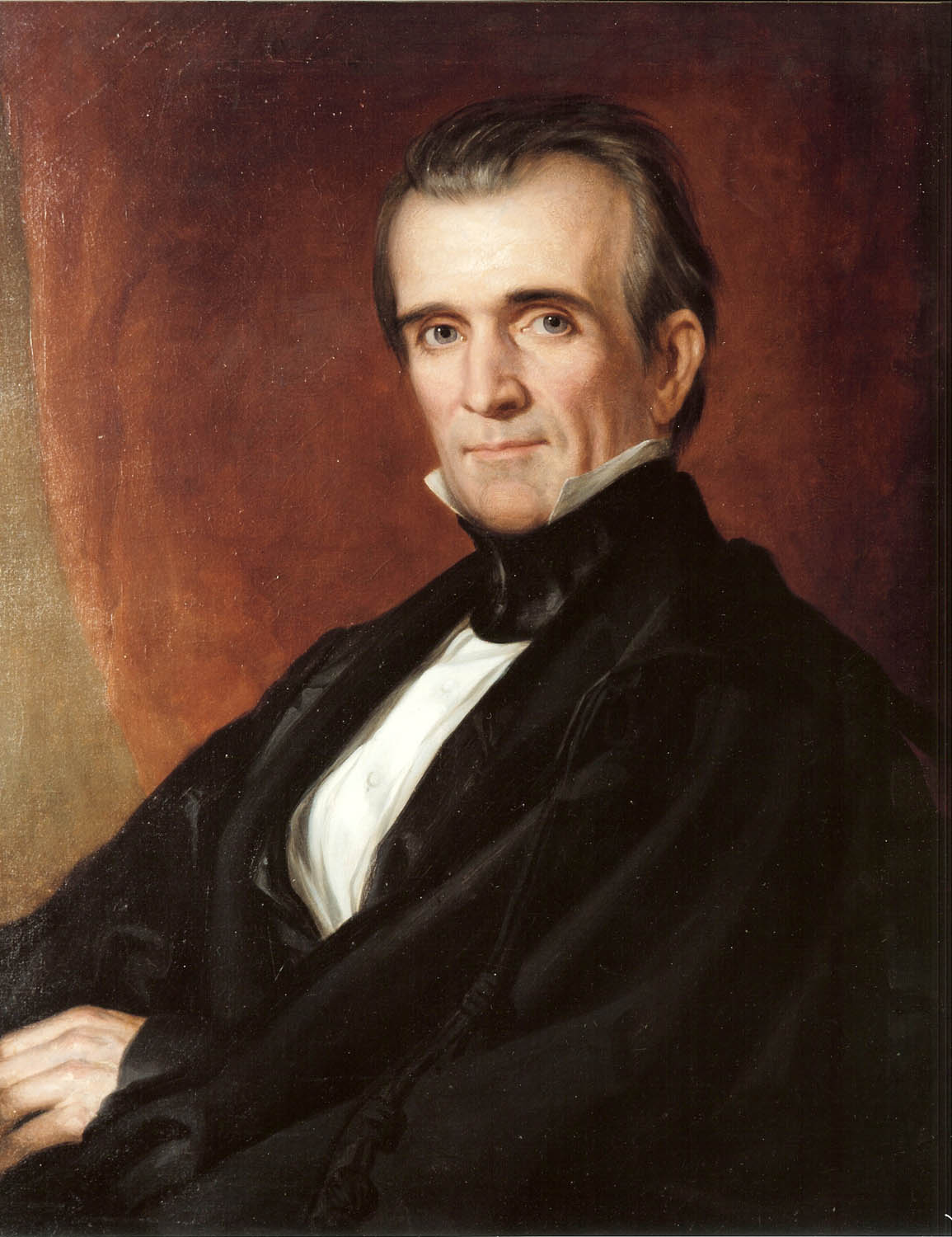
    James Knox Polk. By: George P.A. Healy.

    The Election of 1844 was one of the most momentous in American history.

    (more…)

  • The Darkest Spot on the American Mantle

    clay
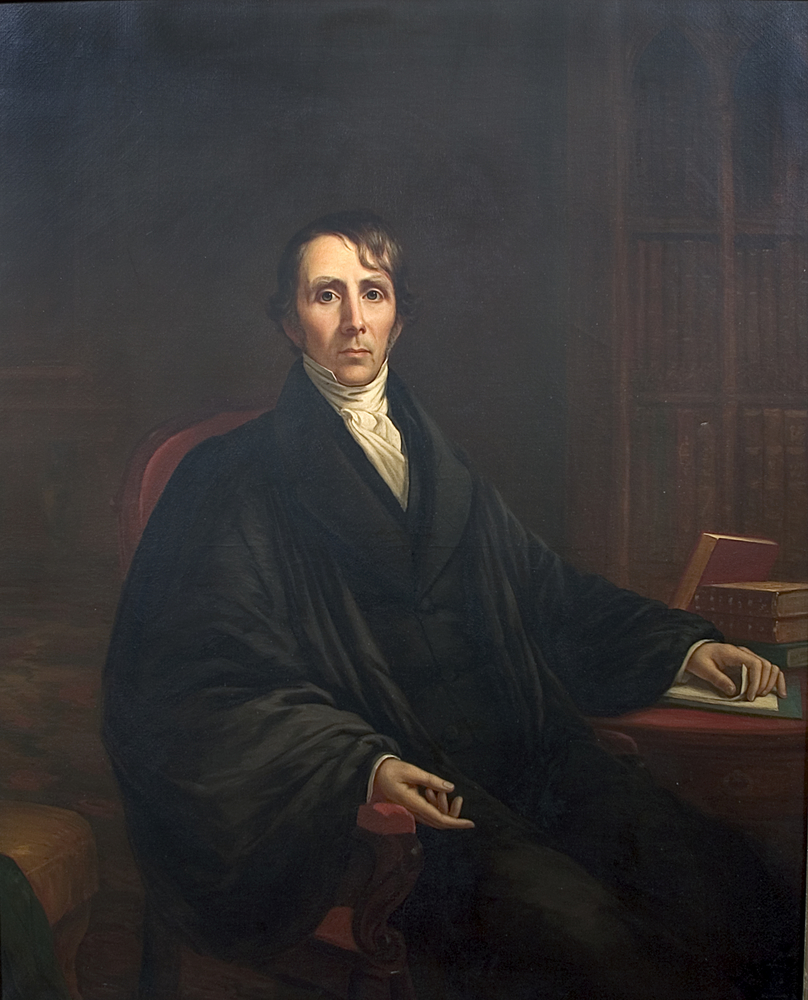
    Henry Clay. By: Henry F. Darby.

    In 1832, Henry Clay addressed the Senate, expressing his hope that “some day,” America “would be rid of this, the darkest spot on its mantle,” speaking of slavery. Daniel Walker Howe, What Hath God Wrought: Transformation of America, 1815-1848, 586 quoting Life, Correspondence, and Speeches of Henry Clay, ed. Calvin Colton (New York, 1857), I, 189, 191.

    (more…)