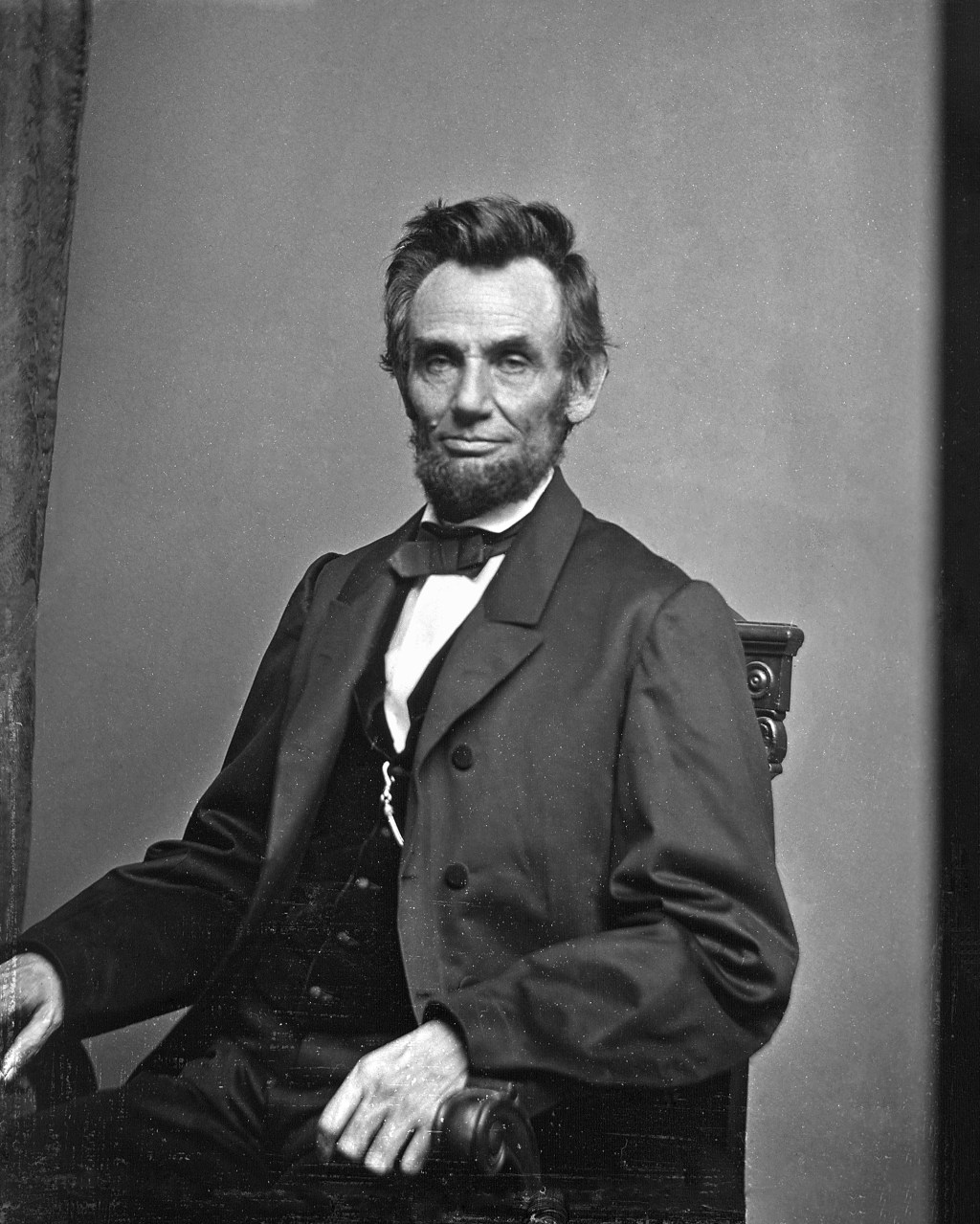
The summer of 1864 was one of dismay for President Abraham Lincoln and his administration: throughout the Union, the appetite for war had rapidly shrunk; particularly as compared to the heady days of 1860 that ushered Lincoln into the White House. While some voters in the North saw the continued prosecution of the war as nothing more than an attempt to manifest Lincoln’s wish to abolish slavery—and therefore a war not worth fighting—others had naturally, in view of the mounting casualties, developed a fatigue for war and, if they had a choice in the matter, would have opted for a negotiated peace. If Lincoln were to lose the election—so the argument ran—then families could be reunited and the violence could come to an end. For Confederates, northern voter despair was precisely the ingredient that was needed in the giant pot that was political discourse in the Union, but it was not all that was needed: the rebels had dreamt of forcing a negotiated peace, and now, with the election in sight, they had hope that Lincoln would be voted out and the war could be brought to a favorable end. (more…)
Tag: Indiana
-

The Awakened Giant
The news from Fort Sumter spread throughout the country, and its coming awakened a restless energy in the North. That energy ignited patriotism and a new sense of collectivism throughout northern cities and states that would lead to a then-unparalleled war effort directed against the Confederacy. (more…)
-
The Election of 1860
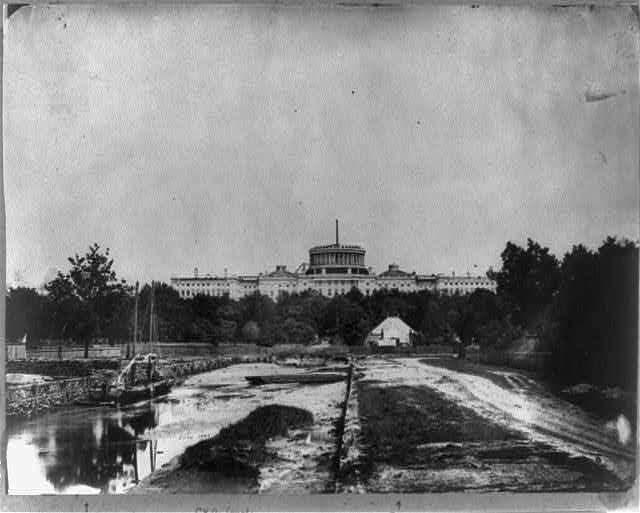
The United States Capitol in 1860. Courtesy: Library of Congress Every presidential election is consequential, but the Election of 1860 would play a significant role in whether the United States would remain one nation. The division of the North and South on the issue of slavery threatened to cause a secession of the South. The result of the election would determine whether that threat would materialize and cause a Second American Revolution. (more…)
-
The Fugitive Slave
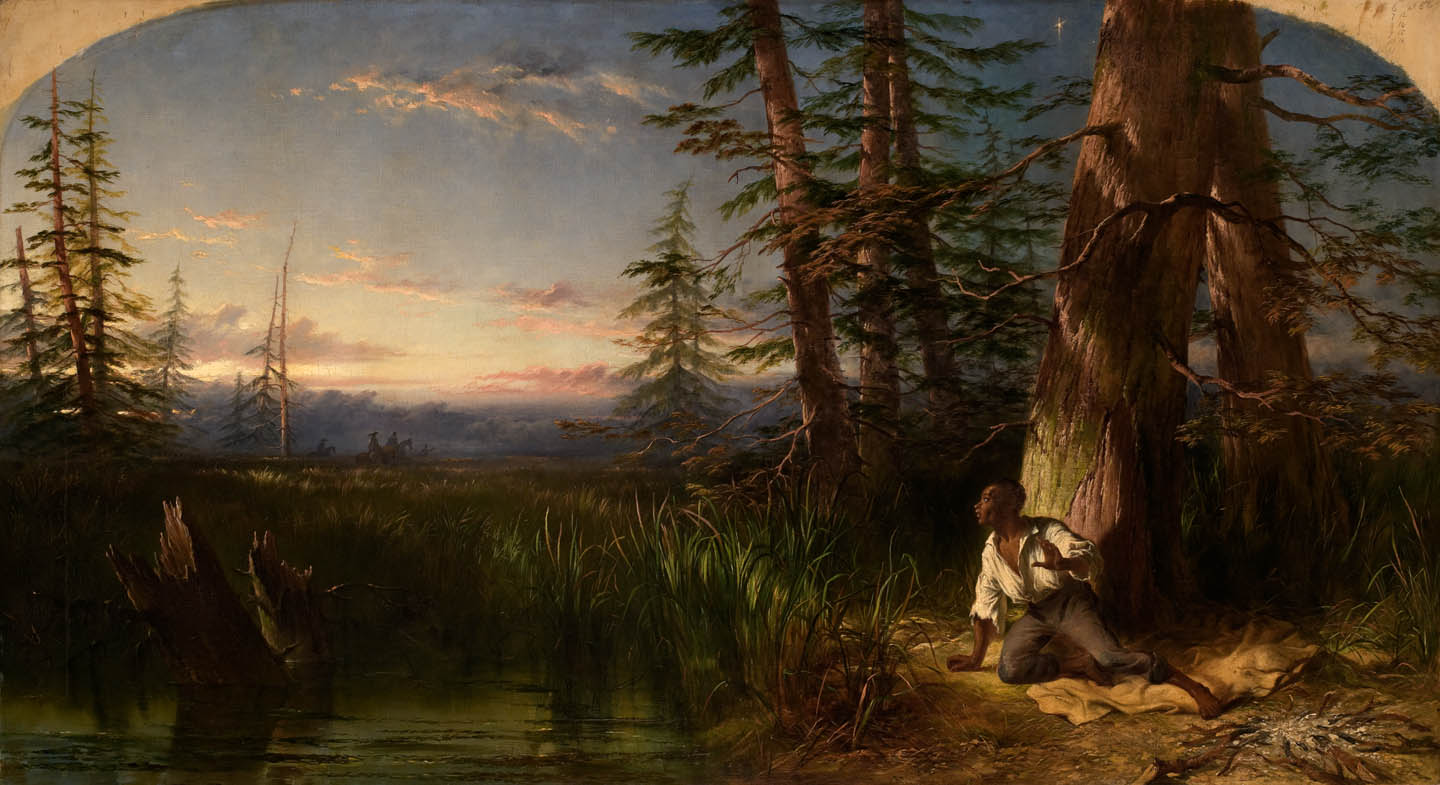
The Fugitive Slave. By: John Houston. 1853. The Fugitive Slave Act, passed as part of the Compromise of 1850, was intended to resolve the tension surrounding the issue of slavery. Its provisions, however, ensured that it would not have such an alleviating effect.¹ The Act “denied the alleged fugitive any right to jury trial, not even guaranteeing it in the jurisdiction from which he had escaped.” David Potter, The Impending Crisis: America Before the Civil War, 1848-1861, 131. It also allowed a court to appoint a commissioner to decide a fugitive slave’s case. See id. That commissioner was entitled to a $10 fee where the “alleged fugitive was delivered to the claimant,” but if the slave was set free, the commissioner would receive only a $5 fee, creating an incentive for returning fugitives to slavery. Id. Finally, the Act gave federal marshals the power “to summon all citizens to aid in enforcement of the Act.” Id. citing Stanley W. Campbell, The Slave Catchers: Enforcement of the Fugitive Slave Law, 1850-1860 (Chapel Hill, 1968). (more…)
-
A Deadlocked and Destructive Congress
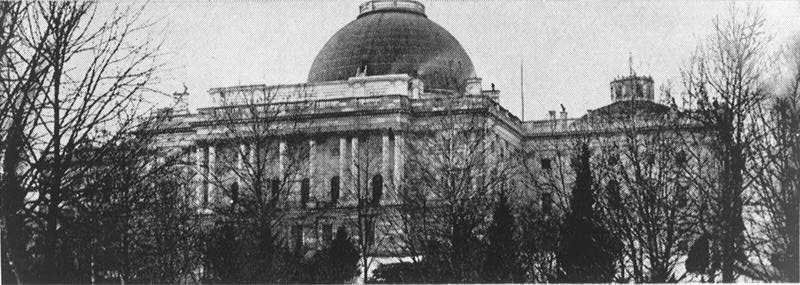
The United States Capitol in 1848. Unknown Photographer, credit Library of Congress. During President James Polk’s administration, Congress grappled with resolving sectional tension arising out of whether slavery would be extended to newly acquired land from Mexico as well as the Oregon territory. Congress did not resolve that sectional tension but exacerbated it in what may have been one of the most deadlocked and destructive Congresses in American history. (more…)
-
The Theories of Slavery

Trout Fishing in Sullivan County, New York. By: Henry Inman. In the 15 years leading up to the Civil War, a wide variety of theories emerged for how the federal government should deal with slavery expanding, or not expanding, into the territories acquired by the United States.
 Last Best Hope of Earth